
Iowa Radon Zone 1: What Every Homeowner Should Know

Understanding Iowa Radon Zone 1 is crucial for your health and safety in Iowa. Radon, a colorless, odorless radioactive gas, forms from uranium decay in soil and rock. It can enter buildings through cracks and accumulate to dangerous levels. Since radon can’t be detected by sight or smell, understanding radon zoning and professional testing is […]
Radon Health Risk in Iowa Homes Explained
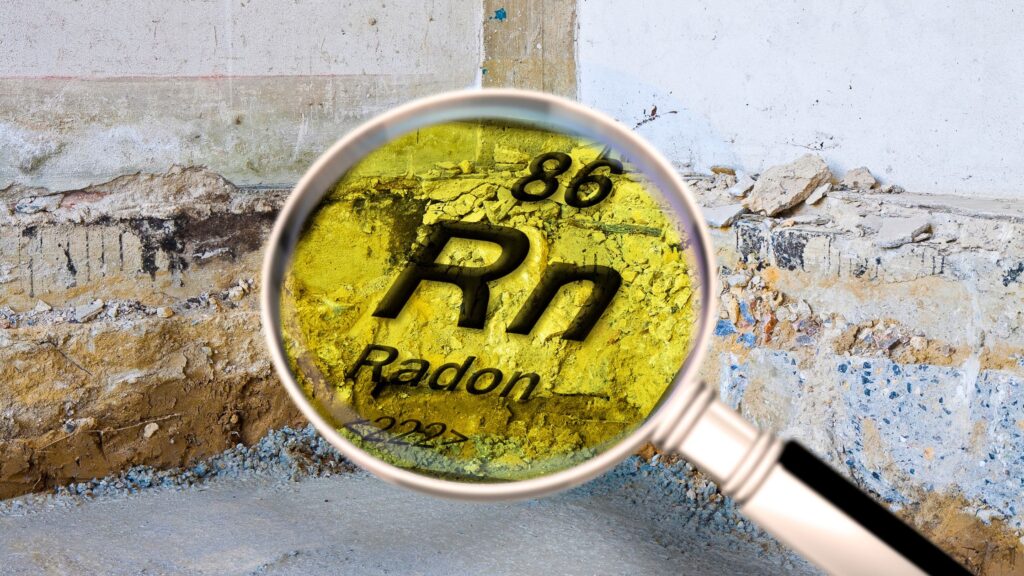
Radon can affect indoor air quality in Iowa homes because it enters silently and builds up without any smell, color, or taste. Moreover, you cannot judge exposure by how new or clean a house looks. Therefore, you need testing to understand your actual level, and you need a verified plan if the reading rises. This […]
Radon System Airflow Optimization Guide
A radon system works only when it maintains steady airflow and negative pressure under the foundation, pulling soil gas into the vent and exhausting it outside. That’s why radon system airflow optimization matters after installation, after home changes, or when readings rise. Stable airflow removes radon at the source, keeps results consistent, and protects indoor […]
Understanding Ankeny New Construction Radon Risk
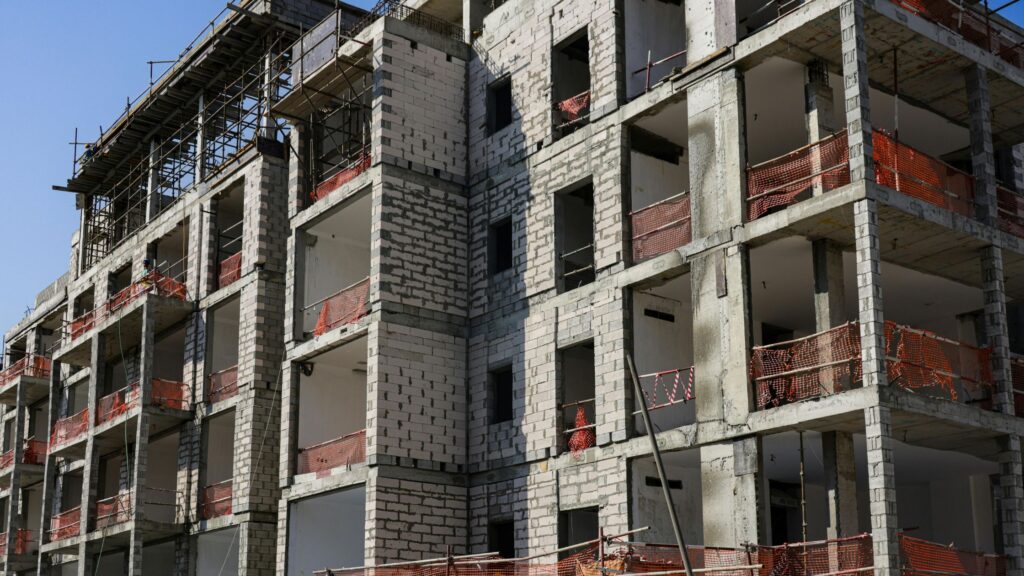
Building a new home in Ankeny represents a fresh start, modern design, and long-term investment. However, new construction does not automatically eliminate environmental concerns. Although modern building techniques improve efficiency, they can also seal homes more tightly, which limits natural airflow. As a result, certain gases that originate beneath the structure may accumulate indoors without […]
Radon Exposure and Breathing Problems

Radon is a colorless, odorless, and tasteless gas that can quietly affect your health without obvious warning signs. It forms naturally when uranium in soil, rock, and water breaks down. While radon originates underground, it often enters homes through foundation cracks, wall gaps, sump pumps, and floor joints. Because people cannot see or smell it, […]
Radon Exposure COPD Risk: How Indoor Radon Harms Lungs
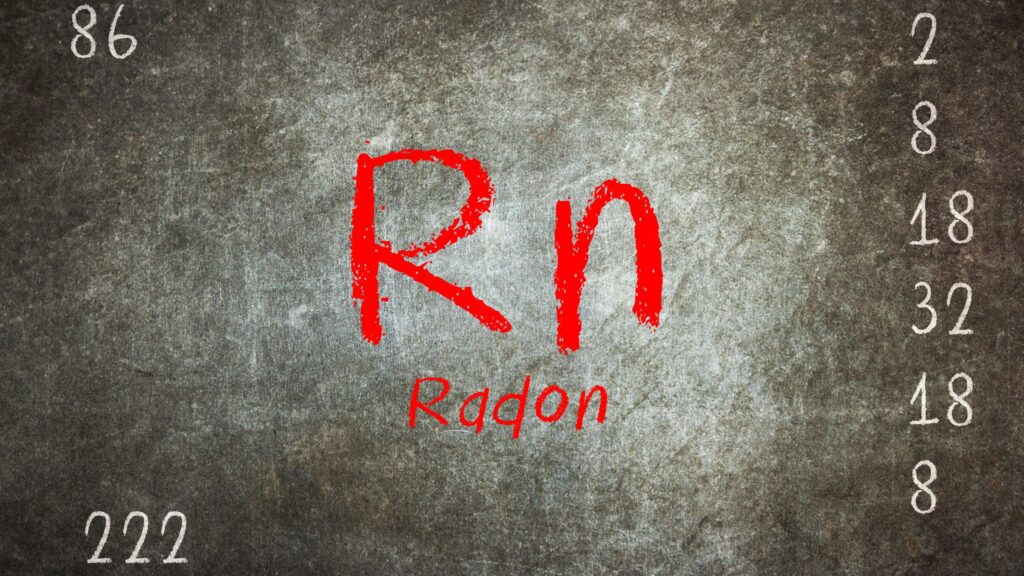
Radon exists silently in many indoor environments, yet its health impact often remains underestimated. While most discussions focus on cancer outcomes, growing attention now centers on radon exposure, COPD risk, and its effect on chronic respiratory health. In particular, researchers and health professionals increasingly examine how prolonged indoor radon exposure interacts with long-term lung conditions. […]
Ventilation Strategies for DIY Radon Control at Home
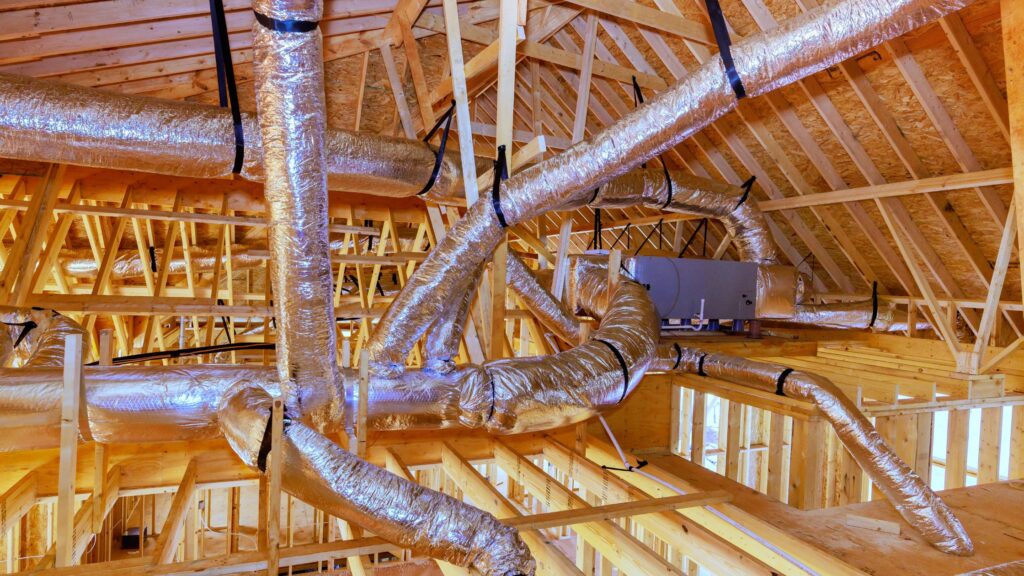
Radon is an invisible yet dangerous gas that can accumulate in homes and increase health risks if left unchecked. While professional mitigation systems are often the most effective solution, ventilation strategies for diy radon control can help lower radon levels when applied correctly. This article explains how ventilation works in reducing radon, provides practical DIY […]
Post-Renovation Radon Testing: Keep Your Home Safe
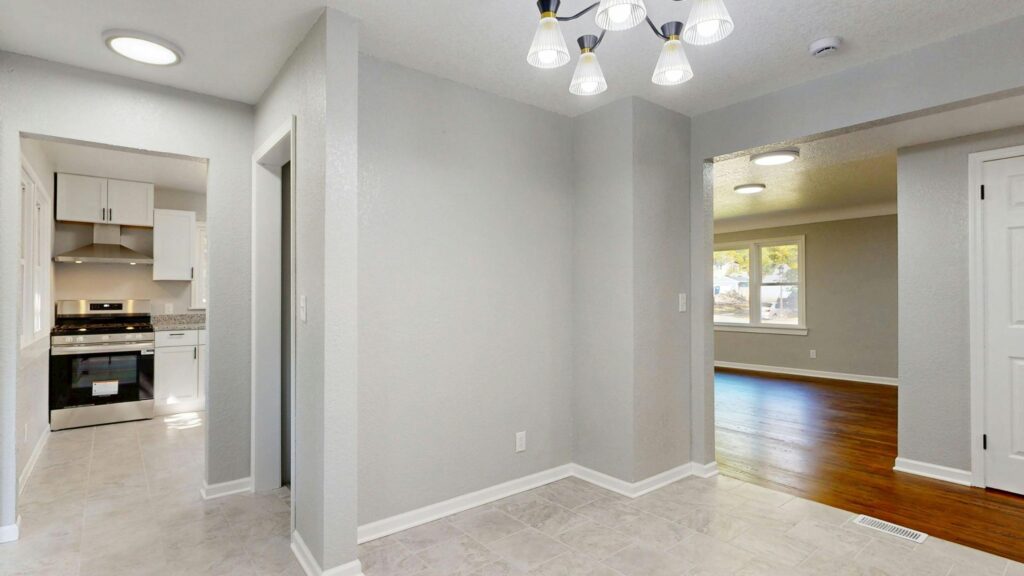
Home renovations can completely transform your living space, but they can also unknowingly affect the air quality in your home. One of the hidden dangers that can arise after remodeling is radon — a radioactive gas that enters your home from the soil beneath your foundation. Radon testing after home renovation is crucial to ensure […]
Homeowners’ Guide to Radon Exposure Symptoms and Risks

Homeowners are often concerned about radon exposure symptoms, as they seek clear signs that something may be wrong with their home environment. However, radon exposure symptoms are not always obvious, which means radon often goes unnoticed until its effects become more severe. Understanding how radon affects homeowners and recognizing early signs of exposure is essential […]
Radon Levels in Newly Built Homes: Risks & Fixes

Radon is a natural radioactive gas that comes from the ground as uranium in soil and rock breaks down. You can’t see it, smell it, or taste it, so it can build up in a house without anyone noticing. Even brand-new properties can have high radon levels in newly built homes because radon can slip […]