
Radon is an invisible, odorless gas that enters homes through foundation cracks, floor drains, and other openings. Because you cannot detect it without testing, homeowners need reliable methods to measure indoor radon levels. If you wonder, How Long Does a Radon Test Take, the answer depends on the testing method and your property’s requirements.
Generally, short-term tests take a few days, while long-term tests can continue for months. However, professional testing involves more than placing a device in a room. Understanding the process helps you plan your schedule and make informed decisions about indoor air safety. DSM Radon provides residential and commercial radon testing services across Des Moines, Iowa, and surrounding communities.
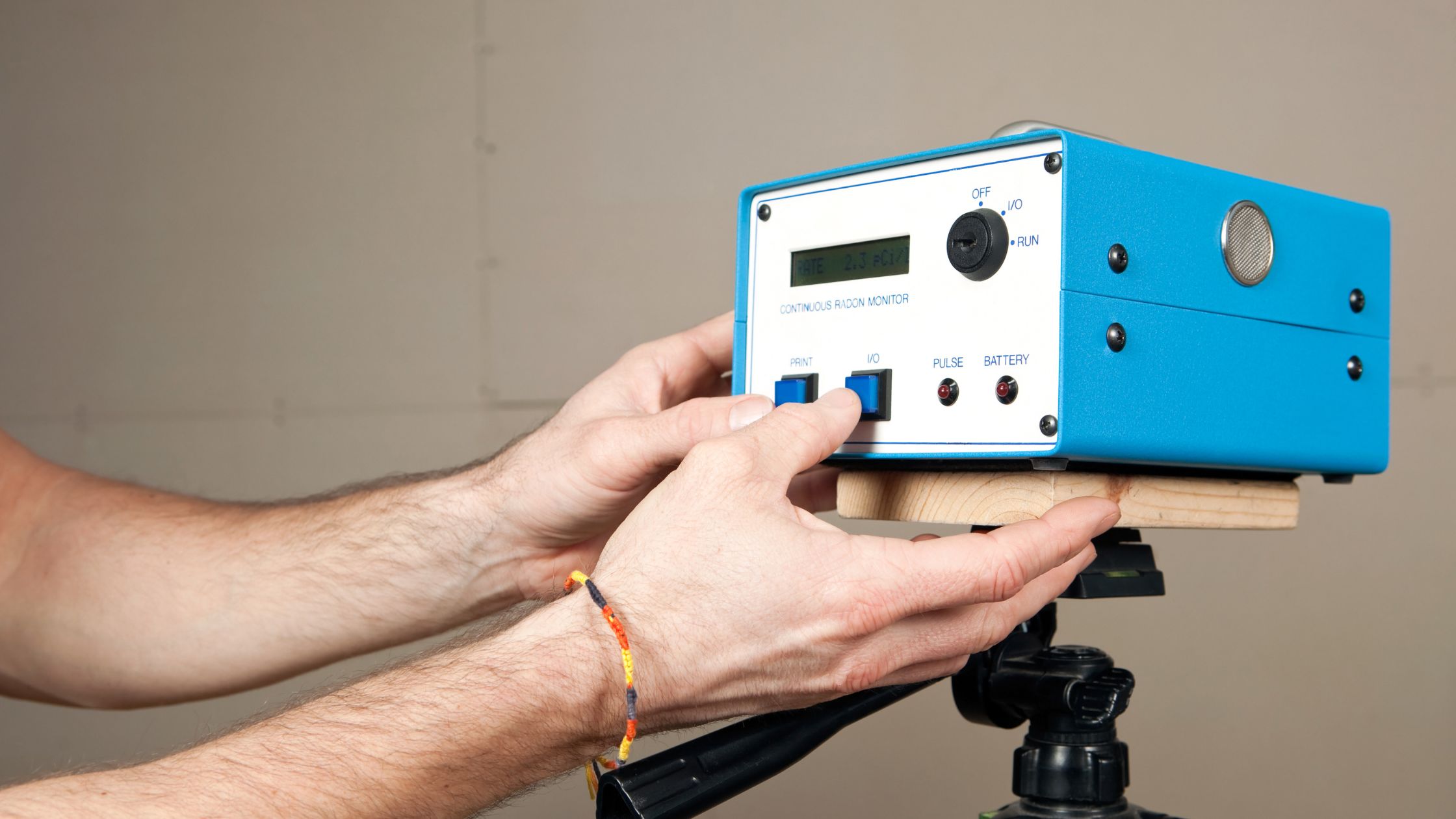
How Long Does a Radon Test Take?
The testing timeline depends primarily on the equipment, testing method, and purpose of the assessment. Most homeowners choose short-term testing when they need an initial measurement. Conversely, long-term testing helps determine average radon exposure over an extended period.
According to DSM Radon’s published guidance, short-term tests usually take a few days, although some methods can run longer. Long-term tests typically last 91 days to one year.
Here is a quick overview:
- Short-term testing: Usually a few days, depending on the device and testing protocol.
- Long-term testing: Generally 91 days to one year.
- Professional testing appointment: The technician’s visit may take considerably less time than the overall testing period.
- Result delivery: Timing depends on the testing equipment, analysis process, and service provider.
Therefore, homeowners should confirm the expected timeline with their testing professional before scheduling an appointment.
What Factors Affect Radon Testing Time?
Several factors influence the duration of a radon test. Understanding these variables helps you select an appropriate testing method.
- Type of Testing Method: Short-term tests provide quick readings, while long-term tests measure average radon exposure more accurately.
- Property Size and Layout: Property size and layout determine suitable radon testing locations and measurement requirements.
- Testing Conditions: Weather, ventilation, and air pressure affect radon readings, so follow testing instructions carefully.
- Testing Purpose: Real estate transactions, safety checks, and mitigation assessments influence testing methods and timelines.
Choosing the right testing method helps you obtain reliable radon readings. Consider property conditions, testing goals, and professional guidance to protect your indoor air quality and ensure your family’s long-term safety.
What Happens During a Professional Radon Inspection?
A professional radon inspection helps homeowners understand indoor radon levels and determine whether they need further action. Although the exact process varies, the assessment generally follows several steps.
1. Initial Property Assessment
First, the technician discusses your concerns and identifies the areas that require testing. The professional considers the property’s layout and selects suitable locations for the measuring equipment.
2. Testing Device Placement
Next, the technician places the testing device according to the applicable protocol. Proper placement helps the equipment collect representative measurements from the selected area, ensuring accurate and reliable results.
3. Radon Measurement
The device measures radon concentrations throughout the specified testing period. Depending on the method, the technician may retrieve the equipment after a few days or arrange a longer monitoring period.
4. Results and Recommendations
Finally, the professional reviews the measurements and explains the findings. If the results indicate elevated radon levels, the technician can discuss appropriate next steps, including additional testing or mitigation.
This process helps homeowners understand their property’s condition instead of relying on assumptions about indoor air quality.

Short-Term vs. Long-Term Radon Testing
Both testing methods provide useful information, but each serves a different purpose.
| Feature | Short-Term Testing | Long-Term Testing |
| Duration | Usually a few days | 91 days to one year |
| Main purpose | Initial assessment | Long-term exposure estimate |
| Speed | Faster results | Requires more time |
| Best use | Initial screening or time-sensitive situations | Understanding average radon levels over time |
Short-term testing works well when you need an initial measurement. However, radon levels can change from day to day and across seasons. Long-term testing captures these variations more effectively, although it requires greater patience.
The right choice depends on your circumstances. For example, homebuyers may need timely results, while homeowners seeking a clearer picture of average exposure may prefer longer monitoring.
How to Prepare for a Radon Test
Preparing your home properly helps ensure accurate radon measurements. Before testing, follow the technician’s instructions regarding windows, doors, ventilation, and normal household activities. Additionally, avoid moving or disturbing testing equipment during the monitoring period. Proper preparation helps reduce testing errors and provides more reliable results.
Additionally, inform your technician about recent renovations, ventilation changes, or existing radon mitigation systems. These details help them choose suitable testing locations and methods, improving measurement accuracy and supporting reliable results.
When Should You Schedule a Radon Test?
You do not need to wait for visible warning signs before testing because radon has no detectable smell or color. Instead, consider testing your property in these situations:
- You have never tested your home for radon.
- You plan to buy or sell a property.
- You recently renovated a basement or changed how you use a lower-level room.
- You completed work intended to reduce radon levels.
- You want to check whether an existing mitigation system continues to work effectively.
Furthermore, consider periodic testing even when previous results appeared acceptable. Radon concentrations can change as building conditions and environmental factors change.
What Happens If Your Radon Test Shows High Levels?
A high reading does not mean you should panic. Instead, review the results with a qualified professional and determine whether a follow-up test or mitigation system makes sense.
The U.S. Environmental Protection Agency recommends taking action to reduce radon when indoor levels reach or exceed 4 picocuries per liter (pCi/L). It also advises homeowners to consider reducing levels between 2 and 4 pCi/L.
A professional can evaluate the readings and recommend a suitable mitigation approach. After installation, follow-up testing helps confirm whether the system has reduced indoor radon concentrations effectively.

Conclusion
Radon testing helps homeowners identify invisible risks and make informed decisions about indoor air quality. Although short-term tests often take a few days, long-term monitoring can require several months. DSM Radon provides professional testing and mitigation services to help property owners understand their results and explore appropriate solutions. Visit DSM Radon to learn more or schedule a professional assessment.
FAQs
1. How long does a radon test take in a typical home?
A short-term test usually takes a few days, while long-term testing generally lasts 91 days to one year, depending on the testing method selected.
2. Can I stay home during radon testing?
Yes, in most cases. However, follow the technician’s instructions about windows, doors, ventilation, and other testing conditions.
3. When will I receive my radon test results?
The turnaround time depends on the testing method and equipment. Ask your provider when you can expect the final report.
4. Should I retest after installing a radon mitigation system?
Yes. Follow-up testing helps confirm that the system effectively reduces radon levels and continues to protect your indoor environment.