
Radon is a naturally occurring radioactive gas that affects indoor air quality without visible warning. It enters buildings from surrounding soil and accumulates in enclosed spaces. However, many homeowners misunderstand its behavior. Understanding its movement helps property owners recognize risks and take precautions.
So, Is Radon Heavier Than Air? Yes. Radon is approximately 7.5 times denser than ordinary air. Nevertheless, air circulation, temperature differences, and pressure changes influence its movement. Therefore, density alone does not determine where radon accumulates.
This guide explains radon’s properties, entry pathways, health risks, and how professional testing and mitigation help maintain safer indoor environments.

Is Radon Heavier Than Air? Understanding Its Density
Radon is a colorless, odorless radioactive gas with significantly greater density than ordinary air. However, ventilation and pressure differences distribute it throughout buildings, including upper floors and living spaces.
- Radon forms naturally through radioactive uranium decay.
- It has no detectable color, smell, or taste.
- Its atomic mass is approximately 222 atomic mass units.
- Radon has greater density than ordinary atmospheric air.
- Indoor air circulation distributes radon throughout different rooms.
- Foundation pressure differences can draw radon into buildings.
Understanding radon’s density and movement helps homeowners recognize potential indoor exposure. Since this invisible gas can spread throughout buildings, professional testing and mitigation remain essential for protecting occupants.
Why Does Radon Accumulate Inside Homes?
Radon forms naturally when radioactive elements, such as uranium, break down in soil and rocks. Therefore, properties built over uranium-containing geological formations may experience greater radon exposure.
Once radon enters a building, several conditions can influence its concentration.
1. Foundation Cracks and Openings
Radon enters homes through foundation cracks, wall joints, construction gaps, utility openings, sump pits, and crawl spaces, potentially increasing indoor concentrations even in well-maintained properties.
2. Indoor Air Pressure Differences
Lower indoor air pressure can draw radon through foundation openings, while exhaust fans, heating equipment, and ventilation systems may further influence its continuous entry into residential and commercial buildings.
3. Limited Ventilation
Poor ventilation can increase indoor radon concentrations. However, ordinary airflow cannot reliably solve elevated levels; property owners should identify entry sources and install suitable mitigation systems.
4. Soil and Geological Factors
Uranium-rich soil and underlying rock formations can release radon naturally, increasing the potential for elevated indoor concentrations in nearby buildings, especially those with poor foundation sealing.
Understanding these factors helps homeowners identify radon entry pathways, recognize indoor exposure risks, and choose professional testing and mitigation solutions to protect occupants.
Is Radon Heavier or Lighter Than Air in Different Indoor Environments?
Radon is heavier than air, but its behavior varies across different indoor environments. Its concentration depends on building design, ventilation, pressure conditions, and the amount of radon entering from the ground.
For example, basements often experience higher concentrations because they remain closer to the soil. However, radon does not remain exclusively in underground spaces.
In homes with forced-air heating and cooling systems, circulating air can distribute radon throughout the building. Similarly, open staircases, connecting hallways, and natural air movement can influence its distribution.
Therefore, homeowners should never assume that upper floors remain completely free from radon simply because the gas has a higher density.
Why Is Radon Exposure a Serious Health Concern?
Radon presents a significant health concern because prolonged exposure can increase the risk of lung cancer. When people inhale radon, the gas produces radioactive decay products that can release radiation inside the lungs.
Over time, this radiation can damage lung tissue and increase cancer risk.
Moreover, radon exposure does not produce immediate warning symptoms. People cannot identify dangerous concentrations through smell, taste, or ordinary observation.
The National Cancer Institute identifies radon as an important environmental cause of lung cancer. Additionally, exposure combined with cigarette smoking creates a substantially greater risk.
For this reason, regular testing plays an essential role in protecting families, employees, and other building occupants.
How Can You Detect Radon Inside Your Property?
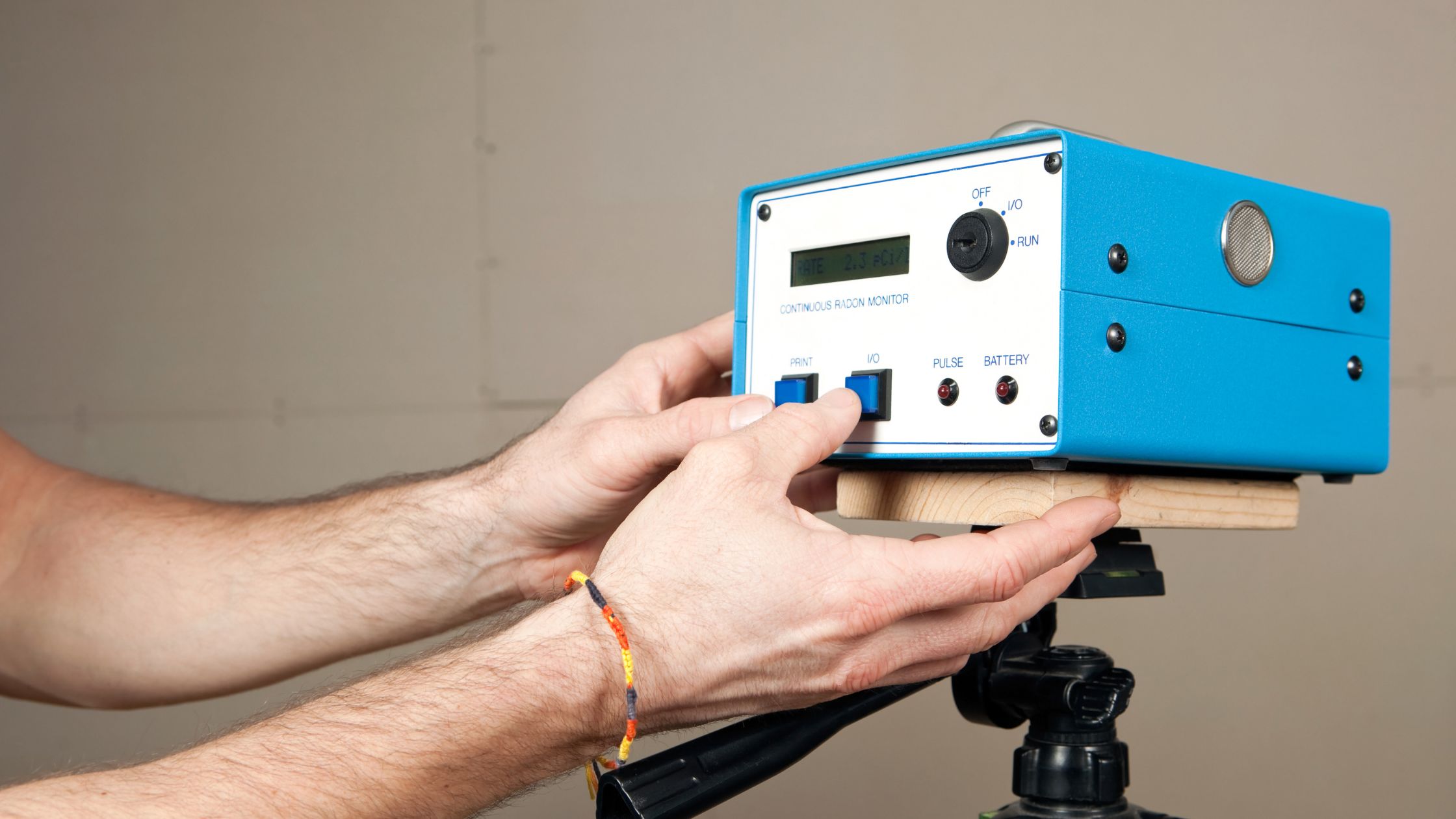
Since radon remains invisible and odorless, testing provides the only reliable way to determine its concentration.
Property owners can use approved testing devices or arrange professional testing services. However, the testing method and duration should suit the property’s requirements.
Consider these important steps:
- Select Appropriate Testing Locations: Test the lowest regularly occupied levels of your property, following applicable testing guidelines.
- Use Reliable Testing Equipment: Choose suitable radon detectors or professional monitoring equipment.
- Follow Testing Instructions: Maintain the required testing conditions to obtain dependable measurements.
- Review the Results: Compare the readings with recognized health guidelines and recommended action levels.
- Arrange Additional Testing: Consider follow-up measurements when results indicate elevated concentrations or when building conditions change.
In the United States, the Environmental Protection Agency recommends taking action when indoor radon levels reach or exceed 4 picocuries per liter (pCi/L). Homeowners should also consider reducing levels between 2 and 4 pCi/L.
Effective Ways to Reduce Radon Levels
Once testing identifies elevated radon concentrations, property owners should consider professional mitigation.
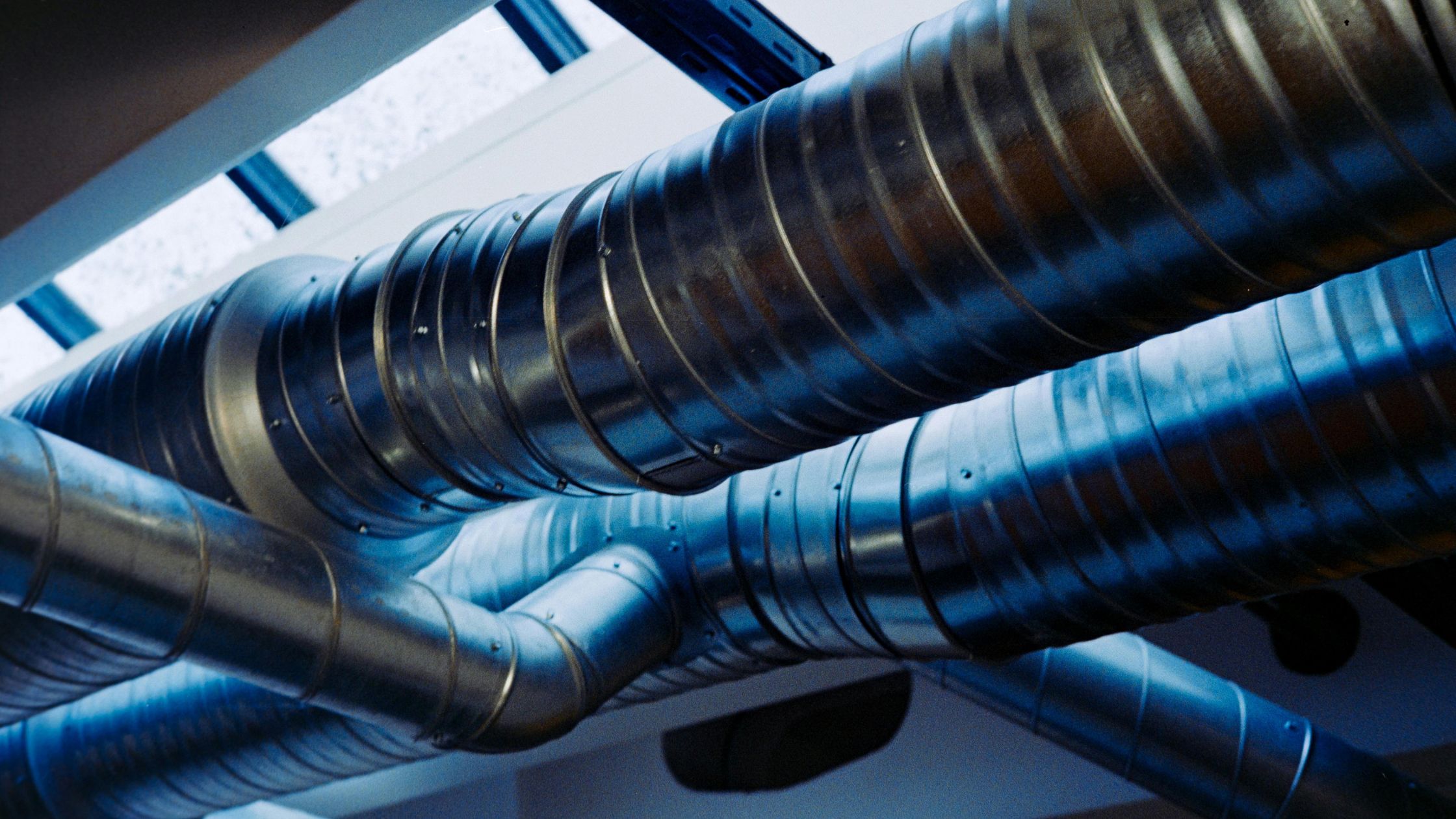
Active soil depressurization represents one of the most common approaches. This system uses specialized piping and a fan to draw radon from beneath the building and discharge it safely above the roofline.
Other solutions may include:
- Sealing suitable foundation cracks and openings.
- Installing appropriate crawl-space mitigation systems.
- Improving building ventilation when professionals recommend it.
- Treating radon-contaminated private well water.
- Conducting post-installation testing to evaluate system performance.
Importantly, sealing cracks alone rarely provides a dependable long-term solution. Therefore, professionals should evaluate the property’s structure and select an appropriate mitigation strategy.
Why Choose Professional Radon Testing and Mitigation?
Professional assistance helps property owners understand their radon exposure and select suitable reduction methods. Experienced specialists evaluate building conditions, identify potential entry points, and recommend appropriate solutions.
Additionally, professional testing helps establish reliable baseline measurements before mitigation. After installation, follow-up testing confirms whether the system has reduced radon concentrations effectively.
When choosing a service provider, consider technical qualifications, experience, transparent estimates, and the availability of both testing and mitigation services.
Conclusion
Understanding Is Radon Heavier Than Air helps homeowners recognize how this invisible gas behaves inside residential and commercial buildings. Although radon has a much greater density than ordinary air, ventilation, pressure differences, and air circulation can distribute it throughout an entire property. Therefore, testing remains essential for identifying exposure and determining the right corrective measures.
For dependable radon testing and mitigation, DSM Radon provides residential and commercial services throughout Des Moines and surrounding Iowa communities. Its services include radon testing, customized mitigation solutions, and waterborne radon treatment. Contact DSM Radon to request a free radon mitigation estimate and take an informed step toward a safer indoor environment.
FAQs
1. Is radon heavier than normal air?
Yes. Radon is approximately 7.5 times heavier than ordinary air under comparable temperature and pressure conditions. However, air circulation can distribute it throughout a building.
2. Does radon always settle near the floor?
No. Although radon has a greater density, ventilation systems, pressure differences, and natural air movement can carry it into different areas, including upper floors.
3. Can radon enter a home without foundation cracks?
Yes. Radon can enter through construction joints, floor drains, sump pits, utility openings, crawl spaces, and other small gaps in a building’s foundation.
4. How can homeowners reduce indoor radon levels?
Homeowners should arrange reliable radon testing and consult qualified mitigation professionals. Depending on the property’s structure, specialists may recommend active soil depressurization, suitable sealing, or other targeted solutions.