
A radon mitigation system making noise is one of the most common calls we get from Des Moines homeowners — and the good news is that most of those sounds are either completely normal or inexpensive to fix. The trick is knowing which is which. A soft, steady hum means your system is doing its job; a new rattle, whine, or loud gurgle is your system asking for attention before a small issue becomes a dead fan and rising radon levels.
Here is a sound-by-sound breakdown of what your system is telling you, what you can safely check yourself, and when it is time to bring in a professional.
First: What a Healthy Radon System Sounds Like
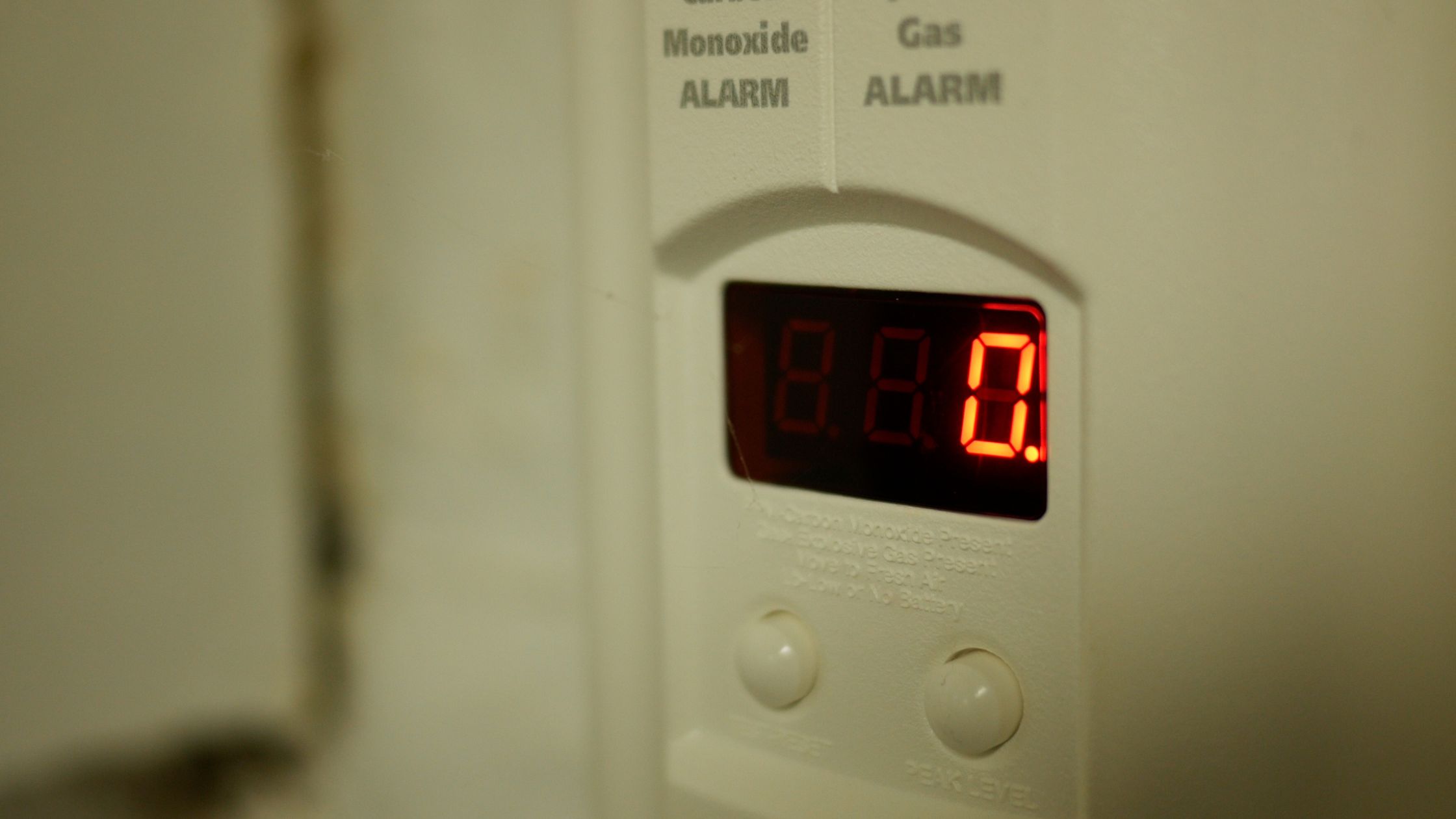
A properly installed system runs a fan 24 hours a day, and it is never perfectly silent. Standing next to the fan unit — usually in the attic, garage, or outside on the vent pipe — you should hear a soft, consistent hum comparable to a bathroom exhaust fan behind a closed door. Inside living spaces, a well-mounted system is barely noticeable. You may also hear faint airflow at the pipe and, after heavy rain, a brief trickle of water draining through the pipe. All of that is normal operation.
What is not normal is change. Any new sound, or a familiar sound that has grown louder, is worth investigating — radon fans typically last 5 to 10 years, and they almost always announce their decline before they quit.
Loud Humming or Vibration: Mounting and Motor Issues
A hum that has grown into a drone, or a vibration you can feel through walls or floors, usually has one of two causes. Either the rubber couplings that isolate the fan from the piping have hardened and started transmitting vibration into the house framing, or the fan motor bearings are beginning to wear. Rubber couplings are a cheap fix; worn bearings are a countdown clock. If the hum deepens over weeks or months, plan for a fan replacement rather than waiting for a silent system and a radon spike.
Gurgling or Sloshing Water Sounds
A gurgling radon pipe — especially after storms — means condensation or rainwater is pooling somewhere in the pipe run instead of draining freely back beneath the slab. Small amounts are routine, but persistent sloshing means a sagging horizontal pipe section, an improper slope, or a partially blocked drainage path is trapping water where rushing air must pass through it. Left alone, standing water restricts airflow and forces the fan to work harder. We covered this in detail in our post on radon systems gurgling after rain.
Rattling: Something Has Come Loose
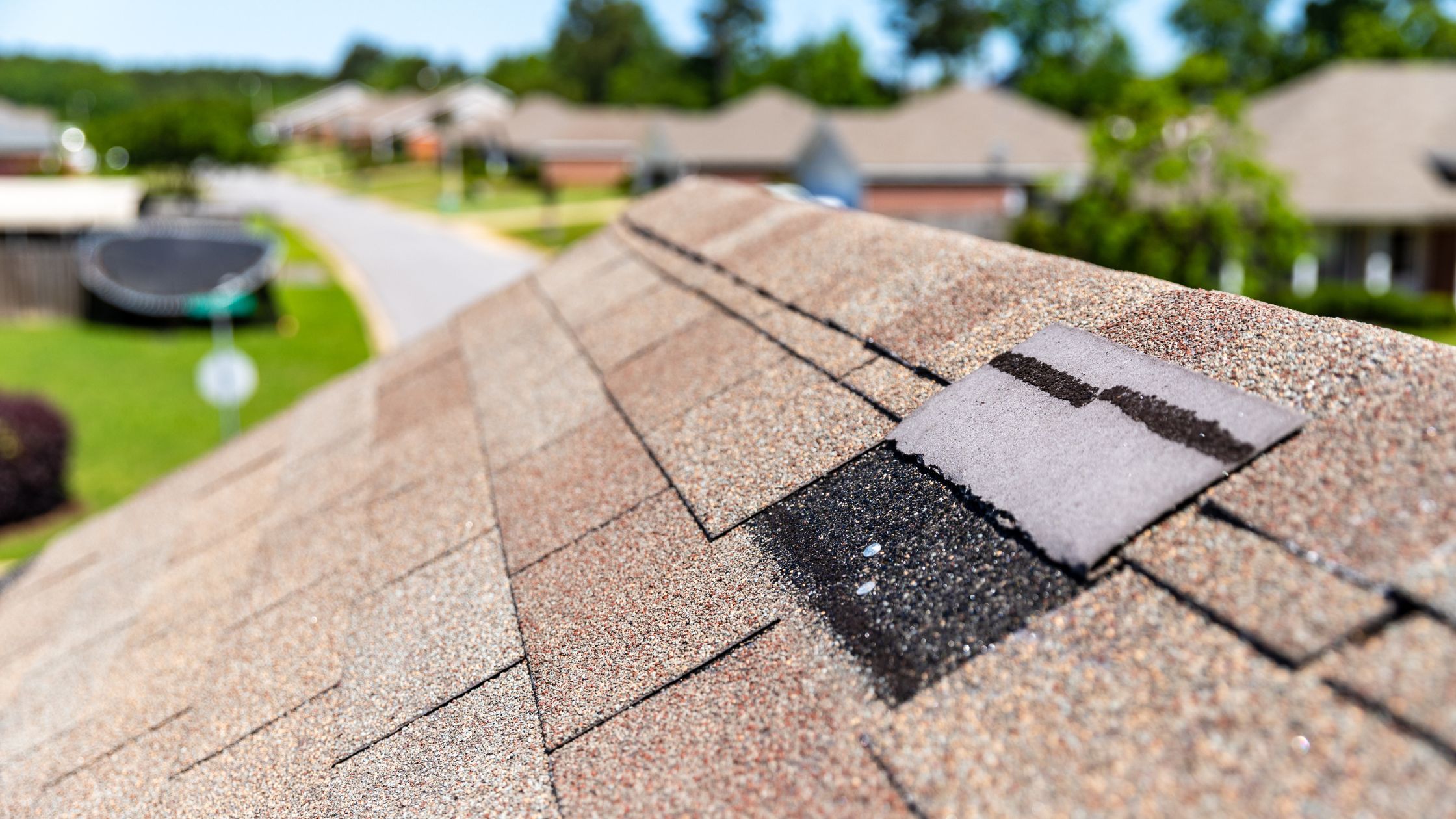
Rattles are almost always mechanical and almost always minor: a loose pipe strap, a mounting bracket that has backed out a screw, or debris that found its way into an exterior fan housing. Trace the sound to its loudest point. If it is a strap or bracket, tightening it is a safe homeowner fix. If the rattle comes from inside the fan housing itself, do not open the unit — radon fans are sealed for a reason, and opening one voids most warranties. That rattle is typically a failing impeller or bearing, which means the fan needs professional service.
Whistling or Sucking Sounds: Air Leaks
A whistle near the floor is the sound of air being pulled through a gap it should not be passing through — most often at the slab seal around the suction point, along a settled caulk joint, or at a cracked pipe fitting. Air leaks do double damage: they make noise and they steal suction from beneath the slab, which is where your system actually fights radon. Resealing with polyurethane caulk restores both quiet and performance. If you notice your manometer reading has changed alongside a new whistle, an air leak is the prime suspect.
High-Pitched Whine: A Fan Near the End
Of all radon fan noise, a rising high-pitched whine is the clearest warning. It is the sound of motor bearings in their final stage of wear, and it rarely reverses. Most fans that whine fail within weeks to months. Replacing the fan proactively costs far less than an emergency call, avoids the gap in protection while a dead fan waits for service, and lets you schedule the work at your convenience. Our breakdown of radon fan replacement cost covers what to expect.
Quick Reference: Sounds and What They Mean
- Soft steady hum — normal operation, no action needed
- Louder hum or vibration — check couplings and mounts; aging motor possible
- Gurgling after rain — water pooling in the pipe; check slope and drainage
- Rattling — tighten straps and brackets; internal rattle means fan service
- Whistling near the slab — air leak; reseal caulk joints
- High-pitched whine — bearings failing; plan fan replacement now
- Sudden silence — fan has died; radon is no longer being vented
The Sound You Should Worry About Most Is Silence
It seems backwards, but a radon system that suddenly goes quiet is the most urgent scenario on this list. No hum means no fan, and no fan means radon is accumulating in your home again — often within days. Check your manometer: if the fluid levels have equalized, the system is down. Silence deserves a same-week service call, not a spot on the to-do list.
When to Call a Professional
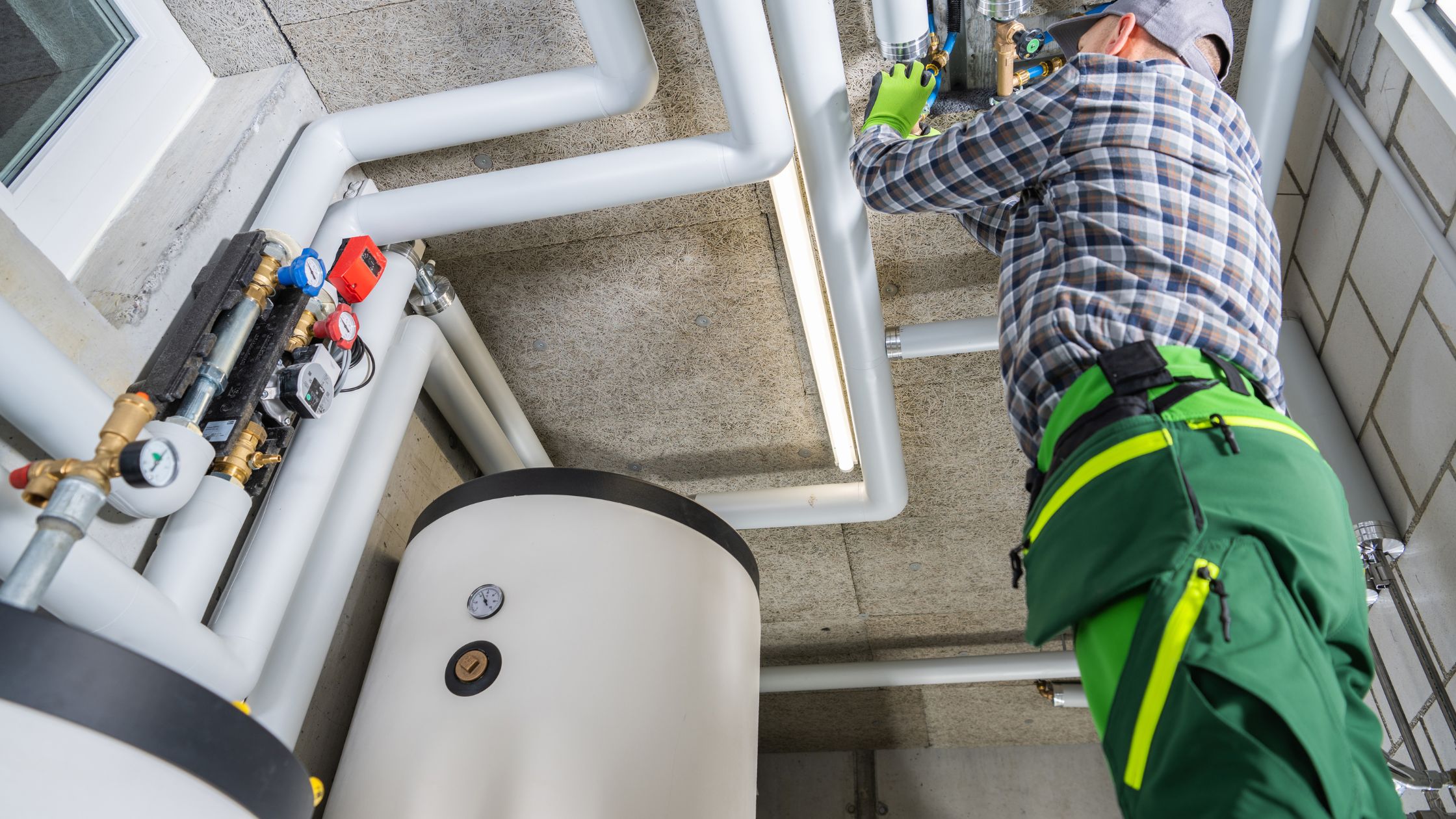
Handle the simple stuff yourself: tightening a pipe strap, resealing an obvious caulk gap, clearing leaves from an exterior fan guard. Call a licensed mitigation professional for anything involving the fan itself, persistent water sounds, a changed manometer reading, or any noise you cannot confidently trace. A service visit is inexpensive compared to running a failing system — or worse, unknowingly running no system at all.
Radon System Noise: Quick Answers
Why is my radon fan suddenly louder than it used to be?
Gradual loudness almost always means bearing wear or hardened vibration couplings, while sudden loudness after a storm often means water or debris in the fan housing. Either way, a fan that has changed its voice is telling you something mechanical has changed too — have it inspected rather than waiting to see whether it settles down.
Can I turn my radon fan off at night because of the noise?
No — the fan must run continuously to keep radon out. Within hours of shutting it off, soil gas begins re-entering the home, and levels can climb back toward pre-mitigation readings within days. If noise is bothering your sleep, the fix is repairing or upgrading the system, not switching off your protection. Modern fans mounted with fresh rubber couplings are quiet enough that most homeowners forget they exist.
How long do radon fans usually last?
Most quality radon fans run 5 to 10 years of continuous duty, with many reaching the upper end when they are protected from weather and debris. Noise is the most reliable early indicator of decline — which is why it pays to take a new whine or rattle seriously instead of tuning it out.
Is it normal to hear water trickling in the radon pipe?
A brief trickle after rain is normal condensation and groundwater draining through the system. Continuous sloshing or gurgling that lasts for hours is not — it means water is pooling in a low spot of the pipe and needs a slope correction before it strangles your airflow.
Hearing Something Strange From Your Radon System?
DSM Radon services, repairs, and replaces mitigation systems across the Des Moines metro — including systems we did not install. We will diagnose the noise, fix the cause, and verify with a post-service radon test that your home is protected. Call (515) 210-4407 or request a free quote, and sleep better with a system you can barely hear.