
Radon is a naturally occurring radioactive gas released when uranium breaks down in soil, rocks, and groundwater. Although outdoor air disperses it, enclosed buildings can trap it. Since radon has no colour, smell, or taste, occupants cannot detect it without proper testing.
Long-term exposure to elevated radon levels increases lung cancer risk. Therefore, homeowners and businesses should prioritize indoor air quality. Radon Remediation helps reduce this invisible hazard and create healthier indoor environments for families, employees, and visitors.
Moreover, professional intervention identifies contamination sources and suitable reduction methods. Consequently, early testing and corrective action protect occupants from unnecessary exposure.
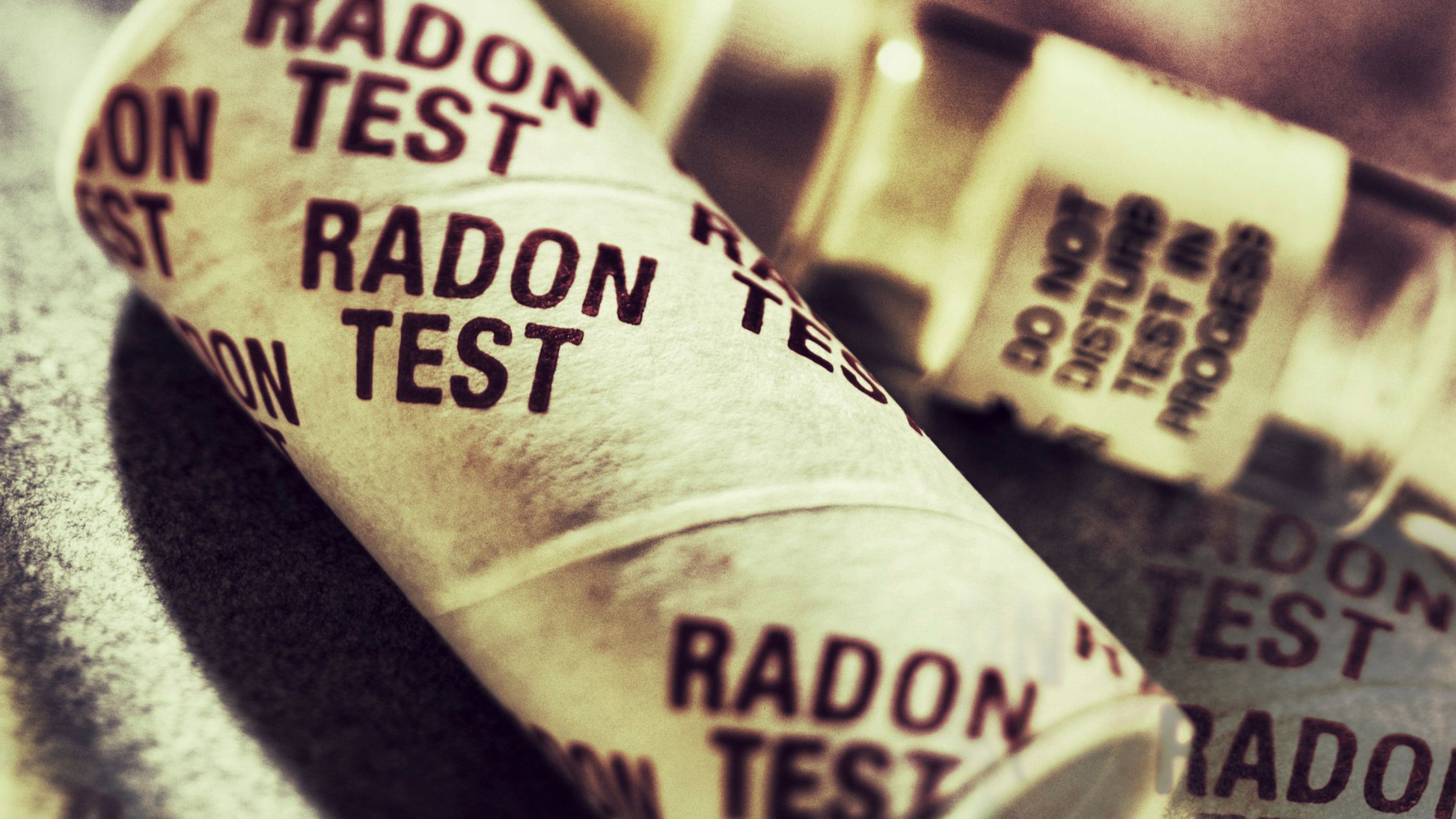
How Does Radon Enter Residential and Commercial Buildings?
Radon generally enters buildings through openings that connect indoor spaces with the surrounding soil. Differences in air pressure between the ground and the building can draw radon through small gaps.
Common entry points include:
- Foundation Cracks: Small openings in concrete floors and foundation walls let radon from underground enter.
- Construction Joints: Gaps between concrete slabs and foundation walls create potential entry pathways.
- Pipe Openings: Unsealed spaces around plumbing and utility connections provide additional routes.
- Crawl Spaces: Exposed soil beneath buildings can release radon directly into enclosed spaces.
- Floor Drains: Certain drainage systems and sump openings allow soil gases to enter indoor environments.
Additionally, building design, soil conditions, and ventilation patterns influence indoor radon concentrations. Therefore, property owners should arrange professional testing instead of assuming that newer buildings or well-maintained properties remain unaffected.
Why Is Professional Radon Remediation Necessary?
Radon exposure presents a long-term health concern because occupants can breathe contaminated air without noticing any immediate symptoms. The Environmental Protection Agency (EPA) recommends taking action when indoor radon concentrations reach or exceed 4.0 picocuries per liter.
However, lower concentrations do not guarantee zero risk. Therefore, property owners should consider their test results carefully and discuss suitable solutions with qualified professionals.
Professional Radon Remediation addresses the underlying gas-entry problem rather than relying on temporary ventilation changes. Specialists evaluate the building, identify potential entry pathways, and recommend suitable mitigation equipment.
Professional installation also helps maintain consistent system performance. Homeowners also receive guidance about follow-up testing and system operation. As a result, they can make informed decisions about indoor air quality and long-term property protection.
Effective Methods for Reducing Indoor Radon Levels
Different buildings require different mitigation approaches. Therefore, specialists consider foundation construction, soil conditions, crawl spaces, and existing ventilation arrangements before recommending equipment.
The following methods offer practical solutions for managing elevated radon concentrations.
1. Active Soil Depressurization
Active soil depressurization uses a specialized pipe and fan to create negative pressure beneath the foundation, preventing radon entry and safely venting extracted gas outdoors to improve indoor air quality.
2. Foundation Crack Sealing
Specialists seal foundation cracks, floor gaps, drains, and utility openings to limit radon entry. However, combining sealing with depressurization improves overall mitigation effectiveness and supports healthier indoor air quality.
3. Crawl Space Mitigation
Crawl space mitigation uses durable ground membranes, vent pipes, and fans to capture radon beneath buildings and safely direct it outdoors, reducing indoor contamination risks and improving overall air quality.
4. Active Radon Remediation Systems
Active Radon Remediation uses suction points, durable pipes, and mechanical fans to control underground gas movement, prevent indoor accumulation, and maintain effective airflow through professional installation.
Therefore, choosing the right mitigation method ensures effective radon reduction, improves indoor air quality, and provides long-term protection for residential and commercial properties.
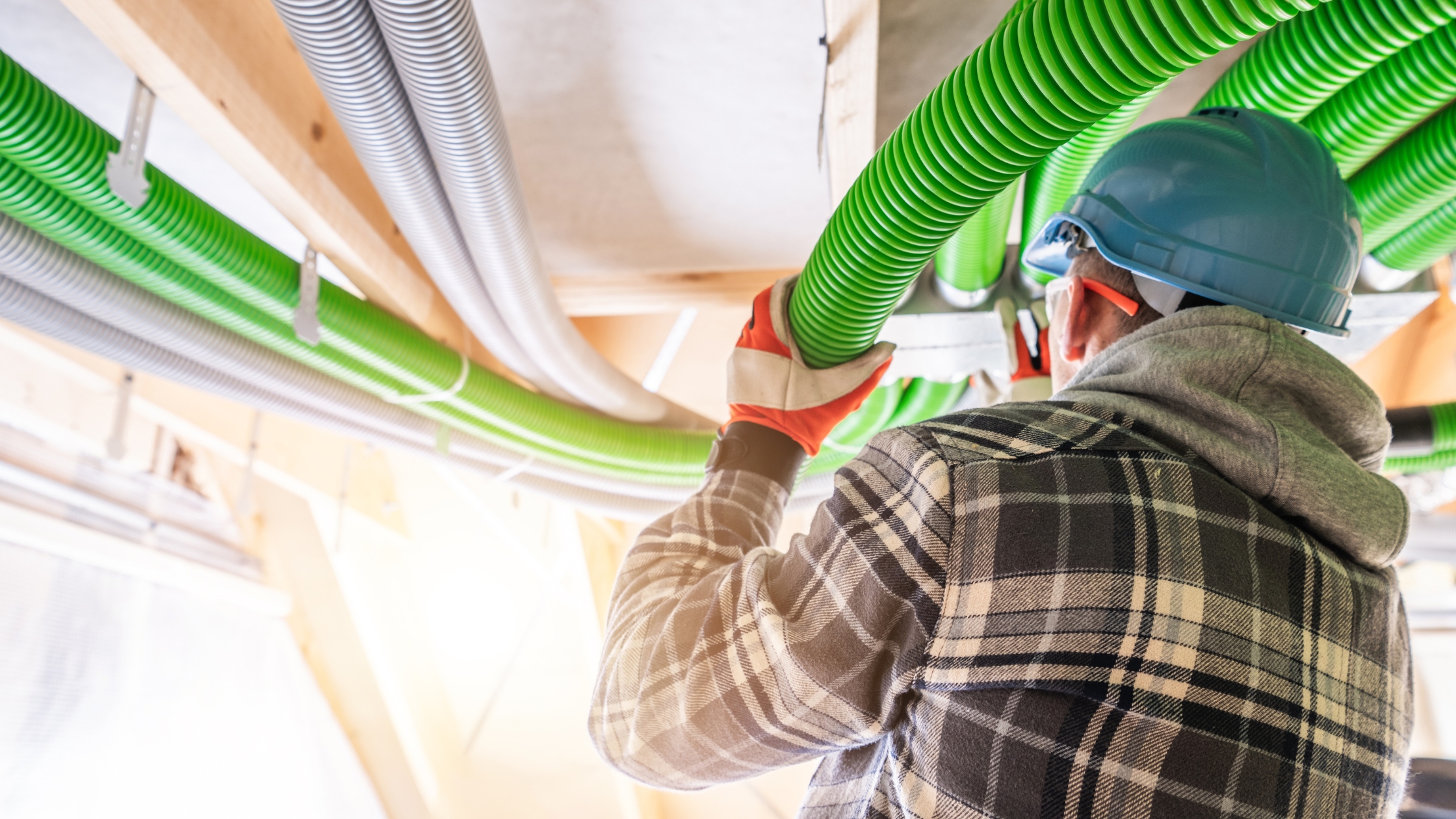
How Does the Professional Mitigation Process Work?
A structured approach helps specialists identify radon problems and implement suitable corrective measures. Although individual projects differ, most professional installations follow several important stages.
- Initial Radon Testing: Professionals measure indoor radon levels to identify contamination and determine mitigation needs.
- Property Assessment: Specialists inspect foundations, crawl spaces, ventilation, and potential radon entry points.
- System Selection: Technicians recommend suitable mitigation equipment based on building structure and conditions.
- Professional Installation: Technicians install pipes, fans, suction points, and essential supporting system components.
- Follow-Up Testing: Professionals conduct post-installation testing to verify radon reduction and monitor performance.
This systematic process ensures effective radon control, reliable results, and healthier indoor environments through professional monitoring.
Benefits of Investing in Professional Radon Solutions
Taking action against elevated radon levels offers several important advantages for residential and commercial property owners.
- Effective mitigation reduces radon levels and improves indoor air quality.
- Lower radon exposure reduces long-term health risks for occupants.
- Documented radon results support property transaction decisions.
- Properly installed systems continuously control radon entry into buildings.
- Businesses can protect employees, customers, students, and visitors from exposure.
Furthermore, regular testing helps property owners identify potential changes before they become significant concerns. Therefore, mitigation should form part of a broader indoor air quality management plan.
Choosing the Right Radon Mitigation Company
Selecting an experienced service provider plays an important role in achieving reliable results. Before hiring a contractor, consider their technical knowledge, service experience, testing capabilities, and communication practices.
Look for professionals who assess each property individually rather than recommending identical systems for every building. Additionally, request a clear estimate that explains the proposed installation, equipment, and expected work.
You should also ask about post-installation testing, system maintenance, and warranty coverage. These details help you understand what the service includes and how the contractor supports long-term performance.
For residential and commercial properties, choose a provider that understands different foundation types and building requirements. This approach helps ensure that the selected solution addresses the actual radon problem.
Conclusion
Protecting indoor environments requires more than improving ventilation or sealing visible foundation cracks. Property owners need accurate testing, suitable equipment, professional installation, and follow-up measurements to manage elevated radon concentrations effectively.
A properly designed Radon Remediation strategy helps reduce exposure and supports healthier residential and commercial spaces. Therefore, homeowners and businesses should address elevated readings promptly instead of overlooking this invisible threat.
For professional radon testing and mitigation services across Des Moines and surrounding Iowa communities, contact DSM Radon. The company provides residential and commercial solutions, waterborne radon treatment, and air purification services. Visit DSM Radon to request a free mitigation estimate and discuss your property’s requirements.
FAQs
1. What is radon remediation?
Radon remediation involves identifying and reducing elevated radon concentrations inside buildings. Professionals use specialized ventilation, depressurization, and sealing techniques to prevent underground radon from accumulating indoors.
2. When should homeowners consider radon mitigation?
The EPA recommends taking action when indoor radon concentrations reach or exceed 4.0 pCi/L. However, homeowners can also consider mitigation when readings fall between 2.0 and 4.0 pCi/L.
3. How does an active radon remediation system work?
An active system uses a mechanical fan, suction points, and vent pipes to draw radon from beneath a building. It then releases the extracted gas outdoors, reducing the amount entering occupied spaces.
4. Should homeowners test radon levels after mitigation?
Yes. Homeowners should arrange follow-up testing after installation to verify that the system works effectively. They should also consider testing every two years and after major renovations.