
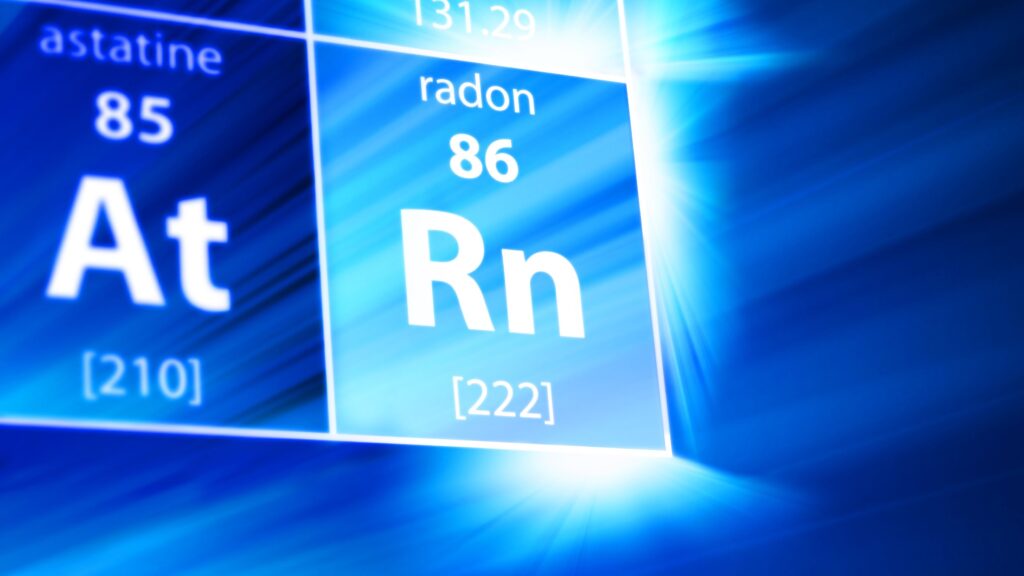
Radon is a naturally occurring radioactive gas that is odorless and colorless, making it difficult to detect without testing. It typically enters homes through cracks in foundations, but did you know that radon can also enter your home through the water supply? Radon in water can be a silent danger, potentially exposing you and your family to health risks. In fact, radon exposure is one of the leading causes of lung cancer, making it critical to address radon in both air and water. This article delves into how radon water mitigation works, why it is important, and how it can safeguard your household.
Understanding Radon and Its Waterborne Risks
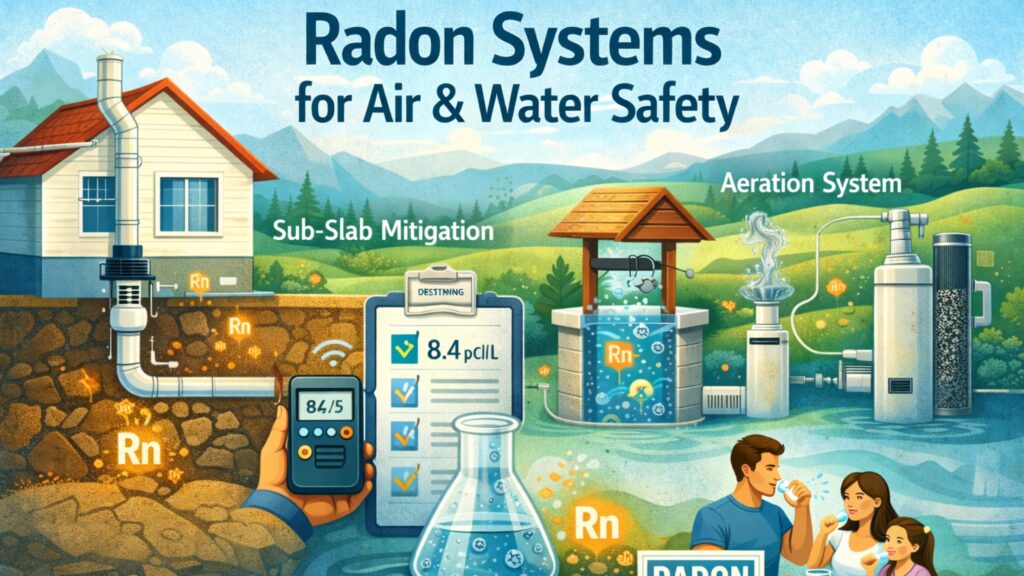
Radon forms naturally from the decay of uranium in soil and rock. While it’s most commonly known as an airborne pollutant, it can also enter homes through water sources, particularly well water. Once in water, radon can easily be released into the air during activities like showering, washing dishes, or doing laundry. As radon is invisible and undetectable without testing, it poses a hidden danger for homeowners.
Long-term exposure to high levels of radon in water increases the risk of lung cancer, making radon water mitigation essential for households with private wells. According to the EPA, radon levels above 4 pCi/L in water require mitigation to prevent long-term exposure.
What Is Radon Water Mitigation?
Radon water mitigation reduces radon levels in drinking water, preventing it from entering the home’s air supply and ensuring continuous protection with minimal disruption.
1. Source-Based Reduction
Radon is extracted directly from the water supply before it can enter the living areas of your home, ensuring safe water quality. This prevents radon from becoming airborne during everyday activities like showering or cooking.
2. Continuous Operation
Once installed, the system operates around the clock, ensuring that your home remains protected without requiring daily attention, offering continuous peace of mind and eliminating the need for frequent manual monitoring or intervention.
3. Proven Effectiveness
Radon water mitigation is one of the most reliable methods for reducing radon exposure through water, and it is widely recommended by experts for its proven effectiveness and long-term safety benefits.
4. Low Daily Disruption
The installation of the system generally causes little to no disruption in daily life, and it operates quietly and efficiently once in place, ensuring minimal interference with household routines, comfort, and safety.
In conclusion, radon water mitigation provides a reliable and effective solution for reducing radon exposure in your home, ensuring both long-term safety and peace of mind with minimal disruption to daily life.
How Radon Water Mitigation Works
To help homeowners understand the effectiveness of a radon water mitigation system, it’s important to break down the process into clear steps. Here’s how these systems work:
- Water Testing and Assessment: Test water for radon to determine levels and select a mitigation system.
- Aeration Systems: Agitate water to release radon, which is efficiently and safely vented outdoors.
- Granular Activated Carbon (GAC) Filters: Use carbon filters to trap radon from water before entry.
- Ventilation of Radon Gas: Directly release radon through a vent pipe to safely disperse outdoors.
- System Maintenance and Sealing: Seal plumbing entry points to improve efficiency and prevent re-entry of radon.
Ultimately, understanding the step-by-step process of radon water mitigation. Ensures homeowners can confidently address radon risks, maintaining a safer, healthier home environment.
Why Radon Water Mitigation Is Effective
Among all methods of radon reduction, water mitigation stands out because it addresses radon at its source—directly from the water supply. Other key advantages include:
- Radon systems operate 24/7, continuously removing radon from water.
- Radon removal lowers lung cancer risks, protecting your family’s health.
- The system prevents radon from entering the air during routine activities.
In summary, radon water mitigation provides an effective, continuous solution to reduce health risks by addressing radon directly at its source. Ensuring a safer home environment.
Key Advantages of Radon Water Mitigation
Installing a radon water mitigation system offers numerous benefits beyond just reducing radon exposure:
- Health Protection: Lowering radon levels reduces lung cancer risk, which is important for families.
- Improved Water Quality: Mitigating radon improves water quality by removing other contaminants.
- Increased Home Value: Homes with radon systems are valued higher, offering a safer environment.
- Compliance with Health Standards: Radon mitigation ensures compliance with EPA guidelines and safety standards.
In conclusion, installing a radon water mitigation system not only reduces exposure but also improves health, water quality, home value, and ensures compliance with safety standards.
When Do You Need Radon Water Mitigation?
It’s time to consider installing a radon water mitigation system if:
- Radon levels exceed the EPA’s recommended level of 4 pCi/L.
- You use private well water or groundwater sources.
- You live in a high-radon area, which is common in many parts of the U.S. and Canada.
Even moderate levels of radon between 2–4 pCi/L warrant attention. Taking action early is always the best way to ensure long-term safety for your household. Learn more about Radon Mitigation Systems and Water Safety.
Installation Process and Professional Approach
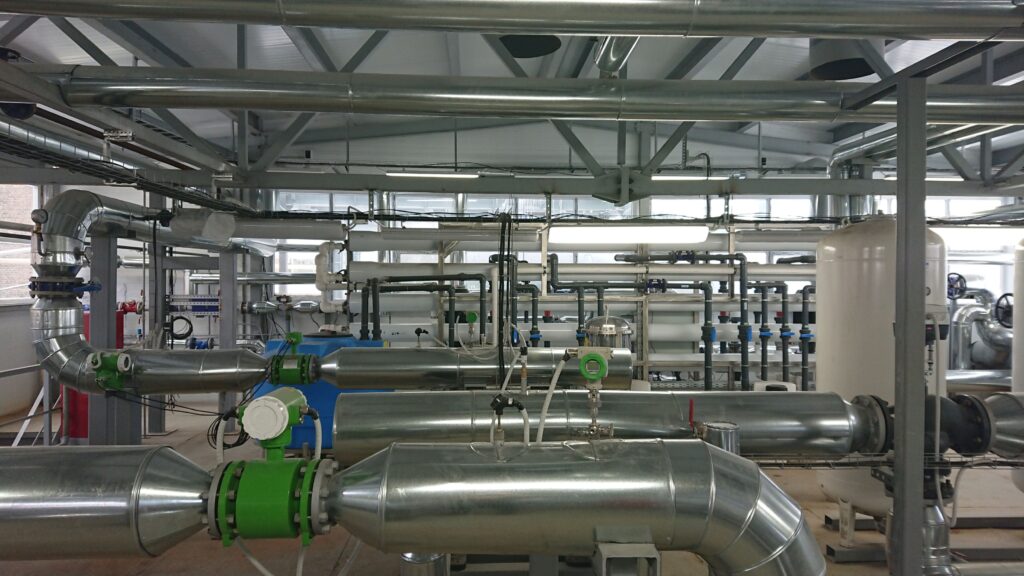
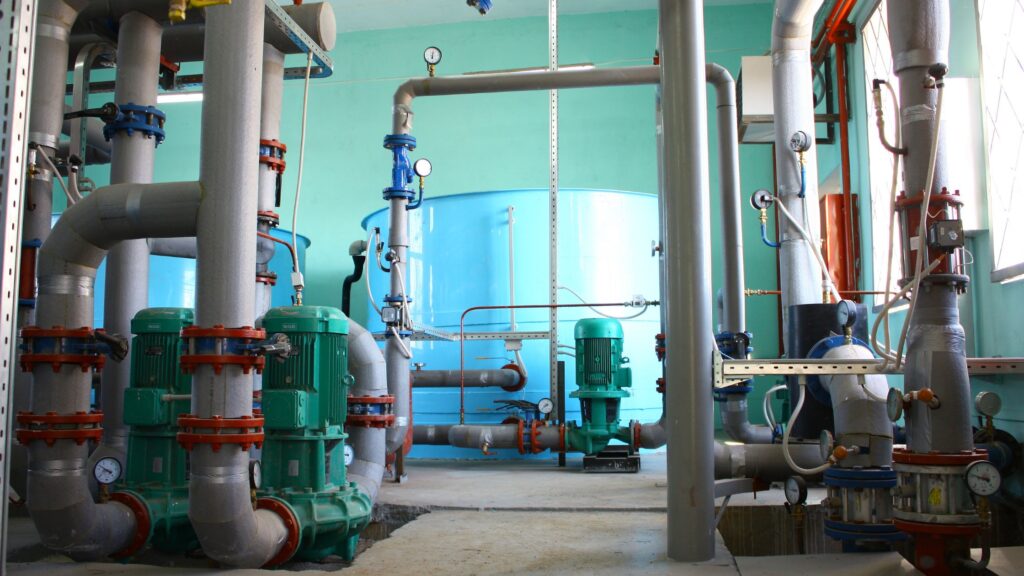
Professional installation ensures your radon water mitigation system works as intended. The process includes water testing to determine the best method, followed by a custom system design based on your home’s water source and foundation. Then, the system components, such as aeration tanks, GAC filters, and venting pipes, are installed with minimal disruption. Finally, post-installation testing confirms the system’s effectiveness in reducing radon levels.
Conclusion
Radon water mitigation is a critical step in protecting your home and health. By addressing radon at its source—before it enters your living areas—you can significantly reduce the risk of exposure to this harmful gas. Investing in a professional mitigation system from DSM Radon ensures that your home remains safe, your water is cleaner, and your family is protected.
For trusted radon water testing and mitigation services, turn to DSM Radon. They provide expert solutions tailored to your home’s needs, ensuring safer water and a healthier living environment for years to come.