
Radon exposure can create serious health concerns for homeowners because this naturally occurring radioactive gas can enter buildings without warning. Since radon has no color, smell, or taste, homeowners cannot detect it through ordinary observation. Therefore, professional testing and effective mitigation play an important role in maintaining healthier indoor environments. Sub-Slab Depressurization offers a reliable approach by removing radon from beneath a building’s foundation before it enters occupied spaces. Moreover, this method helps prevent harmful gas accumulation and supports consistent indoor air quality. Understanding this method also helps property owners make informed decisions about long-term radon protection.

What Is Sub-Slab Depressurization?
Sub-Slab Depressurization removes radon from beneath concrete foundations by creating negative pressure and directing soil gases outdoors through specialized piping, reducing indoor radon entry and exposure.
- Suction point: A small opening through the concrete slab provides access to the soil beneath the foundation.
- Collection area: A space beneath the slab allows the system to collect soil gases efficiently.
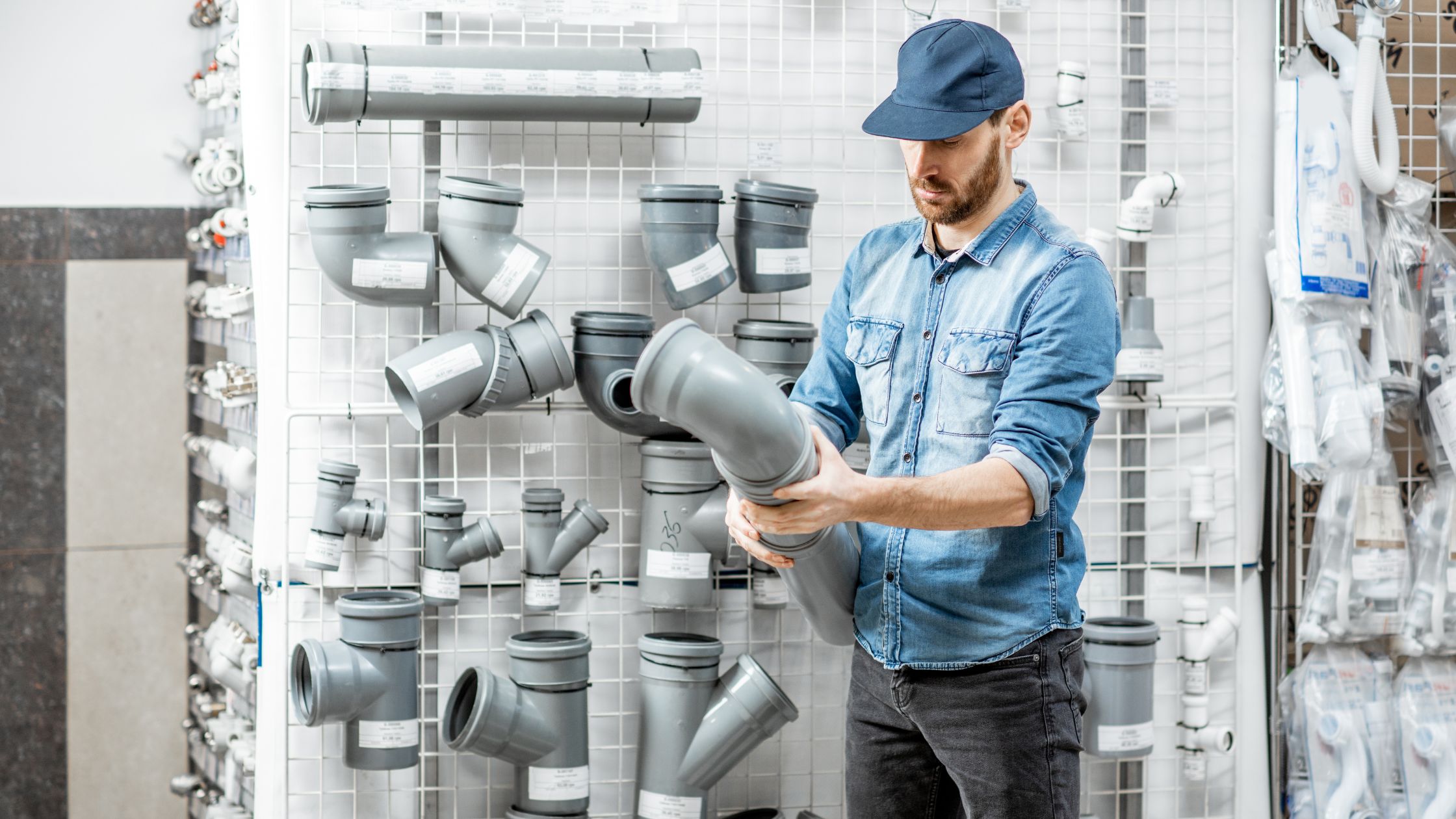
- PVC piping: A connected pipe safely carries extracted gases toward the designated outdoor exhaust outlet.
- Radon fan: A specialized fan creates continuous negative pressure and suction beneath the foundation.
- Ventilation outlet: The pipe releases extracted gases outdoors, generally above the roofline.
- Monitoring device: A pressure indicator helps homeowners check whether the system operates properly.
Together, these components create a controlled pathway that reduces radon entry into living areas.
How Does a Sub-Slab Depressurization System Work?
A Sub-Slab Depressurization System works by controlling air pressure beneath the foundation. Instead of allowing soil gases to enter through cracks and construction joints, the system captures them and directs them outside.
Here is how the process works:
1. Foundation Assessment and Radon Testing
First, professionals inspect the foundation and review radon test results. They examine entry points, soil conditions, and ventilation features to determine suitable suction locations and system configuration.
2. Creating a Suction Point
Next, technicians drill a small opening through the concrete slab. They remove some soil or aggregate beneath the opening to create a collection area. This space allows the system to draw soil gases from beneath the foundation.
3. Installing the Ventilation Pipe
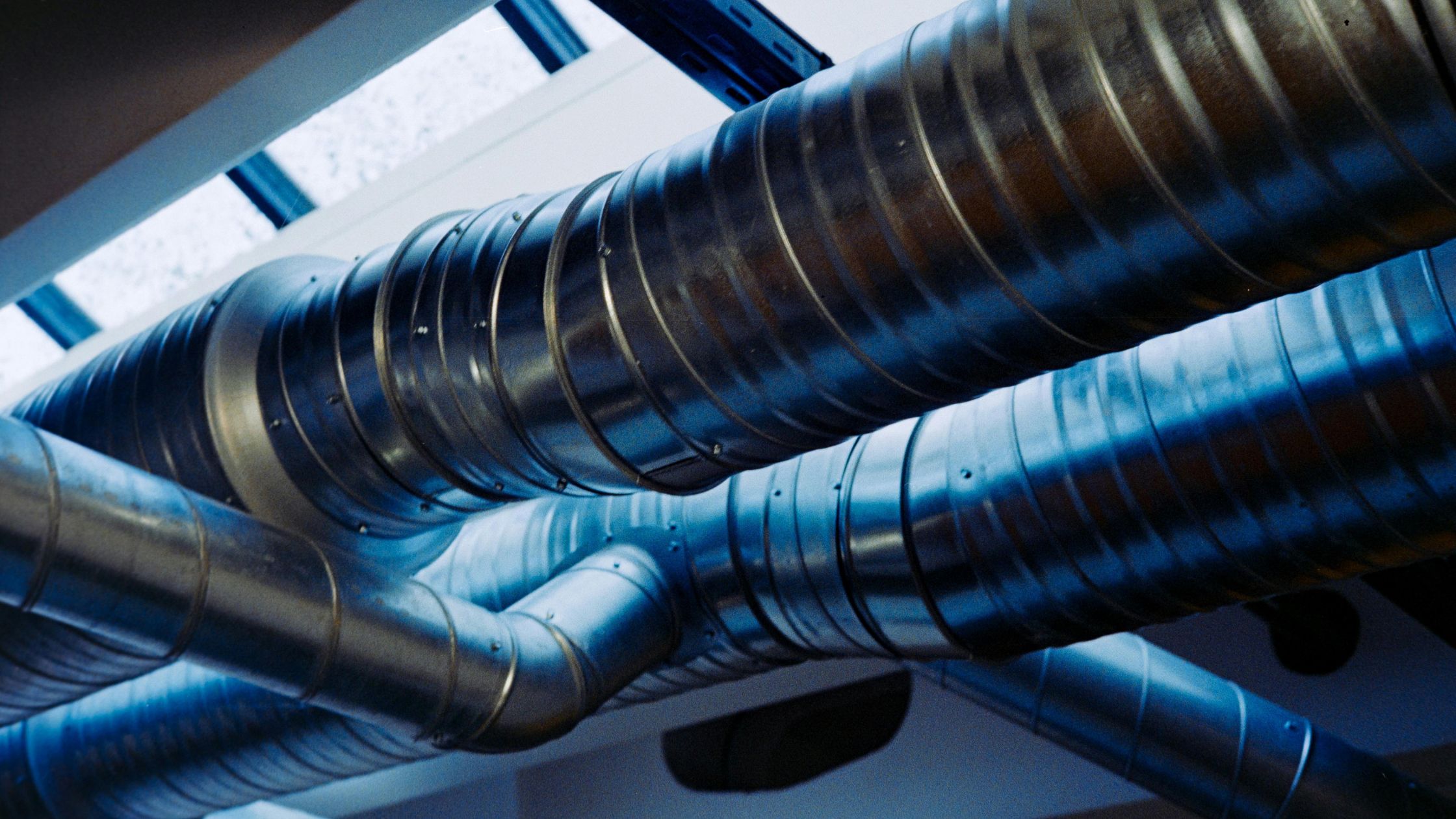
After preparing the suction point, technicians connect PVC piping to the opening. They route the pipe through an appropriate section of the building or along an exterior wall. The pipe then carries extracted soil gases toward the exhaust location.
4. Connecting the Radon Fan
A radon fan creates negative pressure beneath the concrete slab. As a result, it pulls radon-containing soil gases into the ventilation pipe. This reduces the pressure difference that encourages radon to enter the building.
5. Releasing Soil Gases Outdoors
Finally, the system releases extracted gases outside through a properly positioned exhaust outlet. Professionals select the outlet location to reduce the possibility of radon re-entering the building through nearby windows or openings.
A properly installed system continuously redirects radon outdoors, helping prevent indoor accumulation and supporting safer, healthier living environments.
Why Is This Radon Mitigation Method Important?
Radon can accumulate inside homes when soil gases enter through foundation cracks, floor joints, sump openings, and other structural gaps. Therefore, homeowners need a solution that addresses the source rather than simply circulating indoor air.
A properly designed Sub-Slab Depressurization System offers several important advantages.
- Radon Reduction: Captures radon before it enters indoor spaces.
- Air Quality: Limits radon entry, helping maintain cleaner and healthier indoor air quality.
- Continuous Protection: Continuously removes soil gases through specialized fans.
- Design Flexibility: Adapts to different foundation types and structures.
- Long-Term Management: Maintains radon reduction through regular system inspections.
Overall, this mitigation method tackles radon at its source, reducing indoor exposure and supporting healthier living conditions through reliable, continuous operation.
When Should Homeowners Consider Installing This System?
Homeowners should consider radon mitigation when tests identify elevated concentrations. The Environmental Protection Agency (EPA) recommends action at 4 picocuries per liter (pCi/L). However, reducing lower exposure levels also helps.
Certain situations make professional evaluation particularly important:
- Your basement or ground-floor rooms show elevated radon readings.
- You recently purchased a property without previous radon testing.
- Your home has foundation cracks or openings that allow soil gases to enter.
- You plan major foundation renovations or structural improvements.
- Your existing mitigation equipment no longer operates correctly.
Furthermore, homeowners should not rely on building age or neighborhood averages to determine safety. Individual radon testing provides the information needed to make appropriate decisions.
Professional Installation and Regular Maintenance
Professional installation plays an essential role in achieving reliable mitigation results. Although the basic equipment may appear straightforward, technicians must consider foundation design, soil permeability, suction coverage, and ventilation requirements.
Moreover, homeowners should check the system’s pressure indicator regularly and listen for unusual fan noises. They should also arrange professional inspections if they notice equipment damage, disconnected pipes, or changes in system performance.
Follow-up radon testing provides another important safeguard. It confirms whether the installation achieves the desired reduction and helps identify changes in indoor radon concentrations over time.
Additionally, homeowners should never switch off an active radon fan without consulting a qualified professional. The system needs continuous operation to maintain the pressure difference beneath the foundation.
Conclusion
Radon can enter buildings silently, but homeowners can take practical steps to reduce exposure. Sub-Slab Depressurization addresses the problem at its source by collecting soil gases beneath the foundation and releasing them outdoors. However, proper assessment, professional installation, and regular testing remain essential for dependable results.
For professional radon testing and mitigation assistance in the Des Moines area, DSM Radon offers residential and commercial solutions tailored to individual property requirements. Contact DSM Radon to request a free mitigation estimate and take an important step toward a healthier indoor environment.
FAQs
1. What is the main purpose of sub-slab depressurization?
Its primary purpose is to remove radon-containing soil gases from beneath a concrete foundation before they enter indoor living spaces.
2. How long does a sub-slab depressurization system last?
The piping can provide long-term service when properly installed and maintained. However, the radon fan has a limited operating lifespan and may require replacement depending on its condition and usage.
3. Does a sub-slab depressurization system require electricity?
Yes. An active system uses an electrically powered radon fan to create negative pressure beneath the foundation. The fan must operate continuously to maintain the system’s effectiveness.
4. How can homeowners check whether their radon mitigation system works?
Homeowners can monitor the system’s pressure indicator and arrange follow-up radon testing. Additionally, professional inspections can identify fan problems, damaged pipes, and other performance issues.