
Radon-Resistant New Construction: Protecting Your Home from Radon Exposure
Radon is a naturally occurring radioactive gas that is the second leading cause of lung cancer, according to the U.S. Environmental Protection Agency (EPA). It’s colorless, odorless, and tasteless, making it difficult to detect without the proper equipment. Because of this, radon-resistant new construction is becoming increasingly important for homeowners looking to minimize their exposure […]
Reliable, Affordable High Radon Readings Solutions for Every Home
When you discover elevated radon levels in your home, the need for effective solutions becomes urgent. Radon is a silent and invisible gas that can have severe health implications, including lung cancer. If you’re facing high radon readings, it’s essential to understand your options for reliable and affordable solutions. In this article, we will explore […]
PFE Testing while Enhancing Radon Mitigation Effectiveness

Radon, an odorless and colorless gas, poses a significant health risk if it accumulates indoors. To ensure a property is safe from radon exposure, proper mitigation systems must be installed. However, the effectiveness of these systems can vary depending on their design. This is where PFE testing comes in. In this article, we’ll explore what […]
Crawlspace Radon Mitigation: A Complete Safety Guide
Protecting your home from the hidden dangers of radon starts with understanding crawlspace radon mitigation. Homes with crawlspaces are at higher risk because radon gas can easily enter through exposed soil areas beneath the floor. By taking action to address this risk, you can safeguard your health and improve the air quality inside your home. […]
Short vs. Long-Term Radon Tests: Which One Is Right for You?
Radon is a naturally occurring gas that can seep into homes and pose serious health risks. It is the second leading cause of lung cancer in the U.S., making radon testing essential for every homeowner. Because radon is invisible and odorless, the only way to know your home’s levels is through proper testing. Even newer […]
Inhaling vs. Ingesting Radon: Key Differences and Health Implications
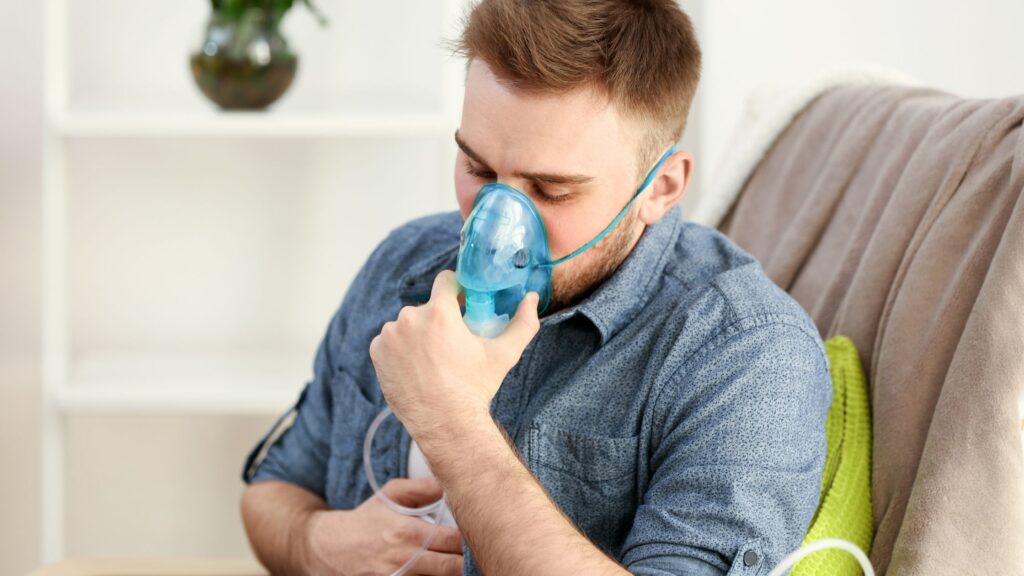
Radon is a naturally occurring radioactive gas that forms when uranium, thorium, and radium in the earth’s crust break down. It can seep into buildings through cracks in foundations and openings in walls or floors. Although radon is colorless, odorless, and tasteless, elevated levels indoors can pose serious health risks, particularly to the lungs. Many […]
Comprehensive Strategies for Radon Gas Removal on Construction Sites
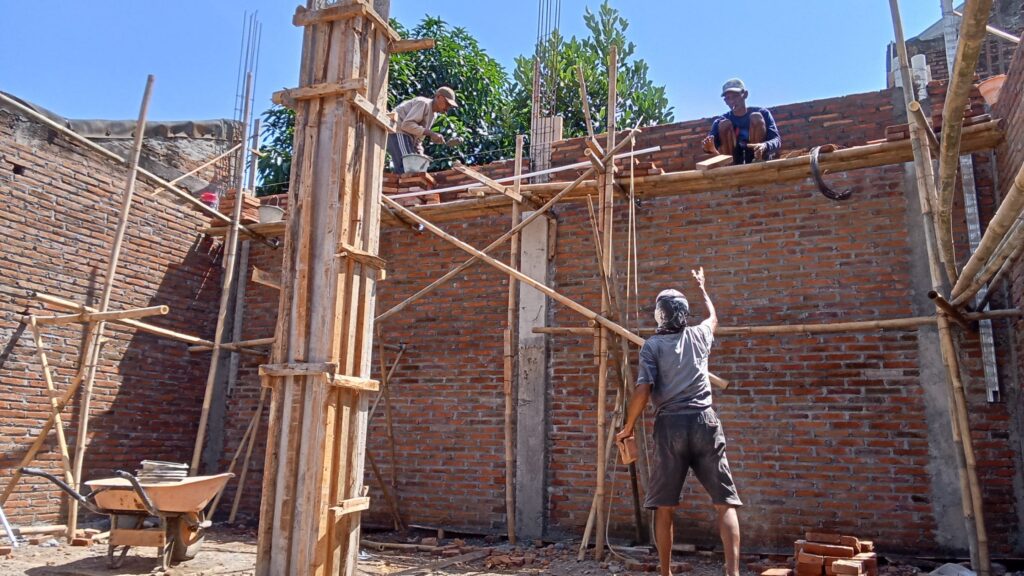
Originating naturally from the earth, Radon is a radioactive vapor that is completely colorless and scentless. This gas creates significant health dangers, including the risk of lung cancer, when it becomes trapped and concentrates within structures or active work sites. Therefore, implementing effective radon mitigation strategies is a fundamental safety requirement for any construction project. […]
Understanding Radon Accumulation in Energy-Efficient Homes
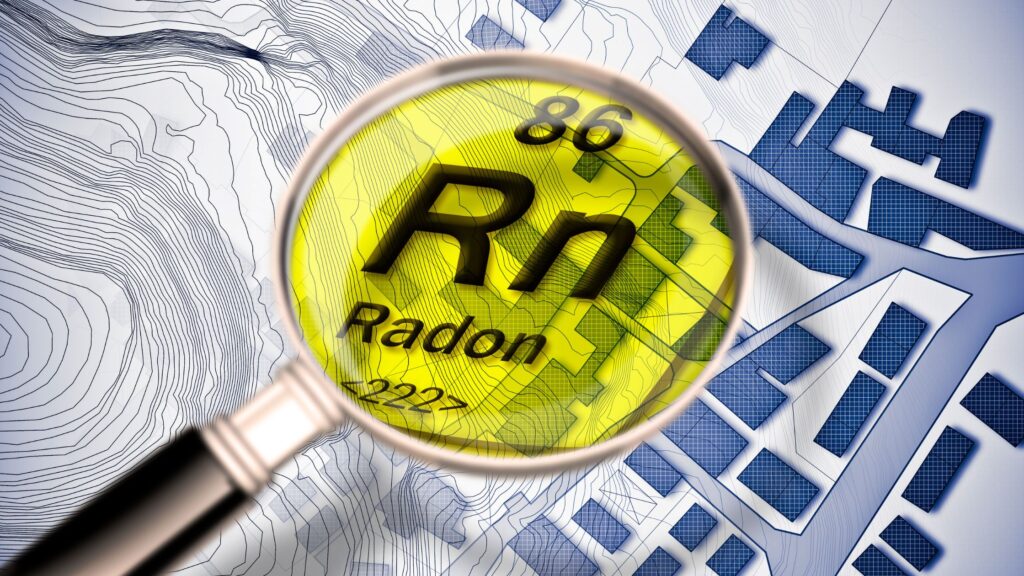
Today, many homeowners are focused on building sustainable, energy-efficient homes to reduce energy use and carbon footprints. However, a hidden concern often goes unnoticed — radon accumulation in energy-efficient homes. When houses are tightly sealed with limited ventilation, they can unintentionally trap this harmful gas inside. This article explores the causes and risks of radon […]
A Guide to Radon Safety After Your HVAC Upgrade

After completing an HVAC upgrade, you might focus on improving comfort and efficiency. However, radon risk after an HVAC upgrade can be an unexpected concern. It’s important to understand how changes to your heating, ventilation, and air-conditioning system can impact radon levels, and what steps you can take to address the risk. With the right […]
How to Detect Radon in Your Area and Ensure Your Family’s Safety
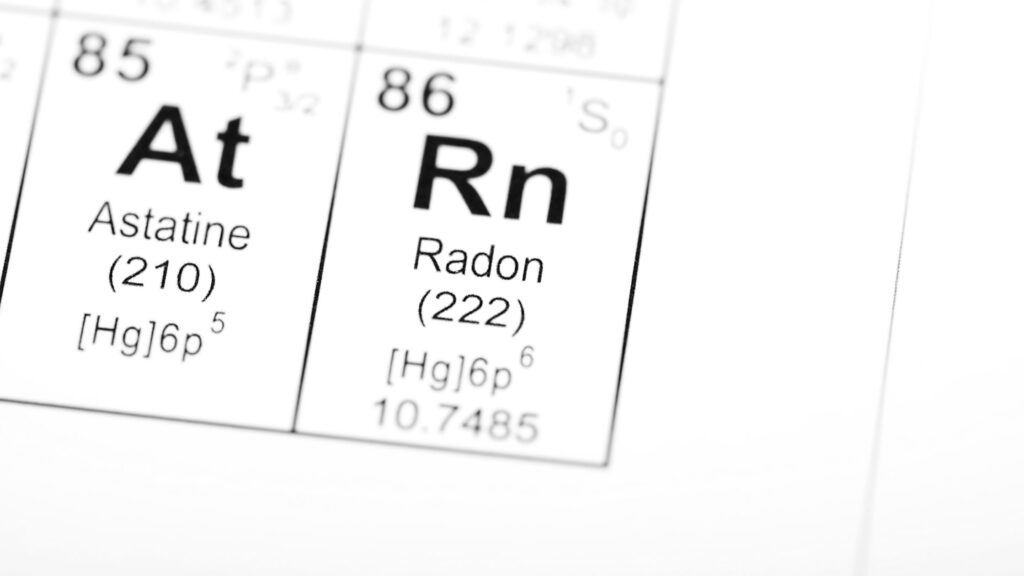
Radon is a colorless, odorless, and tasteless gas that naturally forms from the decay of uranium in the ground. It can seep into homes through cracks and gaps in the foundation, often going undetected without proper testing. Long-term exposure to high levels of radon significantly increases the risk of lung cancer, making it a serious […]