
Radon exposure can become a serious indoor air concern because the gas has no color, smell, or taste. Therefore, homeowners cannot identify elevated radon levels through normal senses or visible changes. Radon Poisoning Symptoms also do not typically appear during early exposure. Instead, long-term exposure can increase lung cancer risk. Consequently, homeowners should focus on testing rather than waiting for warning signs. Understanding how radon enters properties, its health effects, and when testing becomes necessary can help families make informed decisions. This guide explains health concerns, testing methods, risk factors, mitigation options, and practical ways to reduce radon exposure.
Why Radon Exposure Matters
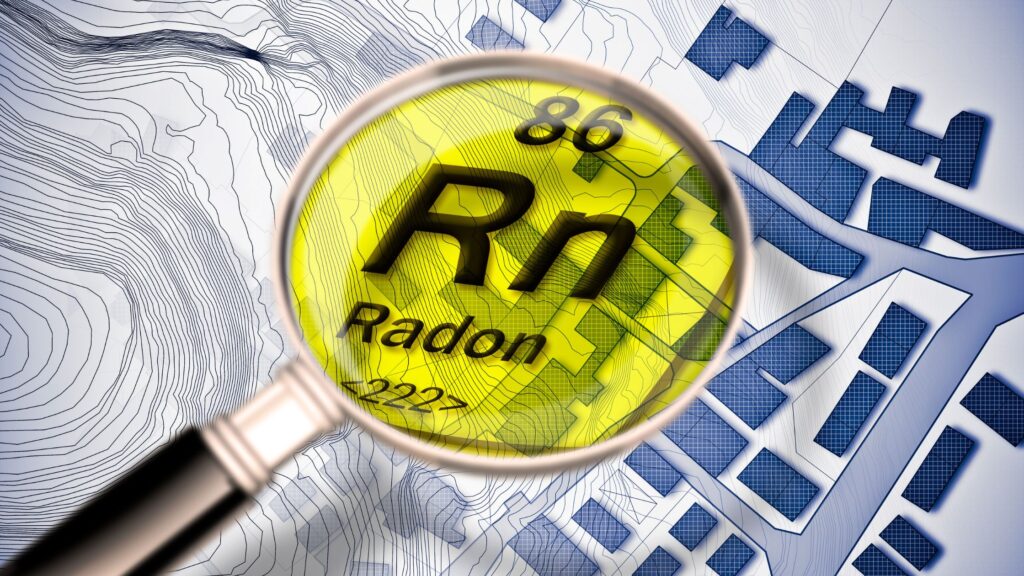
Radon is a naturally occurring radioactive gas that forms when uranium breaks down in soil, rock, and water. Because the gas can move through soil and enter buildings through cracks, gaps, floor drains, sump openings, and construction joints, it can accumulate indoors. Lower levels of homes often face greater exposure because they remain closer to the ground.
Furthermore, radon can affect both older and newer properties. Proper construction does not automatically prevent radon from entering a building. Therefore, homeowners should use radon testing to determine whether indoor levels require attention rather than relying on the property’s age or appearance.
What Are the First Signs of Radon Poisoning?
Many people search for Signs of Radon Poisoning after noticing symptoms. However, radon usually causes no immediate signs, while prolonged exposure may increase lung cancer risk. Potential symptoms include:
1. Persistent Cough
A cough that continues or becomes worse over time can occur with lung cancer. However, many common conditions can also cause persistent coughing, so this symptom does not specifically indicate radon exposure.
2. Shortness of Breath
Breathing difficulties may develop when lung disease affects normal respiratory function. Consequently, persistent shortness of breath deserves medical attention, although it cannot independently identify radon as the cause.
3. Chest Discomfort
Some people with lung cancer experience chest pain or discomfort. However, several other conditions can cause similar symptoms. Therefore, homeowners should seek appropriate medical evaluation instead of connecting chest discomfort directly to radon.
4. Wheezing or Breathing Changes
Changes in breathing, including wheezing, may occur with certain lung conditions. Nevertheless, these symptoms do not provide a reliable way to detect indoor radon exposure or confirm prolonged exposure.
5. Unexplained Weight Loss or Fatigue
Unexplained weight loss and persistent fatigue can accompany serious illnesses, including some cancers. However, these symptoms have many possible causes and cannot confirm radon exposure.
Early attention to concerning symptoms can support appropriate medical evaluation, while proper radon testing can determine whether a building contains elevated radon.
Why Radon Often Has No Early Warning Signs
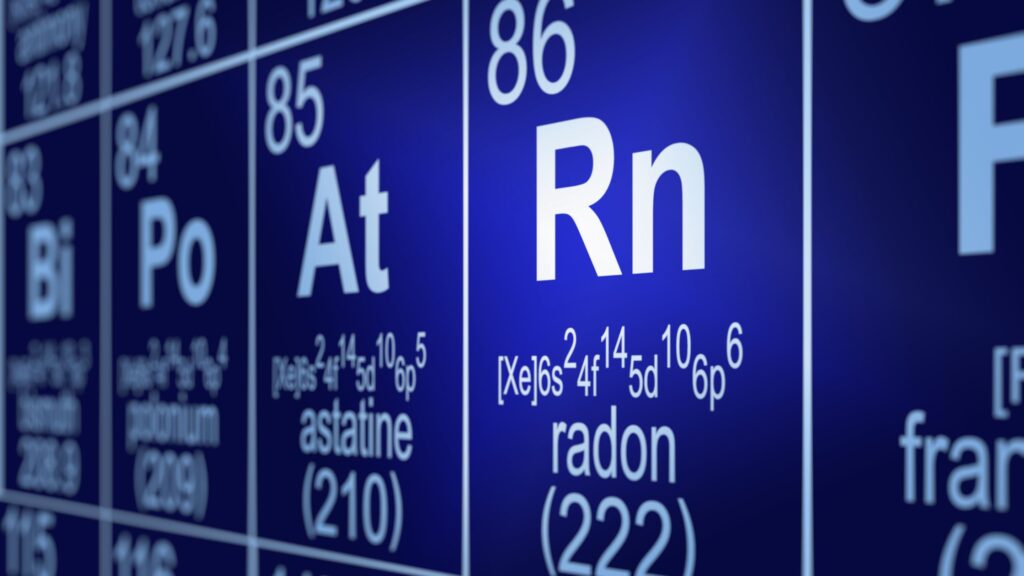
Radon Poisoning Symptoms can remain absent because radon does not usually cause immediate physical reactions. Homeowners cannot smell, see, or taste the gas, which makes visual inspection ineffective.
Important facts include:
- Radon has no detectable odor.
- Radon has no visible color.
- Radon has no recognizable taste.
- Early exposure usually causes no specific symptoms.
- Long-term exposure can increase lung cancer risk.
- Testing provides a practical way to identify elevated levels.
Therefore, waiting for symptoms can allow unnecessary exposure to continue. Instead, homeowners should test properties according to appropriate recommendations and address elevated results promptly.
How Radon Testing Can Identify a Problem
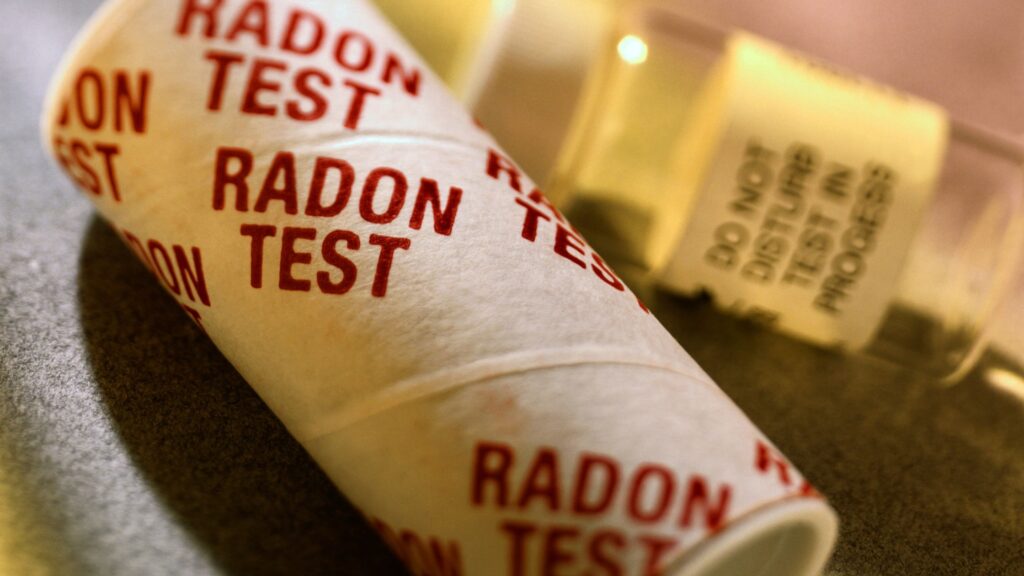
Testing provides the most reliable way to determine whether a home contains elevated radon. Different testing approaches can provide useful information depending on the property’s circumstances and the homeowner’s needs.
- Short-Term Testing: Provides an initial measurement over a shorter testing period for quick evaluation purposes.
- Long-Term Testing: Measures radon over a longer period and can better represent average exposure.
- Professional Testing: Proper placement and procedures can support reliable measurements.
- Follow-Up Testing: Confirms whether mitigation successfully reduced radon concentrations.
DSM Radon provides radon testing services for residential and other properties. Therefore, professional testing can help property owners understand their indoor radon levels and determine whether additional action makes sense.
What to Do After a High Radon Test
A high radon result does not mean homeowners should panic. Instead, it provides important information that can guide the next step.
Homeowners should:
- Review the test results carefully.
- Discuss elevated readings with a qualified professional.
- Determine whether additional testing makes sense.
- Consider an appropriate radon mitigation system.
- Address relevant radon entry pathways.
- Complete follow-up testing after mitigation.
The EPA recommends taking action when radon reaches 4 pCi/L or higher. The agency also recommends considering mitigation when levels measure between 2 and 4 pCi/L because reducing radon exposure can reduce health risk.
Radon Risk Factors for Michigan Homes
Michigan properties can experience radon because naturally occurring radon can enter buildings from surrounding soil. However, location alone cannot determine whether an individual property contains elevated levels.
Several factors can influence indoor radon levels:
- Foundation type and condition can influence radon entry.
- Soil conditions around properties can affect radon movement.
- Cracks and openings can provide pathways for radon.
- Sump pits and floor drains can allow radon entry.
- Crawl spaces may allow radon accumulation beneath living areas.
- Basement construction can influence indoor radon concentrations significantly.
Therefore, homeowners should not assume that a particular neighborhood, home age, or foundation automatically determines radon risk. Testing remains the most reliable way to evaluate an individual property.
Professional Radon Testing and Mitigation
Professional radon services can help property owners move from detection to practical risk reduction. DSM Radon offers radon testing and mitigation services designed to address elevated radon conditions in homes and other properties.
Mitigation systems can reduce radon concentrations by drawing radon from beneath a building and safely exhausting it outdoors. Depending on the property, professionals may also address specific entry points and building conditions that contribute to radon accumulation.
Furthermore, proper system selection matters because every property has different foundation characteristics, soil conditions, and construction details. A professional evaluation can therefore help determine an appropriate mitigation approach.
Long-Term Protection From Radon Exposure
Radon Poisoning Symptoms should never become the primary method for monitoring radon risk. Instead, homeowners should focus on testing, mitigation, and follow-up measurements.
After installing a mitigation system, homeowners should continue monitoring indoor radon levels according to professional recommendations. They should also inspect the system periodically and arrange additional testing after major renovations, structural changes, or other circumstances that could affect radon entry.
Consequently, proactive monitoring can help homeowners maintain lower indoor radon levels and reduce unnecessary long-term exposure.
Conclusion
Radon Poisoning Symptoms may not provide an early warning because radon exposure usually produces no immediate or specific physical symptoms. Therefore, homeowners should not wait for coughing, breathing problems, or other health concerns before checking their property. Professional testing provides a more reliable way to identify elevated radon levels and determine whether mitigation may be necessary.
DSM Radon helps property owners address radon concerns through professional testing and mitigation services. Therefore, homeowners who want to understand their property’s radon level can consider professional evaluation and take appropriate action based on the results.
FAQs
1. What are the first signs of radon poisoning?
Radon exposure usually does not produce specific early symptoms. Long-term exposure can increase lung cancer risk, so testing provides a more reliable way to identify a radon problem.
2. Can radon exposure cause coughing or shortness of breath?
Radon does not usually cause immediate coughing or shortness of breath. However, long-term exposure can increase lung cancer risk and cause respiratory symptoms.
3. How can I tell if my home has high radon levels?
You cannot reliably detect radon through smell, sight, or symptoms. A properly conducted radon test can measure indoor radon concentrations and identify elevated levels.
4. What should I do if my radon test shows high levels?
If testing identifies elevated radon, consult a qualified professional about mitigation options. Follow-up testing can confirm whether mitigation reduced radon levels.