
Signs of Rising Radon Levels: Homeowner Checklist
Radon can enter your home without any smell or warning, so you may not notice it. Also, levels can rise quickly due to weather changes, pressure shifts, or new foundation cracks. That’s why you need clear signs of rising radon levels to know when to test, retest, and take action. In addition, even a working […]
Iowa Radon Zone 1: What Every Homeowner Should Know

Understanding Iowa Radon Zone 1 is crucial for your health and safety in Iowa. Radon, a colorless, odorless radioactive gas, forms from uranium decay in soil and rock. It can enter buildings through cracks and accumulate to dangerous levels. Since radon can’t be detected by sight or smell, understanding radon zoning and professional testing is […]
Radon Health Risk in Iowa Homes Explained
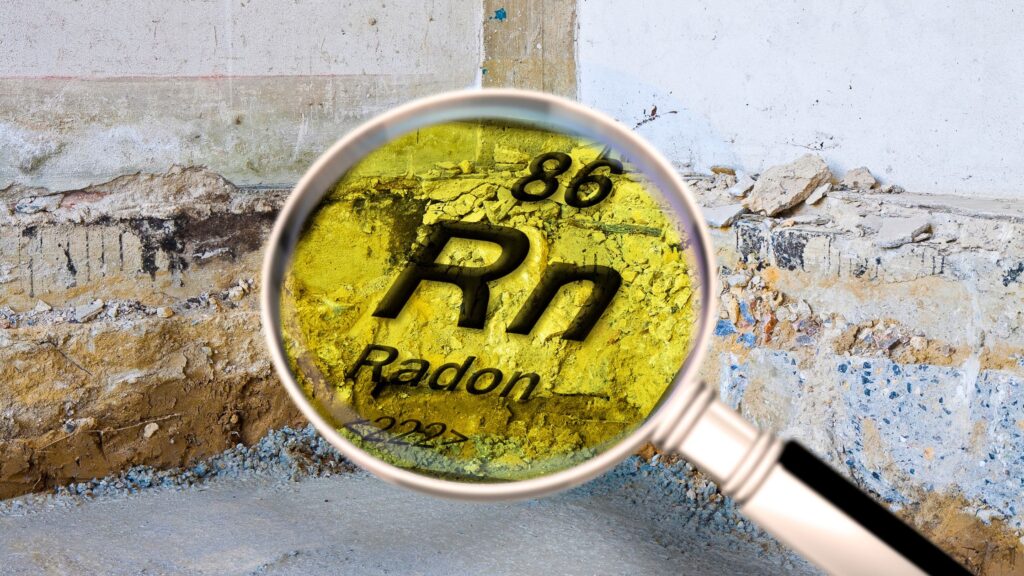
Radon can affect indoor air quality in Iowa homes because it enters silently and builds up without any smell, color, or taste. Moreover, you cannot judge exposure by how new or clean a house looks. Therefore, you need testing to understand your actual level, and you need a verified plan if the reading rises. This […]
Radon System Airflow Optimization Guide
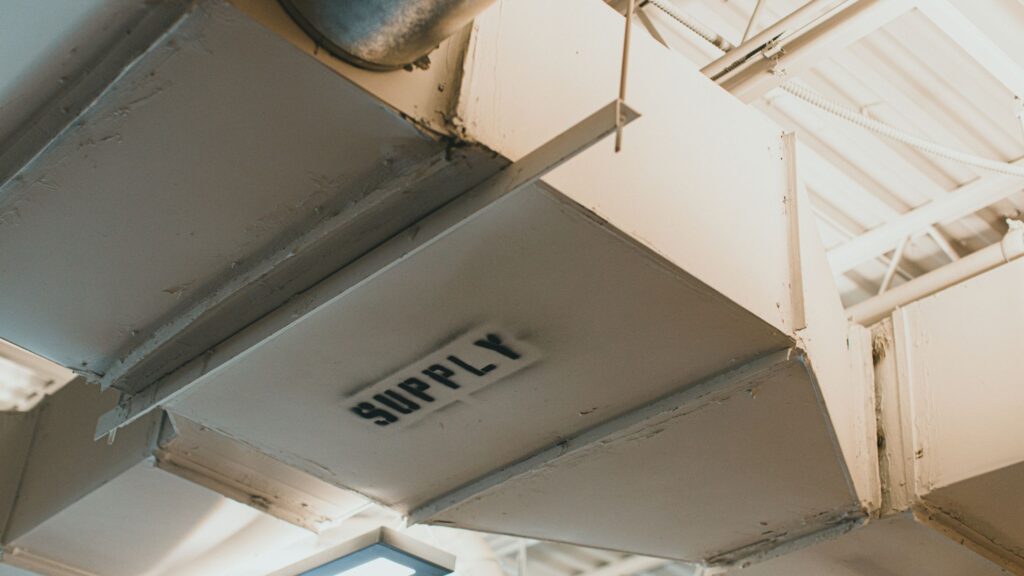
A radon system works only when it maintains steady airflow and negative pressure under the foundation, pulling soil gas into the vent and exhausting it outside. That’s why radon system airflow optimization matters after installation, after home changes, or when readings rise. Stable airflow removes radon at the source, keeps results consistent, and protects indoor […]