
Radon gas enters thousands of homes annually through exposed crawlspaces, foundation gaps, and untreated soil. Because radon is invisible and odorless, many homeowners remain unaware of the danger until testing reveals elevated levels. The EPA identifies radon as a leading cause of lung cancer, making preventive action vital for protecting indoor air quality.
Crawlspace mitigation effectively stops harmful soil gas from entering living areas through porous foundations. Beyond safety, professional systems improve airflow, reduce moisture, and create healthier environments. This guide explains how mitigation works, why crawlspace encapsulation matters, and how a proper radon seal protects your family and property.
Understanding Crawlspace Radon Risks and Mitigation
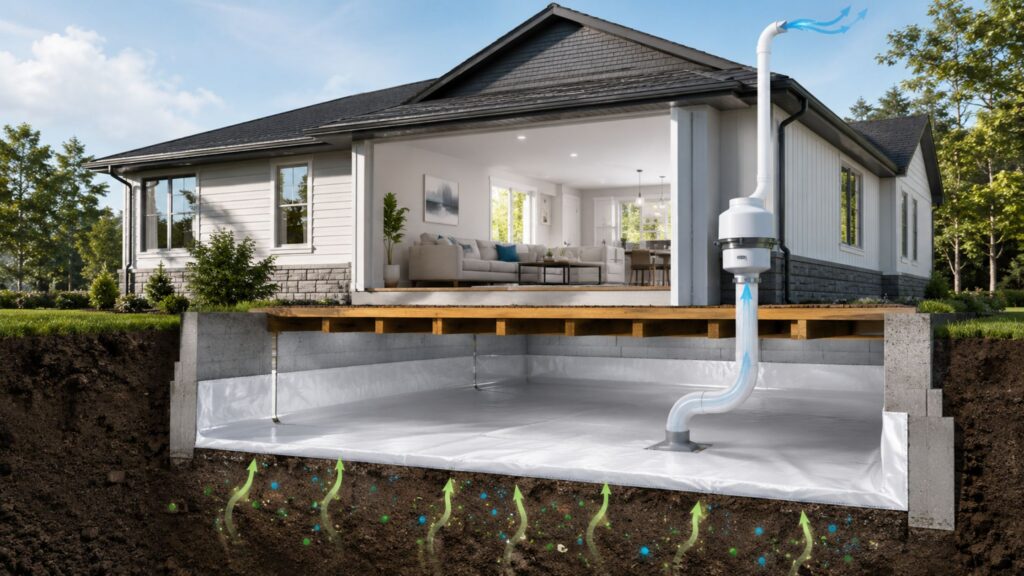
Crawlspace Radon Mitigation reduces radon gas levels beneath homes with crawlspace foundations. Unlike slab foundations, crawlspaces expose soil directly to indoor air, allowing radon to move upward through pressure differences into living spaces. Most systems use sub-membrane depressurization technology. Technicians install vapor barriers across exposed soil while mitigation fans redirect trapped gas safely outside. As a result, these systems prevent dangerous radon buildup indoors. Crawlspaces increase radon risks because exposed dirt floors, foundation gaps, utility cracks, weak ventilation, and unsealed walls allow Soil Gas intrusion. Additionally, colder weather increases suction inside homes. Therefore, professional testing and mitigation remain essential for long-term indoor air safety.
How Crawlspace Encapsulation Supports Mitigation
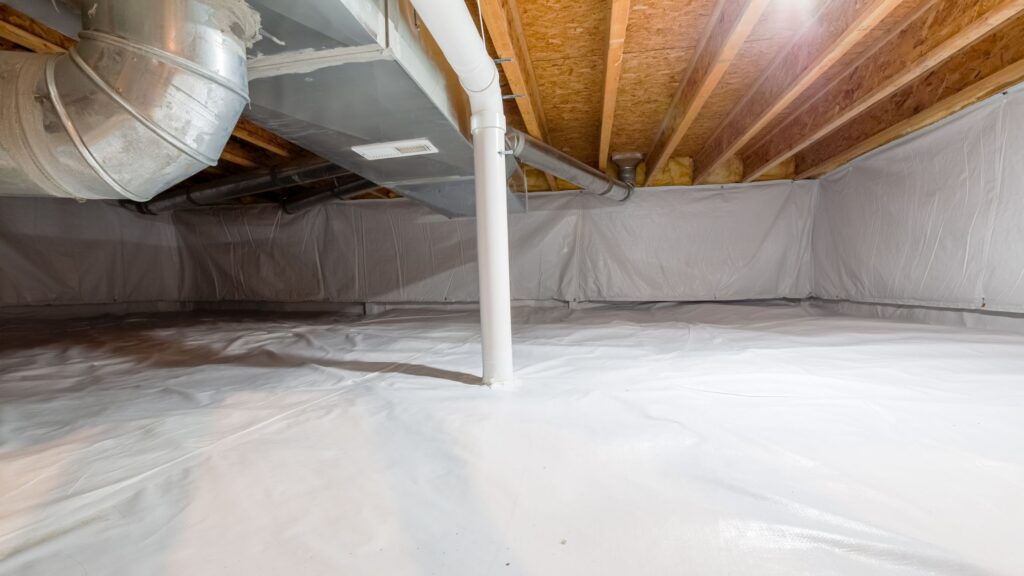
Crawlspace Encapsulation strengthens radon mitigation systems by controlling moisture, reducing gas intrusion, and improving indoor air quality.
- Reduces Radon Entry Points
Sealed crawlspace surfaces block underground radon pathways and limit harmful gas movement into living spaces. - Improves Mitigation Efficiency
Encapsulation improves suction performance beneath barriers, helping mitigation systems remove soil gas more effectively. - Controls Crawlspace Moisture
Moisture-resistant barriers reduce humidity buildup, preventing mold growth and protecting structural materials beneath homes. - Supports Cleaner Indoor Air
Encapsulation systems reduce airborne contaminants, crawlspace odors, and damp conditions affecting indoor air quality.
Professional crawlspace encapsulation systems improve mitigation performance while protecting homes from moisture, structural damage, and unhealthy indoor conditions. Learn more about Fortify Radon-Resistant New Construction.
Understanding Soil Gas Movement
Underground gases constantly move beneath homes through soil, rocks, and foundation openings. When crawlspaces remain unsealed or poorly ventilated, these gases can easily enter indoor living areas and reduce air quality. Therefore, understanding how soil gas travels helps homeowners recognize why professional crawlspace radon mitigation systems remain essential for long-term indoor protection.
Soil Gas Enters Through Pressure Changes
Soil gas develops as uranium breaks down, becoming harmful when trapped in enclosed spaces. Pressure differences pull this gas through the crawlspace cracks into the living areas. Mitigation systems stop this movement by creating suction beneath a vapor barrier, safely redirecting radon outdoors. Professional installation is essential to ensure vents are placed correctly, preventing gas from reentering the home and maintaining long-term indoor air protection and family safety.
The Critical Importance of a Proper Radon Seal
A professional Radon Seal improves crawlspace radon mitigation performance by controlling airflow and reducing harmful gas intrusion indoors.
- Blocks Air Leakage: Sealing gaps reduces unwanted airflow and underground soil gas movement.
- Improves System Efficiency: Proper sealing improves suction consistency and radon mitigation performance.
- Seals Common Entry Points: Technicians seal cracks, seams, penetrations, and crawlspace utility openings.
- Reduces Moisture Problems: Professional sealing limits moisture intrusion and improves indoor comfort.
Additionally, proper Radon Seal installation supports stable mitigation performance while improving overall crawlspace protection and indoor air quality.
Red Flags for Your Crawlspace Radon Risk
While radon is invisible, specific environmental conditions in your crawlspace can signal a higher risk of gas intrusion.
Homeowners should schedule testing if they notice:
- Persistent musty odors.
- High indoor humidity.
- Drafty lower floors
- Visible crawlspace moisture.
- Foundation cracks.
- Previous elevated radon readings.
Aging crawlspaces require regular testing, while professional post-installation testing confirms mitigation effectiveness and maintains safe indoor radon levels.
The Lasting Advantages of Crawlspace Radon Mitigation
Crawlspace Radon Mitigation provides more than immediate radon reduction. Proper systems improve overall home performance while protecting indoor environments and structural integrity for many years to come.
1. Better Indoor Air Quality
Comprehensive mitigation systems actively reduce airborne contaminants, persistent humidity, and foul crawlspace odors. Consequently, homes maintain much cleaner and healthier air circulation, which significantly improves the daily living environment for occupants.
2. Moisture Control
Advanced encapsulation and sealing systems help control condensation while effectively reducing moisture-related damage beneath the home. This creates a stabilized environment that prevents the damp conditions typically found in untreated crawlspaces.
3. Structural Protection
Dryer crawlspaces help protect vital wood framing, fiberglass insulation, and subflooring materials from long-term deterioration. By eliminating excessive dampness, you prevent rot and ensure the structural skeleton remains strong and durable.
4. Improved Property Value
Many modern buyers now request radon testing during home inspections before finalizing any purchase. Therefore, professionally mitigated homes often attract stronger buyer confidence and may command higher prices on the market.
5. Health Protection
Lowering radon exposure significantly reduces the long-term health risks associated with radioactive gas inhalation. Installing a reliable system ensures your family is protected from the leading cause of lung cancer among non-smokers.
Additionally, professional crawlspace radon mitigation systems provide lasting comfort, stronger protection, healthier indoor environments, and greater long-term homeowner confidence.
Selecting a Qualified Radon Mitigation Professional
Homeowners should choose experienced specialists who understand local soil conditions and crawlspace-specific mitigation standards.
A qualified company should provide:
- Certified mitigation specialists.
- Crawlspace Encapsulation Services.
- Customized system designs.
- Post-installation testing.
- Long-term support and maintenance.
Hiring experts familiar with Iowa’s unique radon challenges ensures a more reliable and effective system.
Conclusion
Crawlspace Radon Mitigation remains one of the most effective ways to reduce harmful radon exposure and improve indoor air quality. By combining Crawlspace Encapsulation, proper Soil Gas control, and a professional Radon Seal, homeowners can create safer and healthier indoor environments while protecting their property from moisture-related damage.Professional mitigation systems also improve comfort, strengthen structural protection, and support long-term home value. DSM Radon provides trusted testing, mitigation, and crawlspace solutions designed to help Iowa homeowners maintain safer living spaces year-round.