
Radon is an invisible, odorless, and radioactive gas that poses a significant health risk. Especially in areas where it enters homes through the air or water supply. Radon exposure is the second leading cause of lung cancer, making radon testing and mitigation essential for homeowners to reduce potential harm and improve indoor air and water quality. This guide delves into sub slab radon mitigation systems, radon mitigation systems for well water, radon testing services, and radon water mitigation, explaining how each solution works, why they matter, and how they protect your health and overall well-being in the long term.
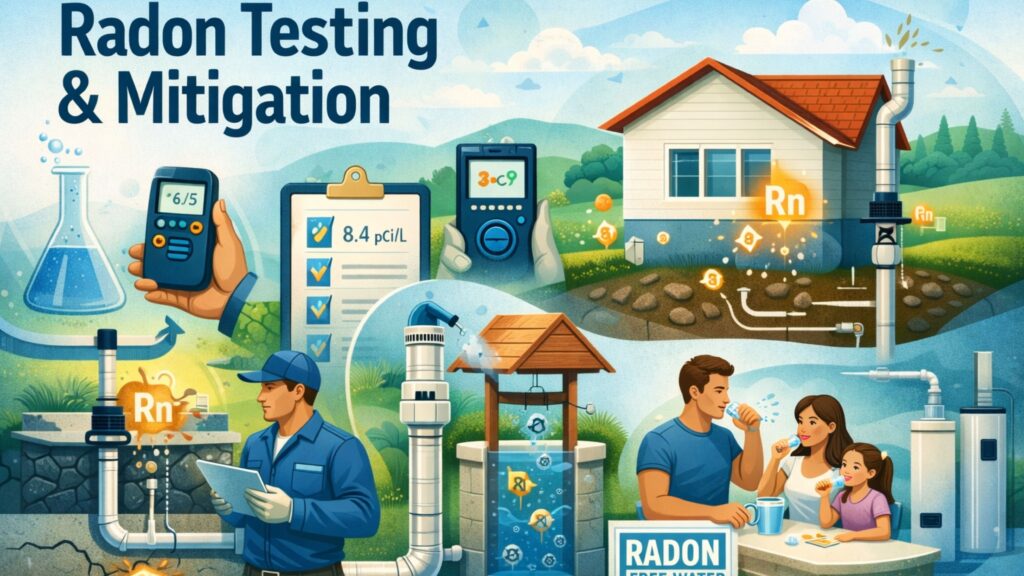
What is Radon and Why It’s Dangerous
Radon is a naturally occurring radioactive gas formed from the decay of uranium in soil and rock. It’s dangerous because it’s colorless, tasteless, and odorless, making it impossible to detect without testing. Radon seeps into homes through cracks in foundations and can also be present in well water, creating a silent threat that increases the risk of lung cancer. In fact, radon exposure is responsible for thousands of deaths every year in the U.S. It can accumulate to dangerous levels over time, particularly in areas with higher soil concentrations of uranium.
Understanding radon’s entry points into your home is crucial. This guide focuses on addressing both airborne radon (from the soil) and radon in water supplies. To reduce your exposure to this harmful gas.
Radon Testing Services: The First Step in Mitigation
Radon testing is essential for identifying whether your home has dangerous levels of radon, particularly in areas with higher natural levels. There are two main types of radon testing:
- Short-Term Testing: This method provides quick results, usually within 2–7 days, giving homeowners fast insights.
- Long-Term Testing: This method offers more accurate results over several months, providing a comprehensive view of radon levels.
- Continuous Radon Monitors: They provide real-time data, measuring radon level fluctuations.
- Water Testing: Radon levels in well water should also be tested, as they can be an overlooked source of exposure.
Radon testing services by certified professionals ensure reliable results. Testing is essential for detecting radon in the air and measuring levels in well water, which is often overlooked by homeowners. After testing, you can determine if mitigation is needed. Also visit Radon Testing Services for more information.
Sub Slab Radon Mitigation System: Preventing Radon from Entering Your Home
The sub slab radon mitigation system is the most effective solution for reducing radon levels, particularly in areas with high radon soil concentrations. It targets radon gas at its source — the soil beneath your home — and prevents it from entering indoor spaces. How It Works:
A. Creating Suction
Technicians drill a small hole in the concrete slab to access the soil beneath. This hole becomes the main suction point for the radon, allowing for continuous extraction of gas and preventing it from entering the home.
B. Installing Venting System
A PVC pipe is connected to the suction point and vents the radon gas outside the home, ensuring that the harmful gas is safely directed away from indoor living spaces and dissipates harmlessly into the atmosphere.
C. Using a Radon Fan
A fan is installed to create negative pressure under the slab. Drawing radon gas away and ensuring it is safely vented out of the home. This fan operates continuously, maintaining consistent airflow and keeping radon levels low inside the home.
D. Sealing Cracks
The system seals cracks in the foundation to improve efficiency and prevent any further radon intrusion. This also helps enhance the system’s performance, reducing unwanted air leakage and increasing overall radon removal capacity.
This method provides continuous protection, ensuring radon is removed from the air without manual intervention. It operates 24/7, offering peace of mind and long-term safety for your home. Learn more about Sub Slab Radon Mitigation System.
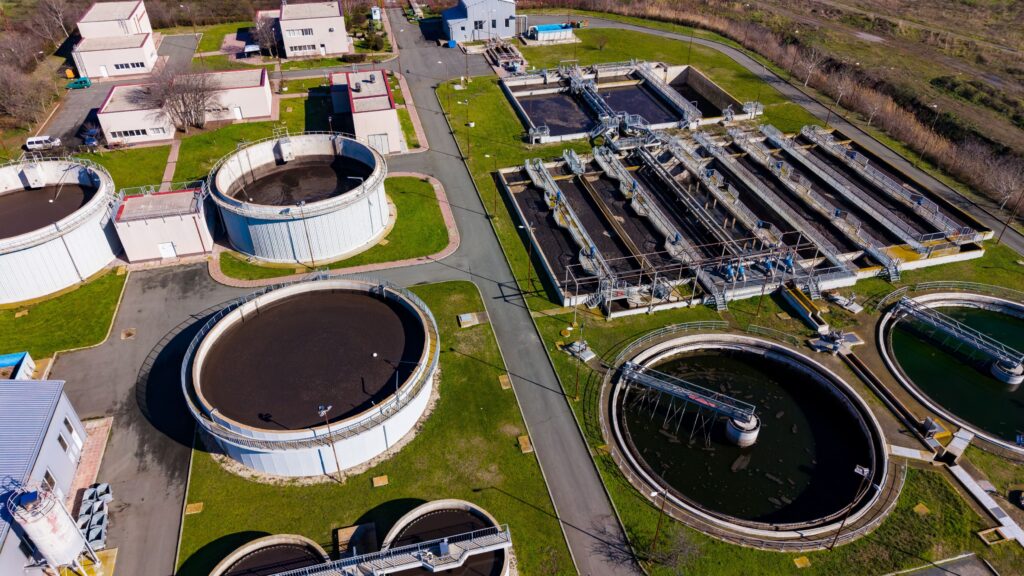
Radon Mitigation System for Well Water: Removing Radon from Water
Radon in well water is a less common but equally serious problem. When radon dissolves into water, it can easily become airborne during normal household activities like showering, washing dishes, or doing laundry. A radon mitigation system for well water is designed to reduce radon levels in the water before it enters the home. How It Works:
- Aeration Systems: These systems agitate the water to release radon gas, which is then safely vented outdoors.
- Granular Activated Carbon Filters: This method adsorbs radon from water before it enters the plumbing system. Ensuring the water you use is free of radon.
- Continuous Operation: Much like the sub slab system, a radon mitigation system for well water operates continuously to provide long-term protection.
- Water Testing: Radon levels in well water are measured before installing the mitigation system. Ensuring accurate data for selecting the appropriate treatment method.
- Long-Term Efficiency: These systems require minimal maintenance while reducing radon exposure, ensuring your water remains safe and clean for everyday use.
If your home is supplied by a well, it’s important to include radon mitigation for both air and water. To ensure your home is fully protected from this health risk. For more information visit Radon Mitigation System for Well Water.
Why Radon Water Mitigation Matters
Radon water mitigation is critical for homes that rely on private well water. Unlike municipal water systems, which typically undergo extensive filtration, well water can contain radon that enters the home through the tap. This issue becomes particularly concerning when water containing radon is used for everyday activities, releasing the gas into the air.
The importance of radon water mitigation includes:
- Health Benefits: Reducing radon exposure minimizes the risk of lung cancer and other respiratory issues.
- Safer Indoor Air Quality: By removing radon from the water, you reduce the chances of radon becoming airborne.
- Peace of Mind: With a properly installed mitigation system, you can feel confident that you’ve addressed radon exposure in both water and air.
- Long-Term Safety: A radon water mitigation system ensures continuous protection, safeguarding your home and family from ongoing exposure over the years.
- Improved Water Quality: Mitigating radon in water helps improve overall water quality, making it safer for consumption and everyday use.
- Increased Property Value: Homes with radon mitigation systems are more attractive to potential buyers, meeting safety standards and ensuring long-term health protection.
In conclusion, radon water mitigation is an essential step in protecting your home and family from the harmful effects of radon, ensuring safer water, better air quality, and long-term peace of mind.
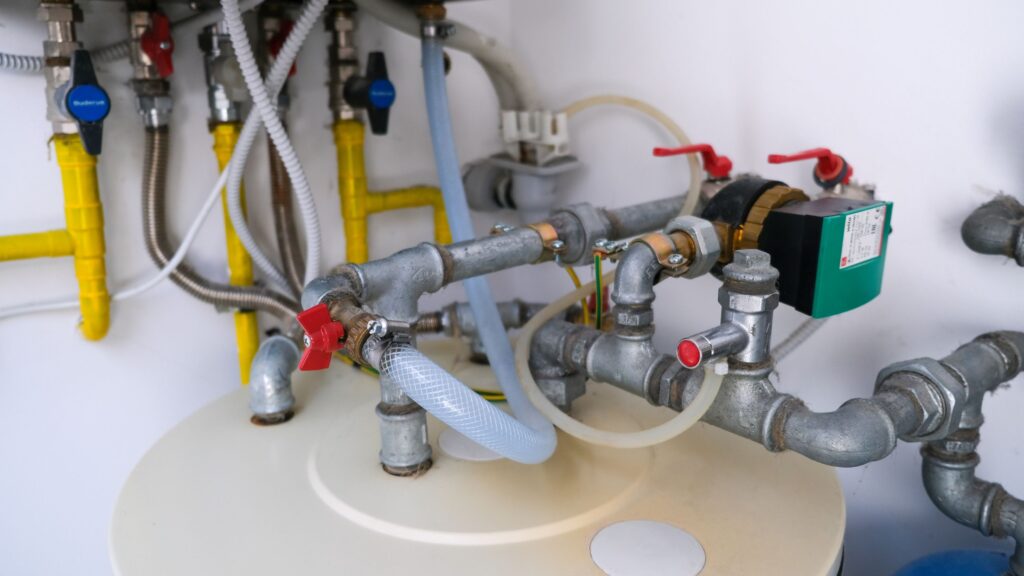
Professional Radon Mitigation vs DIY Solutions
While there are DIY radon mitigation kits available, professional radon mitigation services provide a higher level of accuracy and reliability. Certified professionals assess your home, recommend the best mitigation methods, and ensure that the system is installed correctly. A professional installation also ensures compliance with local regulations and the most current EPA guidelines, offering peace of mind that all potential risks are addressed.
Unlike DIY kits, experts ensure the system works efficiently over time and meets the safety standards required for long-term protection. With professional services, you can trust that the mitigation system will provide continuous protection, giving you a healthier and safer living environment.
Maintenance and Long-Term Performance of Radon Mitigation Systems
Once a sub slab radon mitigation system or radon water mitigation system is installed, it requires minimal maintenance. However, regular checks and monitoring are essential for ensuring long-term performance:
- Fan and System Inspection: The fan should be checked every few years to ensure it’s functioning properly.
- System Testing: Every 2–5 years, a professional should retest radon levels in your home to ensure the system is still effective.
- Sealing Inspections: Regularly inspect and reseal any cracks or gaps in the foundation to maintain the system’s efficiency.
- Vent Pipe Cleaning: Ensure the vent pipes are clean and unobstructed to allow proper airflow, ensuring continuous radon removal from the home.
Routine maintenance and testing keep the system running efficiently, ensuring your home remains protected from radon over time.
Conclusion
Radon exposure is a serious threat that can be mitigated effectively with the right systems. A sub slab radon mitigation system, a radon mitigation system for well water, and reliable radon testing services are essential to protecting your home and family from the dangers of radon. Professional radon water mitigation services ensure long-term safety, and the combination of air and water solutions provides comprehensive protection.
For expert radon mitigation services and reliable solutions, choose DSM Radon. They specialize in both sub slab radon mitigation and radon water mitigation systems, providing customized, professional services that ensure the health and safety of your home.

FAQs
1. How does a sub slab radon mitigation system work?
A sub slab radon mitigation system uses suction to draw radon from beneath the slab and vents it outside, ensuring your home remains safe from radon gas.
2. Is a radon mitigation system for well water necessary?
Yes, if your home uses well water, a radon mitigation system helps remove radon before it enters your plumbing, preventing exposure when water is used.
3. How often should I test for radon after installing a mitigation system?
Experts recommend retesting every 2–5 years to ensure the system is still effective in reducing radon levels.
4. Can I install a radon mitigation system myself?
While DIY kits are available, professional installation is recommended for accuracy, compliance, and long-term performance. Professionals ensure the system is tailored to your home’s needs.