
Radon gas enters homes silently and creates serious health risks without visible warning signs. Therefore, Local Radon Testing Services play a crucial role in protecting indoor environments and reducing long-term exposure risks. Since radon has no smell, taste, or color, homeowners cannot identify it without professional testing equipment.
Many industry experts suggest that regular radon inspections significantly improve indoor safety and long-term property protection. Additionally, professional testing helps homeowners understand whether Radon Gas Mitigation systems are necessary for their property. This guide explains how testing works, why professional inspections matter, and how certified experts improve your Home Air Quality Check results.
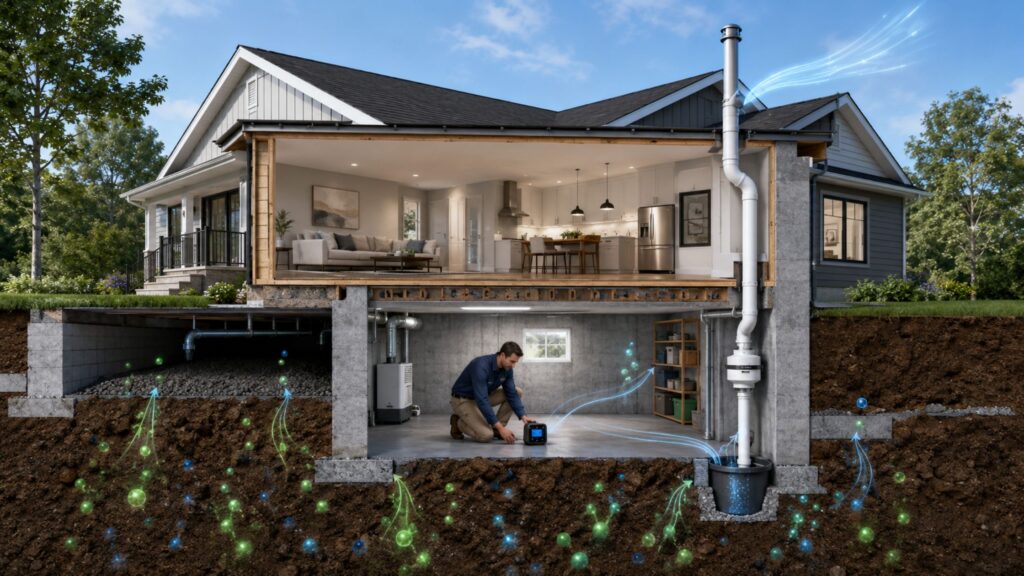
Why Local Radon Testing Services Matter
Local Radon Testing Services detect hidden radon risks early and provide accurate recommendations based on regional soil and building conditions.
Common Signs You Need Testing:
Although radon itself produces no symptoms, certain situations increase the need for immediate testing:
- Recently purchased homes.
- Finished or unfinished basements.
- Homes with crawlspaces.
- Older foundation structures.
- Nearby homes with elevated radon levels.
- Properties without recent testing records.
Therefore, experts recommend regular testing every two years, even after mitigation installation. Learn more about Fortify Radon-Resistant New Construction.
Understanding Certified Radon Inspectors
What Certified Radon Inspectors Do
Certified Radon Inspectors measure radon accurately, inspect entry points, and provide reliable reports with effective mitigation recommendations.
According to professional radon safety guidelines, certified experts may use:
- Continuous radon monitors.
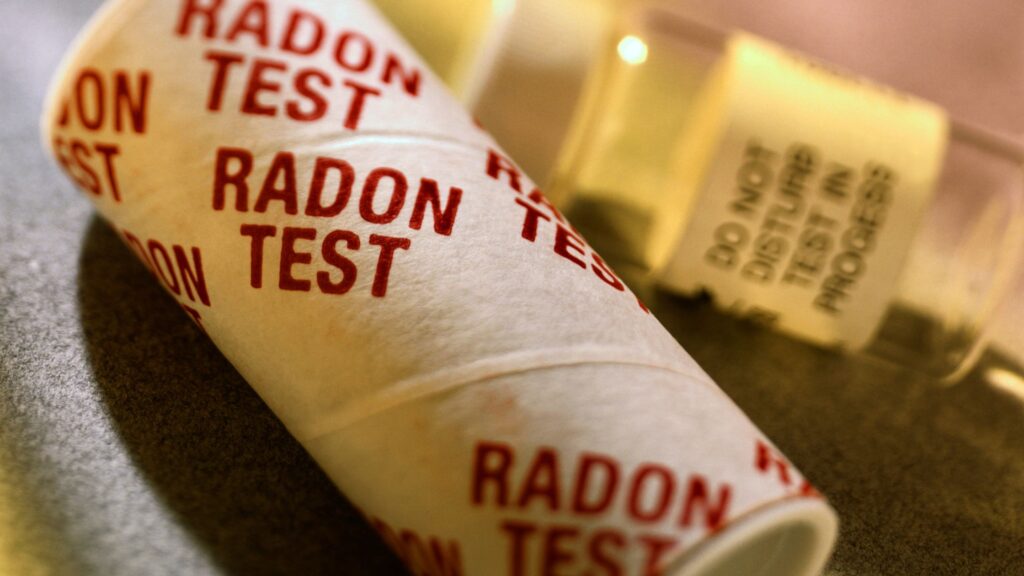
- Charcoal canister tests.
- Digital detection systems.
- Long-term monitoring devices.
Therefore, homeowners receive precise readings rather than unreliable estimates.
Why Certification Matters
Certified inspectors follow industry standards to provide reliable results. Their expertise accounts for variables like weather and airflow that skew readings. Because improper placement yields misleading data, the EPA emphasizes professional testing to ensure accurate risk assessment and safe home recommendations.
How the Radon Testing Process Works
Discover how professional radon testing ensures your home’s safety. This systematic approach identifies hidden gas risks, providing the precise data necessary to protect your family’s health and maintain a secure living environment.
1. Initial Property Assessment
Expert inspectors conduct a thorough walkthrough to evaluate your home’s foundation, ventilation, and structural integrity. By identifying potential entry points and occupancy patterns, they determine the most effective testing strategy tailored.
2. Device Placement
Technicians strategically position calibrated monitors in lower-level areas like basements or crawlspaces where gas most likely accumulates. This precise placement ensures the captured data reflects the highest potential exposure levels indoors.
3. Data Collection
Short-term monitors capture rapid snapshots over several days, while long-term devices track fluctuations over months. This stage is critical because radon levels shift constantly based on weather, pressure, and seasonal changes.
4. Detailed Reporting
Post-testing, you receive a comprehensive analysis of the results compared to safety standards. These reports clearly categorize your risk levels and provide professional guidance on whether immediate corrective actions are required.
Understanding these essential steps empowers you to make informed decisions about your property. Professional testing is the only definitive way to detect this odorless threat and ensure long-term peace of mind.
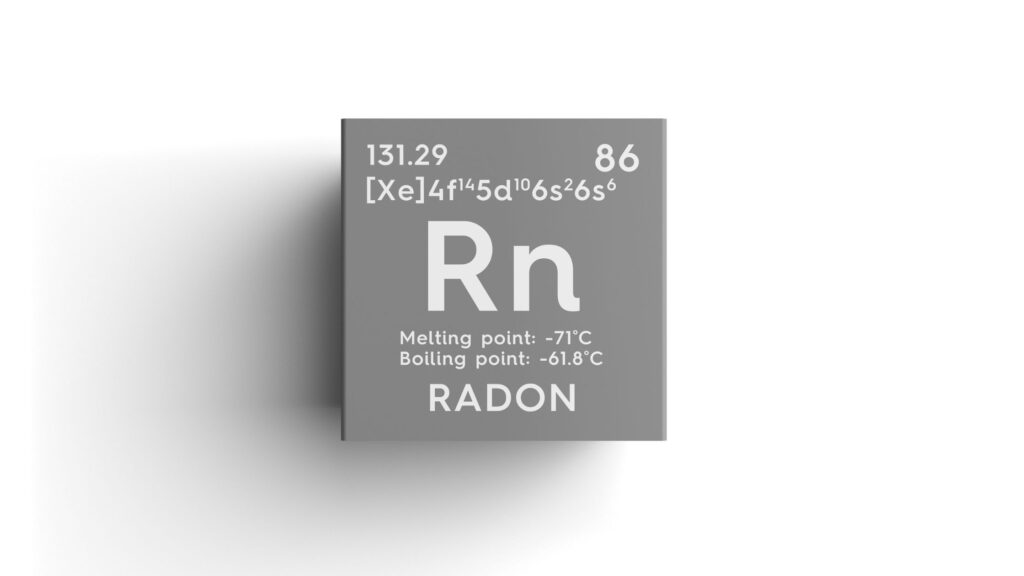
Radon Gas Mitigation Solutions
Radon Gas Mitigation systems reduce indoor radon by safely redirecting soil gases outside.
- Sub-Slab Depressurization: Pulls radon from beneath foundations before entering living spaces indoors.
- Vent Piping: This system directs trapped soil gases safely above the roofline and outside the home.
- Suction Fans: These specialized fans create steady airflow that effectively moves harmful radon away from homes.
- Crack Sealing: Sealing these common entry points blocks gas and improves overall system performance very effectively.
- Follow-Up Testing: Follow-up testing confirms mitigation success and actively supports long-term indoor air safety for residents.
Professional mitigation helps maintain safer breathing conditions and lasting home protection.
Importance of a Home Air Quality Check
A Home Air Quality Check helps identify radon risks and other hidden indoor air concerns. It gives homeowners a clearer view of overall breathing safety.
- Airborne Contaminants: Detects pollutants that affect indoor breathing conditions.
- Basement Ventilation: Reviews airflow where radon and moisture often collect first.
- Humidity Levels: Identifies excess moisture that may support mold growth.
- Air Circulation: Checks whether fresh air moves properly throughout rooms.
- Foundation Moisture: Finds damp areas that may signal air quality problems.
- Crawlspace Conditions: Evaluates spaces where radon and pollutants accumulate.
Overall, a complete inspection supports safer air, better ventilation, and stronger radon reduction results.
Choosing the Right Local Radon Testing Services
Selecting the right provider directly impacts testing accuracy and long-term safety results. Therefore, homeowners should evaluate companies carefully before scheduling inspections.
- Experience and Local Knowledge: Local specialists provide superior accuracy through regional soil and environmental expertise.
- Professional Certifications: Always verify certification credentials before hiring inspectors or mitigation specialists.
- Transparent Pricing: Reliable providers explain testing costs, mitigation estimates, and follow-up services clearly without hidden charges.
- Comprehensive Services: Full-service companies offer superior long-term support and comprehensive air monitoring.
Choose certified radon professionals for accurate testing, transparent pricing, and complete mitigation support to maintain safer long-term indoor air quality.
Final Safety Note for Homeowners
Radon safety should never depend on guesswork. Since levels fluctuate with seasons, weather, and ventilation, homeowners must treat testing as routine property care. Families using basements or lower-level rooms should prioritize monitoring indoor exposure. Professional testing also empowers confident decisions when buying, selling, or renovating. Scheduling timely inspections prevents future uncertainty and supports safer planning. For maximum protection, maintain records of every test and mitigation service. This creates a documented safety history, helping future buyers understand the home’s air quality. Ultimately, combining reliable testing, expert guidance, and proper mitigation ensures a much healthier and safer indoor environment for every family.
Conclusion
Local Radon Testing Services provide essential protection against one of the most dangerous hidden indoor air threats. Because radon exposure creates serious long-term health risks, professional testing remains critical for every homeowner and commercial property owner.
Additionally, Certified Radon Inspectors deliver accurate evaluations, reliable mitigation recommendations, and complete Home Air Quality Check solutions that improve indoor safety significantly. Professional Radon Gas Mitigation systems also help maintain healthier living conditions for years to come.For trusted testing, mitigation, and indoor air safety solutions, DSM Radon continues helping homeowners across Iowa protect their families and properties with professional expertise.