
Here is a connection most homeowners never make: radon and sump pumps are directly related, and the sump pit in your basement floor may be the single largest radon entry point in your entire home. That open hole does exactly what it was designed to do — connect your basement to the wet soil beneath and around your foundation. Unfortunately, soil gas rides in through the same connection, which is why homes with sump systems so often test high for radon.
The good news runs in both directions: the same pit that lets radon in can be converted into the most effective component of a radon mitigation system. Here is how the relationship works, how to seal a sump properly without wrecking its function, and when the pit becomes an asset instead of a liability.
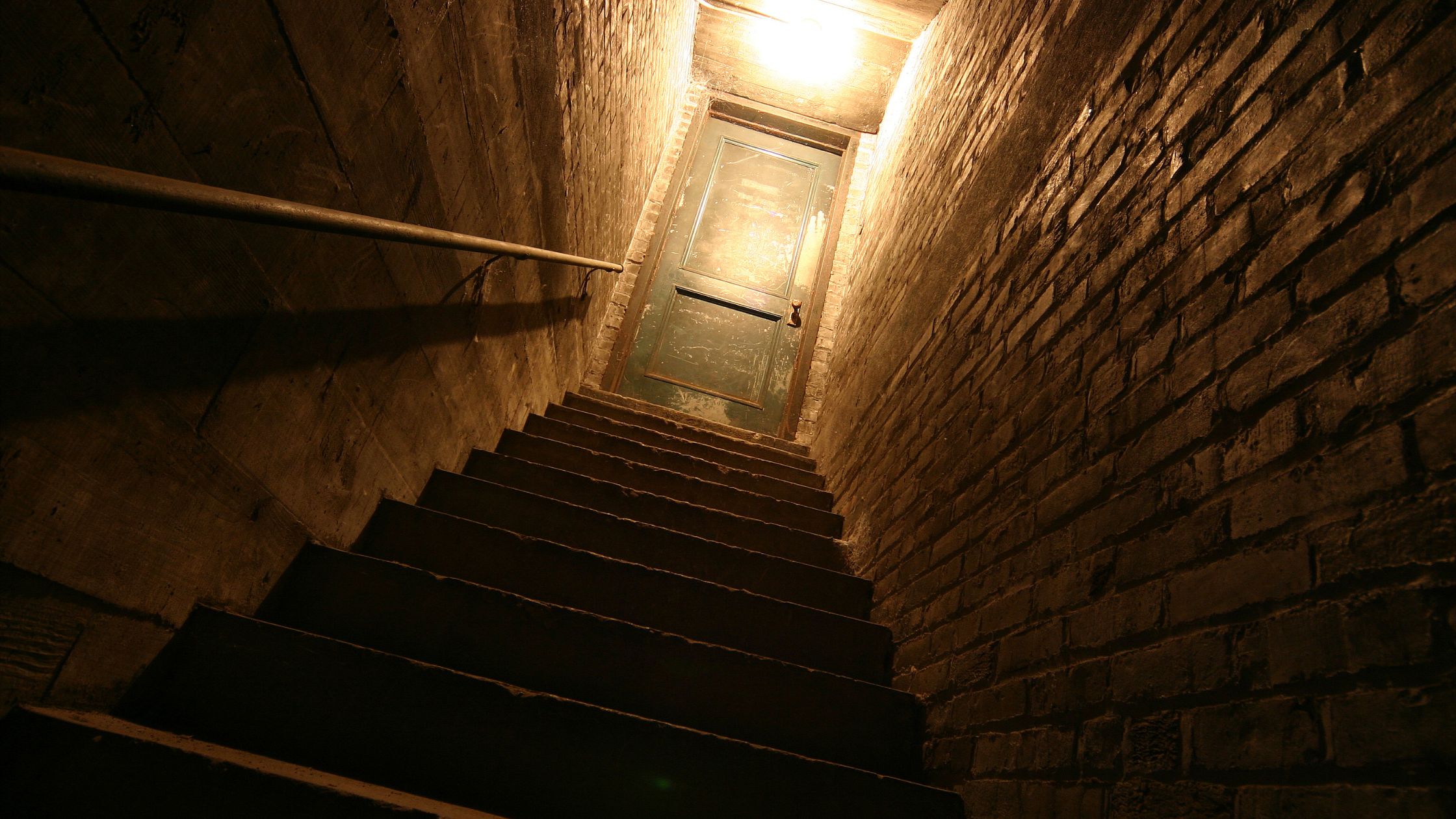
Why a Sump Pit Is a Radon Highway
Radon forms from the natural breakdown of radium in soil, and it moves through the ground toward areas of lower pressure — which usually means your basement. Most entry routes are cracks and gaps that let soil gas seep through slowly. A sump pit is different in kind, not just degree. It is a deliberately open, basketball-sized hole cut through the slab, and in most homes it connects to a perimeter drain tile loop: a buried pipe network that wraps the entire foundation footprint.
That drain tile is the detail that matters. It means your sump pit is not sampling soil gas from one spot — it is collecting it from around the whole foundation and delivering it to an open pit in your basement. Combine that with the stack effect, the gentle vacuum a heated home exerts on the soil beneath it, and an unsealed sump becomes a continuous delivery system for sump pit radon entry.
First Step: Test Before You Change Anything
If your home has a sump and you have never tested for radon, that is the place to start — not because a sump guarantees a problem, but because it raises the odds enough that guessing is foolish, especially in Iowa where roughly 7 in 10 homes already exceed the EPA action level of 4 pCi/L. Test in the basement or the lowest level your family uses. If you are unsure how to read the result, our plain-English explainer on what pCi/L means walks through every range.
Sealing a Sump Pit the Right Way
An airtight sump cover is one of the most cost-effective radon improvements available, and doing it correctly preserves every function of the pump:
- Use a purpose-made airtight lid — a rigid cover with a gasketed rim, not a loose plastic disc or plywood. Clear covers let you inspect the pump without opening the seal.
- Grommet every penetration — the discharge pipe, power cords, and any water lines pass through dedicated rubber grommets or sealed fittings, not oversized drilled holes.
- Seal the rim with removable caulk — you want an airtight bond you can still cut open for pump service.
- Add a floor drain valve if needed — if surface water must drain into the pit, a one-way drain fitting lets water down without letting gas up.
- Keep it serviceable — sump pumps fail eventually; a sealed lid you cannot remove is a flood waiting for a plumber.
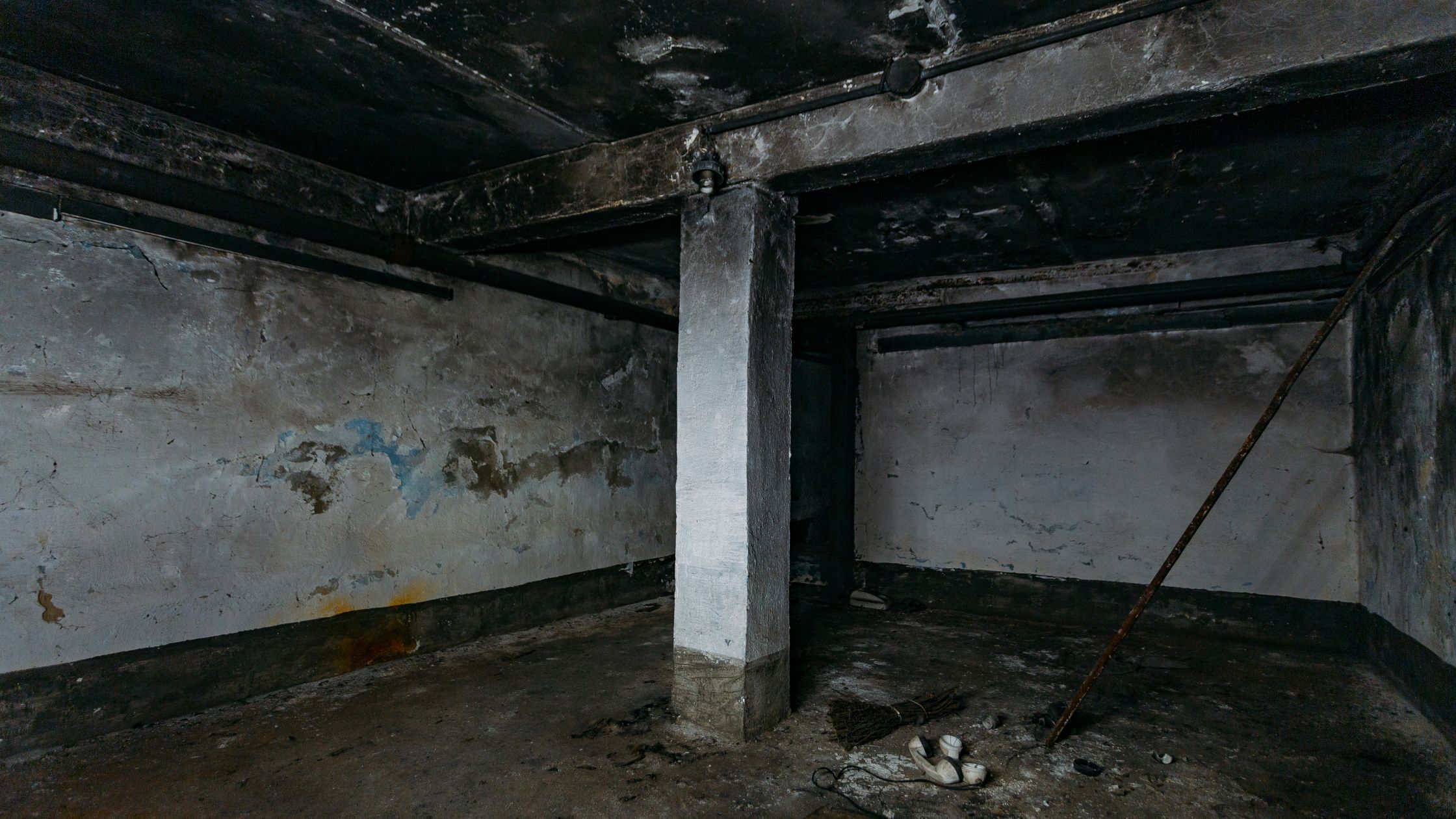
What Sealing Alone Can and Cannot Do
Be realistic about the payoff. Sealing the sump closes a major entry door, and in homes with modest elevations it can meaningfully lower readings. But sealing alone rarely fixes a genuinely high radon level, because soil gas still finds slab cracks, wall joints, and porous block. Think of a sealed sump lid as the essential preparation step — it makes any mitigation system dramatically more effective by stopping the biggest pressure leak in the slab. Retest a few weeks after sealing: if levels remain at or above 4 pCi/L, the next step is active mitigation.
The Upgrade: Turning Your Sump Into a Mitigation Powerhouse
Here is where the story flips. In homes with drain tile, mitigation professionals often use the sump pit itself as the suction point for a sub-slab depressurization system — sometimes called sump-pit or drain-tile suction. A sealed, airtight lid goes on the pit, a suction pipe passes through it, and a continuously running fan pulls air from the pit, through the entire drain tile loop, and vents it above the roofline.
Because the drain tile already wraps the foundation, the system applies vacuum around the full footprint of the house — often achieving better coverage than a single hole drilled through the slab. It is frequently the most effective and least invasive mitigation design available, routinely cutting levels by 50 to 99 percent. You can read how the underlying method works in our post on sub-slab depressurization systems.
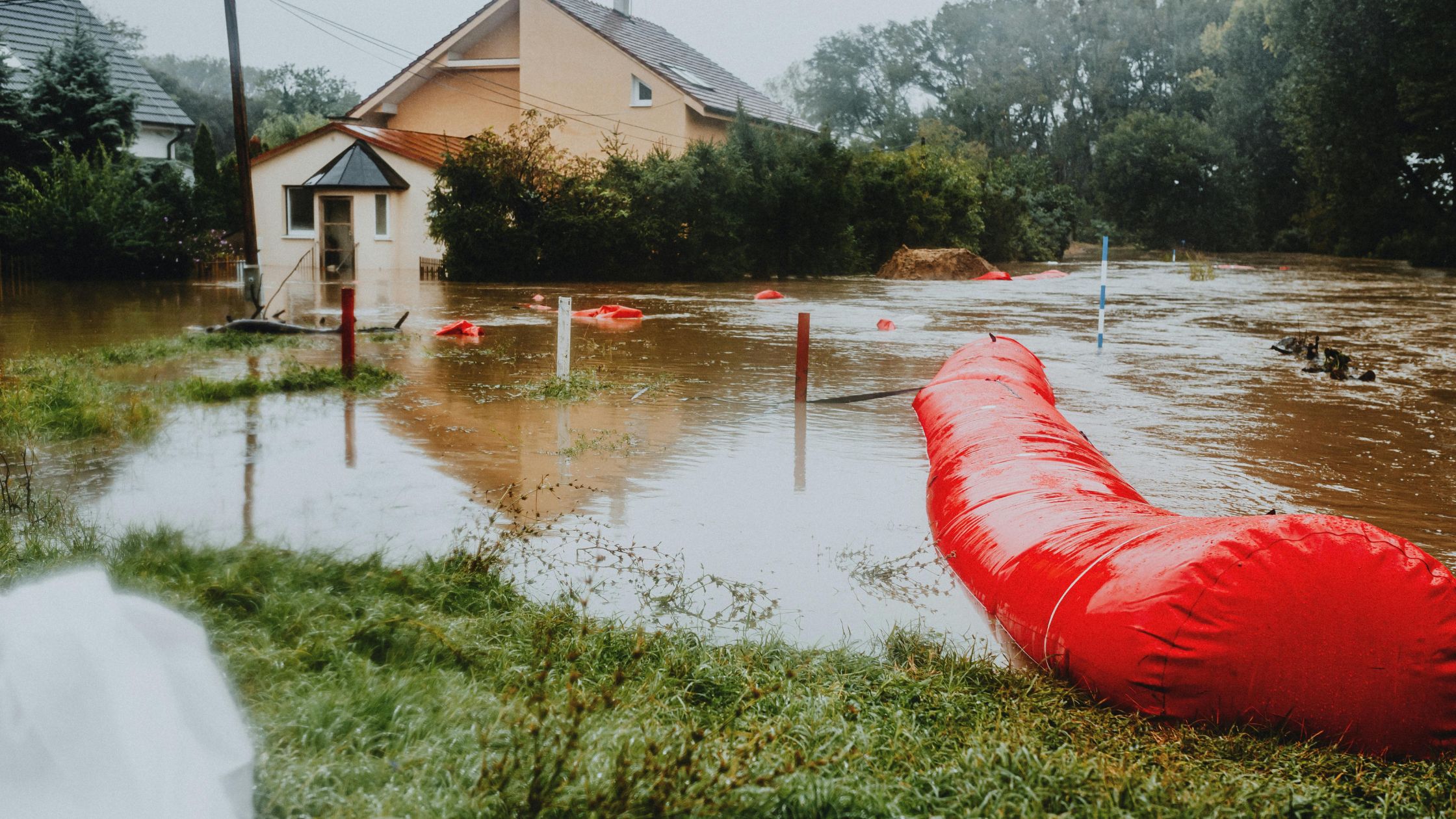
The Iowa Factor: Wet Basements and Rich Soil
Sump systems are common in Iowa precisely because our clay-heavy soils hold water against foundations, and that same geology is why our radon runs so high: glacial deposits across the state carry unusual concentrations of radium, the element that decays into radon. The result is a double coincidence — the homes most likely to need a sump pump sit on the soils most likely to produce serious radon. Central Iowa sits in EPA Zone 1, the highest radon-potential category, which is why mitigation professionals here treat every sump pit as a probable gas pathway until a test proves otherwise.
If your basement also shows moisture symptoms — efflorescence on the walls, a musty smell, seasonal seepage — address water and radon together. Drainage improvements that move water away from the foundation change the pressure dynamics under the slab, and radon readings often shift afterward, which is one more reason the retest step is not optional.
Mistakes to Avoid
- Plugging the drain tile inlets — blocking water pathways to stop gas trades a radon problem for a flooded basement
- Sealing the pit with permanent adhesive — your pump needs service access; use removable sealant
- Ignoring the pit during basement finishing — boxing an unsealed sump behind drywall builds a radon reservoir into your living space
- Assuming a water-powered backup pump changes nothing — extra plumbing penetrations need sealing too
- Skipping the retest — every change to a slab, pit, or drainage system deserves a follow-up radon test
Common Questions About Radon and Sump Systems
Does every home with a sump pump have radon?
No — but homes with sumps and drain tile have a built-in collection network for soil gas, so they deserve testing more than most. The only way to know is a test; two similar houses on the same street can differ several-fold.
Can radon come up through the sump discharge line?
The discharge line itself is water-filled when operating and check-valved, so it is a minor pathway compared to the open pit. Seal the pit and the line penetrations and you have addressed the meaningful routes.
Will a sealed sump lid make my pump overheat?
No. Sump pumps are designed to run submerged or in enclosed pits, and an airtight lid does not restrict the water inflow they need. If anything, a lid keeps debris out and extends pump life.
Have a Sump Pit and a High Radon Number?
That combination is actually good news — your home is a strong candidate for one of the most effective mitigation designs there is. DSM Radon installs sealed sump covers and drain-tile suction systems across the Des Moines metro, with guaranteed post-installation results. Call (515) 210-4407 or request a free estimate and we will tell you exactly what your pit can do for you.