
Radon Health in Iowa: Hidden Cause of Lung Cancer
Radon health concerns rise fast in Iowa because many homes can trap an invisible gas that increases lung cancer risk over time. In fact, many people focus only on smoking when they search for the causes of lung cancer in Iowa, yet radon exposure quietly adds serious risk in many Iowa properties. Moreover, Iowa’s geology […]
Economic Impact of Radon: What It Costs

Waiting on radon action increases hidden costs. It slows decisions, distracts teams, and forces repeated discussions without proof. Meanwhile, unclear indoor air risk weakens trust with employees, tenants, and buyers. Moreover, late testing creates rushed mitigation timelines, causing more disruption, coordination pressure, and operational delays. Additionally, leaders spend extra time managing concerns, updating stakeholders, and […]
Radon Mitigation for Iowa Businesses: A Vital Step for Safety

Radon gas is a significant threat to indoor air quality, impacting both residential and commercial properties. For Iowa businesses, mitigating radon is essential to protect the health and safety of employees, customers, and visitors. Prolonged radon exposure can cause serious health issues, including lung cancer, making it crucial for business owners to take preventive measures. […]
Radon Danger in the Midwest: A Practical Home Guide
Radon does not smell, and it does not irritate your throat. However, it can still build up indoors and raise long-term health risks. Therefore, you need a clear way to understand your test result and take the next right step. This guide explains why radon is dangerous in the Midwest, how radon levels behave, and […]
Gail Orcutt Radon School Safety Act: Requirement Guide
School leaders protect learning when they protect indoor air with repeatable systems. Therefore, districts should treat radon control like a standard safety program, not like a one-time task. Additionally, a documented process keeps every building on the same standard, even when staff roles change or schedules shift. Moreover, consistent records and clear next steps help […]
Radon in Groundwater: A Growing Concern for Iowa Homes
Radon creates a unique challenge in Iowa because it can affect homes through more than one pathway. In addition to entering through soil beneath a structure, radon can also move through groundwater and be released into indoor air when water is used. Therefore, homeowners must understand both pathways to manage exposure correctly. When you understand […]
Climate Change Impact On Radon Levels In Iowa

Indoor air quality can shift even when you change nothing inside your home. Iowa already faces high radon potential, and climate-driven weather patterns can add more variability to how radon moves through soil and into buildings. Therefore, understanding the climate change impact on radon levels in Iowa helps homeowners and facility teams plan consistent testing, […]
Radon Mitigation Access for Low-Income Iowa Homes

Radon exposure is a significant concern in Iowa, where radon levels are among the highest in the United States. This odorless, colorless gas seeps into homes from the soil and can lead to severe health problems, particularly lung cancer. The EPA has set an action level of 4 picocuries per liter pCi/L for radon in […]
Understanding Radon Entry Due to Negative Pressure in Basements
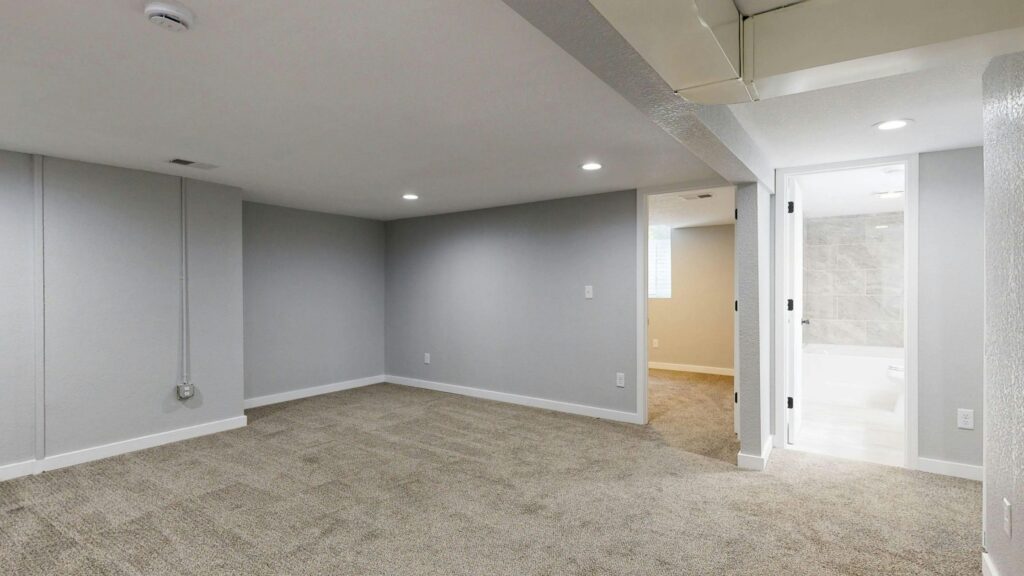
Radon forms naturally when uranium breaks down in soil and rock, and it can build up inside homes without any clear warning. Since radon has no smell or color, homeowners must understand what causes it to enter indoor spaces. One major reason is air pressure imbalance, especially in areas below ground level. In many homes, […]
Radon Risk After Pest Control: What Homeowners Should Do Next
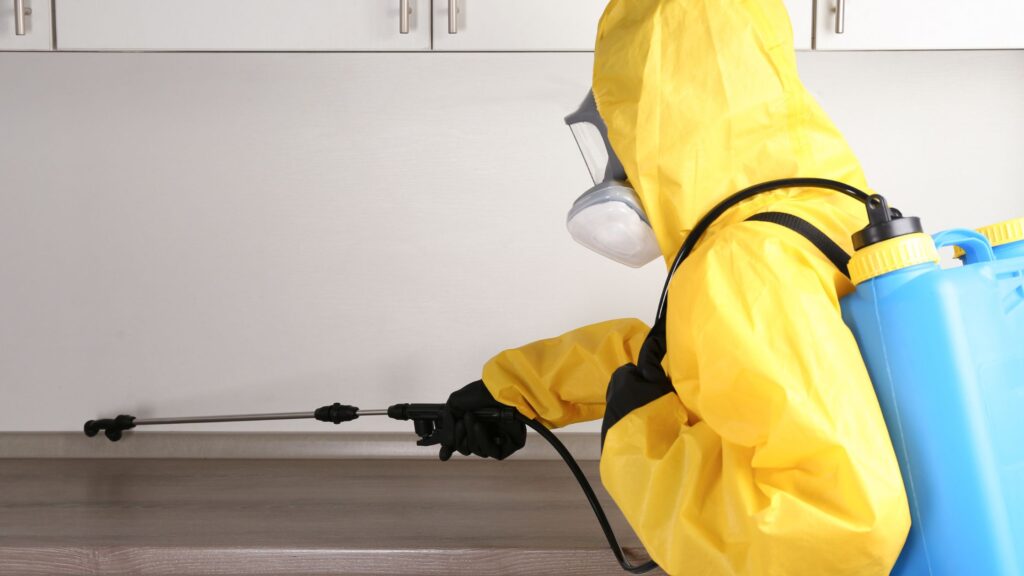
Pest control keeps your home safer, but it can also change how air flows inside. Since radon slips in through small foundation gaps and moves with pressure changes, even minor shifts in sealing, ventilation, or the soil around your home can change indoor levels. That’s why radon risk after pest control should be treated as […]