
Fortify Radon-Resistant New Construction: Pure Prowess
Radon exposure causes serious indoor air concerns across the United States. According to the United States Environmental Protection Agency, radon remains one of the leading causes of lung cancer among non-smokers. Therefore, homeowners and builders now prioritize smarter construction methods that reduce long-term health risks before occupants move in. Radon-Resistant New Construction helps prevent harmful […]
Essential Guide to Radon Mitigation Systems and Water Safety
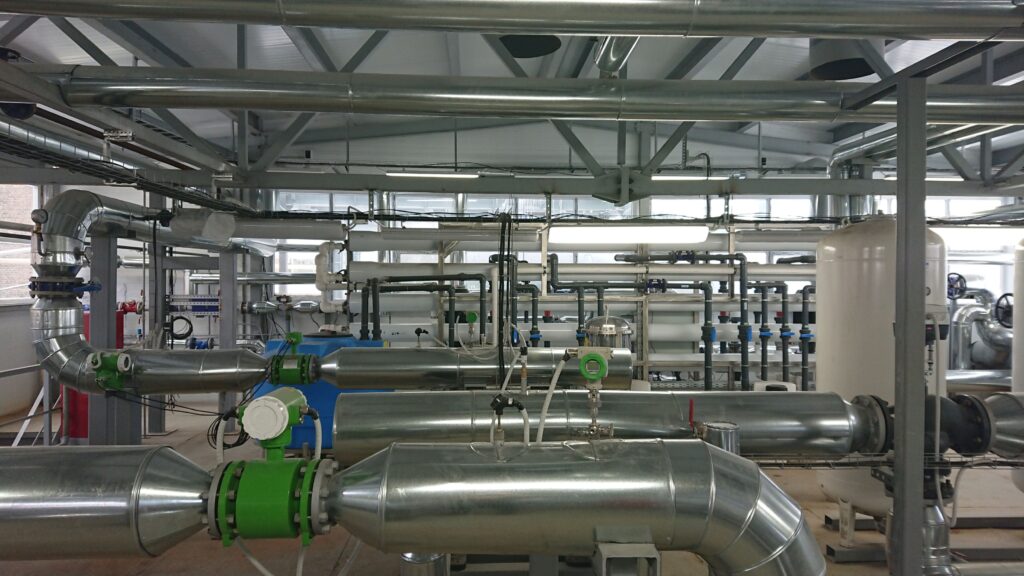
Radon is an invisible, odorless, and radioactive gas that poses a significant health risk. Especially in areas where it enters homes through the air or water supply. Radon exposure is the second leading cause of lung cancer, making radon testing and mitigation essential for homeowners to reduce potential harm and improve indoor air and water […]
Economic Cost of Radon Exposure: A Guide for Iowa

The economic cost of radon exposure in Iowa grows quietly in basements, schools, and workplaces. Iowa’s radon survey found that 71.6% of tested homes exceeded the EPA action level of 4 pCi/L. Therefore, many families carry risk before they even suspect a problem. In this guide, you will learn where costs actually come from, how […]
Radon Health in Iowa: Hidden Cause of Lung Cancer
Radon health concerns rise fast in Iowa because many homes can trap an invisible gas that increases lung cancer risk over time. In fact, many people focus only on smoking when they search for the causes of lung cancer in Iowa, yet radon exposure quietly adds serious risk in many Iowa properties. Moreover, Iowa’s geology […]
Radon Mitigation for Iowa Businesses: A Vital Step for Safety

Radon gas is a significant threat to indoor air quality, impacting both residential and commercial properties. For Iowa businesses, mitigating radon is essential to protect the health and safety of employees, customers, and visitors. Prolonged radon exposure can cause serious health issues, including lung cancer, making it crucial for business owners to take preventive measures. […]
A Guide to Radon Mitigation for Public Projects in Ankney
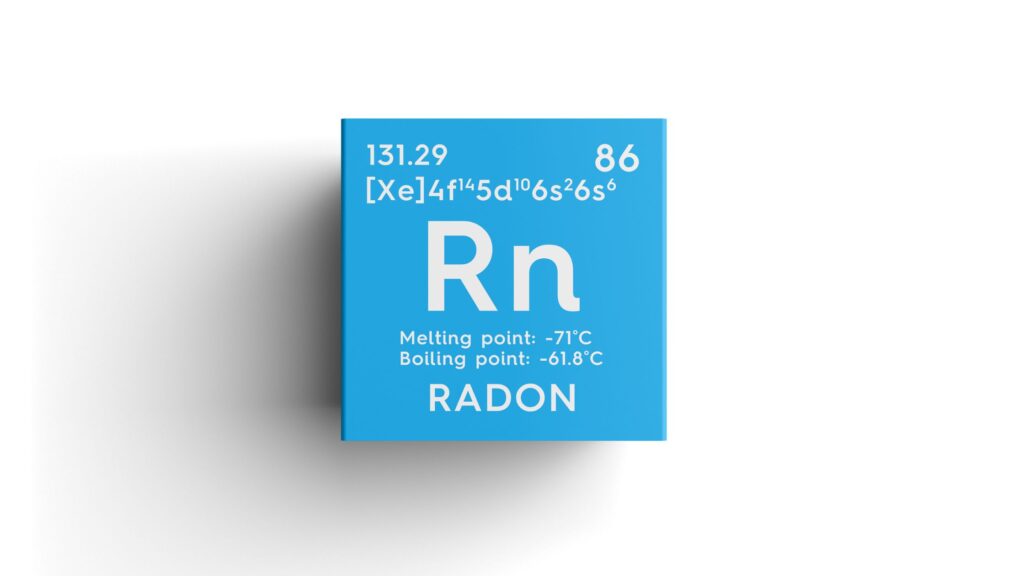
Public buildings must protect many people at once, so you need radon control that stays measurable, repeatable, and easy to manage. Moreover, public projects involve approvals, schedules, and documentation, so you must build a workflow that supports each step without guesswork. This guide explains how to plan radon mitigation for public projects from early testing […]
Post-Renovation Radon Testing: Keep Your Home Safe
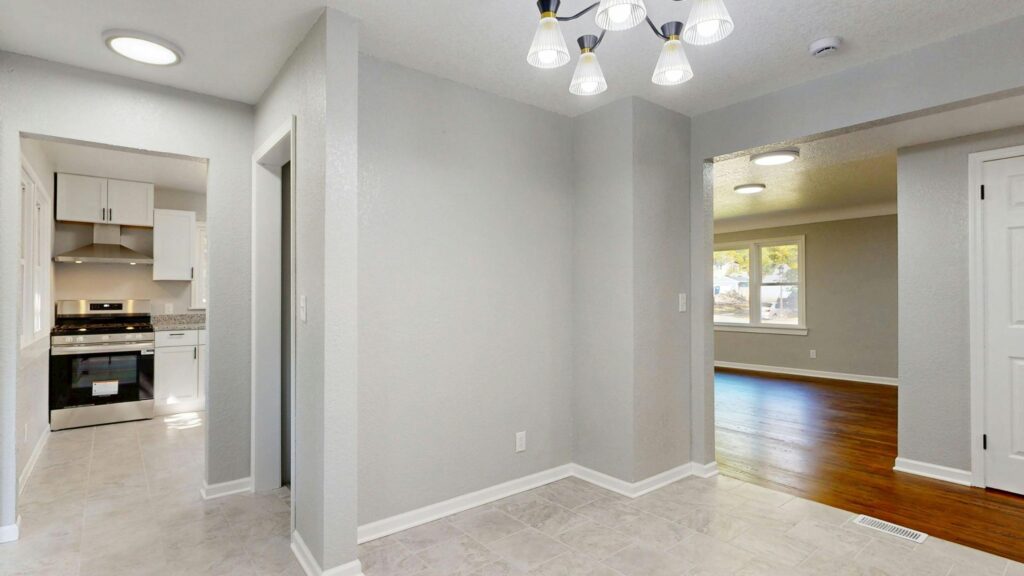
Home renovations can completely transform your living space, but they can also unknowingly affect the air quality in your home. One of the hidden dangers that can arise after remodeling is radon — a radioactive gas that enters your home from the soil beneath your foundation. Radon testing after home renovation is crucial to ensure […]
Dehumidifier’s Role in Lowering Radon Levels – A Complete Guide

Radon is a hazardous, naturally occurring gas that can accumulate in your home, particularly in spaces like basements or crawl spaces. It is undetectable by sight, smell, or taste, which makes it a hidden threat. Radon can enter your home through cracks in the foundation, walls, or floors, making it a widespread concern for homeowners. […]
Radon in Split-Level Homes: Hidden Risks Explained
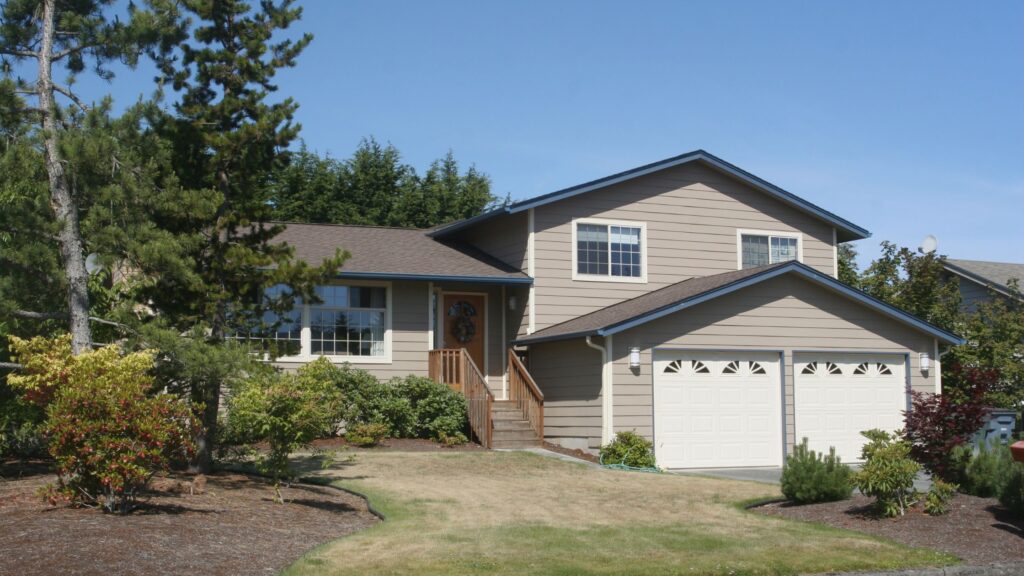
Split-level homes offer visual separation and efficient use of space. However, this design also influences how air moves through the structure. Because radon travels through pressure differences and foundation openings, split-level layouts often experience uneven radon distribution. Therefore, homeowners must understand how this architectural style affects indoor air quality and long-term safety. Radon remains invisible […]
Inhaling vs. Ingesting Radon: Key Differences and Health Implications
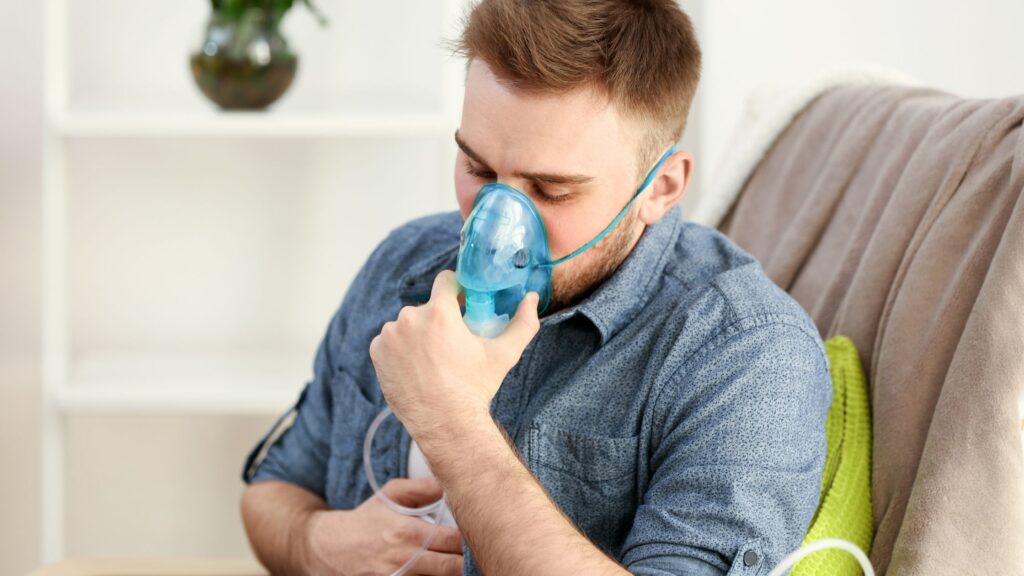
Radon is a naturally occurring radioactive gas that forms when uranium, thorium, and radium in the earth’s crust break down. It can seep into buildings through cracks in foundations and openings in walls or floors. Although radon is colorless, odorless, and tasteless, elevated levels indoors can pose serious health risks, particularly to the lungs. Many […]