
Radon in Split-Level Homes: Hidden Risks Explained
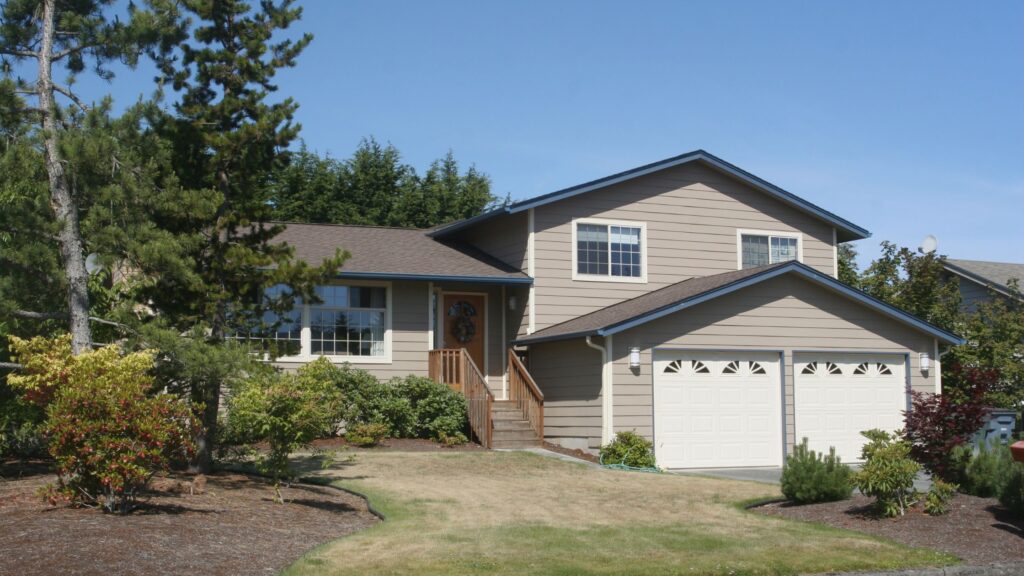
Split-level homes offer visual separation and efficient use of space. However, this design also influences how air moves through the structure. Because radon travels through pressure differences and foundation openings, split-level layouts often experience uneven radon distribution. Therefore, homeowners must understand how this architectural style affects indoor air quality and long-term safety. Radon remains invisible […]
Waterproofing to Reduce Radon Levels in Homes – A Detailed Guide
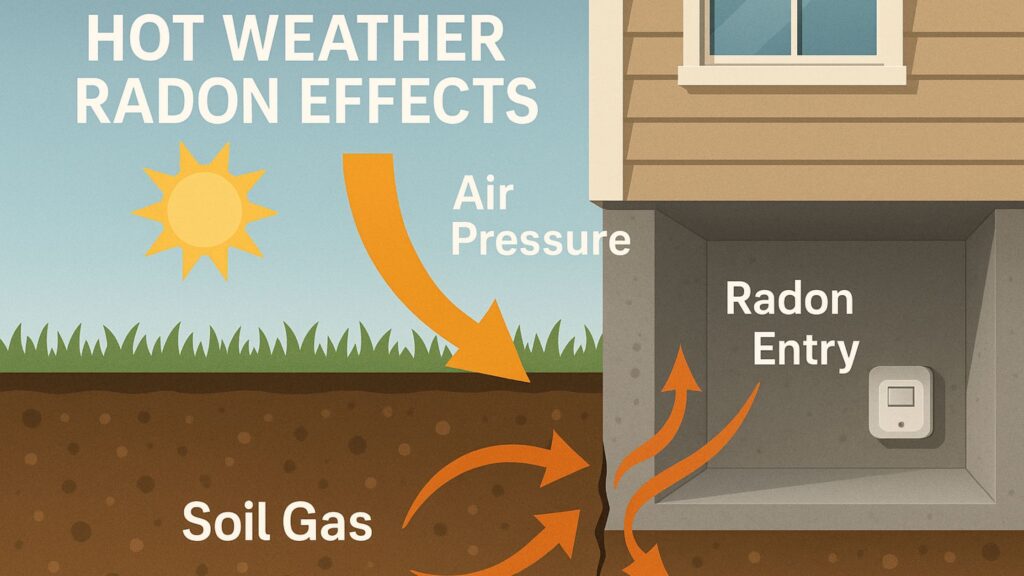
Radon often enters homes through cracks, gaps, and porous materials in the foundation. Because of that, many homeowners ask whether waterproofing can reduce radon in a meaningful way. This article explains how waterproofing affects radon entry, when it becomes helpful, and when a dedicated mitigation system remains necessary. The goal is to provide clarity without […]
Reasons Why Radon Is Worse in Rural Iowa Homes Than in the City
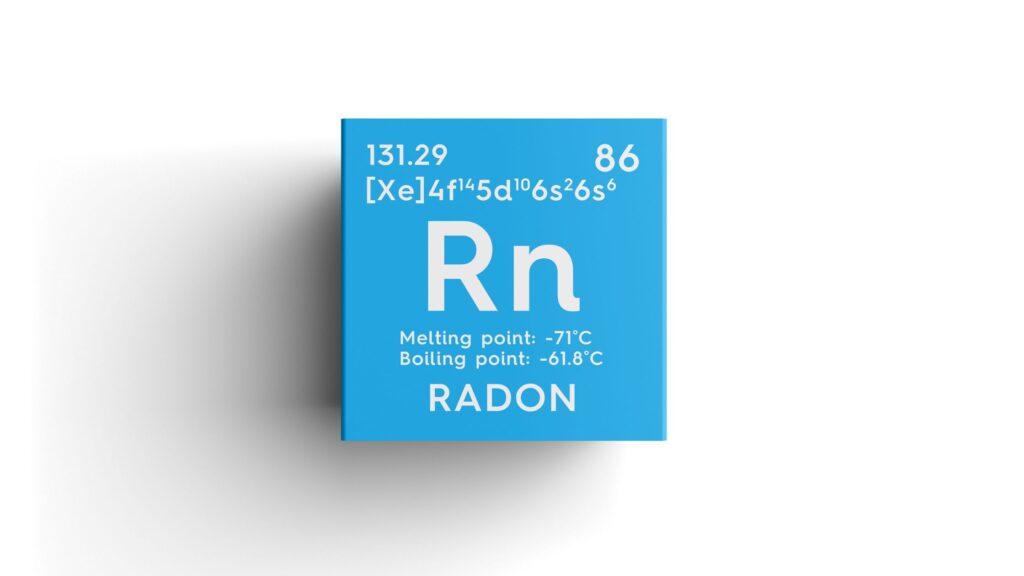
Iowa consistently ranks among the most dangerous states for radon exposure, yet a common misconception persists that the open countryside offers protection. In reality, geological and structural factors create a unique environment that traps radioactive gas. Understanding why radon is worse in rural Iowa homes than in the city is the first step toward protecting […]
Are Air Purifiers Effective Against Radon? – A Practical Home Guide

Homeowners often wonder, Are Air Purifiers Effective Against Radon? as they look for effective methods to create cleaner, healthier indoor air. Radon remains a hidden health concern because it enters homes silently through soil, cracks, and foundation gaps. Although air purifiers help clean the air in many situations, radon behaves differently from typical airborne particles. […]
How Foundation Types in Iowa Affect Radon Levels in Homes

Iowa soil naturally contains high levels of uranium. As this element decays, it releases radioactive radon gas into the surrounding earth. Unfortunately, this invisible danger eventually enters countless homes across the state. Specifically, the construction style of a house determines the entry points and the severity of the accumulation. Therefore, understanding how Foundation Types in […]
Radon Levels Spike During Winter: Take Protective Measures for Your Family
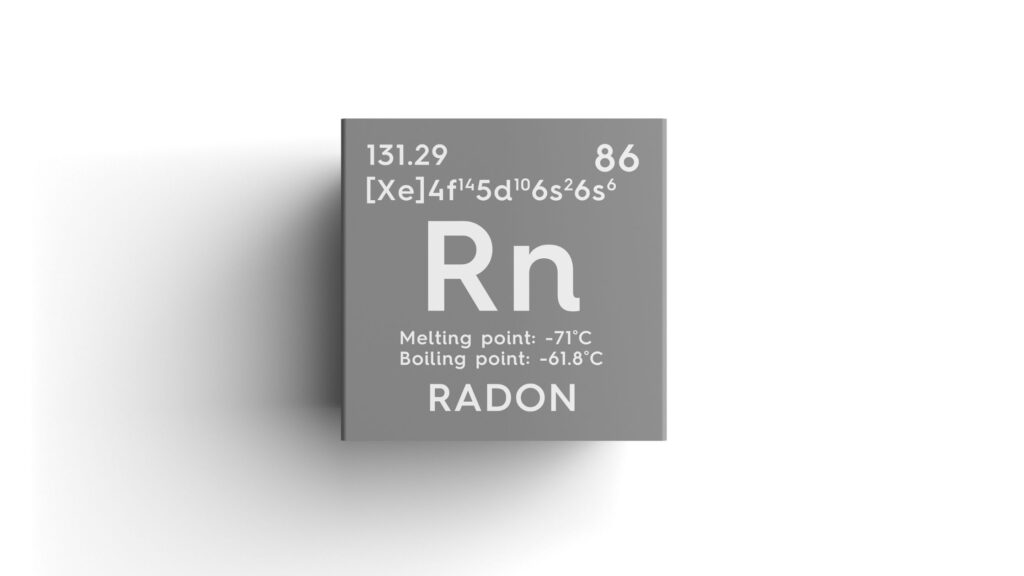
With the arrival of colder months, families instinctively focus on maintaining a cozy and warm indoor environment. You likely seal your windows and inspect your insulation to keep the cold outside. However, while you work to keep heat inside, you inadvertently create an environment that traps a dangerous, invisible gas. Health experts and environmental scientists […]
Radon Mitigation Annual Check-up: Ensuring Safety
Radon is a hidden threat, and while installing a mitigation system is a crucial first step, it’s not enough on its own. To ensure your indoor air remains safe, you need ongoing maintenance. That’s where a Radon Mitigation System Annual Check-up comes in. This article explains why the check-up is essential, what it includes, and […]
The Complete Guide to Reading Your Radon Manometer Effectively
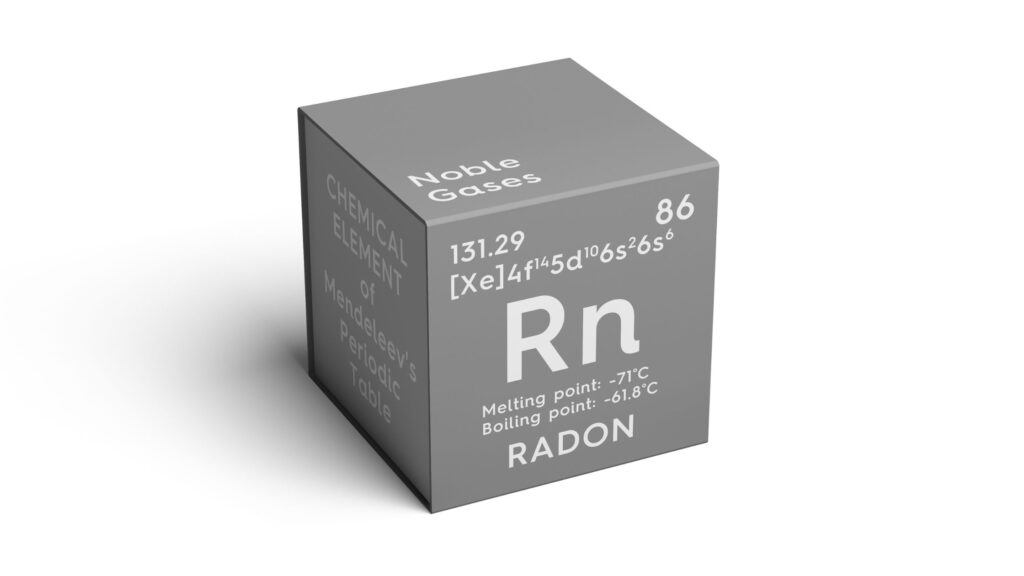
Radon gas is a serious health concern for many homeowners, but fortunately, radon mitigation systems can help reduce the risks. A crucial part of these systems is the radon manometer, a device used to measure the suction pressure in your radon mitigation system. Understanding how to read your radon manometer effectively is essential to ensure […]
Post-Mitigation Radon Testing: Ensuring Safe Indoor Air Quality
After radon mitigation is installed in your home or workplace, the next crucial step is to ensure its effectiveness. Post-mitigation radon testing serves as the final check to confirm that the system is doing its job in reducing radon levels to safe concentrations. Many people mistakenly believe that once mitigation is installed, the job is […]
Radon-Resistant New Construction: Protecting Your Home from Radon Exposure
Radon is a naturally occurring radioactive gas that is the second leading cause of lung cancer, according to the U.S. Environmental Protection Agency (EPA). It’s colorless, odorless, and tasteless, making it difficult to detect without the proper equipment. Because of this, radon-resistant new construction is becoming increasingly important for homeowners looking to minimize their exposure […]