
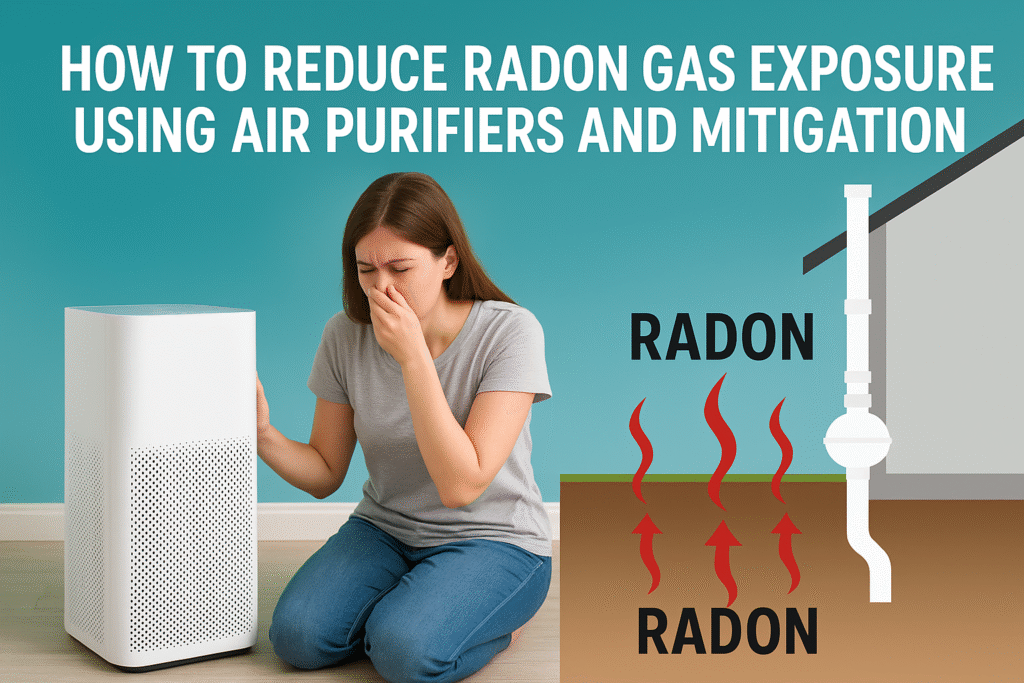
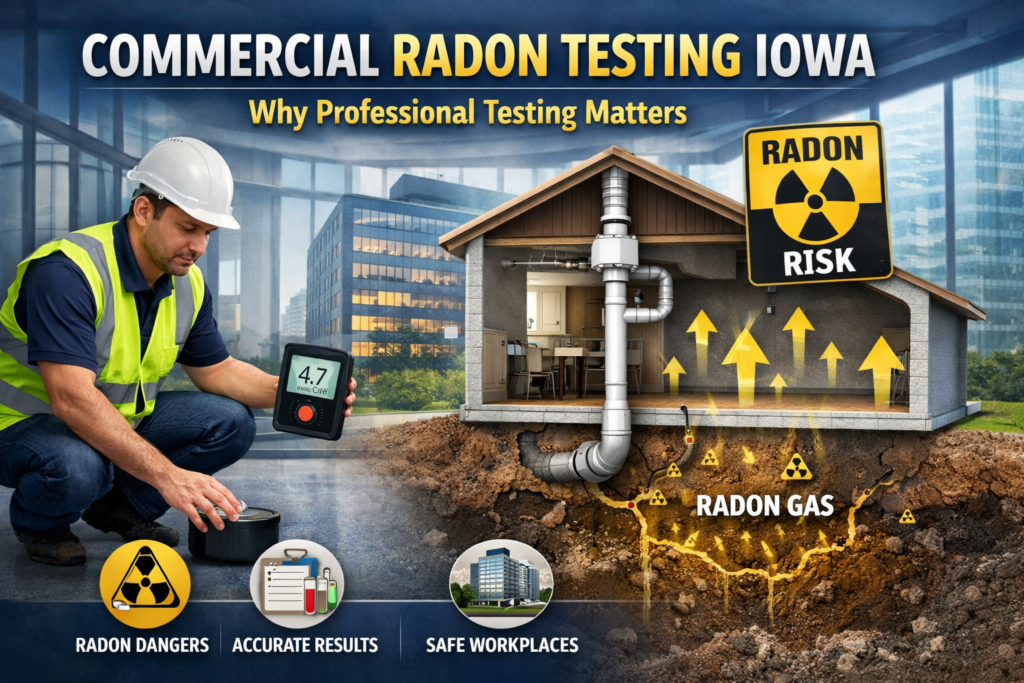
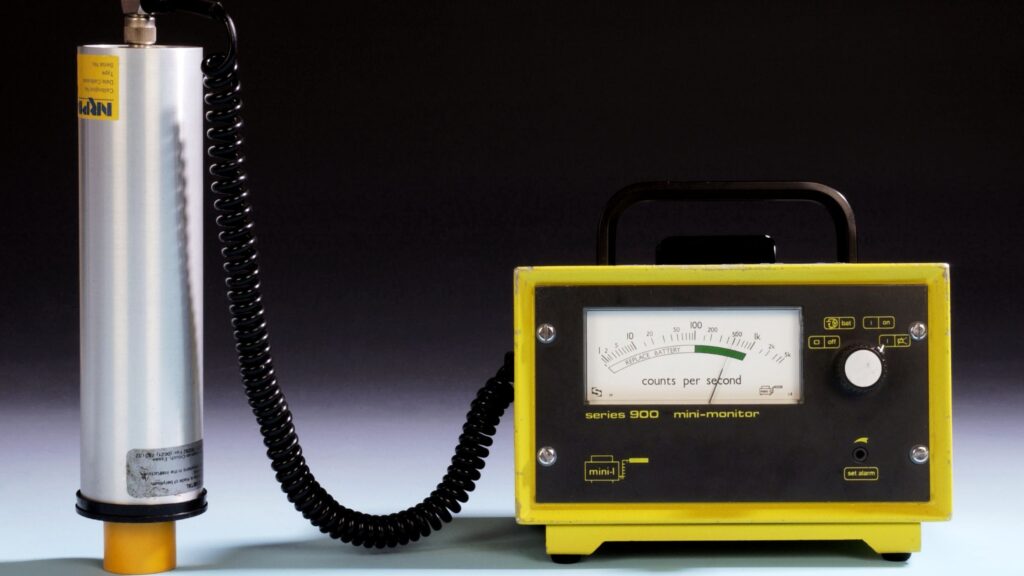
Radon gas is a serious health risk and is the second leading cause of lung cancer. It enters homes unnoticed, making detection through regular air quality checks difficult. While air purifiers are effective at filtering out dust, allergens, and other pollutants, they cannot remove radon gas itself. The most effective way to reduce radon exposure is through radon mitigation systems, which prevent the gas from infiltrating your home. In this article, we’ll explore how to reduce radon gas exposure using both methods for a safer, healthier home.

What is Radon Gas?
Radon is a naturally occurring, invisible, odorless gas that comes from the breakdown of uranium in soil and rock. Because it has no taste or smell, you cannot detect it without testing. Radon enters buildings through foundation cracks, gaps around pipes, sump pits, and other openings beneath slabs or in crawl spaces. Over time, the gas can accumulate in indoor air and pose serious health risks. Prolonged exposure to elevated radon levels increases the chance of lung cancer. For that reason, indoor radon exposure receives a major focus in air‑quality and health assessments.
What Are Air Purifiers and What Effect Do They Have?
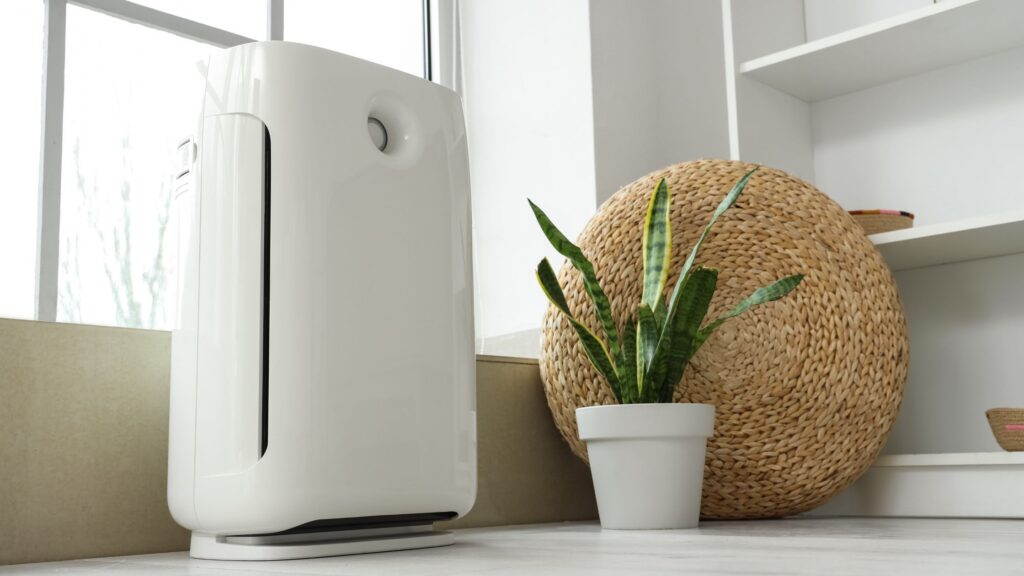
Air purifiers are devices designed to clean indoor air by removing particulates, allergens, smoke, volatile organic compounds, and some airborne contaminants. Common technologies include HEPA filters, activated carbon filters, and sometimes UV light or ionization.
In the context of radon, air purifiers do not remove radon gas itself, because radon is an inert, noble gas that filters cannot reliably capture. However, air purifiers can reduce the radon decay products (those tiny radioactive particles that form after radon decays) which can attach to dust and aerosols in the air. Therefore, while air purifiers improve general indoor‑air quality, they are not a stand‑alone solution for radon gas. Learn more about All about Indoor Air Quality Services.
How Radon Mitigation and Air Purifiers Work Differently
Radon gas is a serious health concern, and addressing it requires the right approach. Radon mitigation systems directly tackle the gas, while air purifiers improve indoor air quality by filtering particulates.
1. Purpose of Radon Mitigation
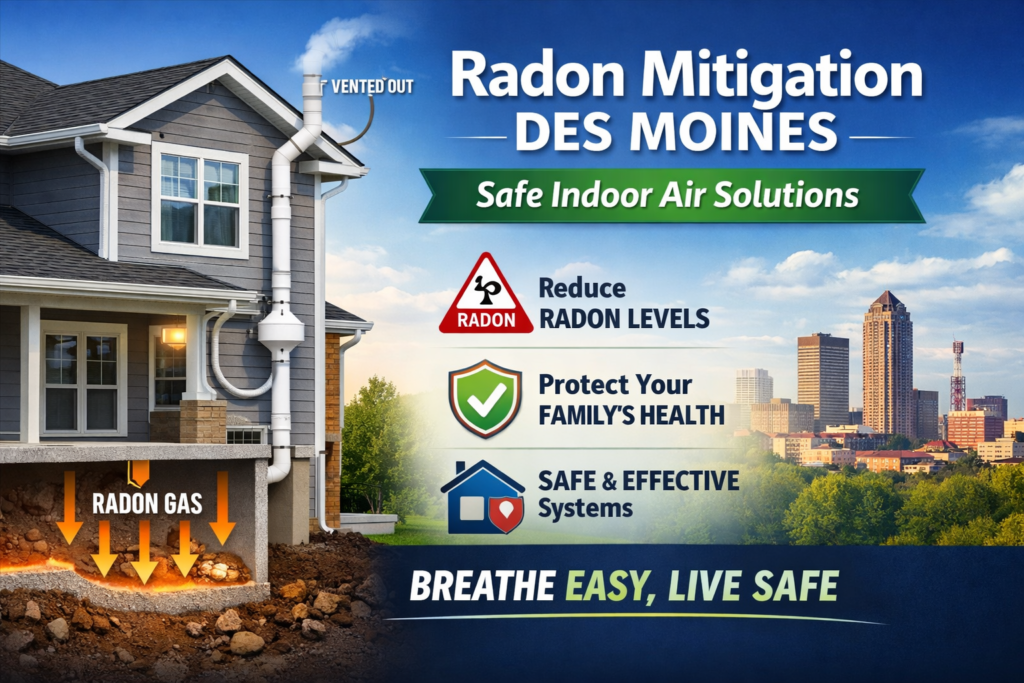
Radon mitigation systems are designed to reduce radon gas levels directly by preventing it from entering the home. They work by creating a continuous flow of air that vents radon gas outside. Unlike air purifiers, they tackle the root cause of radon exposure.
2. How Air Purifiers Work
Air purifiers, on the other hand, improve indoor air quality by filtering out particulates like dust, pollen, and smoke. While they can reduce radon decay products attached to dust particles, they cannot remove radon gas itself. Therefore, air purifiers serve as a secondary measure.
3. Radon Gas Reduction Efficiency
Radon mitigation systems are highly effective at reducing radon levels, often by more than 99%. They target the gas itself, significantly lowering the risk of exposure. Air purifiers are not equipped to address radon gas, focusing only on airborne particulates and allergens.
4. Targeted Approach
Radon mitigation systems are specifically engineered for radon gas, making them the most efficient way to reduce exposure. Air purifiers are general air quality devices and can only indirectly help with radon by filtering particles, not the gas itself. They are not designed for radon control.
5. Long-Term Solution
Radon mitigation provides a long-term, permanent solution to radon exposure by addressing the source of the gas. Air purifiers, while useful for improving air quality, require regular maintenance and are not effective in eliminating radon gas in the long run. Mitigation is a one-time fix.
Radon mitigation is the most effective long-term solution for reducing radon exposure. Air purifiers are useful for improving air quality but should be used as a supplementary measure. Together, they ensure a safer indoor environment.
Efficient Maintenance of Radon and Air Purifiers
Once both the mitigation system and air purifier are in place, follow these best practices:
- Retest your home every 2 to 5 years, or sooner if you remodel or change the foundation, as radon levels can change over time.
- Monitor the fan in your mitigation system. Many systems come with a manometer or indicator that signals fan failure.
- Keep the vent pipe clear and ensure the exhaust outlet is unobstructed and above the roof line.
- Seal obvious cracks in floors and walls to support the mitigation system and reduce radon entry points.
- Maintain good ventilation inside the home—while the mitigation system handles radon entry, fresh air helps overall indoor‑air health.
By actively using both systems and maintaining them properly, you reduce radon exposure and improve indoor air quality.
Conclusion
In summary, dealing with Air Purifiers and Radon Gas means taking a two‑pronged approach: first reducing the source of radon through professional mitigation, then improving your indoor air with a high‑quality purifier. Only by combining these tools do you build a truly safe and healthy indoor space. For professional testing and mitigation services, you can rely on DSM Radon. Start today by having your home tested, installing mitigation if needed, and enhancing air quality with the right purifier system. Protect your family and breathe easier.
FAQs
1: Can an air purifier alone remove radon gas from my home?
No, an air purifier alone cannot remove radon gas because radon is an inert gas that filters cannot reliably capture.
Q2: How often should I test my home for radon gas?
You should test every 2 to 5 years, or sooner if you renovate, change the foundation, or suspect a change in radon entry pathways.
Q3: What is the recommended threshold for radon gas where mitigation is needed?
According to trusted guidelines, if radon levels exceed about 4 pCi/L in the air, mitigation is strongly recommended.
Q4: How do I choose a good mitigation company?
Look for a company that offers both testing and mitigation, is certified, offers a free estimate and tailored plan, provides warranties or guarantees, and installs systems that minimise intrusion while maximizing results.