
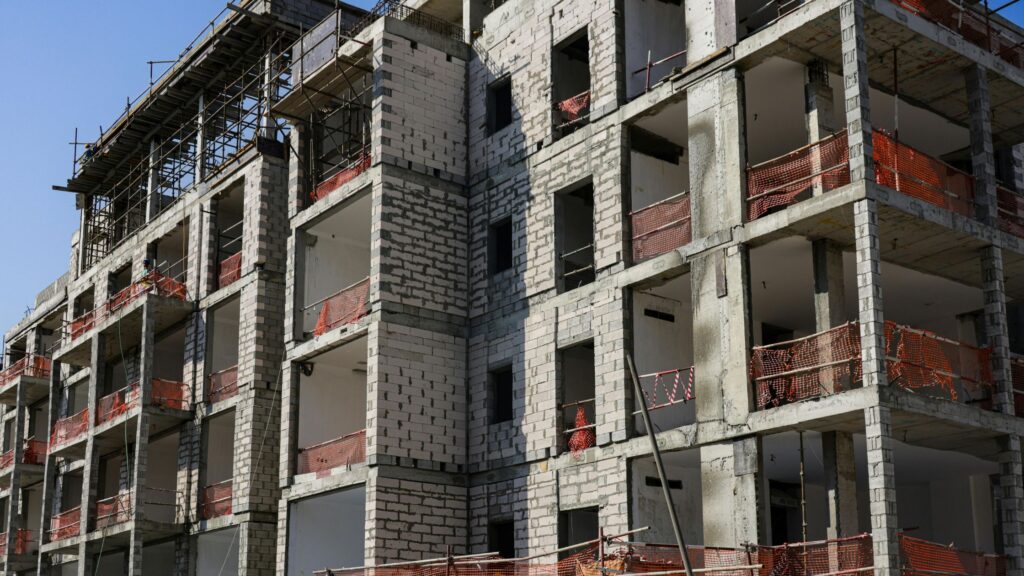

Building a new home in Ankeny represents a fresh start, modern design, and long-term investment. However, new construction does not automatically eliminate environmental concerns. Although modern building techniques improve efficiency, they can also seal homes more tightly, which limits natural airflow. As a result, certain gases that originate beneath the structure may accumulate indoors without obvious warning signs. Understanding Ankeny’s new construction radon risk helps homeowners make informed decisions that protect both health and property value from the very beginning.
What Radon Is and How It Enters New Homes
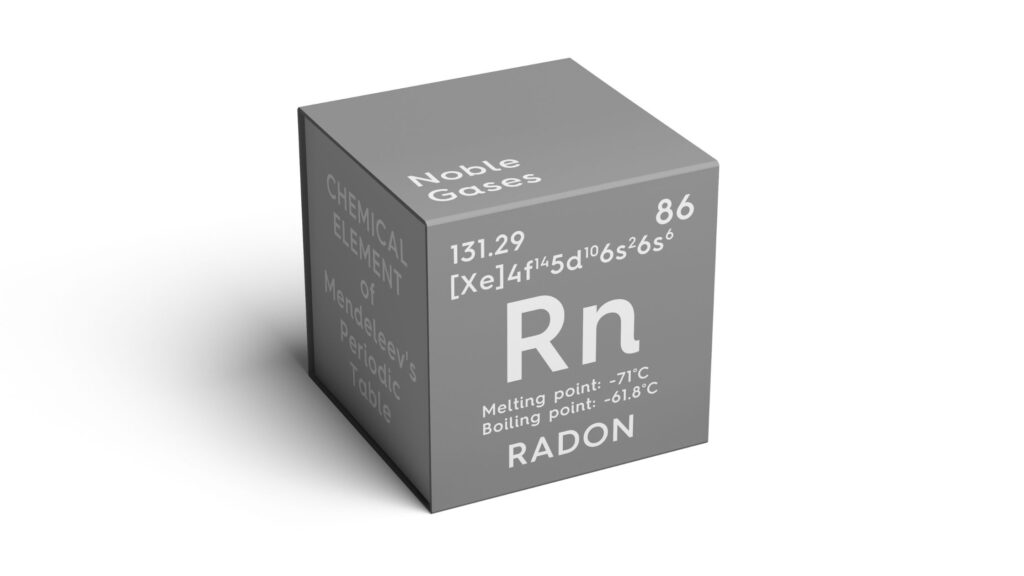
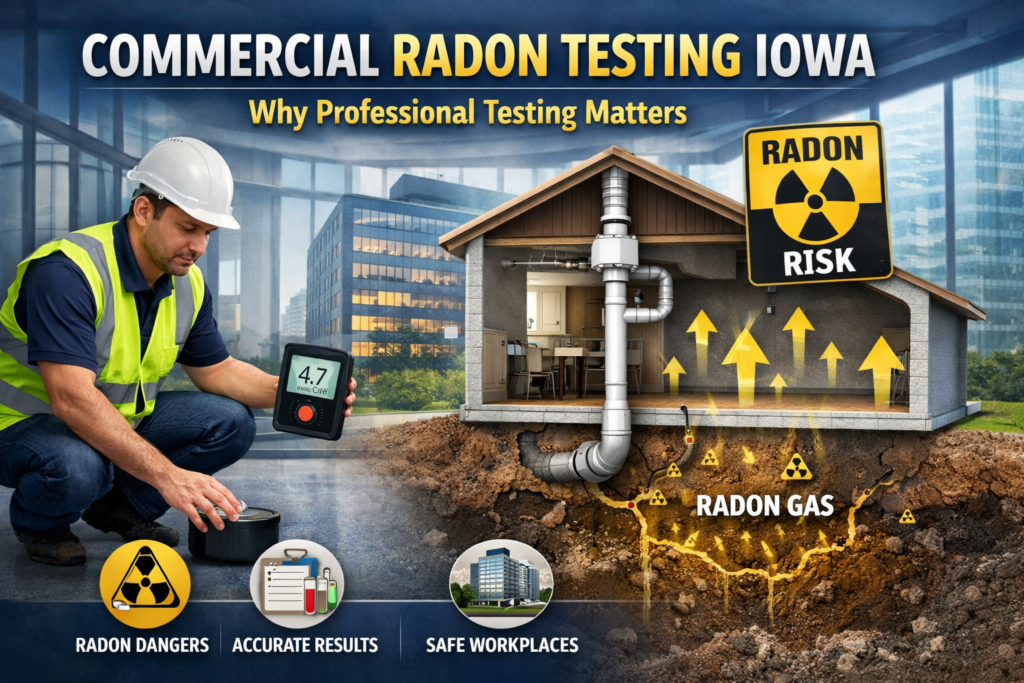
Radon is a naturally occurring radioactive gas that forms deep within the soil and rock below residential properties. Because it has no color, odor, or taste, radon remains undetectable without proper testing. As homes sit directly on the ground, pressure differences between indoor spaces and the surrounding soil allow this gas to rise upward. Consequently, radon moves through the path of least resistance and accumulates inside living areas, even in newly constructed homes.
New construction does not eliminate radon entry because modern building methods often create tightly sealed environments. While these designs improve energy efficiency, they also limit natural air exchange. As a result, radon that enters through foundations, basements, or crawl spaces remains trapped indoors. Since radon enters continuously throughout the year, understanding how it travels into homes becomes essential for managing long-term indoor air quality and safety.
Why Ankeny New Homes Face Radon Risk
Newly built homes in Ankeny often appear safer and more advanced. However, construction methods and local conditions can still allow radon to accumulate indoors.
A) Local Soil Composition
Ankeny sits on soil that naturally emits radon gas over time due to the underlying geology. When builders place new foundations directly on this soil, radon migrates upward through the ground. Therefore, new homes face ongoing exposure risks originating directly from the soil below the structure.
B) Rapid Residential Development
Large construction projects disturb soil layers extensively during excavation and grading. This disturbance releases trapped radon and alters natural gas pathways underground. As a result, radon travels more easily and concentrates around newly built foundations.
C) Energy-Efficient Building Practices
Modern construction emphasizes airtight building envelopes to improve energy efficiency and reduce utility costs. These tight seals significantly limit natural air exchange inside the home. Consequently, radon accumulates indoors instead of dispersing safely outdoors.
D) Short Construction Timelines
Fast-paced building schedules reduce time available for detailed radon assessment and planning. Builders often prioritize rapid completion over long-term indoor air considerations. Therefore, radon protection steps may receive less early attention during construction.
E) False Sense of Safety
Many homeowners associate new homes with improved materials and better indoor safety. However, radon presence does not depend on home age or construction quality alone. Thus, newer construction does not automatically eliminate radon exposure risk.
Because soil conditions, building practices, and airflow patterns influence radon levels, new homes remain vulnerable. Understanding these factors helps homeowners take informed steps toward long-term indoor safety.
How Construction Affects Radon Levels
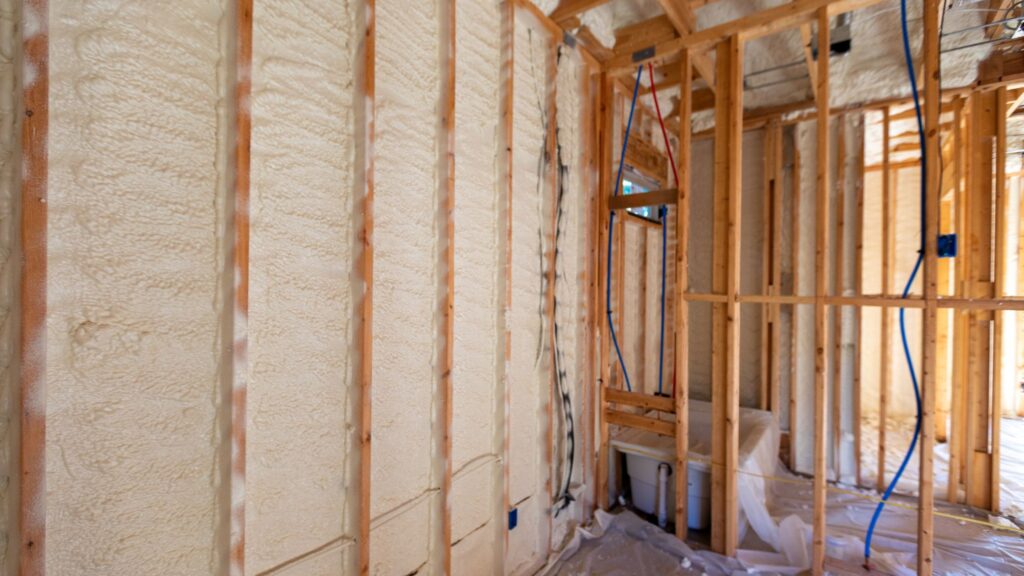
Construction choices directly shape how easily radon enters and accumulates inside a home.
- Slab Sealing Quality: Properly sealed slabs block soil gases from entering living areas. Weak or uneven sealing allows radon to pass through easily.
- Foundation Openings: Plumbing and utility penetrations create direct entry paths. Each unsealed opening increases indoor radon exposure.
- Drainage Installation: Poor drainage systems raise soil gas pressure beneath homes. This pressure forces radon upward into interior spaces.
- Ventilation Design: Limited airflow traps radon inside enclosed areas. Balanced ventilation helps disperse gas safely outdoors.
- Building Materials: Certain materials allow greater air movement through surfaces. Material selection directly influences radon infiltration levels.
When builders address these construction factors carefully, homes achieve better control over indoor radon levels.
The Role of Pre-Construction Radon Planning
Planning for radon before construction begins allows builders to address potential risks at the most effective stage. When radon considerations are included during the design phase, builders can integrate passive mitigation features seamlessly into the foundation and ventilation layout. These features, such as gas-permeable layers and vent pathways, work continuously to limit radon entry. As a result, homes reduce radon buildup naturally without requiring major structural changes after completion.
Early radon planning also delivers long-term benefits for both homeowners and builders. By addressing radon risk during construction, projects avoid costly retrofits and disruptive post-build modifications. In addition, proactive planning reduces long-term health risks associated with prolonged radon exposure. Therefore, incorporating radon strategies during the design stage strengthens overall home safety while supporting durable and efficient construction practices.
Steps Homeowners Can Take After Move-In
Once homeowners move in, simple and consistent actions help manage indoor radon levels effectively.
- Initial Testing: Initial tests establish a baseline for radon levels, helping identify potential concerns early for timely action.
- Seal Openings: Sealing cracks and joints in the foundation limits radon entry and prevents indoor buildup.
- Proper Ventilation: Balanced airflow naturally reduces radon buildup by dispersing the gas, lowering indoor concentrations.
- Structural Monitoring: Regular checks for new gaps or shifts ensure early detection of radon entry points.
- Follow-Up Tests: Periodic tests confirm that radon levels stay within safe limits and mitigation efforts remain effective.
By following these steps consistently, homeowners support long-term indoor air safety and peace of mind.
Conclusion
Understanding radon risk in new construction homes helps homeowners protect both health and long-term property value. Because radon enters homes through soil and structural pathways, proactive testing and mitigation remain essential even in newly built properties. Addressing this risk early ensures safer indoor air and greater peace of mind from the start. Ignoring this potential hazard can lead to health risks and costly future remediation. For homeowners seeking reliable guidance and proven solutions, DSM Radon provides professional expertise in radon testing and mitigation tailored to new construction homes. Their specialized services offer peace of mind, ensuring your home is both safe and compliant from day one.