
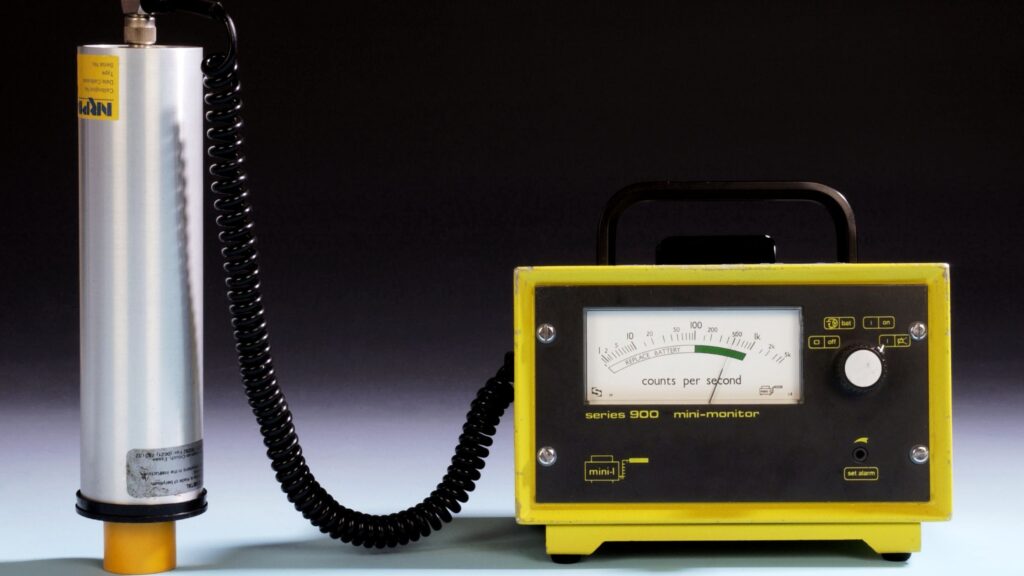
Homeowners often wonder, Are Air Purifiers Effective Against Radon? as they look for effective methods to create cleaner, healthier indoor air. Radon remains a hidden health concern because it enters homes silently through soil, cracks, and foundation gaps. Although air purifiers help clean the air in many situations, radon behaves differently from typical airborne particles. Therefore, you need to understand how radon moves, how air purifiers work, and which solutions deliver measurable results. This complete guide explains each step clearly and provides reliable insights you can apply at home.
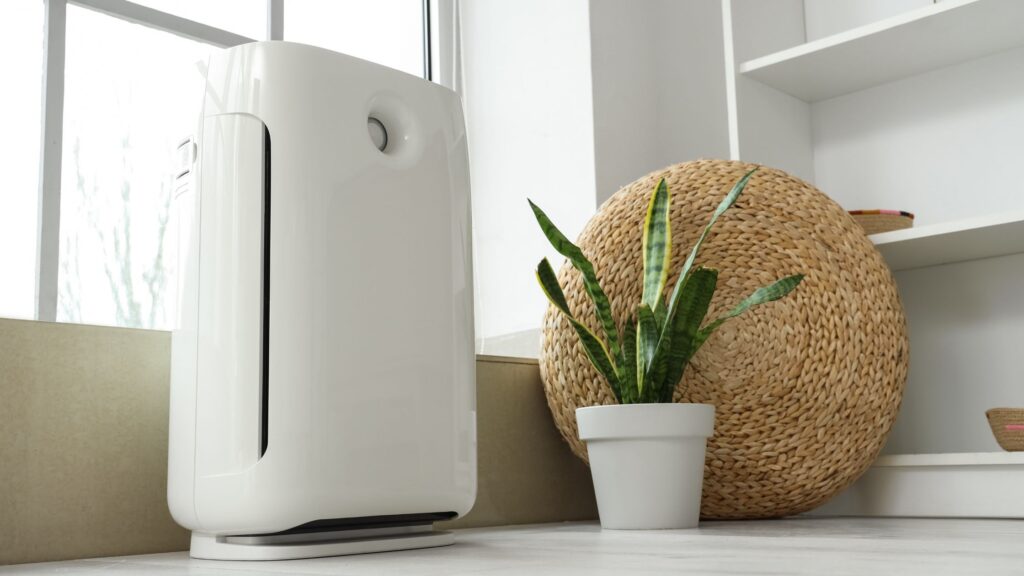
The Real Interaction Between Radon Gas and Air Purifiers
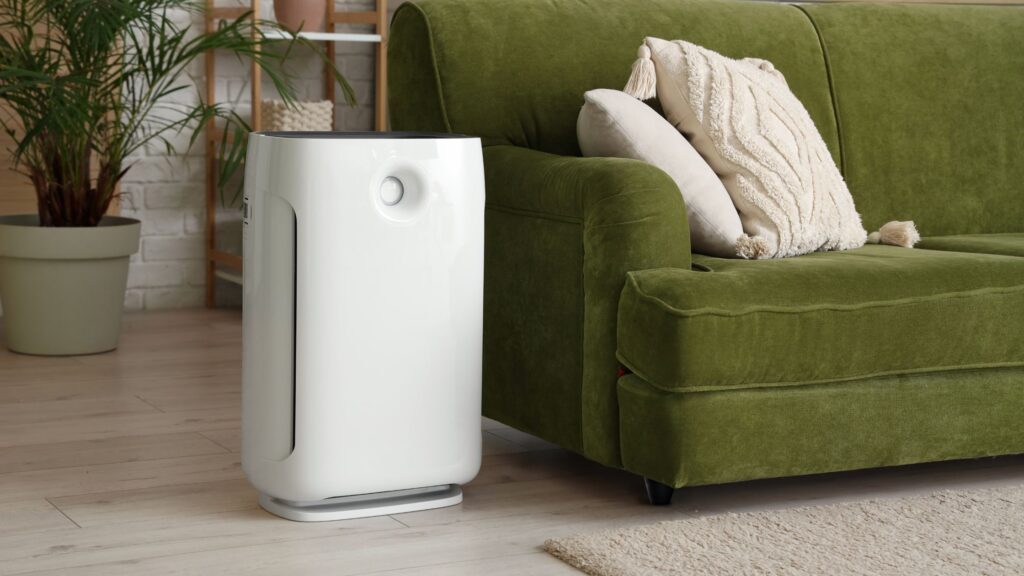
Radon is a radioactive gas produced in the soil that can move upward and enter homes through the foundation. When a home has cracks, gaps, or openings in the foundation, this gas slips inside with ease. Because radon has no odor, color, or taste, you cannot detect it on your own, which makes proper testing the only reliable way to measure how much of it is present indoors. Although air purifiers help improve everyday indoor air by removing dust, allergens, and other contaminants, they cannot trap radon gas itself.
Radon molecules are extremely small and move freely through filtration systems, which means purifiers cannot stop the gas from circulating. They can, however, reduce radon decay particles—the tiny radioactive byproducts that attach themselves to dust and settle on surfaces. Because of this, air purifiers may support cleaner indoor air, but they should never replace proper radon testing and mitigation. Removing these particles lowers a portion of the exposure risk, yet it does not eliminate the source of the problem. Learn more about How to Reduce Radon Gas Exposure Using Air Purifiers and Mitigation.
Why Filtration Systems Fail to Reduce Radon Levels
Air purifiers improve indoor air quality, but their abilities have clear limits when dealing with radon. To understand why they fall short, you must look at how radon behaves and how filtration systems work.
- Radon consists of extremely small gas atoms that move freely through enclosed spaces.
- Air purifiers target particles, not gas molecules, so they cannot trap radon effectively.
- Radon requires mitigation at the source, which prevents the gas from entering living areas.
- Air purifiers only help reduce decay products, not the radon concentration itself.
Air purifiers offer some support by reducing radon decay particles, but they cannot replace proper mitigation. Because of this, addressing radon at its source remains the only effective long-term solution.

Reliable Ways to Manage and Control Radon at Home
Radon control requires a combination of accurate testing and effective reduction methods. These steps help you understand your home’s risk and take meaningful action to improve indoor safety.
1. Conduct a Professional Radon Test
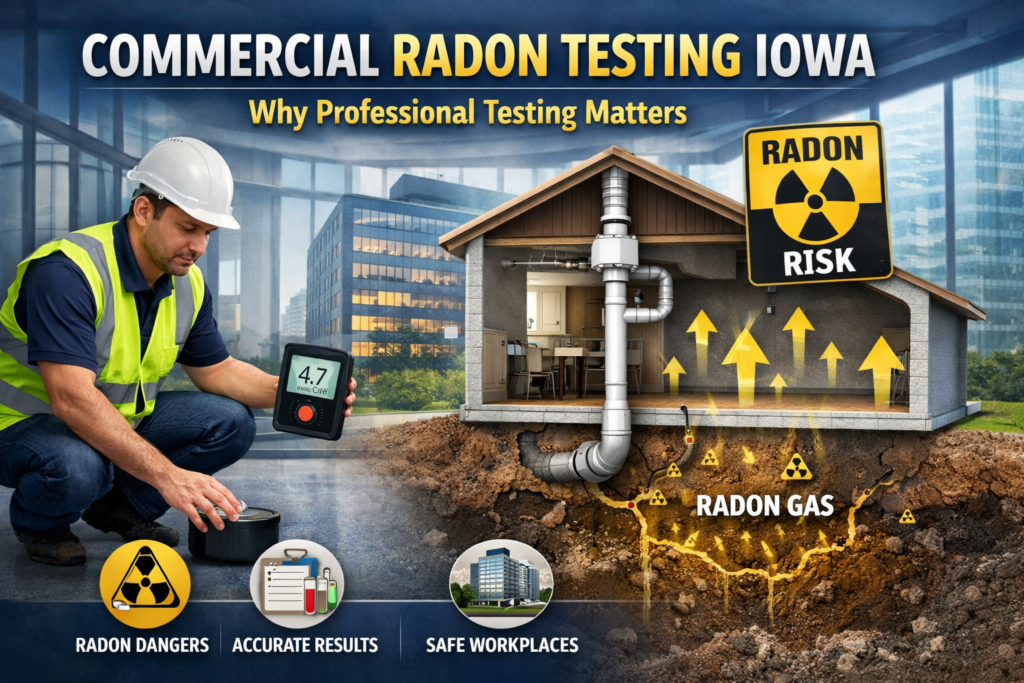
Testing remains the first and most important step because it tells you exactly how much radon is present inside your home. A professional test offers precise, dependable readings that help you understand whether your home is within safe limits or requires corrective action.
2. Install a Full Radon Mitigation System
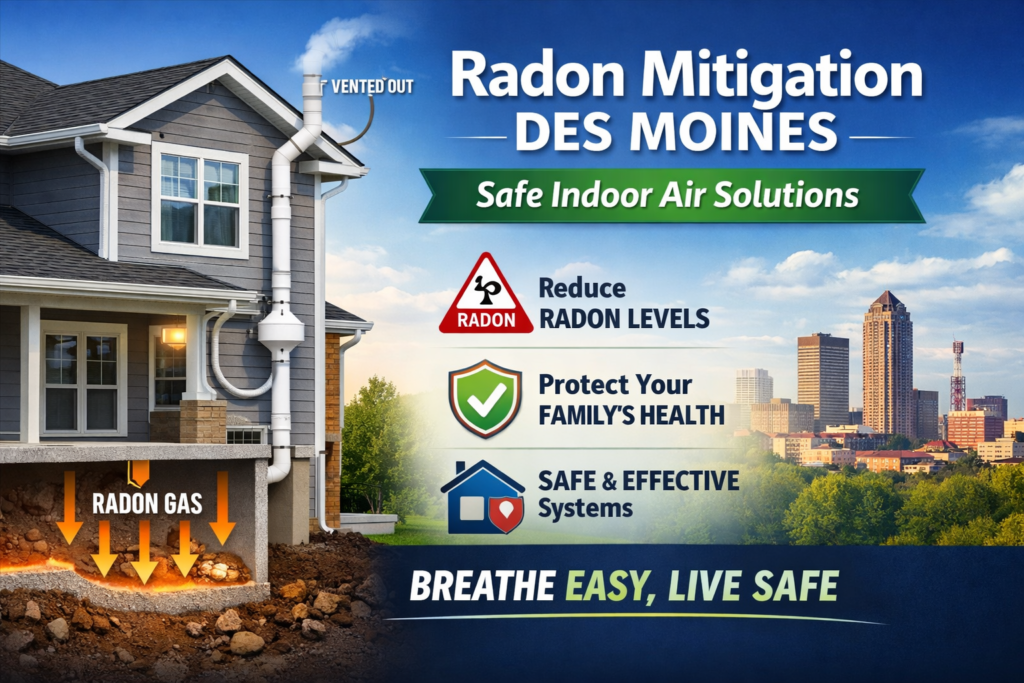
A well-designed mitigation system removes radon from beneath the structure before it reaches your living areas. It uses specialized piping and fans to draw the gas from the soil and release it safely outdoors.
3. Seal Foundation Cracks and Entry Points
Cracks in concrete slabs, gaps around utility lines, and openings near floors all create easy pathways for radon to enter. By sealing these areas, you reduce the amount of gas that can seep indoors and strengthen the effectiveness of an existing mitigation system.
4. Improve Indoor Airflow and Ventilation
Better ventilation helps dilute radon concentrations by bringing in more outdoor air and reducing the buildup of stagnant indoor air. Opening vents, improving circulation, or increasing mechanical ventilation can lower radon levels temporarily.
5. Use Air Purifiers as a Secondary Tool
Air purifiers are helpful because they capture radon decay particles that attach to dust and float through indoor spaces. While they cannot remove radon gas itself, they reduce a portion of the airborne radiation risk by filtering these particles.
These combined methods create a more effective approach to managing radon and maintaining healthier indoor air. Although each step adds value, addressing radon at the source provides the most reliable long-term protection.
Important Factors to Understand Before Addressing Radon
Before choosing the right approach, you need to understand the key elements that influence radon levels and the effectiveness of each solution.
- Radon testing reveals the true risk: Testing gives a clear number, shows whether levels exceed the safe threshold, and confirms if mitigation is needed.
- Mitigation systems deliver the strongest results: They capture radon at the entry point (below the foundation) and vent it outside for consistent, measurable reduction.
- Purifiers act as support only: They can reduce radon decay particles attached to dust, but they cannot block radon gas or remove the source.
- Soil conditions directly influence radon levels: Uranium content, soil porosity, moisture, and seasonal cracking change how much radon moves toward a home.
- Expert guidance ensures long-term safety: Professionals tailor the system to your foundation, layout, and long-term performance needs.
These factors help you make informed decisions and choose the most effective approach for reducing radon.

Conclusion
Radon requires a clear, informed strategy because it behaves differently from typical indoor air contaminants. Although many homeowners ask, Are Air Purifiers Effective Against Radon?, effective radon control starts with precise testing and the support of a properly installed mitigation system. Air purifiers help reduce decay particles, but they cannot remove the gas itself. For long-term safety, you must address radon at the source and follow expert recommendations. When you plan your website content or educational resources related to home safety topics, DSM Radon can support you with structured content solutions.