

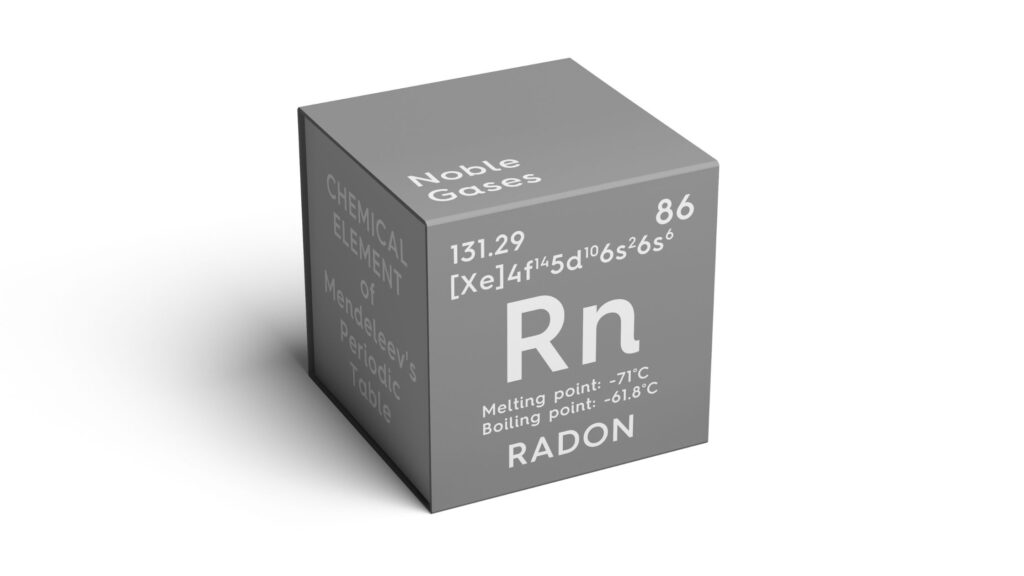
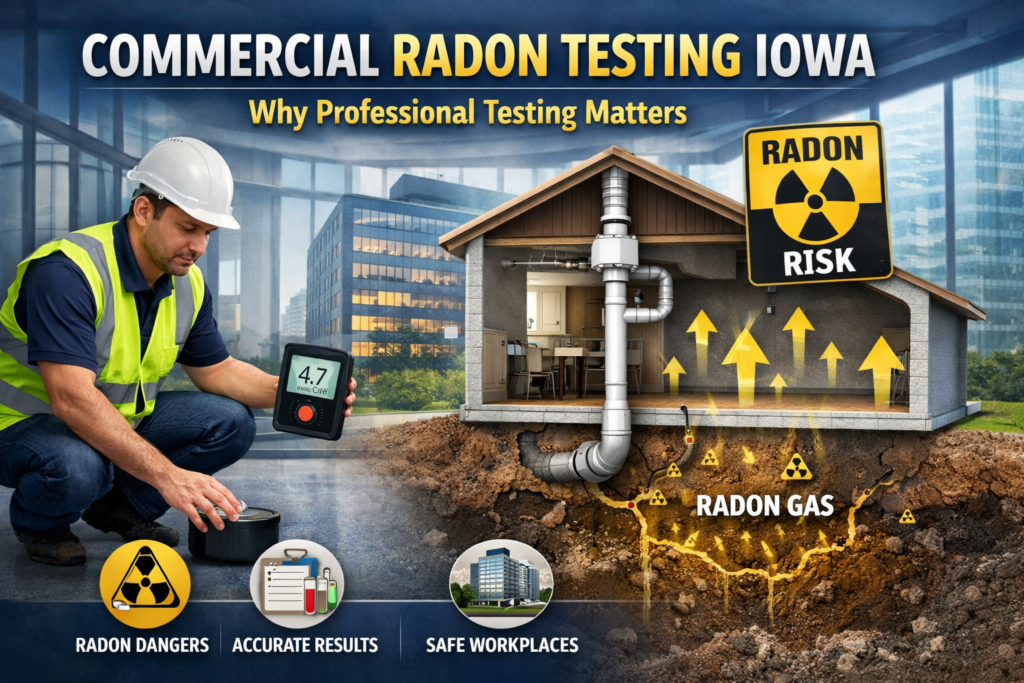
Radon is a colorless, odorless, and tasteless gas that can quietly affect your health without obvious warning signs. It forms naturally when uranium in soil, rock, and water breaks down. While radon originates underground, it often enters homes through foundation cracks, wall gaps, sump pumps, and floor joints. Because people cannot see or smell it, many households remain exposed for years without realizing the risk. Over time, breathing problems due to radon exposure can develop as this radioactive gas accumulates indoors and damages lung tissue.

What Is Radon and Why Does It Affect Breathing
Radon is a naturally occurring radioactive gas that forms when uranium in soil and rock breaks down underground. Because it has no smell, color, or taste, it can build up indoors without anyone noticing, especially in basements and lower floors. When you breathe it in, radon breaks down into tiny radioactive particles that can stick to the lining of your airways. These particles release radiation inside the lungs, which can irritate tissue and damage cells over time.
People with existing respiratory conditions such as asthma or chronic obstructive pulmonary disease may feel the impact sooner because their airways already react strongly to irritation. Even small changes in indoor air quality can trigger symptoms like wheezing, chest tightness, shortness of breath, or a lingering cough. Meanwhile, radon may also make the lungs more sensitive to other indoor triggers such as dust, smoke, or chemical fumes, which can worsen breathing discomfort.
How Radon Exposure Can Affect Breathing and Lung Health
Radon exposure often feels invisible, yet its effects on breathing can build quietly over time. These five points explain the most common ways radon can impact lung health in real life.
1) Cellular Lung Tissue Damage
Radon decay releases radiation inside the lungs after you inhale it. That radiation can damage lung cells at a deep, cellular level. Over time, repeated injury can reduce how efficiently the lungs function.
2) Higher Long-Term Lung Cancer Risk
Damaged cells can start growing abnormally as exposure continues. This slow process may eventually develop into lung cancer. Because it progresses quietly, many cases appear late without testing.
3) Stronger Asthma and COPD Flare-Ups
Radon exposure can irritate sensitive airways in asthma or COPD. As a result, wheezing, tightness, and shortness of breath can increase. Frequent irritation can make recovery slower between symptom episodes.
4) Amplified Reaction to Indoor Pollutants
Radon can combine with dust, smoke, mold, and chemical fumes indoors. Together, these irritants can trigger stronger breathing discomfort. Poor ventilation makes this effect worse by trapping pollutants longer.
When you understand these risks, you can act early instead of reacting late. Testing your home and improving mitigation and ventilation can significantly reduce long-term exposure.

How Radon Damages the Respiratory System
Radon can quietly stress the lungs over time, especially when it builds up in lower levels with limited airflow.
- Irritation: Radon particles can irritate the airway lining and trigger frequent coughing. This irritation may also cause wheezing and ongoing breathing discomfort.
- Oxygen Drop: Long exposure can weaken lung tissue and reduce oxygen transfer efficiency. As a result, breathing can feel harder during daily movement and effort.
- Cancer Risk: Radon releases radiation in the lungs that can damage cells repeatedly. Over time, that damage can increase the risk of abnormal cell growth.
- Sensitive Lungs: People with asthma or COPD may feel tighter breathing sooner than others. Even moderate exposure can make flare-ups more frequent and persistent.
Because the damage builds slowly, testing and early action often prevent serious symptoms later.
Who Faces Higher Breathing Risks From Radon Exposure
Some individuals face a higher risk of respiratory harm from radon than others. These groups include:
- Smokers and former smokers.
- Children with developing lungs.
- Older adults with lower lung resilience.
- People with asthma, COPD, or other lung conditions.
- Individuals who live or work in basements or ground-level spaces.
For these populations, even moderate radon levels can significantly impact breathing health over time. Learn more about Radon Exposure COPD Risk.
Why Radon Testing Is Critical for Your Health
Radon remains invisible to your senses, so testing is the only way to know what you’re breathing at home.
a) Test Your Home First — Use a radon test kit or a certified professional to measure your indoor radon level accurately.
b) Seal Entry Points — Close cracks in floors, walls, and foundations to reduce the pathways radon uses to enter.
c) Install a Mitigation System — Use vent pipes and a fan to pull radon from beneath the home and release it safely outside.
d) Improve Indoor Ventilation — Increase airflow to prevent radon from concentrating, especially in lower-level spaces.
When you combine testing with these fixes, you reduce risk early and protect your home’s air quality with confidence.
Protecting Your Home and Long-Term Lung Health
Radon exposure is preventable when you treat it like routine home safety, not a one-time task. Regular testing helps you catch rising levels early, while sealing entry points reduces how much gas can enter in the first place. If results come back high, professional mitigation provides the most reliable reduction because it actively pulls radon from beneath the home and vents it outside. Homeowners should retest every two to five years, and they should also retest after renovations like basement finishing, HVAC changes, foundation work, or new windows, because these updates can shift pressure and airflow and change indoor radon levels.

Conclusion
Breathing problems due to radon exposure often develop silently, but their long-term impact on lung health can be serious. By testing your home, improving ventilation, and installing mitigation systems when needed, you can reduce exposure and protect your respiratory system.
Professional guidance makes this process easier and more effective. DSM Radon provides reliable radon testing and mitigation solutions to help homeowners create safer, healthier living environments. Taking action today ensures cleaner air, stronger lungs, and greater peace of mind for you and your family.