
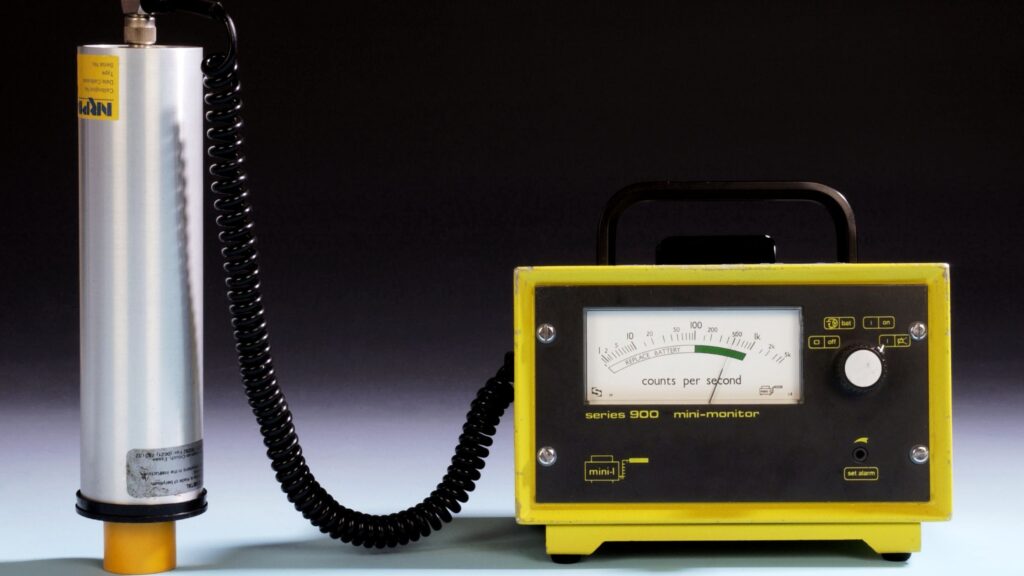
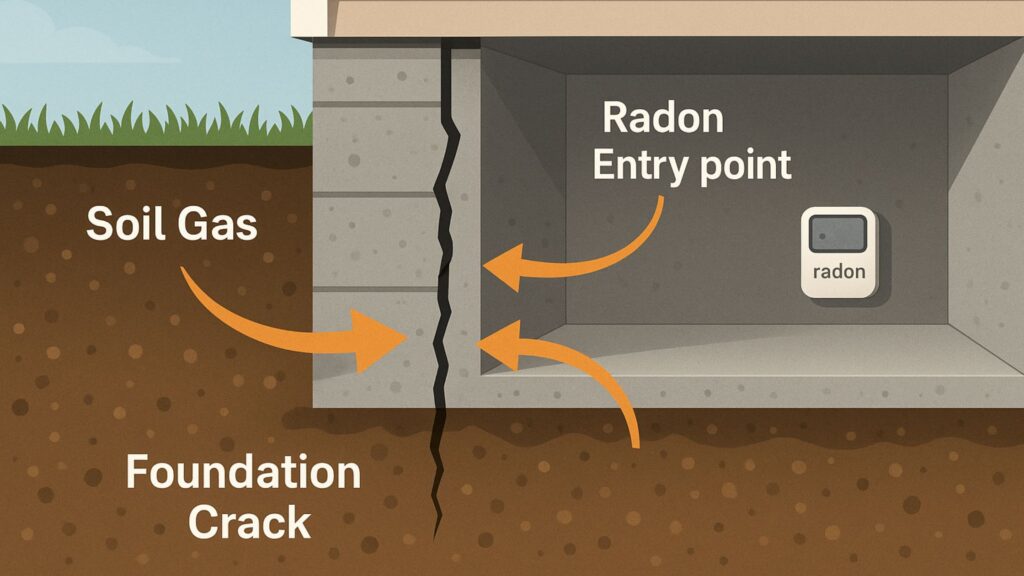
Radon often enters homes through cracks, gaps, and porous materials in the foundation. Because of that, many homeowners ask whether waterproofing can reduce radon in a meaningful way. This article explains how waterproofing affects radon entry, when it becomes helpful, and when a dedicated mitigation system remains necessary. The goal is to provide clarity without promotions, while still offering practical insights informed by common industry practices.
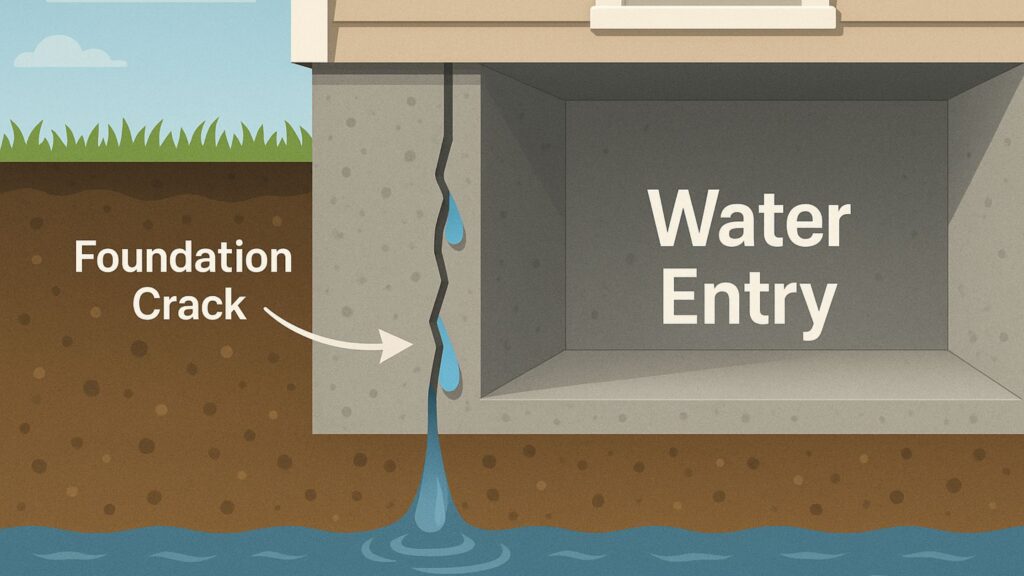
How Waterproofing Creates a Stronger Foundation Barrier
Waterproofing seals foundation cracks, redirects exterior water, and reduces soil moisture around the home’s perimeter. As a result, contractors use waterproofing to stop leaks, prevent structural deterioration, and maintain long-term foundation stability. When waterproofing closes common entry points, it also limits the movement of soil gas that carries radon into the living space. Additionally, a dry foundation environment slows gas migration, improves air quality, and supports the performance of radon mitigation systems.
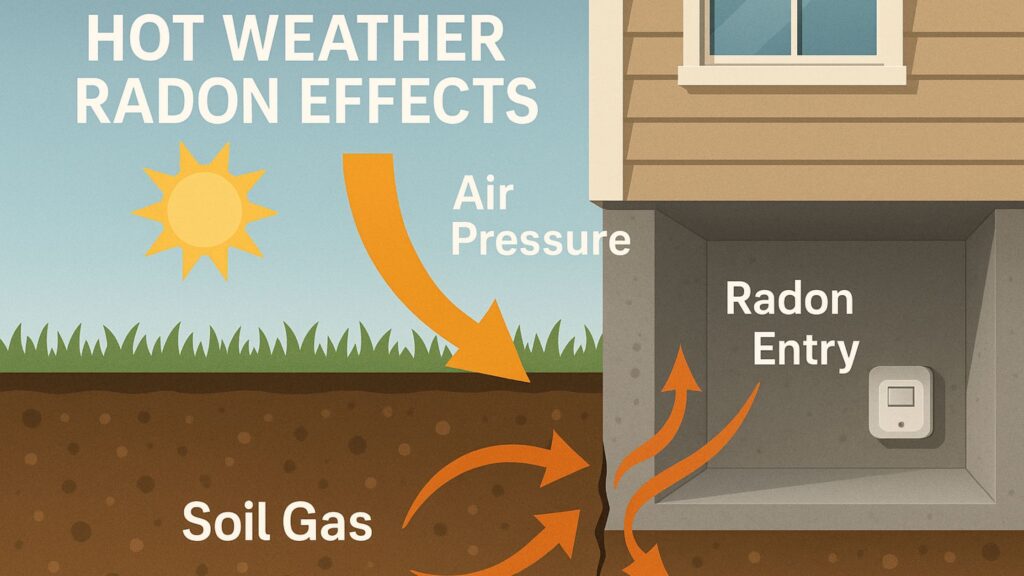
However, waterproofing does not block all radon pathways because microscopic pores, construction joints, and pressure differences continue to allow soil gas to pass through. Even when crews apply high-quality membranes or sealants, radon can still enter from areas that remain inaccessible or porous. Therefore, homeowners should treat waterproofing as a valuable step that supports radon reduction—not as a complete replacement for a dedicated mitigation system. In short, waterproofing helps, but reliable radon control still requires proper testing and professional mitigation when levels remain high.
Critical Functions of Waterproofing in Radon Prevention
Waterproofing supports radon reduction by targeting the structural and moisture-related conditions that allow soil gas to enter a home. Although it strengthens the foundation barrier, homeowners must understand how each function contributes to safer indoor air.
A) Seals Major Entry Points
Waterproofing closes visible cracks and gaps in foundation walls and slabs. As a result, it reduces large pathways for soil gas to enter. Consequently, the immediate radon influx from those openings declines.
B) Controls Moisture That Carries Soil Gas
Waterproofing lowers soil moisture next to foundations by diverting water away from the home. Therefore, the soil environment changes, and soil gas movement often slows. Moreover, drier soils typically reduce the volume of gas that migrates indoors.
C) Improves Durability of Mitigation Systems
Waterproofing creates a drier environment for fans, pipes, and seals used in radon systems. Thus, maintenance needs drop and systems last longer. Furthermore, technicians find it easier to install effective mitigation hardware in dry spaces.
D) Reduces Mold and Structural Risk
Waterproofing prevents water damage and mold growth that could complicate mitigation work. Consequently, homeowners avoid simultaneous repairs that might interfere with air-path sealing. Therefore, remediation proceeds more smoothly and safely.
E) Limits—but Does Not Stop—Diffusion
Waterproof membranes block liquid water effectively; however, they seldom prevent microscopic radon diffusion through concrete or soil. Thus, while waterproofing decreases bulk flow, it cannot fully stop all radon movement. Therefore, testing remains essential after any waterproofing work.
Waterproofing strengthens a home’s defenses against radon but cannot replace a complete radon mitigation system. Homeowners should combine waterproofing with proper testing and professional mitigation to achieve dependable long-term protection.
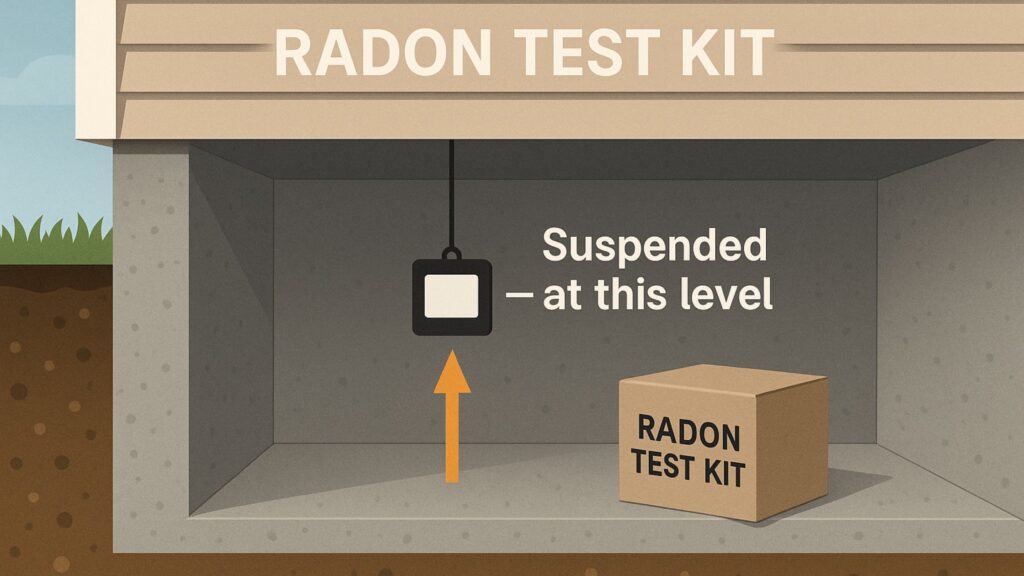
Practical Measures That Strengthen Waterproofing and Radon Safety
Before you combine waterproofing with radon mitigation, you must follow a few critical steps that strengthen overall results. These actions create a safer, drier, and more stable foundation for long-term radon control.
- Prioritize visible water intrusion and structural leaks; contractors should repair these issues first to protect materials and reduce obvious radon entry points.
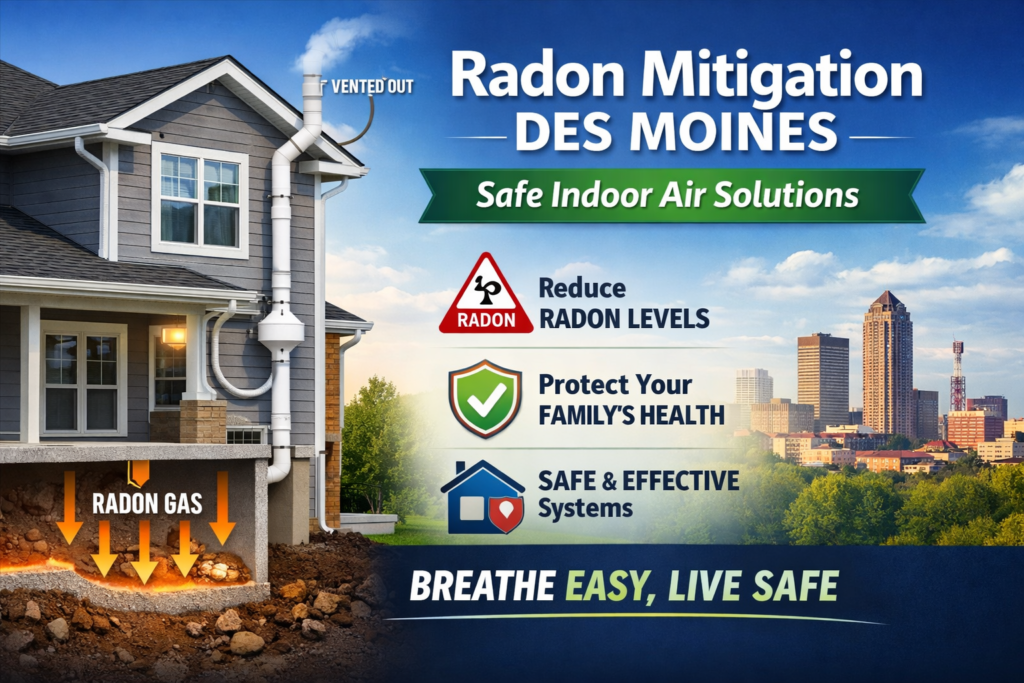
- Combine waterproofing with ventilation or sub-slab depressurization when tests show moderate to high radon; the layered approach yields the most reliable outcome.
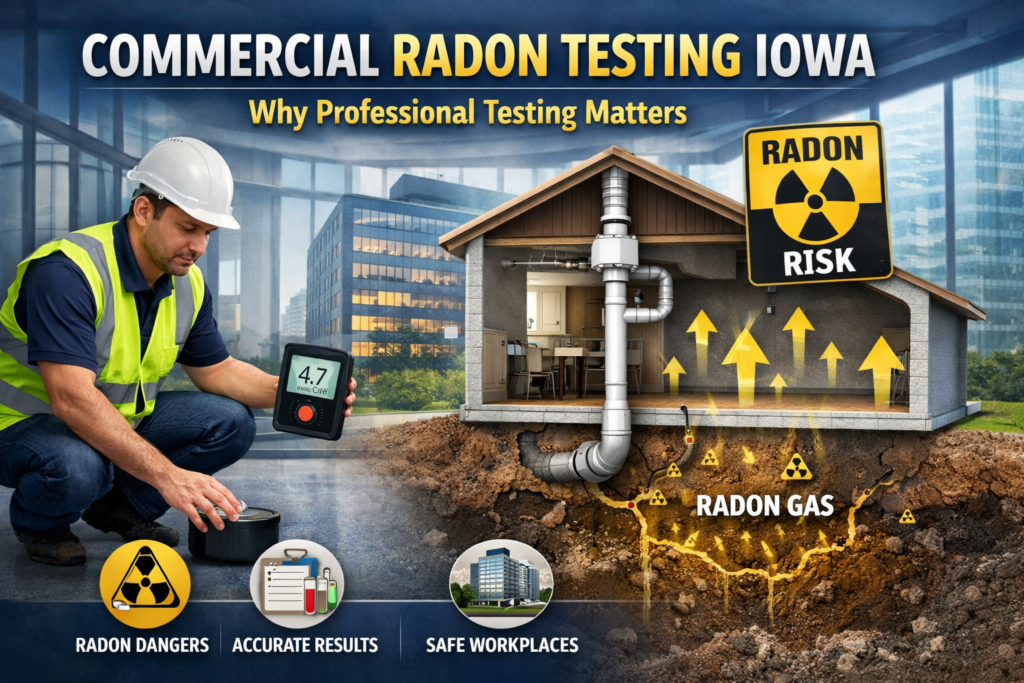
- Ensure professionals perform pre- and post-work radon measurements, and objective data guides the final decision about active mitigation.
- Maintain waterproofing systems and mitigation equipment with scheduled inspections, regular checks preserve performance and prevent recurrence.
By following these essential measures, homeowners ensure that each layer of protection works together effectively. This structured approach improves both waterproofing performance and radon reduction outcomes. Learn more about Building Safer Homes.
How Waterproofing Supports Long-Term Radon Reduction
These key factors show how waterproofing contributes to safer indoor air and supports radon control efforts.
1. Sealing Reduces Direct Soil-Gas Entry: Effective crack sealing limits the main pathways that allow radon to enter living spaces.
2. Drainage Improvements Lower Pressure Differences: Good drainage reduces the pressure imbalances that typically pull radon indoors.
3. Vapor Barriers Slow Radon Diffusion: Quality barriers create an additional layer that slows soil-gas movement through foundations.
4. Drier Basements Improve Mitigation Efficiency: Dry conditions help radon systems operate more consistently and with fewer maintenance issues.
5. Structural Repairs Enhance Overall Protection: Repairing weakened areas strengthens the foundation and reduces hidden radon entry points.
Together, they highlight why waterproofing works best as a supportive measure alongside dedicated radon mitigation.
Conclusion
Waterproofing can reduce radon by sealing significant entry paths and by improving soil and foundation conditions; however, it rarely removes all radon on its own. Therefore, homeowners should test first, apply waterproofing when water issues exist, and then use dedicated radon mitigation if levels remain elevated. In addition, professionals should coordinate waterproofing and mitigation work to achieve reliable, long-term results. For coordinated support and contractor referrals, DSM Radon can assist homeowners in planning waterproofing and radon-reduction steps.
FAQs
1. Will waterproofing always lower my home’s radon?
No. Waterproofing often reduces radon entry through visible gaps, but it rarely eliminates radon entirely because tiny paths and soil gas pressure still allow movement.
2. How soon should I retest radon after waterproofing?
Retest after the home returns to typical occupancy and after any mitigation system runs for a week; long-term tests give the most reliable picture.
3. Should I waterproof it before installing a radon mitigation system?
Yes. Waterproofing first improves conditions for mitigation hardware and reduces the chance of water-related failures during or after installation.
4. How many times should I test to confirm results?
Perform an initial test, then retest after any major repairs or mitigation. Finally, schedule periodic long-term tests every few years to ensure levels remain safe.