
At Home Radon Testing Ankeny: A Complete Guide for Safer Air
Radon gas poses a hidden threat in many Iowa homes, and at-home radon testing Ankeny gives you a straightforward way to understand your indoor air quality. Because radon is invisible, odorless, and dangerous to long-term health, testing your home for this gas should be a priority. Moreover, regular home radon testing helps ensure that your […]
Radon Mitigation Des Moines: Safe Indoor Air Solutions
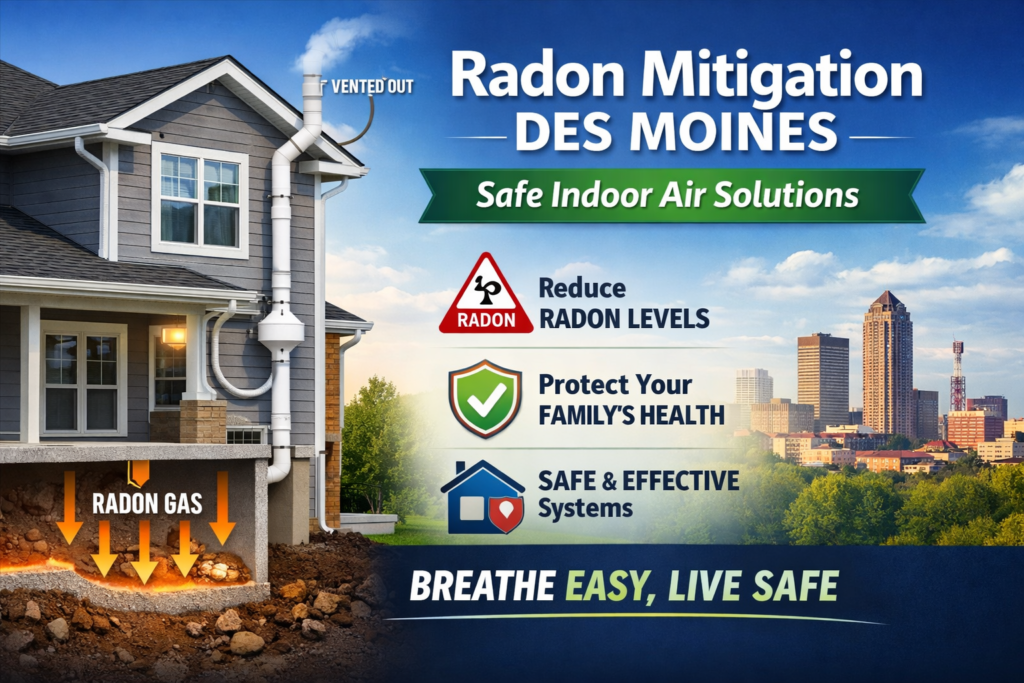
Radon remains an unseen health threat in many homes, schools, and commercial buildings. Luckily, professional radon mitigation Des Moines services can protect your indoor environment. Because radon gas has no odor and no visible signs, it often goes unnoticed until it reaches unsafe levels. Yet, even low concentrations can harm your health over time. Thankfully, […]
Radon Levels in Home: Detection to Reduction
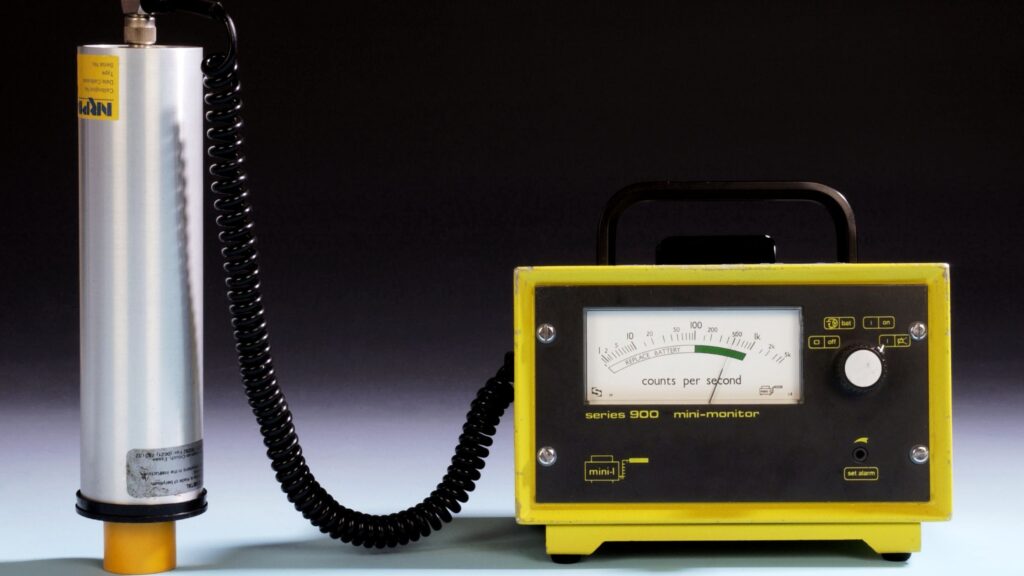
Radon is a colorless, odorless, radioactive gas that naturally occurs from the breakdown of uranium in soil and rocks beneath the ground. Because you cannot detect it with your senses, radon can quietly build up indoors, and often, homeowners do not know radon levels in home until they measure it. This invisible gas is not […]
Radon Considerations for Urban Planning: Build Safer Cities

Cities grow fast, and they also stack more people closer to the ground, where soil gases move through tiny cracks and seams. Therefore, radon considerations for urban planning should live inside everyday planning decisions, not inside a late-stage checklist that teams remember only after complaints or failed inspections. Moreover, radon stays invisible and odorless, so […]
Understanding Ankeny New Construction Radon Risk
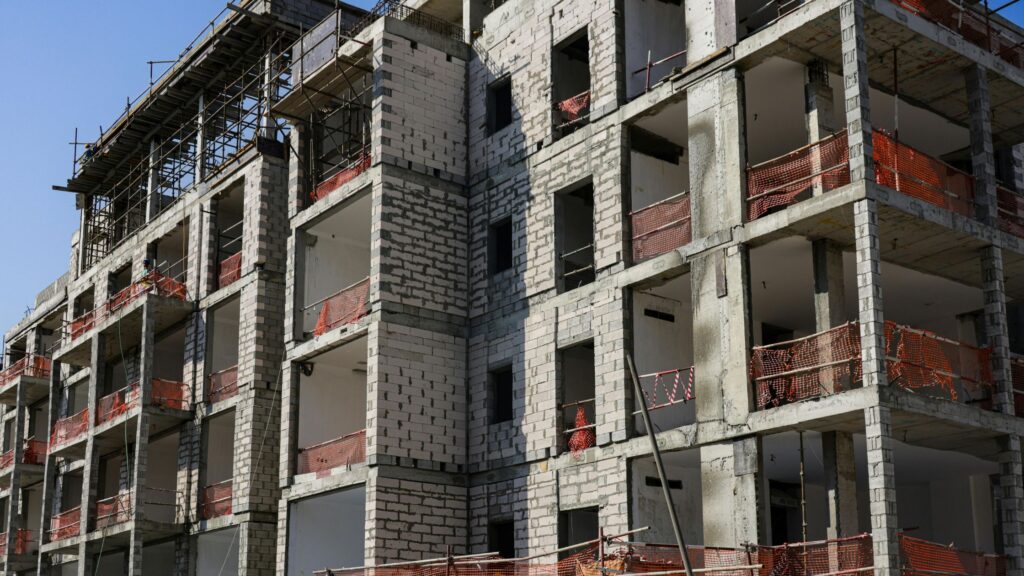
Building a new home in Ankeny represents a fresh start, modern design, and long-term investment. However, new construction does not automatically eliminate environmental concerns. Although modern building techniques improve efficiency, they can also seal homes more tightly, which limits natural airflow. As a result, certain gases that originate beneath the structure may accumulate indoors without […]
Post-Mitigation Radon Testing: Ensuring Safe Indoor Air Quality
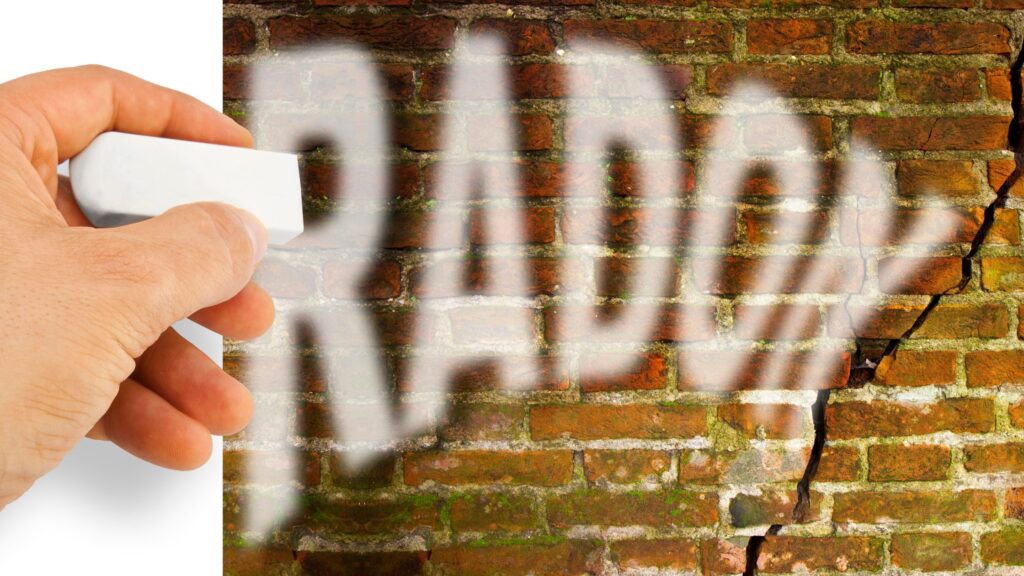
After radon mitigation is installed in your home or workplace, the next crucial step is to ensure its effectiveness. Post-mitigation radon testing serves as the final check to confirm that the system is doing its job in reducing radon levels to safe concentrations. Many people mistakenly believe that once mitigation is installed, the job is […]
How Radon Mitigation Maintenance Prevents Health Hazards in Homes

Radon is a colorless, odorless, and radioactive gas that poses a silent threat to many homes. It is the second leading cause of lung cancer, and long-term exposure to high levels of radon can cause severe health risks. While installing a radon mitigation system is the first step toward protecting your home, it doesn’t end […]
Radon System Maintenance Plan: Ensuring Lasting Safety

Installing a radon mitigation system is a crucial first step in protecting your home and family from the dangers of radon gas. However, the installation alone isn’t enough to ensure long-term safety. Over time, factors like wear and tear, environmental changes, and system shifts can affect its performance. This is where a Radon System Maintenance […]
Cost to Repair a Radon Mitigation System – A Total Guide

Radon mitigation systems don’t last forever. Over time, parts can wear out or stop working properly, which leads many homeowners to think about the cost to repair the radon mitigation system. In this easy-to-follow guide, you’ll find out what causes these systems to need repairs, how to spot common problems, when it’s time to call […]
Radon Reduction Services: Safeguarding Your Home and Health

Radon is a naturally occurring gas that you cannot see, smell, or taste. It forms from the breakdown of uranium in soil, rock, and water and can easily enter homes through cracks in floors, walls, and foundations. Even though it is invisible, radon can pose serious health risks. Long-term exposure to high levels of radon […]