

Protecting your home from the hidden dangers of radon starts with understanding crawlspace radon mitigation. Homes with crawlspaces are at higher risk because radon gas can easily enter through exposed soil areas beneath the floor. By taking action to address this risk, you can safeguard your health and improve the air quality inside your home. In this article, we’ll explain what crawlspace radon mitigation is, why it’s important, how to choose the best system, and the maintenance needed to keep it working effectively. Adding the right mitigation system now can prevent serious problems later and give you long-term peace of mind.
Why Crawlspace Radon Mitigation Matters
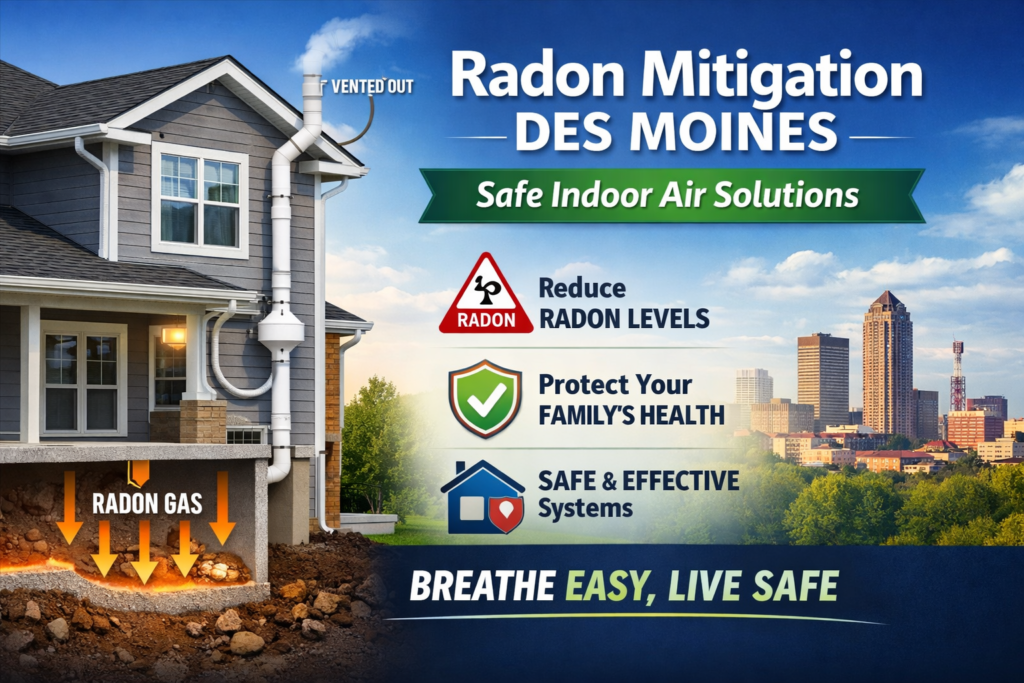
Radon is a colorless, odorless gas that forms naturally from the decay of uranium in soil and rocks. It can enter homes through cracks and openings in the foundation, making its way into living spaces. Crawlspaces, which are typically located above soil and often feature unfinished floors or exposed dirt, are especially vulnerable to radon infiltration. Without proper mitigation, high radon levels can accumulate in the home, significantly increasing health risks such as lung cancer. This is why crawlspace radon mitigation is critical to protecting your home, ensuring a safer living environment, and maintaining clean, breathable air indoors.
Common Radon Entry Points in Crawlspaces
Radon doesn’t just “appear” in your home—it sneaks in through specific weak spots in and around your crawlspace. Understanding these entry points is the first step to controlling them.
- In many crawlspaces, the floor is bare soil or gravel, allowing radon to easily enter and accumulate.
- Hidden cracks, gaps around pipes, unfinished floorboards, and foundation openings act as pathways for radon gas to seep in.
- Because of exposed soil and structural gaps, crawlspaces are especially vulnerable, giving radon direct routes into your living space.
- Identifying these entry points is the first critical step in effective crawlspace radon mitigation and preventing dangerous radon buildup.
- When these leaks go unnoticed, radon can silently reach unsafe levels—so a professional inspection helps reveal hidden pathways and guide a targeted mitigation plan.
By mapping out how radon gets in, you can choose the right mitigation system and turn your crawlspace from a hidden risk into a controlled, safer part of your home.
Key Methods for Crawlspace Radon Mitigation
There are several effective methods for crawlspace radon mitigation, each targeting the source of radon in different ways. Here are some of the most common approaches:
I. Sub-Membrane Suction
This method involves covering the crawlspace floor with a heavy plastic sheet and using a vent pipe and fan to draw radon from beneath the sheet and vent it outside. It’s highly effective because it targets the source of radon directly.
II. Encapsulation and Ventilation
In this approach, the crawlspace is sealed, and ventilation is controlled to reduce the pressure difference that allows radon to enter. By maintaining airflow and barriers, this method lowers radon levels.
III. Active Crawlspace Depressurization
This method creates negative pressure in the crawlspace to pull radon out. While effective, it’s usually less efficient than sub-membrane suction because it interacts more with conditioned air, potentially increasing energy costs.
IV. Sealing and Barrier Work
Sealing cracks and gaps in the crawlspace can help prevent radon from entering. When combined with suction or ventilation systems, sealing improves system performance and keeps radon levels lower.
Each of these methods contributes to an effective crawlspace radon mitigation plan, with the right choice depending on the crawlspace’s condition, foundation type, and local radon levels.

How to Decide on the Right Mitigation System
Choosing the right crawlspace radon mitigation system requires careful consideration of several factors:
- Foundation type & crawlspace condition: Note whether the floor is bare soil, gravel, or concrete to guide the right mitigation system.
- Existing radon level: Test first so you can match the system to how high the radon is and where it’s entering.
- Soil & airflow: Consider how porous the soil is and where a fan will pull best for effective suction or ventilation.
- Installation & integration: Choose a quiet, efficient system that fits neatly into the crawlspace without affecting your home’s look or use.
- Follow-Up Testing: After installation, conduct a second radon test to ensure the system is working properly and reducing radon levels as expected.
By carefully evaluating these factors, you can select a crawlspace radon mitigation system that effectively lowers radon levels and provides long-term protection for your home. Learn more about How to Detect Radon in Your Area.
Maintenance and Monitoring for Long-Term Safety
Installing a crawlspace radon mitigation system is just the beginning—ongoing maintenance is essential to keep your home protected. Key maintenance tasks include:
- Retest periodically: Check radon levels at least every two years or after major renovations.
- Check fan and vent: Ensure the fan runs nonstop, vents above the roofline, and has no damage or blockages.
- Inspect barriers and seals: Make sure the crawlspace membrane is intact and tightly sealed with no tears or gaps.
- Watch for changes: Note any new pipes, renovations, or structural shifts that could affect airflow or pressure.
- Keep records: Save test results, installation notes, and maintenance logs to track performance and support future home sales.
Regular monitoring ensures that your crawlspace radon mitigation system continues to provide long-term protection and maintains healthy air quality in your home.
Conclusion
Taking action on crawlspace radon mitigation is one of the smartest safety decisions you can make as a homeowner. By understanding how radon enters through your crawlspace, selecting the right mitigation system for your foundation, and maintaining it properly, you can significantly reduce health risks and improve indoor air quality. For expert guidance and professional installation in the Des Moines area, reach out to the experienced team at DSM Radon, specialists in radon testing and mitigation for both residential and commercial properties.