

Waiting on radon action increases hidden costs. It slows decisions, distracts teams, and forces repeated discussions without proof. Meanwhile, unclear indoor air risk weakens trust with employees, tenants, and buyers. Moreover, late testing creates rushed mitigation timelines, causing more disruption, coordination pressure, and operational delays. Additionally, leaders spend extra time managing concerns, updating stakeholders, and documenting late-stage actions. Consequently, planning suffers, renovations pause, and occupancy decisions stall, which reduces productivity and confidence across the building.

Radon Creates Economic Losses Before Anyone Notices
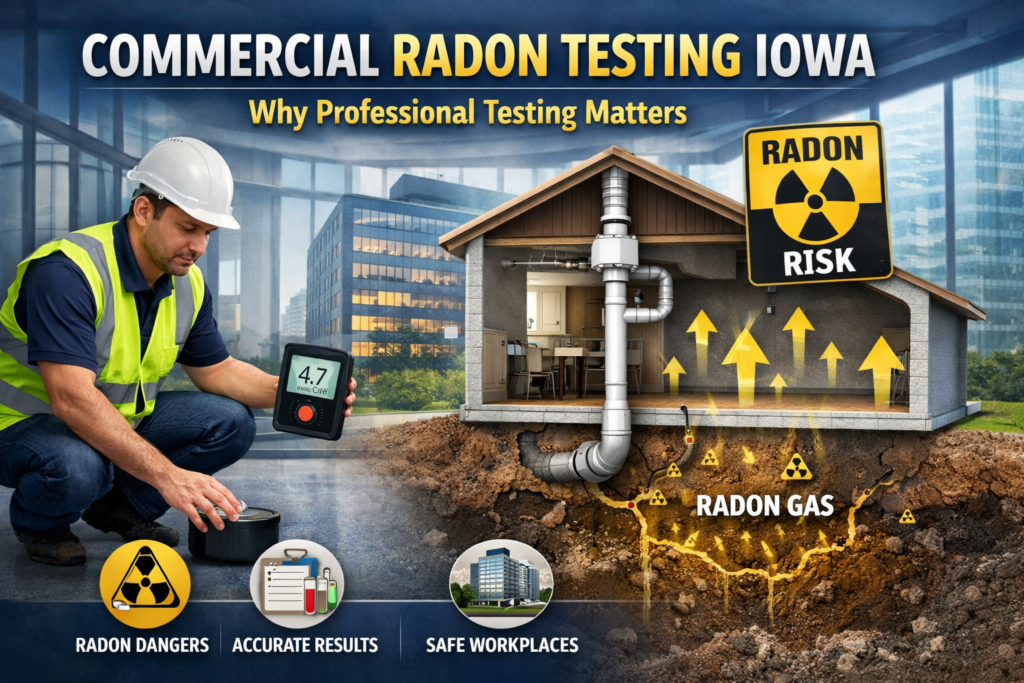
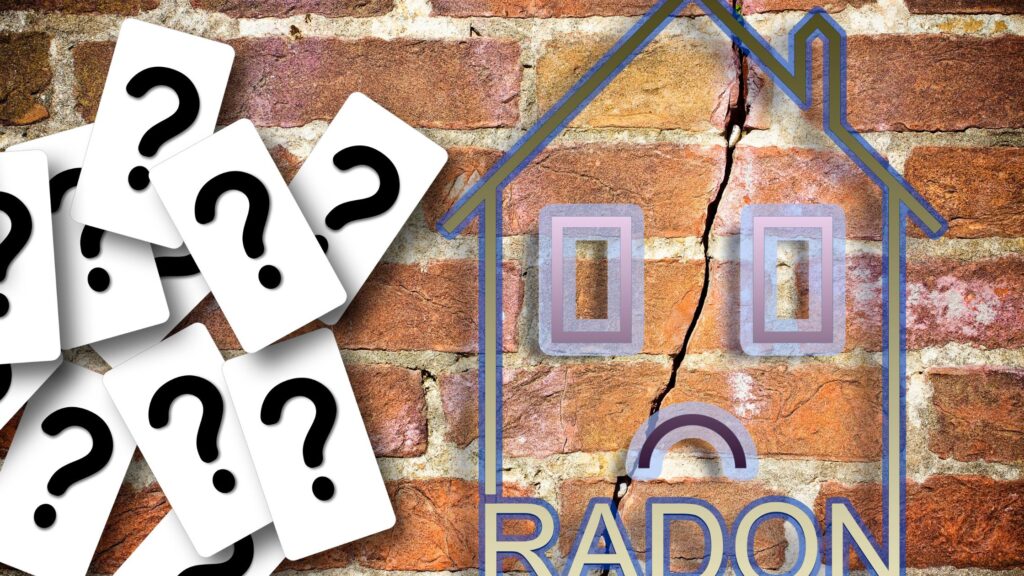
Radon enters buildings from the soil through cracks, joints, sump areas, and utility gaps. Therefore, a space can look safe while exposure rises in lower levels and ground-contact rooms. Moreover, radon stays invisible and odorless, so teams often delay action until a test forces urgency.
However, delay turns a manageable issue into a disruptive one. Consequently, operations absorb avoidable stress, because decisions shift from planned steps to rushed responses. As a result, teams lose time, clarity, and control when the situation demands calm execution.
Where the Economic Impact Really Shows Up
You rarely see a single invoice that explains the full outcome. Instead, the economic impact of radon builds through multiple pressure points that hit performance, planning, and confidence. Here’s how:
1) Uncertainty Hurts Productivity
People perform best when they trust their environment. Therefore, suspected indoor air risk reduces focus and increases hesitation. Additionally, leaders spend time calming concerns. As a result, the organization loses momentum before action.
2) Scheduling Disruption
Suspected indoor air risk reduces focus and increases hesitation. Leaders spend more time calming concerns, so the organization loses momentum before action begins, and daily priorities slip while teams wait for clear answers.
3) Higher Owner Risk
Organizations carry a duty to provide safe indoor environments. Therefore, unclear radon handling increases conflict as teams debate responsibility, not execution. Furthermore, incomplete documentation creates audit confusion.
4) Slower Transactions
Buyers and tenants expect clarity on health-related building risks. Therefore, missing radon records can slow negotiations and raise questions. Additionally, uncertainty shifts conversations from confidence to caution, delaying approvals and stalling deals.
5) Trust and Reputation Risk
People notice safety responses. Therefore, proactive testing builds trust, while hesitation creates doubt. Moreover, documented plans signal leadership, strengthening confidence for employees, tenants, and customers.
Therefore, when you test early and document clearly, you reduce disruption, protect trust, and control the economic impact of radon before it escalates. Learn more about Health Effects of Long Radon Exposures.
Testing Changes the Situation From “Fear” To “Facts”
Radon testing replaces guesswork with evidence, guiding smarter priorities and decisions, reducing emotion, protecting performance, and preventing disruption across spaces.
- Radon testing turns uncertainty into measurable, reliable indoor data.
- Results guide leaders to act on facts, not fear.
- Data helps prioritize rooms, floors, seasons, and timelines.
- Measured air decisions protect performance and reduce disruption.
Test, document, and act early, so your building stays safer, steadier, and fully in control year-round.
Set Decision Thresholds So Action Happens Fast
Teams move faster when a clear policy guides action. Therefore, your radon plan should define:
- When testing happens: Schedule testing at move-in, after renovations, and on a recurring calendar, especially during colder months.
- Who owns the result documentation: Assign one owner to store results, log dates, track locations, and share updates.
- Mitigation triggers: Define action thresholds that trigger mitigation immediately, and require a written plan and installer once results exceed limits.
- Verify after mitigation: Retest after installation, document readings, confirm system operation, and schedule retesting for long-term performance.
Moreover, consistency reduces conflict, because the process drives the decision instead of personal opinions.
A Practical Radon Workflow that Protects Your Operations
You can reduce disruption by turning radon into a repeatable building system that assigns ownership, sets timelines, and keeps every step documented and consistent.67yig, like:
A) Identify High-Priority Areas: Focus on basements, ground-contact rooms, and long-stay spaces. Assign one owner to track next steps.
B) Test and Document Clearly: Use one report format and one storage location. Therefore, leadership finds results fast.
C) Act Fast Now: If results cross the threshold, start mitigation immediately. Use one provider for install + verification.
D) Verify and Maintain: Retest after mitigation, then retest on schedule. Consequently, you stay compliant and avoid surprises.
Therefore, this repeatable system keeps radon decisions fast, documented, and disruption-free, while protecting occupants, maintaining trust, and preventing last-minute operational stress.
Mitigation That Prevents Costly Disruption
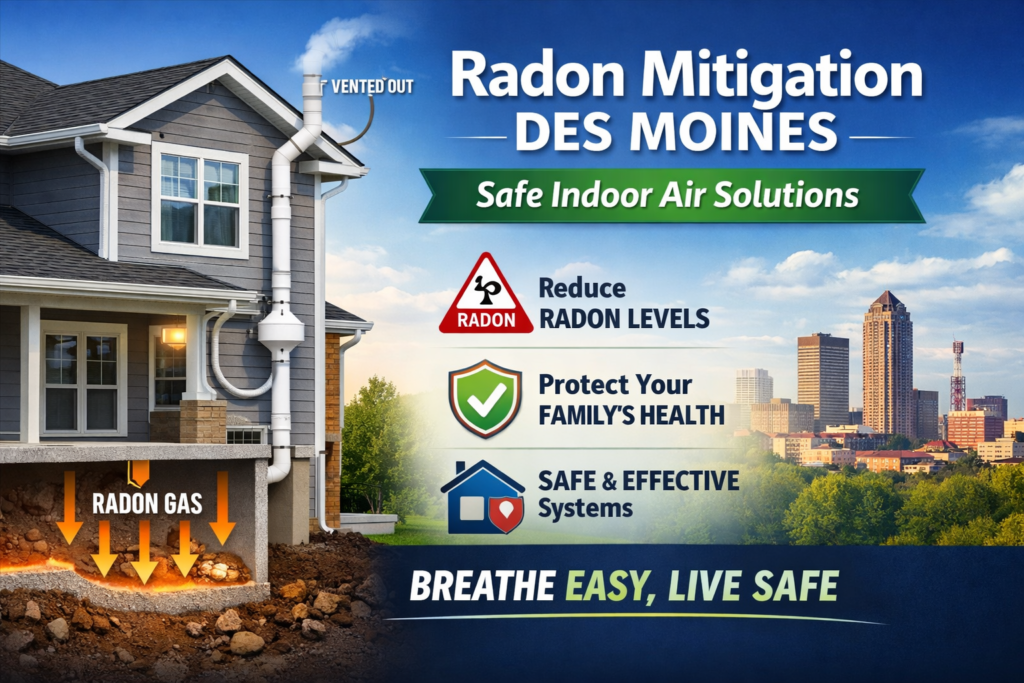
Mitigation protects more than health outcomes. It also protects stability, trust, and predictable operations. Therefore, a professional mitigation approach helps you:
- Restore confidence quickly.
- Reduce long-term risk exposure.
- Keep records ready for stakeholders.
- Maintain a safer indoor environment year-round.
Moreover, specialized support helps properties match solutions to building design, occupancy patterns, and risk zones.
The Business View of the Economic Impact of Radon
The economic impact of radon grows when leaders delay, because uncertainty and disruption compound over time. Therefore, testing and mitigation reduce operational surprises and create predictable next steps. Moreover, a documented process protects decision-makers, strengthens stakeholder trust, and keeps real estate conversations clean and evidence-based, while safeguarding budgets, occupancy stability, and long-term asset value.
Additionally, early action prevents last-minute relocations, emergency contractor costs, and avoidable downtime that disrupts daily operations. Furthermore, clear records reduce disputes during leasing, sales, and insurance conversations, because everyone works from the same verified data. As a result, teams protect productivity, maintain tenant confidence, and keep planning stable instead of reacting under pressure.
Conclusion
You cannot see radon, but you can control how your building responds to it. Therefore, when you manage testing, documentation, and mitigation as a system, you protect people and protect stability at the same time. If you want professional radon testing and mitigation support, choose DSM Radon. Additionally, you gain clear records, faster decisions, and fewer disruptions, so teams stay confident, tenants feel secure, and operations run smoothly year-round. Moreover, early action prevents last-minute panic, supports smoother transactions, and reinforces your safety culture, which strengthens trust with staff, customers, and partners.