
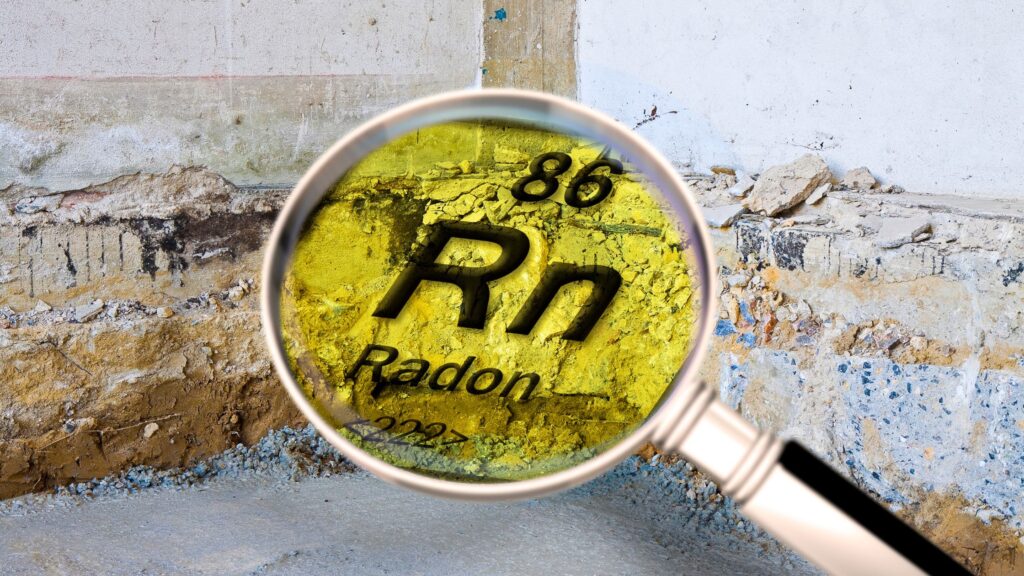




School leaders protect learning when they protect indoor air with repeatable systems. Therefore, districts should treat radon control like a standard safety program, not like a one-time task. Additionally, a documented process keeps every building on the same standard, even when staff roles change or schedules shift. Moreover, consistent records and clear next steps help districts respond faster when results come back elevated. This guide explains the Gail Orcutt Radon School Safety Act requirements in clear, operational steps, so teams can plan testing, publish results, and finish corrective work without confusion.

School Radon Safety Act Requirements
The Act exists to protect students and staff by turning radon control into a repeatable school safety process, not a one-time reaction. Therefore, districts can manage indoor air risk more confidently when they follow one consistent compliance system, like:
- It requires districts to test every attendance center on a defined schedule and to keep retesting on a recurring cycle so results stay current.
- It also requires districts to publish testing results on the district website, because transparency builds trust and keeps families informed.
- When results come back elevated, the Act requires mitigation planning, and it requires corrective action within the required timeline.
- Additionally, the Act requires radon-resistant practices in new construction, and it reduces long-term disruption and retrofit pressure later.
When districts treat these requirements as a system—testing, documentation, communication, and timely corrective action—they protect learning environments with evidence instead of assumptions, and they strengthen school safety with consistent accountability. Learn more about Radon Health Risk in Iowa Homes Explained.
Which Schools and Buildings Must Comply
The compliance scope becomes clear when districts separate who the law applies to from what locations must be tested. Therefore, districts should map obligations by governance and then map buildings by daily occupancy, because compliance depends on both.
A) Schools
Public school districts must follow the Act through board-approved planning, scheduled testing, and timely posting of results. Moreover, districts should treat compliance as a district-wide program, because consistency across schools protects students and staff equally.
B) Buildings
Every attendance center must fall under the testing and retesting schedule, so districts should include each regularly occupied school building in the plan. Additionally, districts should track spaces where students and staff spend long hours, because building use patterns shape real exposure risk.
When districts define the schools and buildings in scope early, they prevent missed sites, reduce scheduling conflicts, and keep documentation consistent from the first test through every retest cycle.

Compliance Timeline and Retesting Frequency
A clear timeline keeps every attendance center on track and prevents last-minute compliance pressure.
i. Program Launch and Board Approval: Approve the district radon plan, assign roles, and publish the testing calendar.
ii. Initial Testing Completion Deadline: Complete baseline testing for every attendance center by the required statutory date.
iii. Follow-Up Testing After Elevated Results: Run timely follow-up testing when initial readings indicate elevated radon levels.
iv. Mitigation Plan Completion Window: Finish required corrective work within the mandated timeline after the first elevated test.
v. Five-Year Retesting Cycle: Retest each attendance center at least once every five years to keep results current.
When districts follow one steady cycle, they protect students consistently and keep compliance documentation clean.
The District Radon Plan: Governance, Scheduling, and Documentation
A strong district radon plan keeps every building on one standard, even when staff roles change. Therefore, districts should write the plan so it guides daily execution and holds up during audits and board reviews.
1) Complete Building Inventory
Create a full list of every attendance center and any regularly occupied instructional space. Assign each site a unique ID, address, and primary use profile for consistency. Keep the inventory updated after renovations, additions, or building use changes.
2) Testing Windows and Rotation
Set testing windows for each building and lock a predictable district-wide rotation. Build in buffer days for closures, events, and access issues that disrupt schedules. Document the retest cycle so every site stays on track year after year.
3) Roles and Accountability
Name the program owner, testing coordinator, and website posting owner in writing. Define who approves communications and who tracks deadlines across buildings. Create a simple escalation path when results require follow-ups or corrective work.
4) Audit-Ready Recordkeeping
Store device logs, placement notes, dates, results, and follow-up actions in one system. Use consistent templates so records match across buildings and across testing cycles. Maintain board-ready summaries that show progress, gaps, and next scheduled steps.
When districts run the plan like an operating system, compliance becomes predictable instead of stressful. Moreover, clean documentation and clear ownership make board reviews smoother and corrective action faster.

Action Level and Mandatory Follow-Up Testing Rules
Clear action thresholds prevent delay and keep every response step consistent across buildings.
- Action Level Trigger: Treat 4.0 pCi/L as the threshold for mandatory action. Log the result and flag the affected rooms and zones.
- Follow-Up Testing Window: Schedule follow-up testing within the required timeframe. Keep placement consistent for fair comparison.
- Room Scope and Prioritization: Start with regularly occupied, lowest-level rooms. Expand the scope when nearby areas share airflow.
- Documentation and Chain-of-Custody: Record device, room, date, and placement details. Store notes for audits and board review.
- Decision Path After Follow-Up: Start mitigation planning if follow-up stays elevated. Communicate actions clearly and track deadlines.
When districts treat follow-up rules as an automatic workflow, they reduce risk faster and stay compliant without confusion.
Conclusion
Districts protect students and staff when they run radon safety as a repeatable system with schedules, records, and clear response rules. Therefore, districts that follow the Gail Orcutt Radon School Safety Act requirements can plan testing calmly, post results transparently, and finish corrective work on time. Moreover, DSM Radon supports structured communication and organized documentation that keeps safety programs consistent across every building and every cycle.