

Radon exposure does not usually cause immediate discomfort, making it dangerous over long periods. As a radioactive gas entering indoor spaces from the ground, people can inhale it daily without realizing the risk. The health effects of long-term radon exposure develop slowly, often after years of contact, making awareness and testing essential for safety, especially in homes where people spend many hours indoors with windows closed for comfort or weather. Therefore, routine testing is the only reliable way to know your home’s true exposure level.

What Is Radon and Why Is Long-Term Exposure Dangerous
Radon is a naturally occurring radioactive gas released from the breakdown of uranium in soil and rock. It can move upward and enter buildings through cracks, joints, and gaps in foundations, especially in basements and ground-level areas. Since radon is invisible and odorless, it often goes undetected without testing.
Long-term exposure is dangerous because radioactive particles can lodge in the lungs when inhaled. Over time, repeated exposure can damage lung tissue at a cellular level, increasing long-term risk even when you feel completely normal.
Primary Health Effects of Long Radon Exposures
Long-term radon exposure mainly affects respiratory health. The risk increases with both concentration level and duration of exposure.
A) Increased Lung Cancer Risk
Prolonged exposure is linked to lung cancer. Repeated lung cell damage raises abnormal growth risk, and harm can build silently for years. Therefore, testing and mitigation reduce risk before symptoms ever appear.
B) Higher Risk for Smokers and Former Smokers
Smoking damages lung tissue, and radon adds more stress. Therefore, smokers and former smokers face a much higher overall risk. As a result, lowering radon exposure becomes an important preventive step for this group.
C) Long-Term Respiratory Stress
Radon doesn’t cause immediate breathing problems, but prolonged exposure can weaken lung resilience, reduce recovery, and increase sensitivity to dust or infections. Moreover, consistent exposure can make the lungs less tolerant of everyday irritants over time.
D) Increased Risk for High-Occupancy Homes
People who spend more time indoors—remote workers, children, and the elderly—may face higher exposure. More indoor hours increase inhalation, even at moderate levels. Consequently, high-occupancy homes benefit the most from regular radon testing.
Why Radon Exposure Often Goes Unnoticed
Radon does not produce short-term warning signs. It does not irritate the eyes, throat, or nose, so people often assume indoor air is safe.
- Feeling healthy does not mean radon is absent: Radon causes no quick symptoms, so levels can build up unnoticed.
- Lack of odor does not indicate safety: Radon has no smell, taste, or color and cannot be detected by the senses.
- Neighboring homes may show different radon levels: Soil, foundation gaps, airflow, and pressure differences cause variation.
Because symptoms often appear only after serious lung damage, testing remains the only reliable detection method.

How Long-Term Exposure Develops Inside Homes
Radon enters homes through areas where the building contacts the soil. Over time, it can accumulate indoors, especially in lower levels. Common Radon Entry Points:
- Foundation cracks and slab joints.
- Sump pits and floor drains.
- Crawl spaces and basements.
- Gaps around plumbing and utility lines.
- Wall–floor connection points.
Once radon enters, pressure differences and poor ventilation can trap it inside living spaces. Over the years, this has created continuous exposure without obvious signs.
When Long Radon Exposure Becomes More Likely
Certain situations increase the likelihood of long-term exposure, especially when people spend more time indoors, and ventilation stays limited for months or years.
- Living in a home with elevated radon for several years.
- Spending extended time in basements or lower floors.
- Using basements as bedrooms, offices, or play areas.
- Limited ventilation or tightly sealed homes.
- Never testing or retesting after structural or HVAC changes.
Testing becomes essential whenever lifestyle or home-use patterns increase time spent indoors.
Understanding Radon Testing for Long-Term Exposure Risk
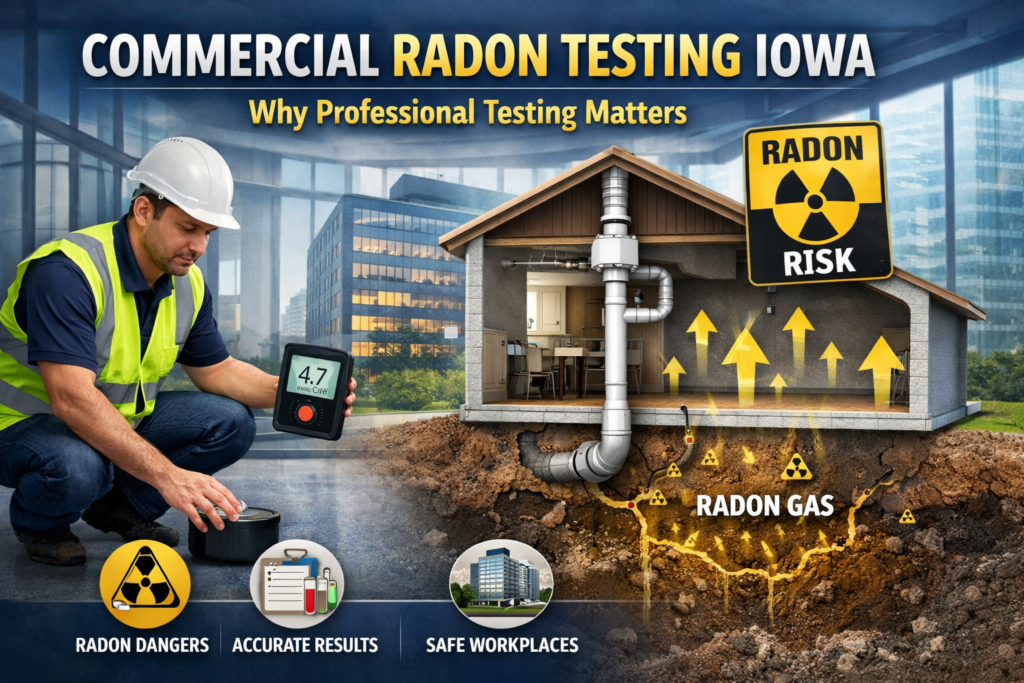
Testing measures radon concentration and helps estimate long-term exposure risk, like:
1) Testing Methods: Short-term tests give a quick snapshot, long-term tests show a 90+ day average, and continuous monitors track daily changes.
2) Proper Test Placement: Radon tests should be placed in the lowest lived-in level of the home to reflect real exposure risk accurately.
3) Interpreting Results: Radon levels at or above recommended action thresholds indicate a need for mitigation to reduce long-term health risk.
Regular radon testing and proper interpretation help manage long-term exposure risks and ensure a safer living environment.
Reducing Health Risks Through Mitigation
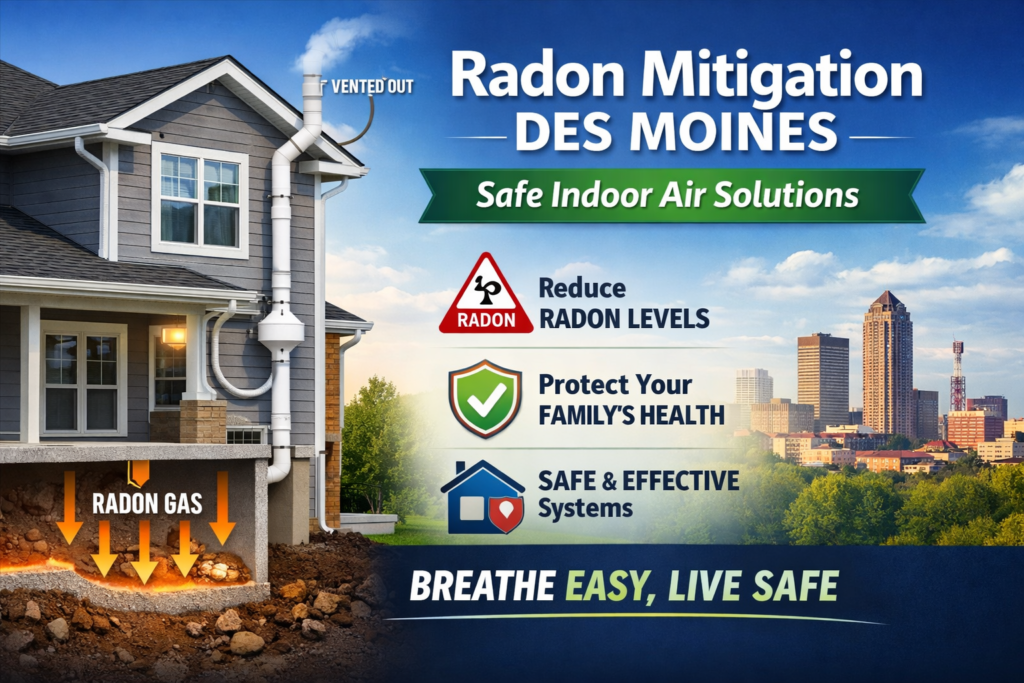
Mitigation systems work by preventing radon from accumulating indoors. These systems redirect radon safely outside before it enters living spaces.
- Sub-slab or crawl space depressurization.
- Controlled venting of soil gases.
- Sealing major entry points to support airflow control.
- System verification through post-install testing.
Proper mitigation significantly lowers radon levels and reduces long-term exposure risk. Learn more about Radon Health Risk in Iowa Homes.
Long-Term Safety Habits to Minimize Health Effects
Maintaining low radon levels requires ongoing awareness because radon levels can change with seasons, weather, home pressure, and structural shifts over time.
- Test regularly: Follow a schedule, especially in colder months when homes stay closed.
- Retest after changes: Renovations or HVAC updates can shift airflow and radon levels.
- Maintain mitigation systems: Check indicators, watch fan performance, and schedule inspections.
- Keep it smoke-free indoors: This lowers lung stress and combined risk.
- Test the lowest lived-in level: Basements and ground floors often run higher.
These steps protect long-term respiratory health by reducing cumulative exposure, improving indoor safety, and keeping radon risk controlled through measurable, repeatable actions.

Conclusion
The health effects of long-term radon exposure mainly involve increased lung cancer risk from continuous inhalation. As radon develops silently, testing and mitigation are the most effective protections. By identifying radon early and reducing exposure, homeowners can lower long-term risk and improve indoor air quality year-round. For professional radon testing and mitigation services, DSM Radon provides expert solutions to help maintain a safer, healthier indoor environment for families, renters, and property owners.