
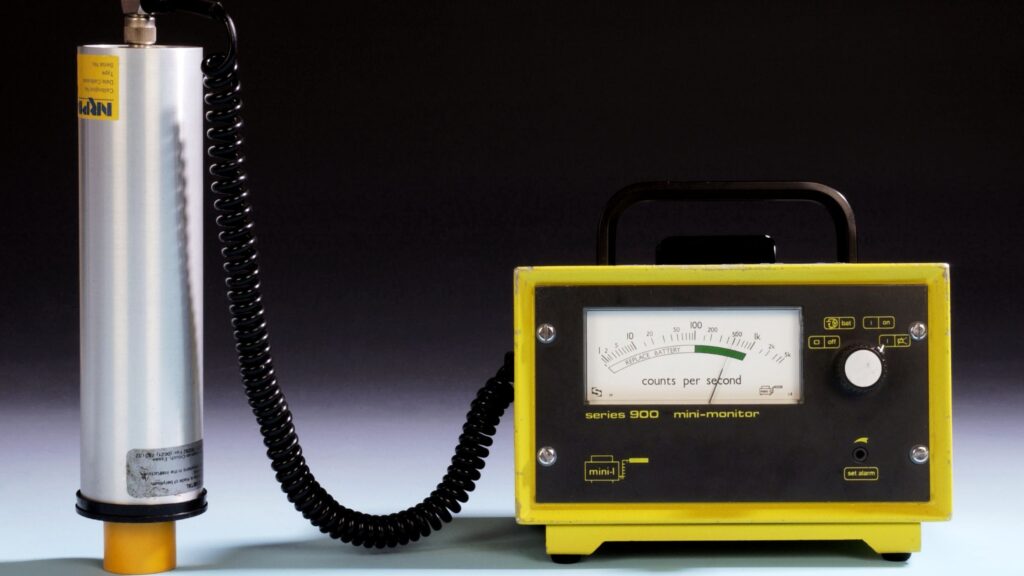
When you discover elevated radon levels in your home, the need for effective solutions becomes urgent. Radon is a silent and invisible gas that can have severe health implications, including lung cancer. If you’re facing high radon readings, it’s essential to understand your options for reliable and affordable solutions. In this article, we will explore the best methods for tackling high radon levels, how they work, and why every homeowner should prioritize radon mitigation.
What Are High Radon Readings, and Why Are They Dangerous?
Radon is a naturally occurring radioactive gas that enters buildings from the soil beneath them. The Environmental Protection Agency sets the action level for radon at 4 picocuries per liter pCi/L. If radon levels exceed this threshold, it’s crucial to take immediate action. Prolonged exposure to high radon levels can lead to lung cancer, making it one of the leading causes of cancer among non-smokers.
While radon is a common concern in many households, particularly in areas with certain soil types, it’s important to understand that radon problems can arise in any home, regardless of age or location. The gas is present naturally in the environment and can enter homes through cracks in foundations, joints, and other openings in the building. It can even seep through walls and floors, making it a hidden threat in many areas.
How to Identify High Radon Levels in Your Home
To ensure your home is safe from the harmful effects of radon, it’s essential to identify if high radon levels are present through proper testing.
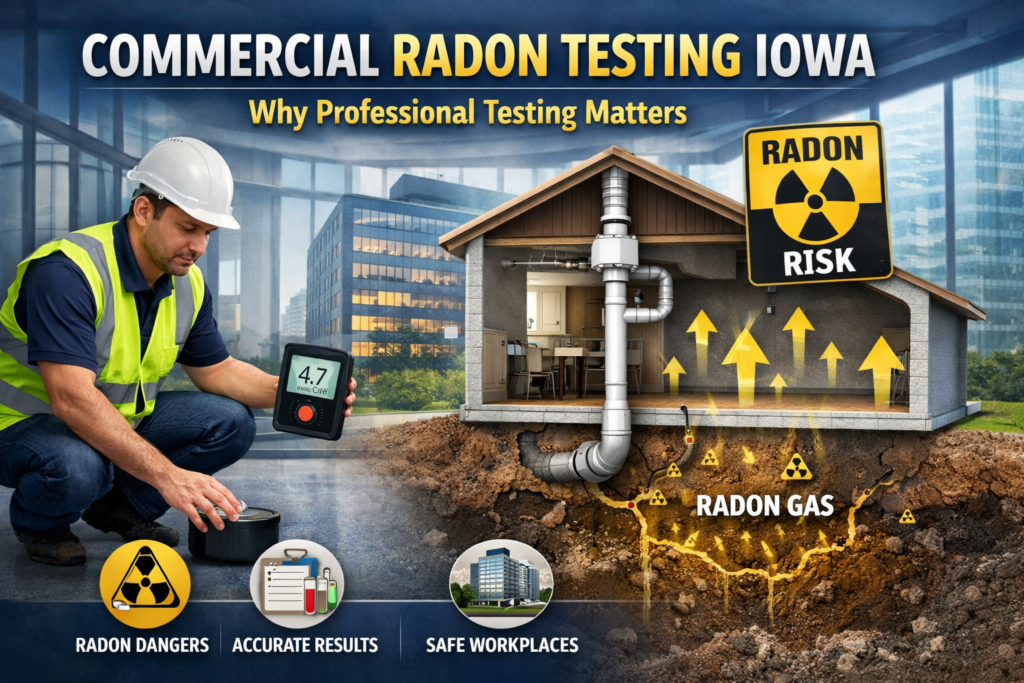
- Start by conducting a radon test to measure levels in your home, either with a DIY kit or by hiring a professional.
- If levels exceed 4 pCi/L, the EPA’s recommended threshold, it’s crucial to take action and explore mitigation solutions.
- Testing should be done in the lowest livable areas, such as basements or ground floors, where radon is most likely to accumulate.
- For accurate results, it’s best to test during winter when homes are sealed, and radon concentrations tend to be higher.
By testing for radon and taking the necessary steps to mitigate high levels, you can protect your home and family from the serious health risks associated with radon exposure.
Radon Mitigation Solutions: Methods to Keep Your Home Safe
Radon is a serious health risk, but fortunately, there are effective mitigation solutions to reduce its levels in your home. Here are some of the most common and reliable methods to keep your home safe from radon exposure.
1. Sub-Slab Depressurization
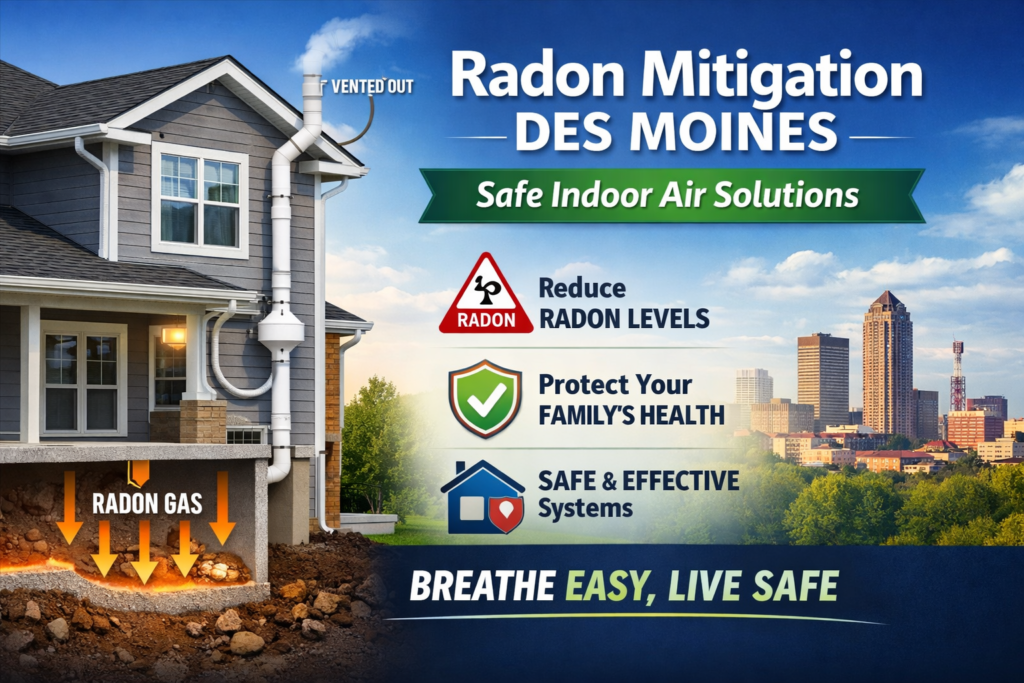
The most common and effective radon mitigation method creates a vacuum beneath your home’s foundation to draw radon gas out of the soil. A pipe connected to a fan vents the gas safely outside before it can enter your living space.
2. Sealing Entry Points
While sealing cracks, gaps, and joints in your home’s foundation will not eliminate radon, it’s an essential part of the mitigation process. Sealing reduces the pathways through which radon can enter the home, complementing other mitigation methods.
3. Waterborne Radon Mitigation
In homes with private wells, radon can also dissolve into the water supply. A point-of-entry treatment system can be installed to remove radon from your water before it enters the home, preventing it from being released into the air during daily use.
4. Ventilation Systems
Improving the overall ventilation in your home can help reduce radon concentrations by increasing air circulation. However, ventilation alone is typically not enough to reduce radon to safe levels without the addition of a more comprehensive system like sub-slab depressurization.
By implementing these radon mitigation methods, you can significantly reduce radon levels in your home, ensuring a safer environment for you and your family. Always consult a professional to choose the best solution for your specific needs. Learn more about Radon Mitigation System Cost to Install.
Essential Steps for Effective Radon Mitigation
To effectively mitigate high radon levels in your home, follow these essential steps to ensure a safe and healthy living environment.
- Schedule a test: Contact a certified professional to assess radon levels at your property. Don’t delay, as waiting increases the risk of long-term exposure.
- Review results carefully: If the radon levels exceed 4 pCi/L (or show an increasing trend), take immediate action by planning the necessary mitigation strategies.
- Choose a certified installer: Select a mitigation company with verifiable experience, certifications, and local references.
- Install the system: Have your radon mitigation system professionally installed, ensuring minimal disruption to your home while sealing any entry points to prevent further radon infiltration.
By following these steps and selecting the right professional, you can effectively implement reliable, affordable, high radon readings solutions for your home.
Conclusion
High radon readings are a serious health risk, but with the right solutions, they can be effectively addressed. By implementing reliable, affordable high radon readings solutions, you can protect your home and family from the dangers of radon exposure. Whether you need sub-slab depressurization or waterborne radon treatment, the professionals at DSM Radon are here to help. Reach out today for a free estimate and take the first step toward a safer, healthier home.
FAQs
Q1. What is considered a high radon reading?
A radon reading of 4 pCi/L or higher is considered high by the EPA and requires action. However, even lower levels may still pose a risk over time.
Q2. How much does radon mitigation cost?
Radon mitigation systems typically cost between $800 and $2,500, depending on your home’s size and the complexity of the installation.
Q3. Can I mitigate radon myself?
While you can purchase DIY radon testing kits, radon mitigation is best left to professionals who can install the appropriate system for your home’s needs.
Q4. How often should I test for radon?
After installation of a mitigation system, it’s recommended to test every 2 to 5 years to ensure that radon levels remain low and the system continues to function effectively.