
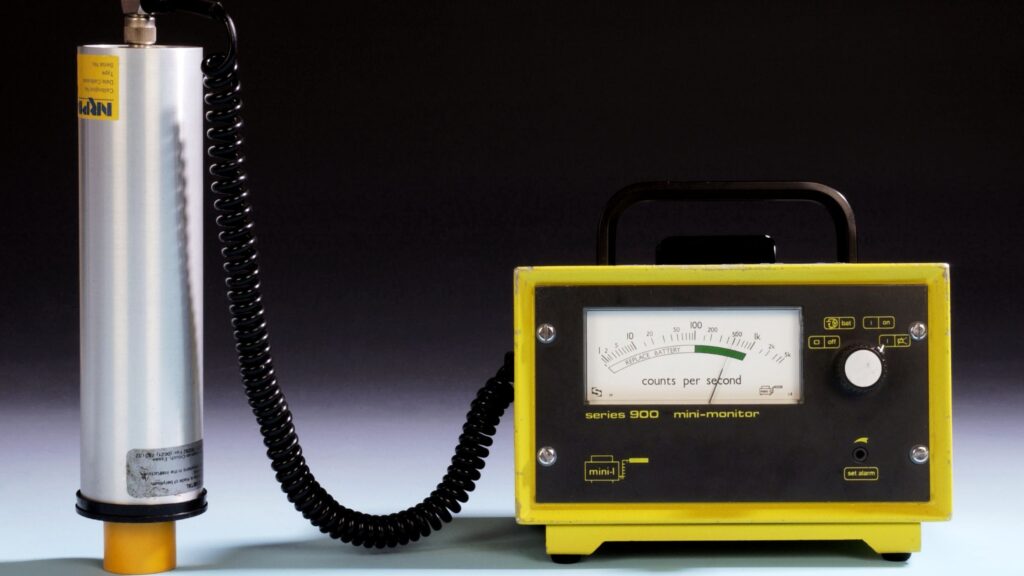
Radon has influenced health awareness and housing decisions in Iowa for many years. Because Iowa’s natural landscape allows radon to form and spread easily, residents face a higher exposure risk than people in many other states. Therefore, understanding the history of radon in Iowa helps homeowners, builders, and decision-makers protect long-term health. Moreover, this history explains why radon testing and mitigation remain essential rather than optional.

How Radon First Entered Iowa’s Public Health Conversation
Radon first gained significant attention in Iowa during the 1980s, when early testing revealed consistent indoor exposure risks statewide. The wide discoveries were:
- Early Indoor Air Studies (1980s): Researchers tested indoor air and detected elevated radon levels in homes.
- Unexpected Residential Readings (1986): Scientists found high radon concentrations in basements and living areas.
- Statewide Testing Patterns (1989): Expanded testing showed similar radon results across urban and rural areas.
- Growing Health Risk Awareness (1990s): Health experts linked radon exposure to increased lung cancer risk.
- Shift From Curiosity to Concern (1993): Officials recognized radon as a serious and preventable health hazard. The EPA established the first official guidelines for radon levels in homes.
These early discoveries moved radon into Iowa’s public health focus and shaped future action.
The Geological Story Behind Iowa’s Radon Levels
Iowa’s geology plays a central role in radon formation. Thousands of years ago, glaciers moved across the region and ground rocks into fine soil. These soils retained trace amounts of uranium and radium, which later became a natural source of radon gas.
As these radioactive elements break down, they release radon into the surrounding soil. This gas then moves upward through the ground and can enter buildings through foundation cracks, joints, and porous materials. Because this process happens continuously, radon production never fully stops.
Because glaciers deposited similar soil across much of the state, radon potential remains high almost everywhere. Therefore, geographic location within Iowa offers little protection from radon exposure, making testing essential for all properties regardless of region.
When Data Changed How Iowa Viewed Radon Risk
Reliable testing data transformed how Iowa understood radon by replacing assumptions with measurable evidence.
- Widespread Home Testing (1990s): Expanded testing revealed that many homes exceeded recommended radon levels. These results highlighted the scale of indoor exposure.
- Consistent Statewide Results (2000s): Data showed similar radon patterns across different regions. This consistency confirmed radon as a statewide issue.
- Shift in Health Messaging (2000): Health officials moved from awareness alone to prevention-focused guidance. They promoted regular testing as a standard practice.
- Connection to Cancer Prevention (2002): Researchers definitively linked radon exposure to lung cancer. As a result, radon shaped public health strategies.
- Focus on Proactive Action (2010): Data encouraged early testing rather than waiting for problems to arise. This approach reduced long-term health risks.
Together, these data-driven insights reshaped Iowa’s radon strategy and strengthened prevention efforts across the state.

Educational Efforts That Reached Iowa Communities
Public education played a major role in improving radon awareness across Iowa. These efforts helped residents understand risks and take preventive action early.
A) Statewide Awareness Campaigns (2005)
Health agencies launched coordinated campaigns to explain radon risks in a clear and approachable way. They used brochures, media messaging, and public events to simplify complex information. As a result, these campaigns encouraged routine home testing and reduced confusion about radon safety.
B) Local Government Involvement (2010)
Cities and counties actively supported radon education programs within their communities. Officials distributed information through local offices, housing programs, and public meetings. Consequently, this involvement increased public trust and improved participation in testing efforts.
C) School and Community Programs (2015)
Schools and community centers hosted educational sessions focused on indoor air quality. These programs explained how radon enters buildings and affects long-term health. Therefore, families gained practical knowledge that supported safer living environments.
D) Homeowner Outreach Initiatives (2018)
Outreach programs directly engaged homeowners through workshops and informational materials. They emphasized testing before health issues developed rather than after problems appeared. As a result, this approach promoted proactive and preventive decision-making.
Together, these education efforts made radon awareness accessible statewide. As a result, communities became more proactive about indoor air safety. Learn more about How Radon Affects Local Ecosystems in Iowa.
Practical Steps to Protect Your Home
Homeowners can manage radon risks without sacrificing efficiency by following these proven actions:
- Test regularly – Radon testing remains the only reliable way to measure indoor exposure.
- Retest after renovations – Home upgrades can alter airflow and increase radon entry.
- Maintain balanced ventilation – Proper air circulation helps reduce indoor radon buildup.
- Seal entry points – Closing foundation cracks limits radon movement indoors.
- Install mitigation when needed – Professional systems safely lower elevated radon levels.
- Monitor long-term – Ongoing testing confirms continued indoor air safety.
These steps represent modern best practices shaped by decades of research and experience related to the history of radon in Iowa.

Why the History of Radon Still Matters Today
The history of radon in Iowa continues to guide present-day decisions. Although awareness has grown, radon exposure remains common. Therefore, homeowners must continue testing regularly. Additionally, understanding past challenges helps communities avoid complacency and maintain a proactive approach to indoor air safety.
Many homes still sit on radon-producing soil, and building age does not eliminate risk. Even properties with previous test results can experience changes in radon levels over time. Because of this variability, routine testing remains one of the most effective ways to protect indoor air quality.
Conclusion
The history of radon in Iowa shows how science, data, and education transformed a hidden hazard into a recognized public health priority. This history proves that radon demands consistent attention and informed action from homeowners and communities. Over the years, Iowa has made significant strides in raising awareness and developing strategies to tackle this issue head-on. However, despite progress, radon exposure remains an ongoing concern. For homeowners seeking reliable testing and mitigation solutions, DSM Radon provides professional services rooted in local expertise. Their experience helps ensure safer indoor air and long-term peace of mind for Iowa families.