

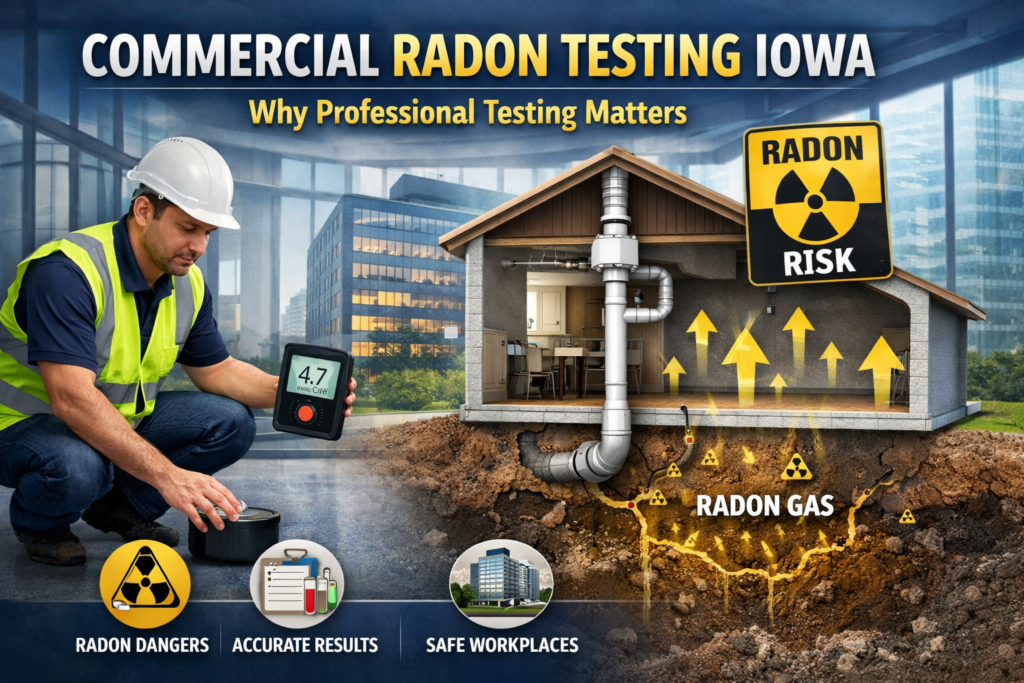


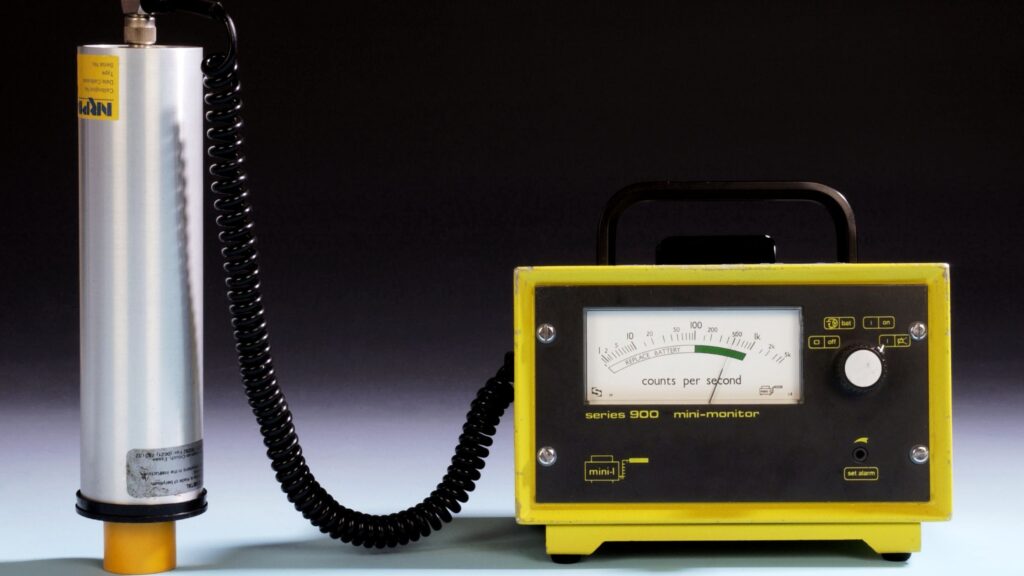
Iowa soil naturally contains high levels of uranium. As this element decays, it releases radioactive radon gas into the surrounding earth. Unfortunately, this invisible danger eventually enters countless homes across the state. Specifically, the construction style of a house determines the entry points and the severity of the accumulation. Therefore, understanding how Foundation Types in Iowa Affect Radon Levels empowers homeowners to protect their health effectively.

The Science Behind Radon Entry in Iowa Homes
Iowa features a unique geological profile that naturally harbors high concentrations of uranium. Specifically, ancient glaciers deposited rich soil across the state that contains this radioactive element. Consequently, as the uranium decays over time, it continuously produces radon gas.
Furthermore, this gas does not remain stationary deep within the Earth. Instead, it permeates through the loose soil and actively rises toward the surface in search of release. However, the presence of a building significantly interrupts this natural path. Primarily, a physical phenomenon known as the stack effect drives the gas indoors. Because warm air is lighter than cold air, it actively rises inside the home and escapes through the roof or attic vents. As a result, this upward movement generates a powerful vacuum in the basement or lower levels.
Therefore, the house literally sucks the radon from the surrounding ground. Unfortunately, the gas enters easily through porous concrete, sump pumps, and foundation cracks. Ultimately, this pressure differential transforms the home into a large trap for dangerous soil emissions. Learn more about Radon Levels in Winter.
Common Foundation Vulnerabilities That Increase Radon Risks
Iowa homes utilize distinct building techniques that unintentionally invite radon gas. Each foundation style possesses specific weak points where the soil gas penetrates the interior structure. Therefore, identifying these vulnerabilities helps homeowners address the problem effectively.
A) Porous Concrete Slabs
Concrete naturally contains microscopic pores that allow gas to pass through the material slowly. Furthermore, pressure from the soil forces radon through these tiny openings continuously. Consequently, even a visually perfect floor often fails to block the gas entirely.
B) Sump Pump Basins
Many Iowa basements utilize sump pumps to manage water intrusion effectively during storms. However, the open pit creates a direct connection to the soil beneath the house. Thus, the vacuum effect actively pulls high concentrations of radon into the home.
C) Foundation Wall Cracks
Settling houses frequently develop small fractures in the foundation walls over time. Additionally, water pressure against the exterior enlarges these cracks year after year. As a result, radon gas flows freely through the walls and into the living space.
D) Crawl Space Vents
Older homes often rely on passive vents to circulate air within crawl spaces. Unfortunately, these vents rarely provide enough airflow to remove the rising gas efficiently. Therefore, the radon accumulates rapidly and eventually seeps into the rooms above.
E) Utility Pipe Penetrations
Builders must cut holes in the slab for water, sewer, and gas lines. Consequently, gaps often remain between the pipes and the surrounding concrete material. These small openings serve as major entryways for dangerous soil gas.
Every foundation type harbors specific physical weaknesses that invite radon entry. Recognizing these structural defects allows you to choose the right mitigation strategy for your home. Ultimately, professional testing remains the only way to measure the actual risk accurately.
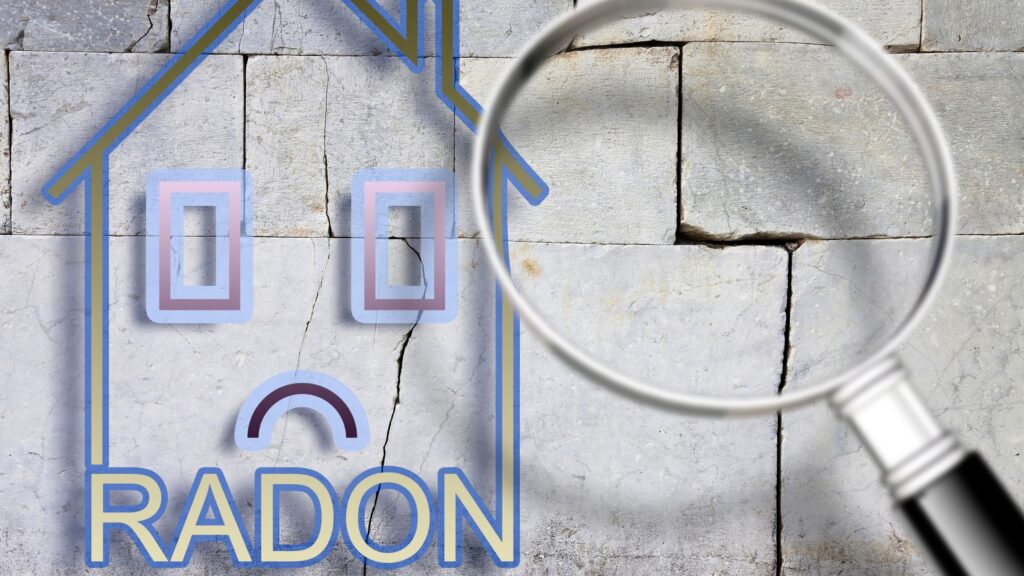
Structural Flaws Facilitating Gas Intrusion
Construction practices in Iowa frequently create unintentional pathways for radioactive elements.
1. Floor-to-Wall Seams: Builders pour the floor separately from the walls to allow settling. Consequently, this permanent gap actively invites radon gas into the basement.
2. Hollow Cinder Blocks: Empty chambers inside the blocks act like chimneys for soil gas. Therefore, the radon seeps through the porous masonry into the room.
3. Internal Drainage Systems: Perimeter drains often leave an open path to the soil below. Thus, this gap directly connects the living space to radioactive air.
4. Structural Support Posts: Steel columns penetrate the slab to reach the solid earth underneath. As a result, the unsealed edges allow gas to rise upward.
5. Gravel Sub-Bases: Loose stones beneath the concrete create a highway for air movement. Unfortunately, this layer helps pressure build up under the entire floor.
In conclusion, the very components that hold up your house often betray its safety. Ultimately, a professional inspection reveals which of these structural flaws contributes most to your levels.
Conclusion
In summary, ignoring the presence of radon places your family at significant risk for lung cancer. You must prioritize testing regardless of whether your home sits on a basement, a crawl space, or a slab. If your test reveals high levels, you need professional assistance to design a solution that fits your specific foundation. For expert results, we recommend DSM Radon and the dedicated team to provide exceptional testing and mitigation services. They possess the necessary certification and experience to install aesthetically pleasing and effective systems. Contact them to ensure your home remains safe.
FAQs
1. Does a new foundation prevent radon entry better than an old one?
Not necessarily. While new homes often have better passive barriers, they are also more airtight. Consequently, they trap radon more effectively than drafty older homes. You must test a new home just as you would an older one to ensure safety.
2. Can I seal cracks in my floor to stop the radon?
Sealing cracks prevents some entry, but it rarely solves the problem entirely. The gas builds up pressure beneath the concrete and finds other pathways. Therefore, experts recommend installing an active mitigation system alongside sealing for maximum protection.
3. Why do radon levels fluctuate throughout the year?
Weather patterns significantly influence radon levels. For instance, frozen ground in winter creates a “cap” over the soil outside, which forces more gas toward the warm, low-pressure area under your house.
4. How often should I test my home?
You should test your home at least every two years. Furthermore, you need to conduct a new test after any major renovation, foundation repair, or change in your heating and cooling system.