

Homeowners are often concerned about radon exposure symptoms, as they seek clear signs that something may be wrong with their home environment. However, radon exposure symptoms are not always obvious, which means radon often goes unnoticed until its effects become more severe. Understanding how radon affects homeowners and recognizing early signs of exposure is essential for taking action before long-term health impacts occur.
Why Radon Exposure Symptoms Often Go Unnoticed
Radon does not trigger immediate, noticeable symptoms like smoke or chemicals do. Instead, radon slowly enters the lungs over time, and symptoms of exposure may not surface for many years. This makes it difficult for homeowners to identify radon as the cause of any symptoms, as early radon exposure symptoms are often confused with other common health issues, such as seasonal allergies, asthma flare-ups, or dry indoor air.
Therefore, radon should not be diagnosed based on symptoms alone. Testing for radon is the only reliable way to identify the risk in your home, and it’s crucial to separate medical concerns from environmental testing. Taking proactive steps, including radon testing, is the only way to truly understand whether your home is affected.
Radon Exposure Symptoms: What to Look For
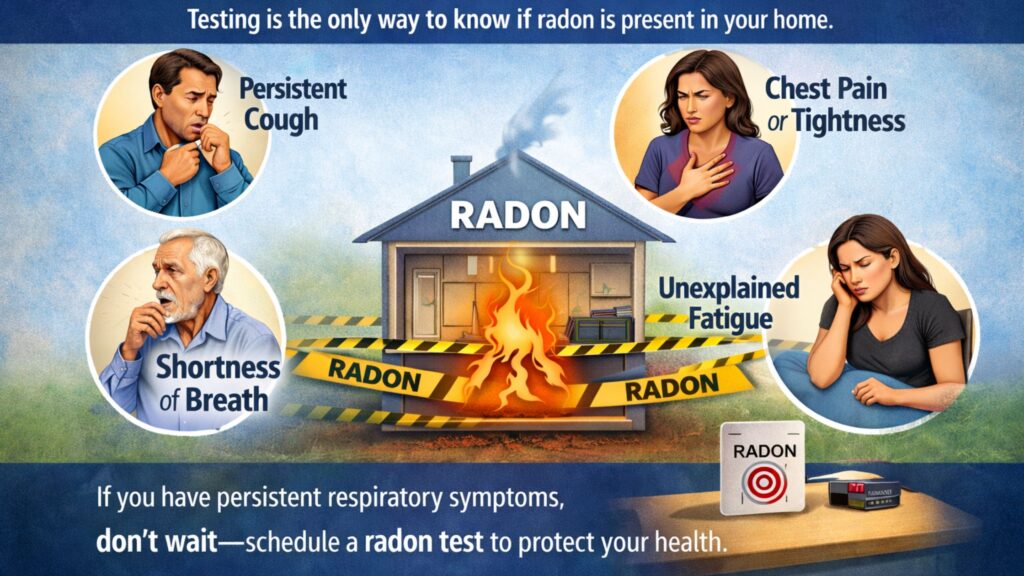
While radon exposure symptoms are rarely immediate, homeowners often look for patterns to determine if they are at risk. The following symptoms may signal the need for testing:
A) Persistent Cough That Won’t Go Away
A persistent cough lasting for weeks, without any other signs of infection or a fever, could indicate exposure to harmful particles. However, it can also reflect other issues such as allergies or respiratory infections. Test your home for radon and consult a healthcare professional.
B) Ongoing Chest Tightness or Chest Pain
Chest tightness or pain, especially during physical activity, is a symptom that should not be ignored. While this could point to a variety of health conditions, it may also indicate radon exposure. Seek medical advice and perform radon testing to understand the risks in your home.
C) Wheezing or Repeated Shortness of Breath
Wheezing or shortness of breath are classic symptoms of airway irritation, which could be aggravated by radon exposure over time. However, many factors can trigger these symptoms, so it’s essential to test for radon to confirm if it’s an environmental concern.
D) Recurring Infections or Bronchitis
Frequent respiratory infections or bronchitis-like illnesses may indicate long-term exposure to airborne irritants. While these symptoms are concerning, they don’t necessarily point to radon. Combine medical evaluation with radon testing, especially in areas like basements, where radon levels are often higher.
E) Unexplained Fatigue or Weight Loss
Unexplained fatigue or unintended weight loss may signal more severe health issues, including long-term radon exposure. These symptoms should prompt a medical consultation, followed by a radon test to rule out environmental causes.
Symptoms like these are warning signs to act on, but testing is the only way to confirm if radon is the cause. If you notice any of these symptoms, don’t delay — schedule a test and take action based on the results.
A Simple Action Plan for Homeowners
To protect your health and home, follow this simple action plan:
- Take Symptoms Seriously, but Test for Radon: If you have persistent respiratory symptoms, see a healthcare provider and test your home for radon.
- Test High-Risk Areas: Start testing in the basement or ground floor, as these areas are most likely to have elevated radon levels.
- Retest After Changes: Retest if you renovate, change your HVAC system, or finish a basement, as these can increase radon levels.
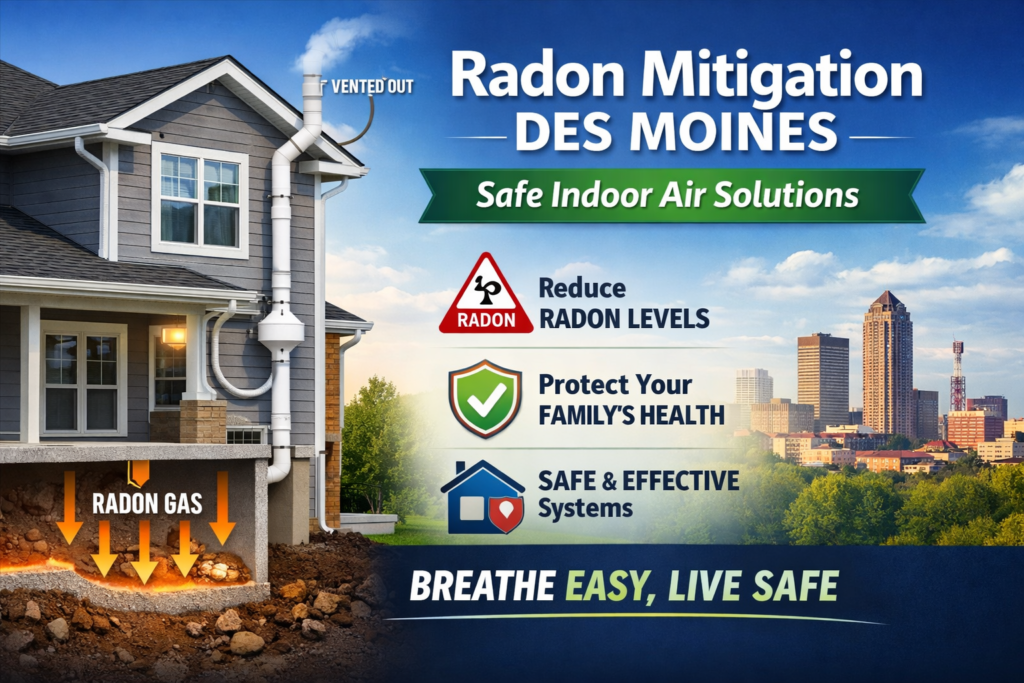
- Act on High Radon Levels: If your test shows elevated radon, take immediate action to mitigate and retest after fixing.
- Make Testing Routine: Regular radon testing is key to maintaining a safe home environment over time.
Protecting your health from radon exposure requires proactive testing and mitigation. By staying vigilant with testing and taking action when needed, you ensure a safer living environment for you and your family.
How to Properly Test for Radon in Your Home
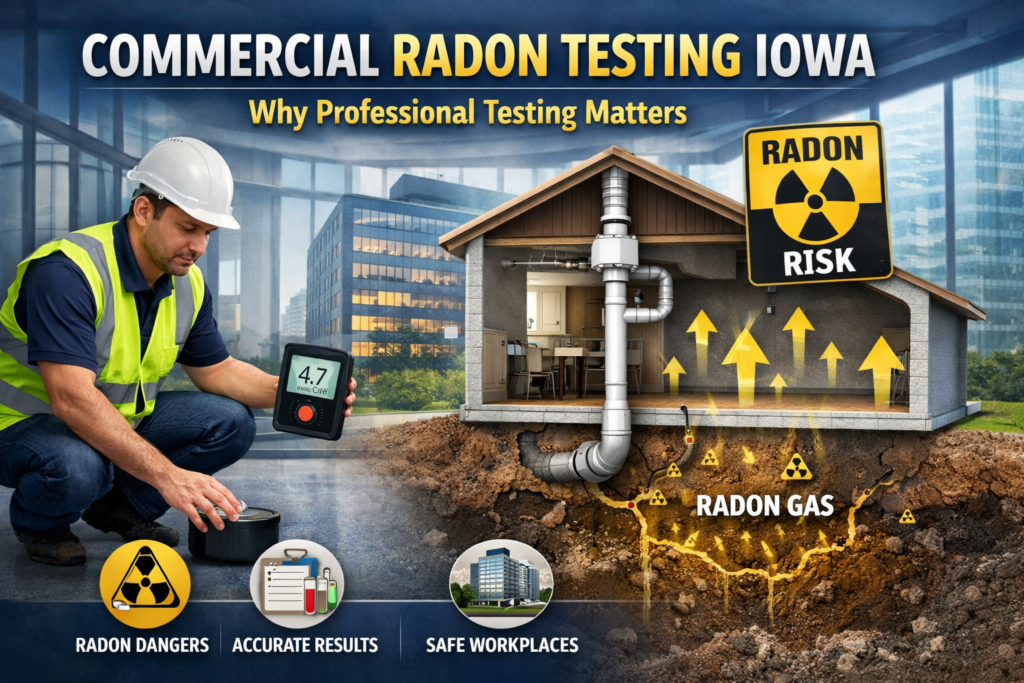
Testing for radon is straightforward but requires attention to detail to ensure accurate results:
- Choose Short-Term or Long-Term Testing: Short-term tests provide a quick snapshot of radon levels, while long-term tests offer more accurate averages. Begin with a short-term test to get an initial reading.
- Test the Most Used Areas: Focus on the lowest level of your home where people spend the most time, such as the basement or main floor.
- Ensure Proper Testing Conditions: Keep windows and doors closed during testing to maintain consistent airflow and avoid distorted results.
- Avoid Poor Placement: Do not place testing kits near vents, bathrooms, or kitchens, as drafts and humidity can interfere with the results.
- Act on Results: If testing confirms elevated radon levels, take immediate action to mitigate the risk.
Proper testing and timely action are essential to keeping your home safe from radon exposure. Learn more about Radon in Split-Level Homes.
Conclusion
Radon is a silent, invisible threat that requires a proactive approach. Symptoms alone cannot confirm radon exposure, so testing is essential for homeowners to protect their health. By following a simple, evidence-based action plan, you can stay safe from radon and ensure your home environment remains healthy. If you need help with radon testing and mitigation in the Des Moines area, DSM Radon is here to guide you every step of the way, from initial measurement to post-mitigation confirmation.

FAQs
1. Can homeowners feel radon exposure right away?
No, radon exposure is not immediately felt. It’s important to rely on testing rather than physical symptoms.
2. Which symptoms should prompt immediate medical attention?
Seek medical attention if you experience chest pain, difficulty breathing, or coughing up blood, as these could indicate serious health concerns.
3. Where should I test for radon in my home?
Test in the lowest level where people spend the most time, as this area typically has the highest radon levels.
4. Should I retest after renovations or HVAC changes?Yes, changes to your home’s structure or airflow can alter radon levels, so it’s important to retest after such modifications.