
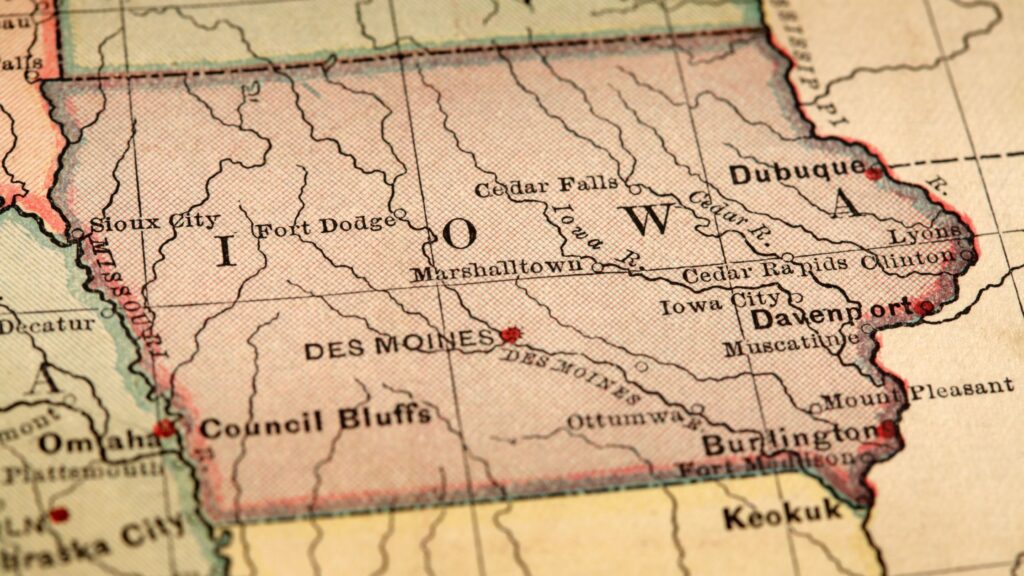

Many managers, homeowners, and landowners often wonder how radon affects local ecosystems in Iowa, especially since they notice the same pattern each year: Iowa’s soil naturally produces radon, weather changes move it, and buildings and landscapes react. This article explains the real impact of radon, what factors change the risk across Iowa, and the steps you can take to reduce exposure, improving both indoor air quality and the surrounding environment. With widespread radon potential in Iowa, understanding these risks is important at both the property and community levels.

Three Factors Affecting Local Ecosystem Impact
Before you generalize how radon affects local ecosystems in Iowa, it’s important to consider the factors that influence radon generation and movement:
I. Geology and Soil Characteristics
Iowa’s radon potential is linked to the presence of uranium in rocks and soil. The soil’s texture and permeability also play a key role in how radon gas moves. Even two nearby areas with similar land use can show different radon patterns due to variations in geology and soil composition.
II. Moisture, Seasonal Changes, and Weather-Driven Pressure
Changes in soil moisture and weather conditions affect how gases, including radon, move through the ground. Seasonal cycles of wet and dry conditions can alter soil pore spaces and pathways, affecting how radon reaches the surface and enters buildings.
III. Human Land Use and Structures
Construction activities, drainage systems, basements, and utility penetrations create pathways for radon to enter buildings. These factors can cause pressure differences that pull soil gas inside, making radon more concentrated indoors, even though outdoor air typically dilutes it.
Understanding these variables helps you make better decisions about how radon affects local ecosystems in Iowa, focusing on actual conditions rather than just relying on maps.
A Realistic Iowa Impact Timeline
People often seek a clear, practical approach to understanding how radon affects local ecosystems in Iowa without getting overwhelmed by complex theories. Follow this phased framework to keep your assessment clear and repeatable:
Phase 1: Immediate Baseline (Days to 1 Week)
Start by identifying areas where radon is most likely to concentrate, such as basements, crawlspaces, and rooms below ground level. Since radon is odorless and colorless, you’ll need measurements to establish a baseline.
Phase 2: Pattern Check (2–4 Weeks)
Look for patterns based on weather and building operations. For example, winter conditions and pressure differences can increase indoor radon levels, so track ventilation habits and any storm-related changes.
Phase 3: Source Focus (1–3 Months)
Move from measuring radon levels to understanding the source. Inspect entry points like cracks in slabs, sump areas, joints, and other penetrations. Also, consider water sources, especially if you use well water, as radon can enter through water use.
Phase 4: Long-Term Stability (Season-to-Season)
Monitor radon levels over time. Retesting and follow-up are essential to ensure mitigation efforts and building adjustments are keeping radon levels under control through changing seasons.
This phased approach to understanding how radon affects local ecosystems provides clear, actionable steps, so you can make informed decisions and avoid guesswork.

Align Your Testing and Mitigation With Real Conditions
To reduce confusion, align your actions with how radon moves. Begin by testing areas where people spend the most time, like homes, schools, and workplaces, as these are the places most exposed to radon. DSM Radon provides professional radon testing and mitigation services for residential, commercial, and school projects across Iowa.
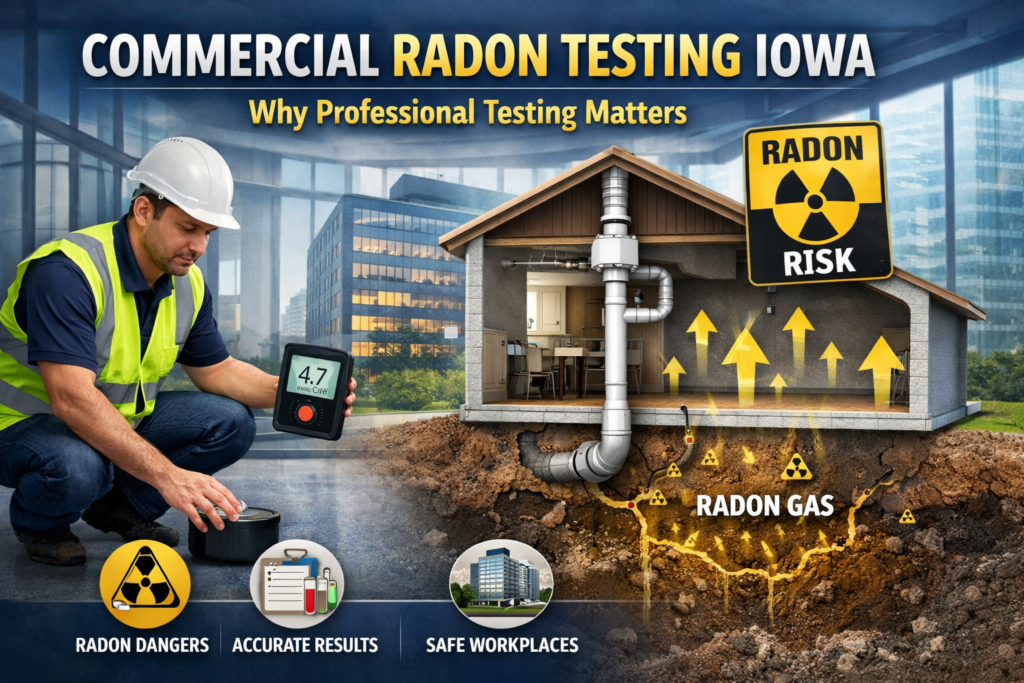
If your tests reveal elevated levels, implement effective mitigation strategies like active soil depressurization, which uses a vent pipe and fan to safely expel radon outdoors. Sealing cracks and openings also helps increase the effectiveness of this method.
Follow the EPA guidelines for clear action: fix radon levels above 4 pCi/L and consider mitigation if levels are between 2 and 4 pCi/L. By combining testing, mitigation, and consistent follow-up, you can manage radon risks proactively, not just react when issues arise.
Role-Based Actions That Keep Results Consistent
You’ll make faster progress when each group focuses on what they can control:
A. Homeowners and Renters
Begin by testing the lowest occupied levels and then seal entry points while improving airflow. Retest after changes, as radon levels can fluctuate seasonally and with HVAC use. Regular retesting ensures stability and peace of mind.
B. Farmers and Land Managers
Consider radon as a signal from the soil that can change based on moisture, compaction, and drainage. Keep drainage systems and soils around foundations in check, and pay attention to crawlspaces, utility trenches, and slab edges on farm structures.
C. Schools, Workplaces, and Property Managers
Focus on below-grade areas and maintain consistent testing schedules, especially since many people spend long hours in these spaces. DSM Radon recommends structured testing programs for schools and multifamily buildings, rather than occasional checks.
By assigning clear responsibilities to each group, you minimize gaps and ensure a more efficient response to how radon affects local ecosystems, with fewer missed steps. Learn more about Why Iowa Geology Produces High Radon.
A 7-Step Plan You Can Repeat
For a simple system to manage how radon affects local ecosystems in Iowa, follow these steps:
- Identify areas with the lowest and highest radon risks on the property.
- Conduct a baseline test and document the conditions.
- Review building entry points and factors that may affect radon movement.
- Implement proven mitigation methods if necessary.
- Test the well water if indoor tests show elevated levels.
- Retest to ensure improvement and stability.
- Repeat testing seasonally or after major building changes.
This approach keeps your actions consistent and helps you avoid uncertainty in managing radon risks.
Conclusion
Now that you understand how radon affects local ecosystems in Iowa, you can confidently assess and respond using this practical framework. Given Iowa’s widespread radon potential, consistent testing, effective mitigation, and ongoing follow-up are essential to protect communities. DSM Radon provides expert radon testing and mitigation services for both residential and commercial properties throughout the Des Moines metro and beyond. Ensure the safety of your space. By taking a proactive, system-based approach, you reduce uncertainty and create healthier indoor environments that support long-term community well-being.