
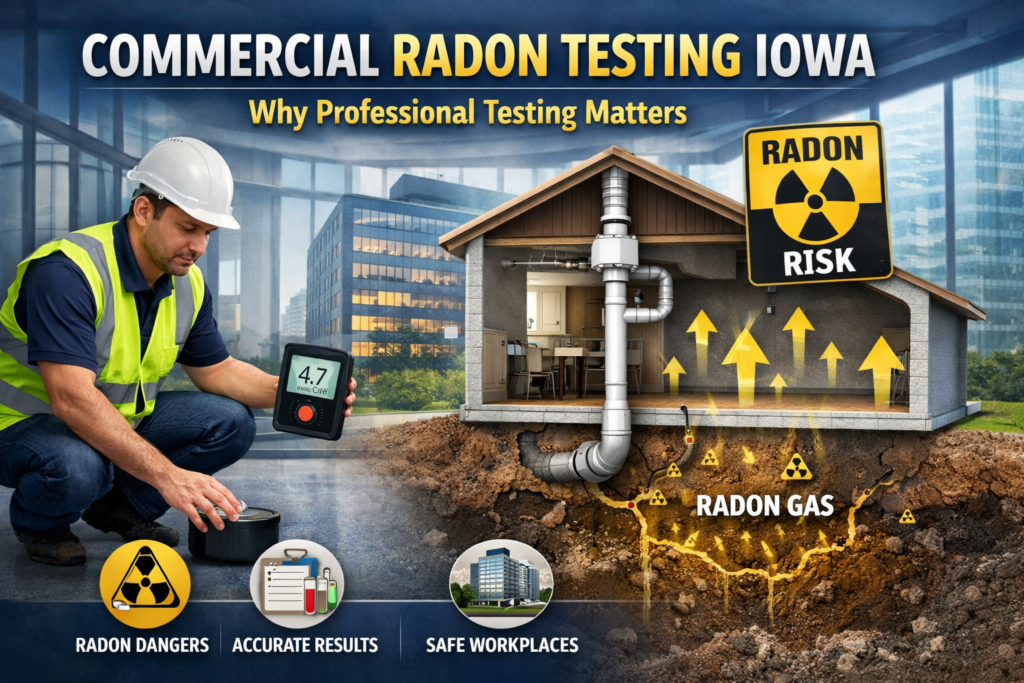
Radon is a naturally occurring radioactive gas that forms when uranium, thorium, and radium in the earth’s crust break down. It can seep into buildings through cracks in foundations and openings in walls or floors. Although radon is colorless, odorless, and tasteless, elevated levels indoors can pose serious health risks, particularly to the lungs. Many homeowners remain unaware of these dangers. When it comes to inhaling vs. ingesting radon, understanding the differences between these two types of exposure is essential. It helps homeowners take the right steps to protect their families from the harmful effects of radon exposure.

What is Radon and How Does It Affect Us?
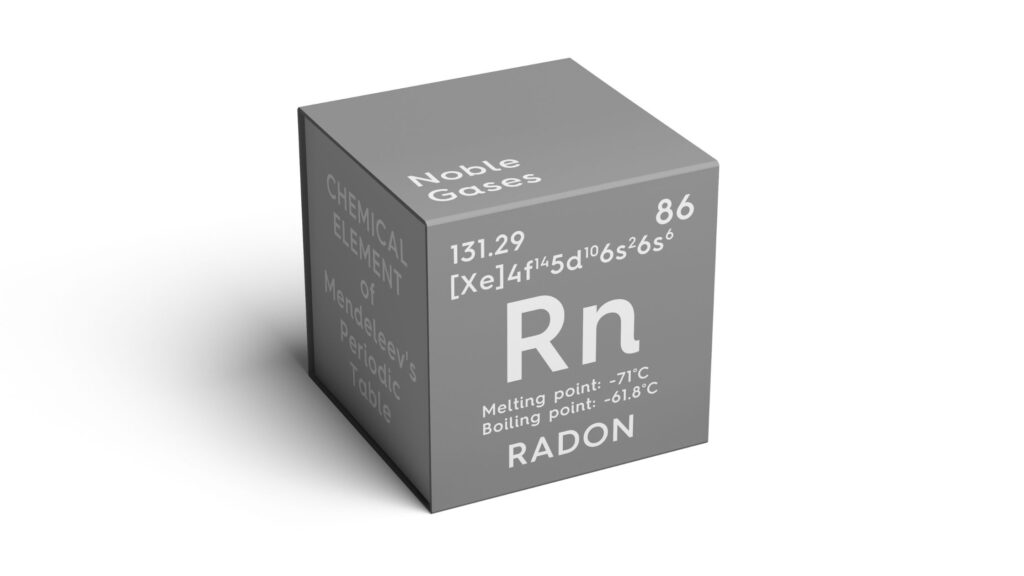
Radon is a naturally occurring, colorless, odorless, and tasteless gas that forms when uranium, thorium, and radium in the Earth’s crust break down over time. This radioactive gas can seep into buildings from underground rock, soil, and water through cracks in foundations, gaps around windows, or openings in walls and floors. Due to its invisible and undetectable nature, radon poses a hidden risk, accumulating over time, particularly in areas like basements or poorly ventilated spaces.
While radon can be present both in the air you breathe and in the water you drink, the primary health concern arises from the airborne radon that you inhale. When radon gas accumulates indoors, it is often the air that you breathe that presents the most significant health risk. The inhalation of radon and its radioactive decay products can lead to lung damage, significantly increasing the risk of lung cancer over time. On the other hand, although radon in water can also be a concern, its risks are comparatively lower, particularly when compared to the inhalation of radon.
Inhaling vs. Ingesting Radon: Key Differences
The primary difference between inhaling and ingesting radon lies in the health risks each exposure route carries.
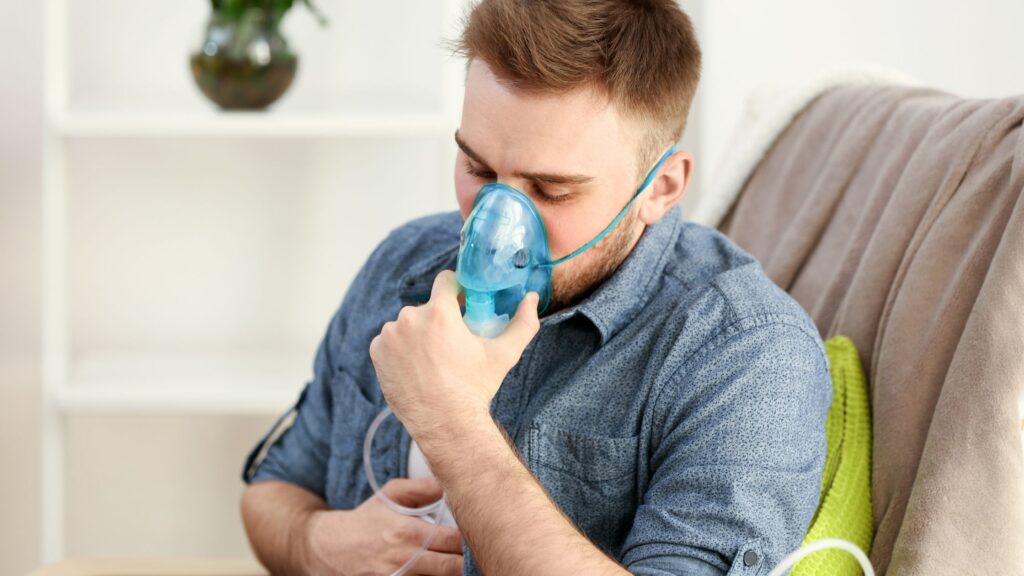
- Inhalation of radon is by far the more dangerous and common form of exposure. When radon gas enters the home, it accumulates in the air, particularly in poorly ventilated spaces like basements. As you breathe in radon-laden air, radioactive particles are inhaled and lodge in your lungs, where they emit harmful radiation. This radiation damages lung tissue and significantly increases the risk of lung cancer. Inhalation is considered the most hazardous exposure pathway for radon and is responsible for the vast majority of health risks.
- Ingestion of radon occurs when radon is present in water, typically from private wells or groundwater. When consumed, radon can enter the digestive system, but the health risk from ingestion is much lower than from inhalation. The primary concern with ingestion is not the direct consumption of radon, but the radon that is released into the air when the water is used, such as during showering or boiling. This release into the air still contributes to inhalation exposure, which remains the greater risk.
In summary, while both inhaling and ingesting radon can pose health risks, inhalation is by far the more significant danger, directly affecting the lungs and leading to lung cancer.

The Health Risks of Radon: Understanding the Impact
Radon is a colorless, odorless gas that can pose serious health risks, especially lung cancer. Long-term exposure, particularly through inhalation, makes understanding the health risks of radon crucial for protecting your home and family.
1. Primary Cause of Lung Cancer
Radon is a major contributor to lung cancer, ranking just behind smoking as the leading cause. Long-term exposure significantly increases lung cancer risk due to the radiation it emits. This makes radon a major health threat, especially in high-concentration areas.
2. Lung Tissue Damage from Radiation
Inhaled radon particles lodge in the lungs, releasing alpha radiation that damages lung cells. Over time, this radiation causes mutations in DNA, contributing to the development of lung cancer.
3. Increased Risk for Smokers
Smokers exposed to high radon levels have a much higher risk of lung cancer. The combined effect of smoking and radon exposure is significantly more dangerous, amplifying cancer risk.
4.Possible Link to Stomach Cancer
While the ingestion of radon poses a lower risk than inhalation, studies suggest a potential link between radon in drinking water and stomach cancer. However, this evidence is less conclusive than the connection to lung cancer.
Inhalation of radon is a major cause of lung cancer, making testing and mitigation essential. While radon in water is a lesser concern, it’s still important to reduce exposure to safeguard your health. Take action today for a safer environment. Learn more about How to Detect Radon in Your Area.
Conclusion
When comparing inhaling vs. ingesting radon, it’s clear that inhalation is the more dangerous route of exposure. Prolonged inhalation of radon can significantly increase the risk of lung cancer, making it essential for homeowners to test their homes for radon and take appropriate mitigation actions if necessary. While ingesting radon through water is a lesser risk, it should still be addressed, particularly in high radon areas. For the safety of you and your family, it is important to take proactive steps to test and mitigate radon in your home. If you need professional radon testing and mitigation services, turn to DSM Radon, your trusted experts in radon solutions.

FAQs
Q1: Which is more dangerous, inhaling or ingesting radon?
Inhaling radon is far more dangerous. It leads directly to lung damage, which increases the risk of lung cancer. Ingesting radon through water is a lesser concern.
Q2: Can radon in drinking water cause cancer?
While there is a potential risk from drinking radon-contaminated water, the primary health threat comes from radon released into the air during water use, e.g., showering.
Q3: How can I test for radon in my home?
You can test your home for radon using a certified testing kit or by hiring a professional radon specialist to conduct the test.
Q4: What should I do if my home has high radon levels?
If your radon levels are above the recommended threshold, you should contact a professional radon mitigation company to install a mitigation system and reduce the radon levels.