

After radon mitigation is installed in your home or workplace, the next crucial step is to ensure its effectiveness. Post-mitigation radon testing serves as the final check to confirm that the system is doing its job in reducing radon levels to safe concentrations. Many people mistakenly believe that once mitigation is installed, the job is done. However, without proper follow-up testing, it’s impossible to guarantee that radon levels are safe for long-term health. This article explores the importance of post-mitigation radon testing, what it entails, and why it is essential for maintaining safe indoor air quality.

What is Post-Mitigation Radon Testing?
Post-mitigation radon testing is a crucial step taken after the installation of a radon mitigation system. To ensure that the system is functioning effectively. This testing measures the radon levels in your home to verify that the mitigation system has reduced radon concentrations to safe levels. Specifically, the goal is to confirm that radon levels are below the recommended safety threshold of 4.0 picocuries per liter pCi/L, as advised by health and safety authorities.
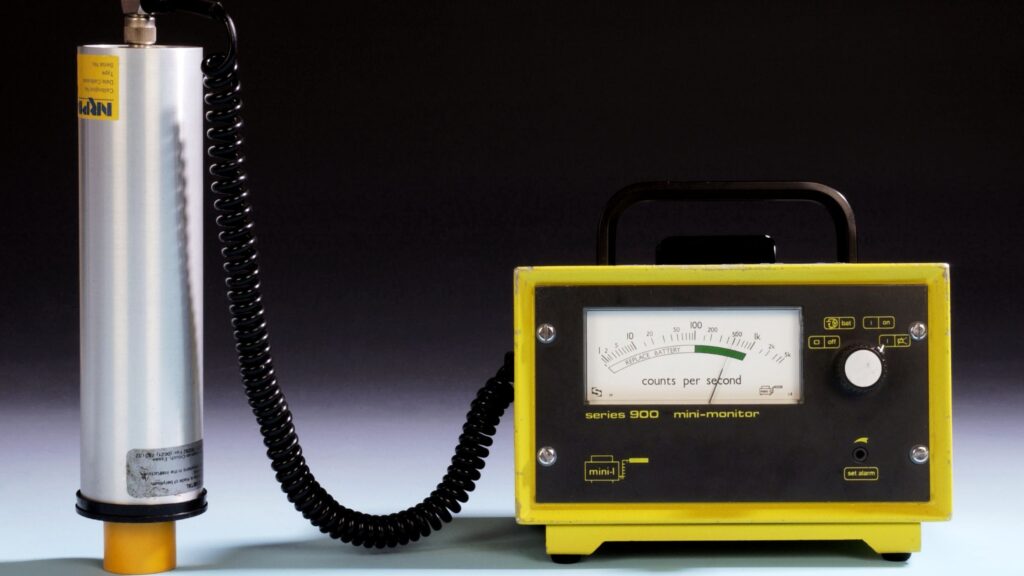
The post-mitigation testing is done 24–48 hours after the mitigation system has been activated. This allows the system to stabilize and begin drawing radon out of the home, which is crucial for obtaining an accurate reading. During this time, the radon mitigation system works to remove radon from the air, lowering the concentration of the gas. The testing process involves placing a radon detector in the lowest occupied level of the home, usually the basement or ground floor. The radon monitor stays in place for a short period, usually 48 hours. Afterward, you can analyze the results to determine whether the system effectively reduces radon.
Why Post-Mitigation Radon Testing is Essential for Safety
After installing a radon mitigation system, it’s crucial to confirm that the system is working effectively. Post-mitigation radon testing confirms that radon levels remain safely reduced and that the system continues to function effectively over time.
1. System Validation
Even after installation, radon mitigation systems can face malfunctions, such as fan failure or vent blockage. Post-mitigation testing ensures the system is functioning as designed and effectively reduces radon levels.
2. Fluctuating Radon Levels
Environmental factors like weather changes, soil shifts, or adjustments in your ventilation system can cause radon levels to fluctuate. Regular testing confirms that the mitigation system continues to operate effectively despite these external influences.
3. Peace of Mind
Post-mitigation testing provides you with concrete evidence that your home or office is free from harmful radon exposure. This assurance is crucial for your health and well-being, as radon is a leading cause of lung cancer.
4. Compliance with Safety Standards
Radon mitigation systems are designed to meet specific safety thresholds, and post-mitigation testing ensures that these standards are met. This verification ensures you are not only protecting your health but also following national and local safety regulations.
5. Long-Term Monitoring
While a one-time test confirms the initial effectiveness of the system, you should repeat post-mitigation testing regularly. Changes in building structure or maintenance needs can affect system performance over time.
Post-mitigation radon testing is essential for ensuring that your radon mitigation system is functioning effectively and keeping your environment safe. It offers peace of mind, verifies compliance with safety standards, and ensures long-term protection against radon exposure.

How to Ensure Accurate Post-Mitigation Radon Testing Results
After installing a radon mitigation system, post-mitigation testing is crucial for confirming its effectiveness.
a) Test within 30 days of installation: Test within 30 days of installation to ensure the system has fully activated and stabilized, providing accurate results.
b) Maintain closed-house conditions: Keep windows and doors closed, and avoid using fans or ventilation systems to simulate typical living conditions for an accurate reading.
c) Hire a professional: Hire a certified radon technician to ensure proper detector placement and reliable, accurate results.
d) Use short-term testing for quick results: For faster verification, use short-term radon testing, which typically lasts 48 hours and provides immediate feedback.
e) Retest periodically: Retest every 1–2 years or after major home changes to ensure the mitigation system continues to perform effectively.
By following these best practices for post-mitigation radon testing, you ensure that your radon mitigation system is performing as expected. Learn more about Radon Mitigation System Cost to Install.
Conclusion
In conclusion, post-mitigation radon testing is a crucial step in ensuring that your radon mitigation system is functioning correctly. And keeping your home or office safe. It’s the only way to verify that the radon levels have been reduced to acceptable limits and that the system is operating efficiently. This testing provides peace of mind that your indoor air quality is not only safe today but will remain safe for the future. If you’ve had radon mitigation installed in your home or business, don’t skip this vital follow-up step to protect your health and the health of your loved ones. For professional, reliable radon testing and mitigation services, you can trust DSM Radon to ensure your home or office stays radon-free and safe.
FAQs
Q1: Why is post-mitigation radon testing necessary?
Post-mitigation radon testing is necessary to confirm that the mitigation system has effectively reduced radon levels to safe concentrations and is functioning properly.
Q2: When should I perform post-mitigation radon testing?
Post-mitigation testing should be conducted at least 24 hours after the mitigation system starts operating. Ideally within 30 days of installation.
Q3: What if the post-mitigation test shows high radon levels?
If the test results indicate that radon levels remain too high, you may need to make additional adjustments to the mitigation system. Such as improving ventilation or fixing any faulty equipment.
Q4: How often should I retest for radon after post-mitigation testing?
You should retest for radon every 1–2 years or immediately after making significant changes to your home or its foundation that could impact radon levels.