

Radon creates a unique challenge in Iowa because it can affect homes through more than one pathway. In addition to entering through soil beneath a structure, radon can also move through groundwater and be released into indoor air when water is used. Therefore, homeowners must understand both pathways to manage exposure correctly. When you understand radon behavior in Iowa, you can make informed decisions instead of relying on assumptions.
In many Iowa homes, especially those using private wells, radon exposure does not come from the air alone. Instead, it can originate underground, travel through water, and then escape into indoor air during household activities. As a result, radon safety requires a broader approach than basic basement testing.
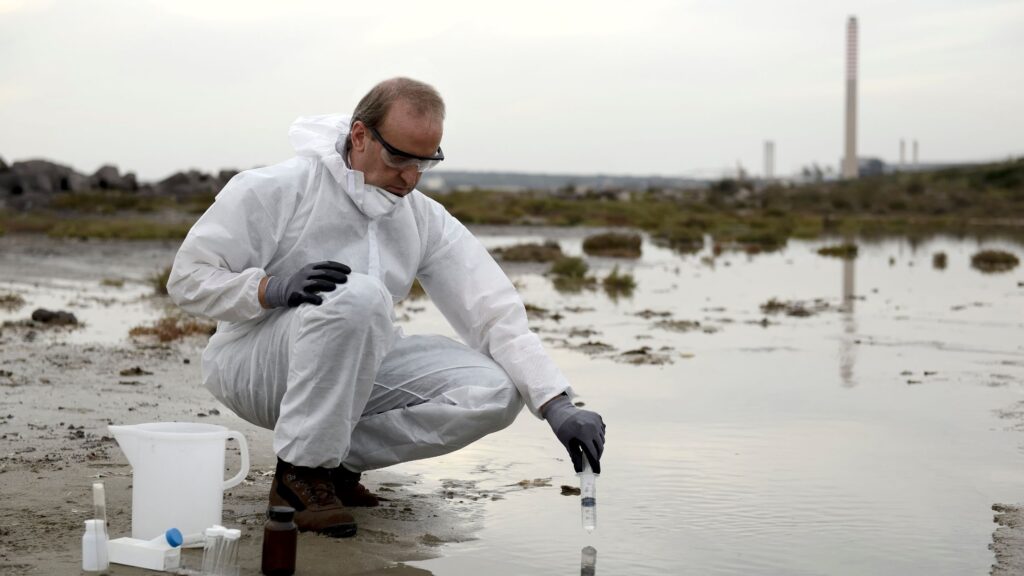
How Radon Moves from Groundwater into the Home
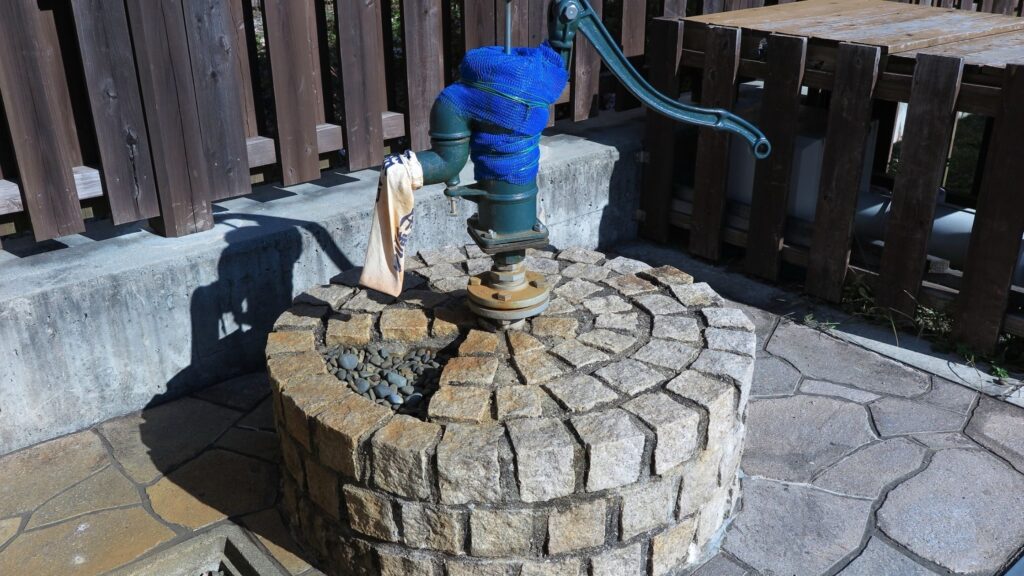
Radon forms in soil and rock, then dissolves into groundwater and enters homes through wells. Water use releases it into the air, while soil cracks also leak radon, increasing exposure.
- Shower and bath steam zones: Hot water and airflow release radon faster, causing bathroom air spikes, especially in small, enclosed spaces.
- Laundry and utility rooms: Washing machines increase gas release, trapping radon in small, poorly ventilated rooms.
- Kitchen sink and dishwasher cycles: Running water and heated spray release radon, building up in the air during long cycles, especially in closed kitchens.
- Basement drains, sump lids, and crawlspace openings: Radon rises through sump pits, cracks, and loose lids, feeding radon into the home.
- Pressure-driven entry during HVAC operation: Exhaust fans and furnaces pull radon in through small gaps by lowering indoor pressure.
You reduce risk fastest when you test both indoor air and well water and then apply mitigation where radon actually enters and releases inside your home.
Why Radon Risk Feels Inconsistent in Iowa Homes
Radon levels can vary from day to day, which often confuses homeowners. However, this variation does not mean the risk disappears. Instead, it reflects changes in pressure, weather, ventilation, and water usage. For example:
- Cold weather can increase indoor radon levels because homes stay sealed longer.
- Heavy rain can alter soil pressure and push more radon toward foundations.
- HVAC systems can change airflow patterns and redistribute radon indoors.
As a result, a single test does not always tell the full story. Therefore, a proper testing strategy matters more than a one-time reading. Learn more about Understanding Radon Disclosure Effect on Iowa Home Sales.
Testing Strategies That Produce Reliable Results
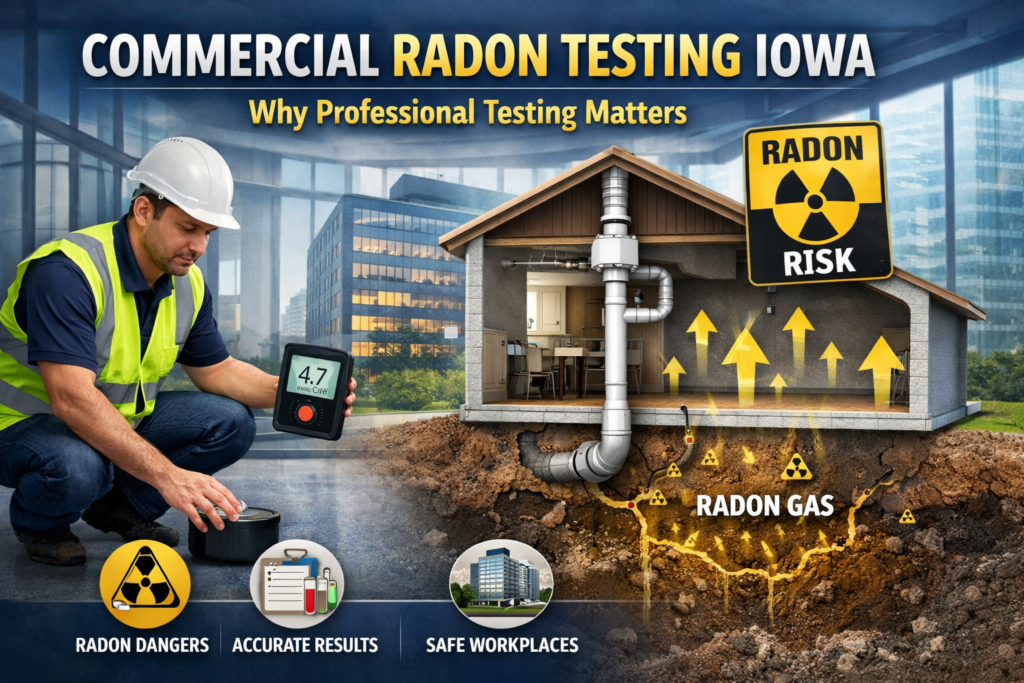
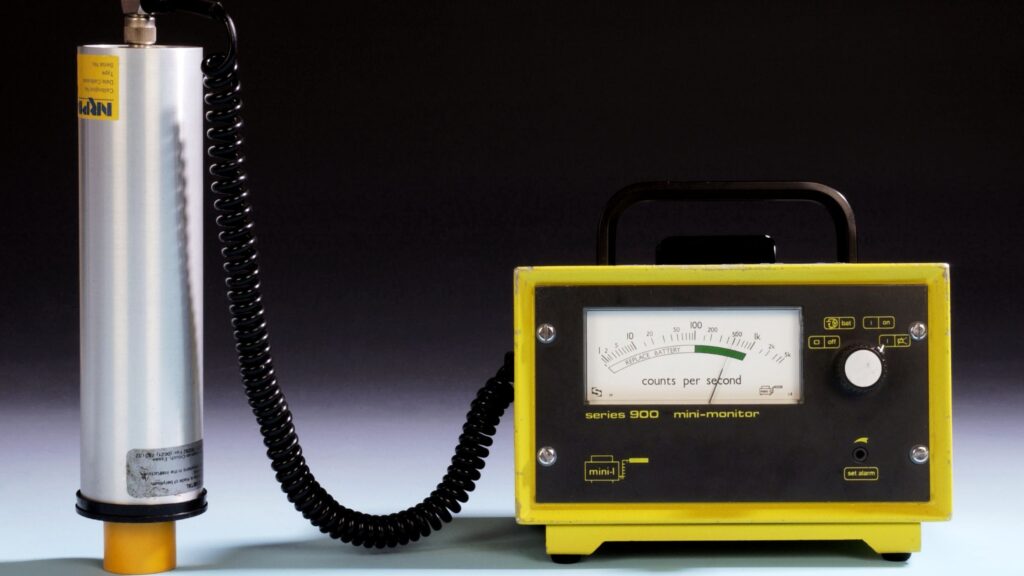
Radon testing depends on placement and timing. You should test in the lowest livable level, because radon concentrates near entry points. Testing only upper floors can create false reassurance for homeowners. Accurate placement ensures a more reliable reading, reflecting the true exposure risk in your home. This approach also helps identify potential entry points that might otherwise go unnoticed.
Short-term testing gives a quick snapshot. However, long-term testing builds confidence because it averages seasonal changes. Therefore, many homeowners use both at different stages for accuracy. This combined approach provides a more comprehensive understanding of radon fluctuations over time. It also helps detect variations caused by weather, ventilation, and other environmental factors.
When well water is present, air testing should guide water testing. If indoor air levels appear elevated, water testing shows whether groundwater contributes. Consequently, you avoid unnecessary treatment while addressing real exposure sources. This ensures targeted solutions, saving time and money on unneeded interventions. It also prevents over-treatment of water sources that may not be contributing to radon levels.
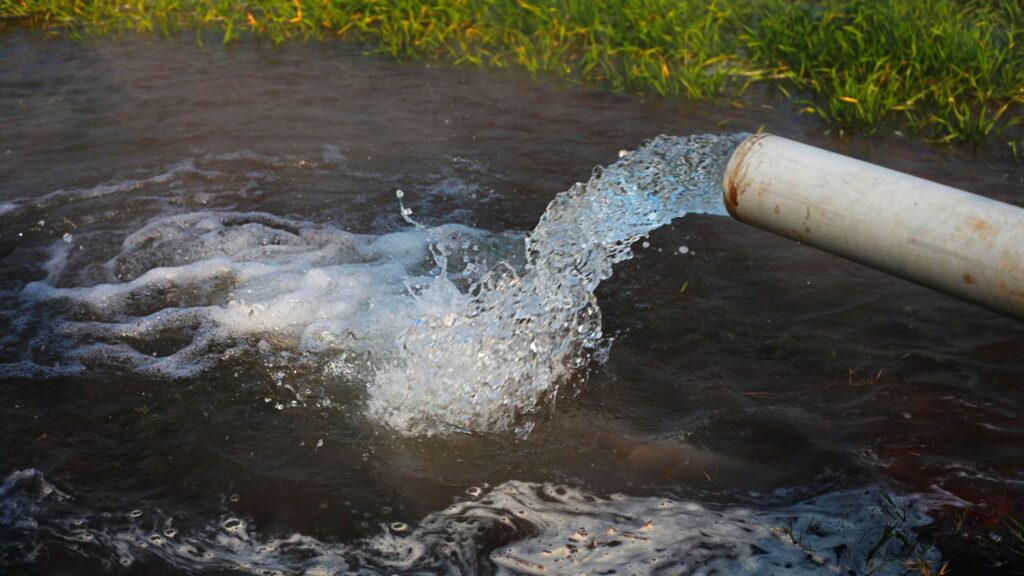
When Groundwater Testing Becomes Essential
Not every home needs water testing. However, certain conditions make it highly relevant. You should consider groundwater testing when:
- You rely on a private well: Groundwater exposure becomes possible because municipal systems usually remove radon during treatment
- Indoor air tests show elevated levels: Water may act as a contributing source, especially when well usage is high, and ventilation remains limited.
- Radon rises near baths and laundry: Frequent water use can increase the airborne release, especially during showers and laundry.
- You plan a sale or renovation: Clear documentation prevents future complications during inspections and negotiations.
By following this decision logic, you avoid guesswork and focus on meaningful data.
Mitigation Approaches for Air and Water
Radon mitigation works best when it targets the correct pathway. Therefore, solutions should match how radon enters the home.
1) Air Mitigation Systems
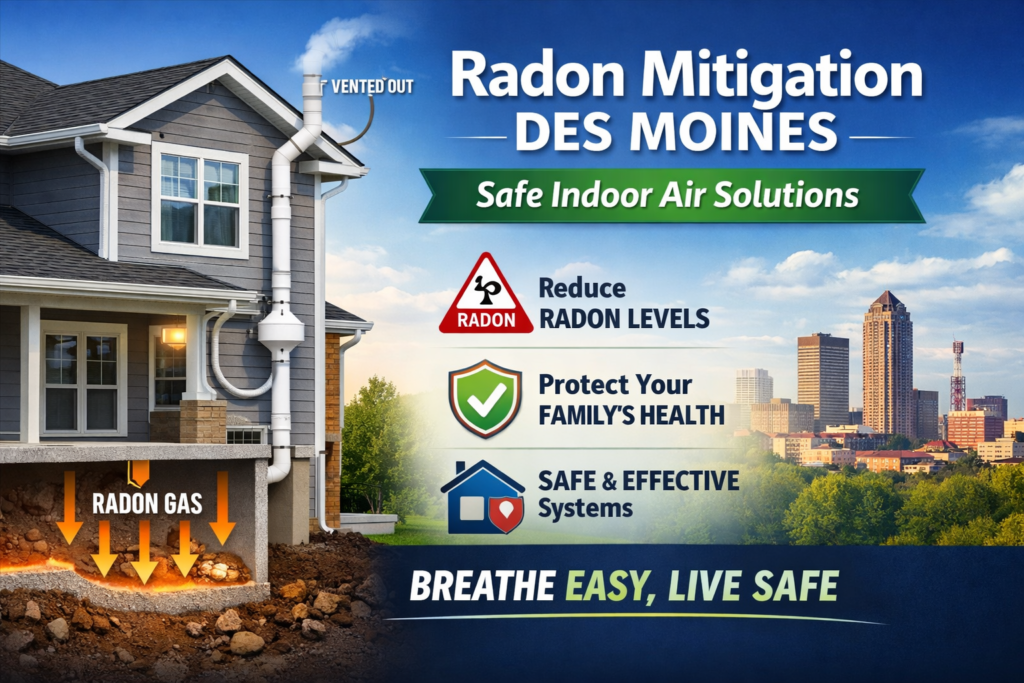
Active soil depressurization effectively reduces airborne radon. It pulls radon from beneath the home and vents it outside before it enters the living space. Sealing foundation gaps supports this.
- Reduced radon pressure under the structure.
- Stable performance across seasonal changes.
- Minimal disruption during installation.
However, sealing alone rarely solves elevated radon. Instead, it works best as a supporting measure.
2) Water Mitigation Systems
Treat well water before entry, because whole-home systems stop radon release everywhere, while single-faucet treatment misses showers and laundry.
- Whole-home treatment protects every faucet, shower, and appliance.
- It reduces airborne spikes during heavy water-use routines.
- Single-faucet filters miss laundry and shower exposure.
Point-of-entry treatment delivers the most reliable protection when well water contributes to indoor radon.
Understanding Action Levels Without Panic
Radon safety relies on informed action, not fear. Regulatory guidance commonly recommends taking corrective action when levels exceed established thresholds. However, homeowners should focus on trends and confirmation rather than isolated numbers.
- Proper testing placement.
- Correct identification of entry pathways.
- Mitigation is designed for the home’s structure and water source.
- Follow-up testing to verify results.
Radon control becomes a measurable system rather than an emotional reaction.

Conclusion
Managing radon and groundwater contamination in Iowa homes requires awareness of both air and water pathways. When you test strategically, identify the correct source, and apply targeted mitigation, you reduce uncertainty and protect long-term indoor air quality. Moreover, follow-up testing confirms real improvement and keeps your plan reliable through seasonal shifts and changing household water use. DSM Radon supports homeowners across the region with professional testing and mitigation solutions that focus on accuracy, safety, and verification rather than assumptions.