
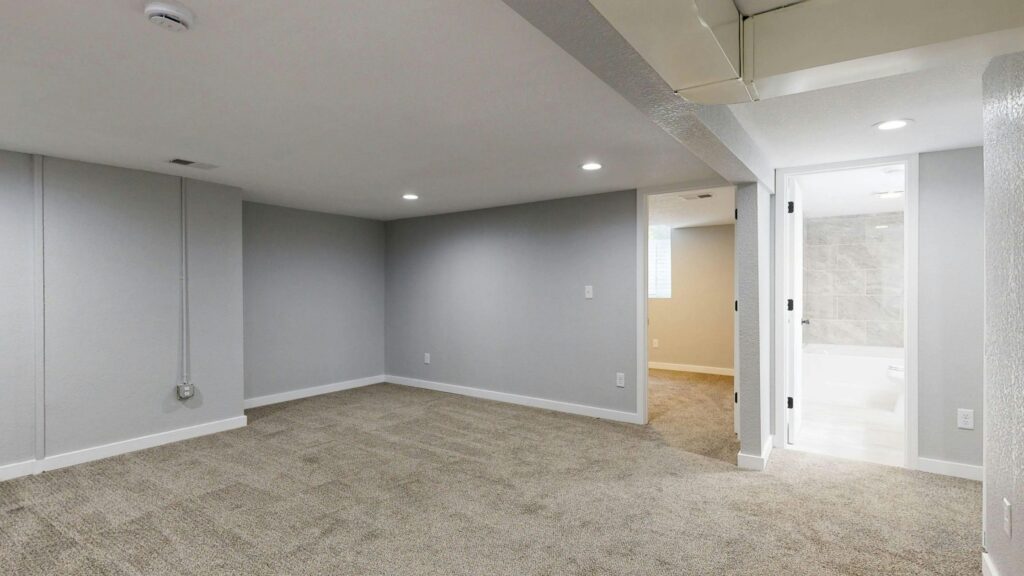
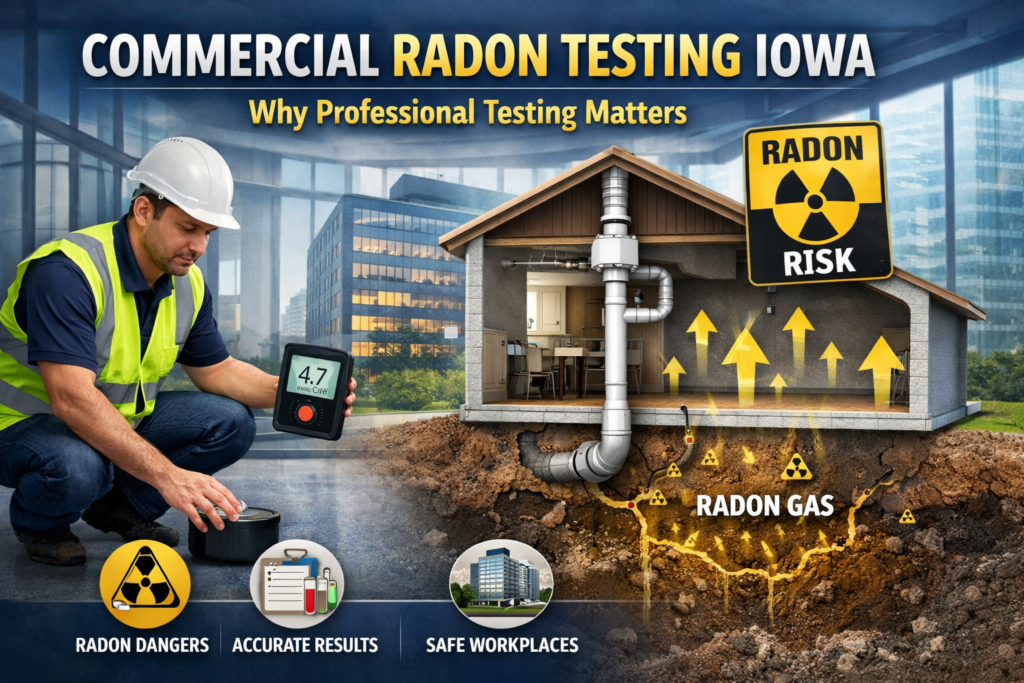
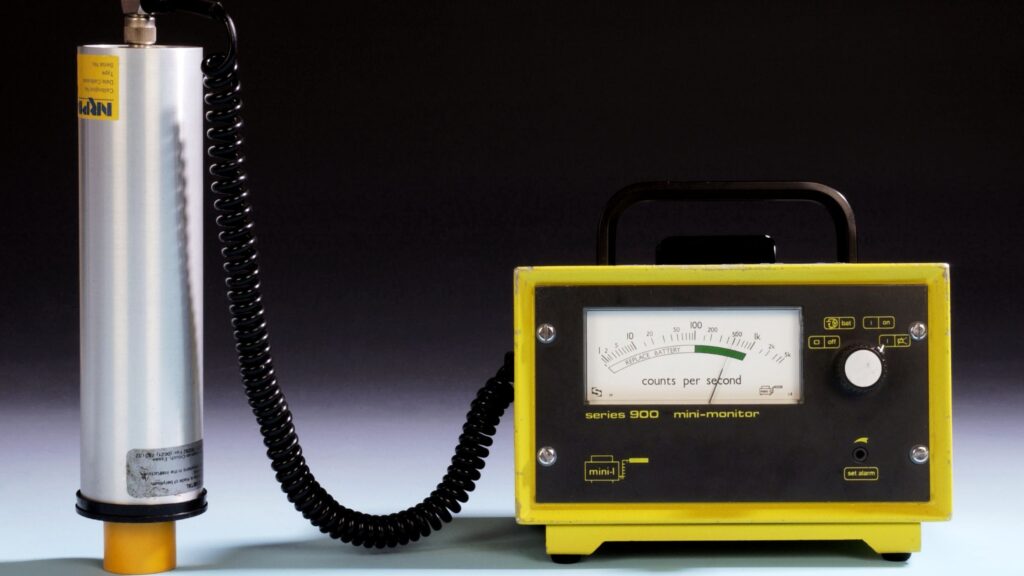
Radon forms naturally when uranium breaks down in soil and rock, and it can build up inside homes without any clear warning. Since radon has no smell or color, homeowners must understand what causes it to enter indoor spaces. One major reason is air pressure imbalance, especially in areas below ground level. In many homes, radon entry due to negative pressure in basements increases when the basement works like a vacuum, pulling radon-laden soil gas inside through small cracks and gaps.
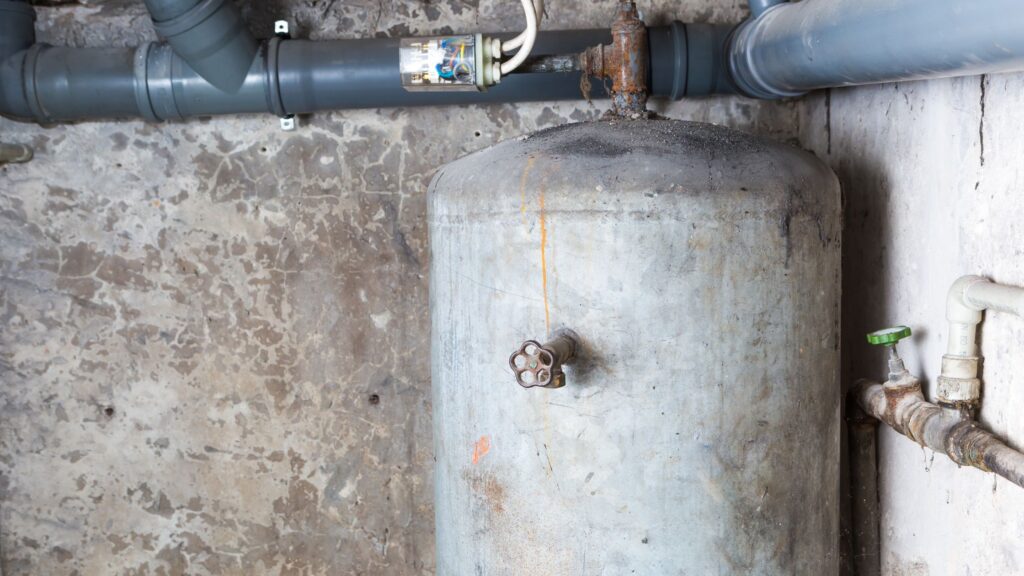
The Meaning of Negative Pressure in Basements
Your home always swaps air with the outside. However, when more air escapes than comes back in, the indoor pressure drops. That pressure drop creates negative pressure in the lower part of the home, so the basement starts pulling air from the easiest place it can—often the soil under the concrete slab.
As a result, radon entry due to negative pressure in basements happens when the house draws soil gas inside through cracks, gaps, floor joints, and small pipe openings. Even tiny spaces matter because the pressure pull can work nonstop, day and night.
Why Basements Become “Suction Zones”
Several everyday things in a home can cause the basement to fall into negative pressure. For example:
A. Stack effect (warm air rises): Warm indoor air moves up and leaks out from higher levels. As a result, the lower levels pull replacement air from below.
B. Exhaust appliances: Bathroom fans, kitchen range hoods, dryers, and some fireplaces push indoor air out. Therefore, the house pulls makeup air from any available opening—including gaps along the slab edge.
C. HVAC imbalances: Duct leaks and closed doors can disrupt airflow. Meanwhile, return leaks can pull air from the basement or wall spaces.
D. Tighter homes: New windows and air sealing reduce natural airflow. However, without balanced ventilation, exhaust fans can increase negative pressure even more.
Because these issues often happen together, radon entry due to negative pressure in basements can rise in winter or during heavy HVAC use, when the home stays closed and mechanical systems run more often.
The Main Entry Points Radon Uses
Radon doesn’t need a large opening to get inside. Instead, it travels through the same hidden paths that moisture and soil gas use. Common entry points include:
- Floor-to-wall joints and slab edges.
- Small concrete cracks from settling or drying.
- Sump pits and poorly sealed sump lids.
- Utility openings (around pipes, wires, and drains).
- Areas where a crawlspace connects to the basement.
- Floor drains and uncapped cleanouts.
When negative pressure gets stronger, it pulls more air through these spots. As a result, radon entry due to negative pressure in basements can seem “mysterious” because the gaps stay tiny, yet they exist in many places.
Pressure Control Steps That Help Stop Radon
A reliable plan uses a few proven steps together. Instead of guessing, follow this order:
1. Use Sealing as a Supplementary Measure
Seal cracks, slab joints, and openings around pipes or wires to reduce radon entry points and enhance the main mitigation system. Sealing alone is usually ineffective, as pressure can pull air through small hidden gaps. Use it to support, not replace, the primary fix, ensuring a more comprehensive and long-lasting solution.
2. Resolve Pressure with Proven Mitigation
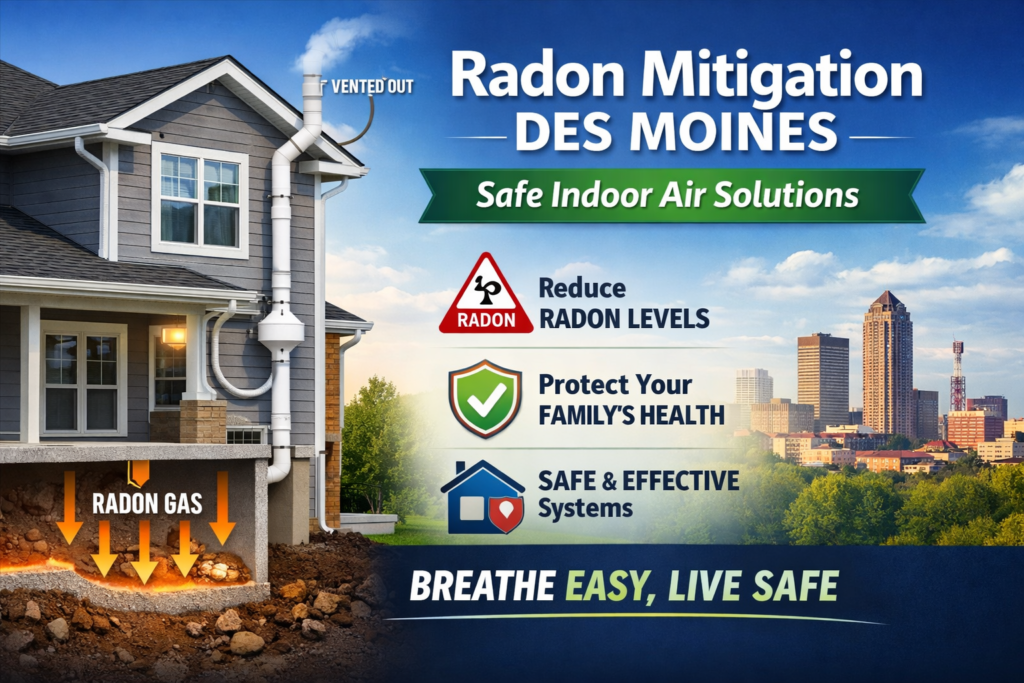
A reliable solution uses a system that extracts soil gas from under the foundation and vents it safely above the roofline. The setup must suit your foundation type, slab condition, and pipe layout for efficient gas removal. A trained contractor will design the best system to maintain steady suction without creating new airflow issues.
3. Inspect Sump Pits and Drains
Sump pits can act as open pathways for soil gas. Ensure proper sealing of sump lids and connections, and verify that floor drains and cleanouts have tight covers and functioning traps to prevent radon infiltration. Regular checks and proper maintenance help ensure that radon does not enter through these potential entry points.
4. Implement Crawlspace Solutions as Needed
For homes with crawlspaces, a sealed membrane and appropriate venting can block soil gas, reducing radon movement upward into the basement and living areas, thereby improving indoor air quality. This solution prevents radon from entering the home and enhances the effectiveness of the overall mitigation system.
5. Verify Results After Installation
Test for radon again after mitigation to confirm levels have dropped. Continue retesting periodically, as seasonal changes, HVAC use, and home renovations can impact air pressure and radon levels over time. Regular monitoring ensures that mitigation remains effective and provides long-term peace of mind.
When you follow these steps in the right order, you reduce radon entry due to negative pressure in basements and gain lasting peace of mind with results you can verify. Learn more about Radon in Split-Level Homes.
Begin With Real-World Radon Testing
Radon levels can change from day to day and season to season, so you should test in the lowest lived-in level while you follow your normal routine. A short-term test gives you a quick reading, while a longer test shows how levels move with weather changes and HVAC use. Since the EPA recommends testing rooms below the third floor, regular testing helps you understand your true exposure.
You should also retest after big home updates like finishing the basement, upgrading HVAC, or sealing cracks, because these changes can alter airflow. In many homes, radon entry due to negative pressure in basements can increase after energy upgrades if the house pushes out more air than it brings back in.
Conclusion
If you want to stop radon entry due to negative pressure in basements, you need a solution that fixes both the pressure imbalance and the soil-gas entry paths—then confirms results with follow-up testing. This comprehensive approach ensures long-term protection and improves the indoor air quality of your home. For expert radon testing and mitigation support across the Des Moines metro area, contact DSM Radon, where our trained professionals can provide tailored solutions to keep your home safe from radon exposure.