

Radon exists silently in many indoor environments, yet its health impact often remains underestimated. While most discussions focus on cancer outcomes, growing attention now centers on radon exposure, COPD risk, and its effect on chronic respiratory health. In particular, researchers and health professionals increasingly examine how prolonged indoor radon exposure interacts with long-term lung conditions. Because radon enters buildings invisibly and accumulates over time, extended exposure frequently occurs without awareness. This article explains how radon influences lung function, why COPD patients face heightened sensitivity, and what mechanisms drive increased respiratory risk.

Radon Behavior Inside Built Environments
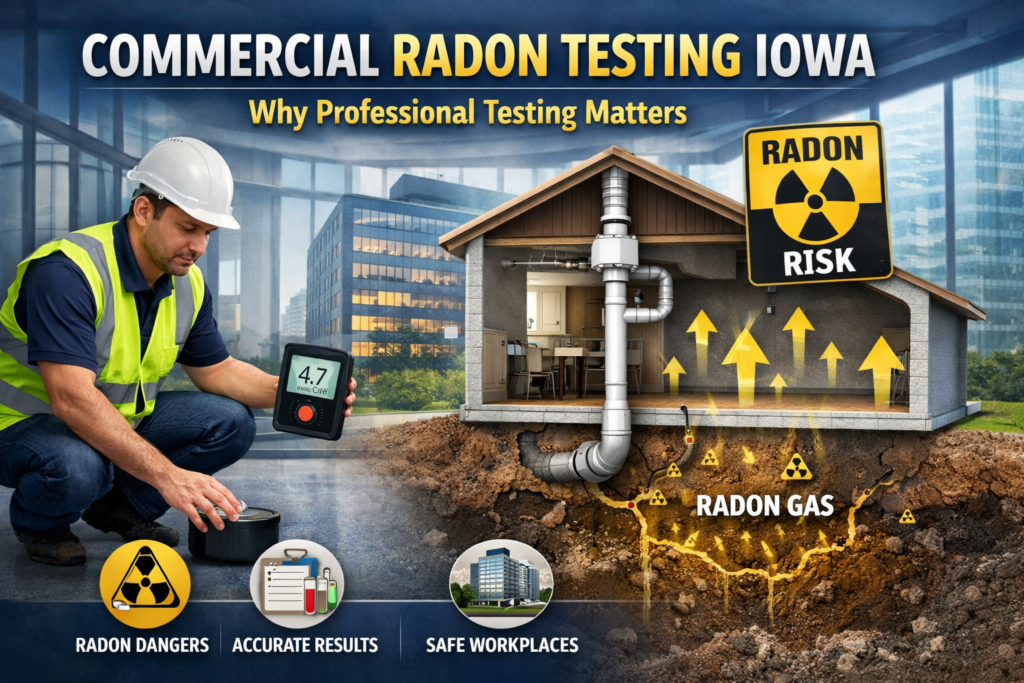
Radon originates naturally from soil and rock beneath structures. It moves upward through foundation cracks, construction joints, and utility openings. Once inside, radon becomes trapped, especially in basements and lower living areas. Poor ventilation further accelerates accumulation. Seasonal pressure differences between indoor and outdoor air also draw radon upward into occupied spaces. As buildings age, structural settling often creates new entry points that increase infiltration over time.
Unlike temporary airborne irritants, radon exposure persists continuously. Therefore, occupants inhale radioactive particles daily without sensory warning. Over time, these particles embed within lung tissue and disrupt cellular integrity. This prolonged internal exposure differentiates radon from short-term environmental pollutants and increases its long-term respiratory impact.
Why COPD Lungs React More Severely
COPD alters lung structure and defense systems, making environmental stressors far more damaging than they are to healthy lungs.
- Reduced Pulmonary Reserve: COPD lungs operate with limited airflow capacity. Even minor environmental stress quickly overwhelms this reduced functional reserve.
- Impaired Airway Clearance: Damaged cilia and excess mucus slow particle removal. As a result, harmful substances remain in lung tissue longer.
- Heightened Inflammatory Sensitivity: COPD lungs trigger stronger inflammatory responses. Persistent irritation escalates swelling and airway obstruction faster.
- Weakened Tissue Repair Ability: Chronic damage limits normal cell regeneration. Therefore, lung tissue recovers slowly from repeated environmental exposure.
- Lower Oxygen Exchange Tolerance: Structural changes reduce gas transfer efficiency. Additional stress further compromises oxygen delivery and endurance.
Because COPD lungs lack resilience, ongoing environmental stress accelerates damage and intensifies respiratory decline.
How Radon Exposure Increases COPD Risk Over Time
Radon exposure places continuous stress on the respiratory system, especially for individuals with compromised lung function. When COPD already limits airflow, prolonged indoor radon exposure magnifies respiratory strain and accelerates decline.
A) Persistent Airway Irritation
Radon particles settle deep within the lungs during repeated inhalation. This exposure triggers continuous irritation along already sensitive airways. Over time, irritation increases airflow resistance and breathing difficulty.
B) Escalation of Inflammatory Response
Radon stimulates inflammatory reactions inside lung tissue. COPD lungs respond more aggressively to sustained internal stress. As inflammation rises, symptom severity becomes harder to control.
C) Accelerated Loss of Lung Elasticity
Repeated exposure damages structural lung fibers over time. Damaged tissue loses the flexibility needed for efficient airflow. Consequently, breathing capacity declines faster in COPD patients.
D) Reduced Oxygen Exchange Efficiency
Radon-related damage disrupts normal gas exchange processes. Oxygen absorption decreases as airway obstruction increases. This imbalance worsens fatigue and shortness of breath symptoms.
E) Compounded Long-Term Respiratory Decline
Radon exposure adds continuous stress to compromised lungs. COPD progression accelerates under persistent environmental pressure. Ultimately, disease management becomes more complex and unpredictable.
In summary, radon does not act as an isolated threat but as a persistent environmental stressor. Addressing exposure early helps preserve respiratory stability and supports long-term COPD management.
Why Early Detection Matters for COPD Management
Early identification of respiratory stressors allows individuals to slow disease progression and maintain better long-term lung function.
- Lung Capacity Protection: Early detection identifies changes before severe damage occurs, allowing for proactive steps to protect lung function.
- Symptom Control: Recognizing issues early limits sudden increases in breathlessness. Consistent monitoring helps stabilize daily respiratory comfort.
- Treatment Effectiveness: Early interventions are more effective, as stable lung conditions enhance therapy reliability.
- Environmental Stress Reduction: Identifying exposure sources reduces respiratory irritation, while lower stress levels prevent disease progression.
- Quality of Life Support: Proactive detection maintains independence and daily activity tolerance. Sustained respiratory stability improves overall well-being over time.
Overall, early detection strengthens COPD care by preserving lung health, reducing risk escalation, and supporting long-term respiratory control. Learn more about What Is Radon Gas?
Clinical Monitoring in High-Radon Homes
Consistent clinical monitoring helps detect early respiratory changes in COPD patients exposed to long-term indoor radon.
1. Symptom Pattern Tracking: Regular review of breathlessness and cough trends reveals subtle exposure-related deterioration.
2. Lung Function Testing: Periodic spirometry identifies a gradual airflow decline linked to chronic environmental stress.
3. Exacerbation Frequency Review: Rising flare-up rates often indicate worsening exposure conditions inside the home.
4. Oxygen Saturation Monitoring: Ongoing SpO₂ checks help assess declining gas exchange efficiency over time.
5. Environmental Exposure History: Documenting indoor air conditions supports more accurate clinical evaluation and care planning.
Structured monitoring allows earlier intervention, helping stabilize COPD progression in high-radon environments.
Conclusion
Radon represents more than a hidden cancer hazard. It contributes to chronic respiratory stress, accelerates lung tissue damage, and complicates disease management for vulnerable populations. By recognizing how radon exposure COPD risk develops through prolonged indoor exposure, individuals gain the knowledge needed to protect their respiratory health proactively. For professional guidance and long-term radon solutions, DSM Radon and its team provide expertise focused on safer indoor environments and healthier living conditions.
FAQs
1. Can radon worsen existing COPD symptoms?
Yes. Radon can increase airway inflammation and reduce lung efficiency, which may intensify breathlessness and coughing in COPD patients.
2. Does radon affect non-smokers with COPD?
Yes. Radon exposure affects lung tissue regardless of smoking history, making non-smokers with COPD particularly vulnerable.
3. Why does radon exposure often go unnoticed?
Radon has no smell, taste, or color. Therefore, people usually detect it only through specialized testing.
4. Can reducing radon exposure improve respiratory outcomes?
Lowering indoor radon levels reduces chronic lung irritation and supports better long-term respiratory stability.