
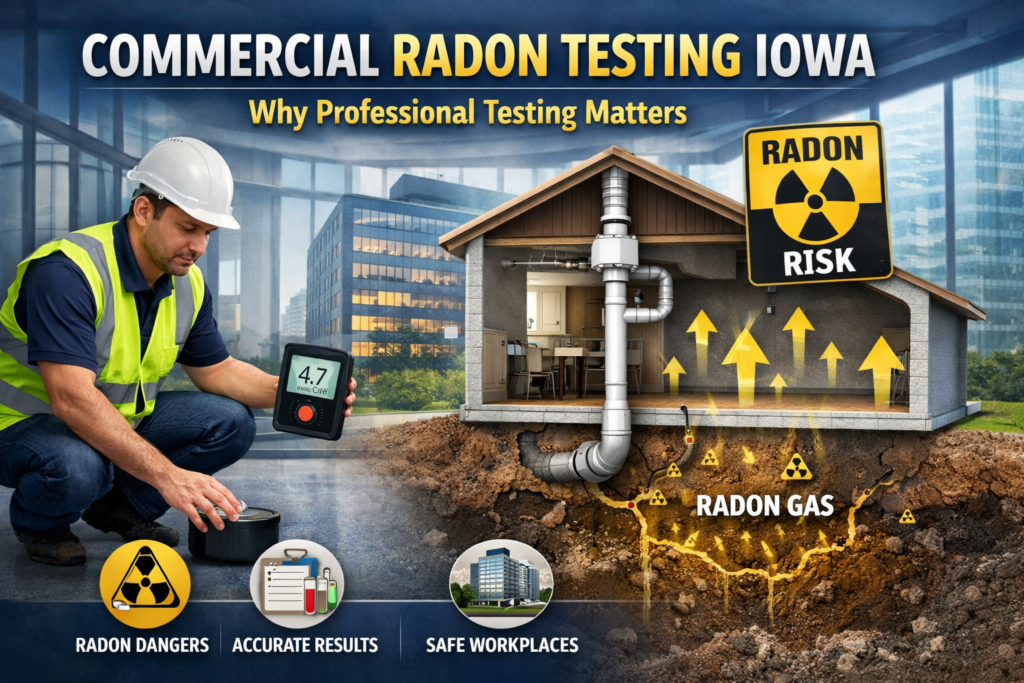
Radon is a dangerous, odorless, and colorless gas that can seep into your home from the ground, posing serious health risks, including lung cancer. To mitigate this threat, many homeowners install radon mitigation systems, which often include a radon fan. Over time, these fans may wear out or malfunction, requiring replacement to ensure your home stays protected from radon exposure.
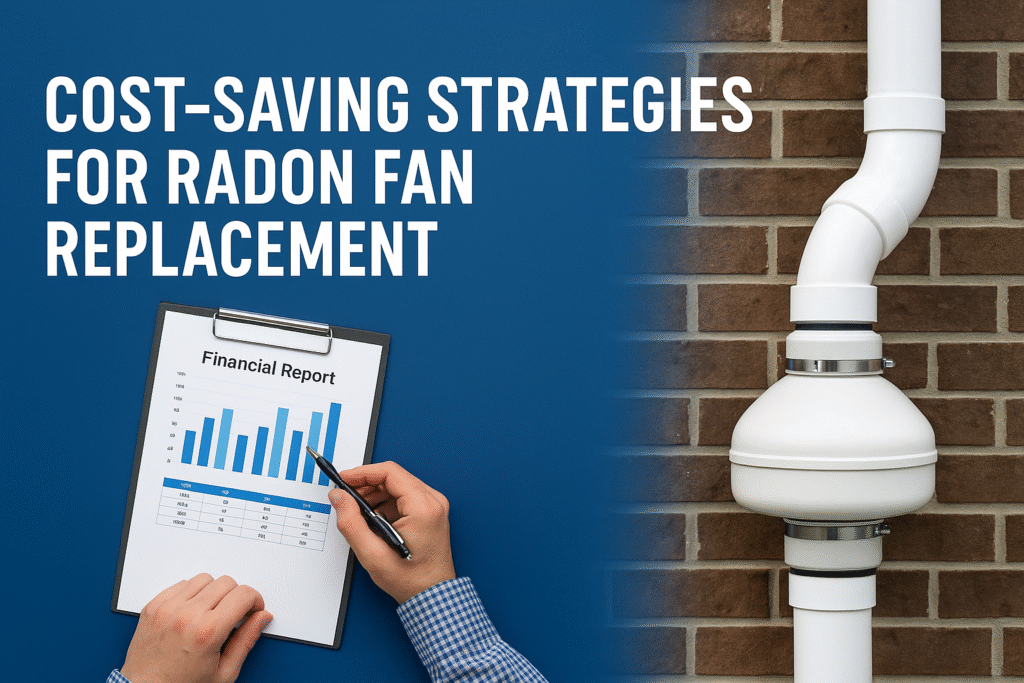
What Is a Radon Fan and Why Does It Need Replacement
A radon fan is a crucial component of a radon mitigation system designed to reduce the concentration of radon gas in your home. It works by drawing radon from beneath the foundation of your home and venting it outside, preventing it from accumulating to dangerous levels indoors. The fan creates a continuous airflow that lowers the pressure in the soil beneath your home, allowing the radon gas to be vented safely away from the living areas.
Over time, a radon fan can begin to lose its effectiveness due to wear and tear. As the fan operates continuously, its motor can degrade, and its performance may diminish. Factors like dust buildup, mechanical failure, or damage to the fan’s components can cause it to become less efficient. Additionally, radon fans can become noisy as they age, which may indicate that they’re struggling to function properly. Learn more about Radon Mitigation Cost.
Factors That Determine Your Radon Fan Replacement Cost
When it comes to replacing your radon mitigation fan, the cost can vary significantly depending on several factors.
1. Fan Type and Quality
Higher‑grade fans are often more expensive at first, but they come with advanced features like better durability, quieter operation, and higher energy efficiency. These fans are designed to last longer, reducing the frequency of repairs and replacement, ultimately saving you money over time by ensuring consistent radon mitigation performance.
2. Fan Size Versus Home Size
The size of the fan is crucial to its performance. Larger homes, or homes with higher radon levels, will require a more powerful fan to effectively mitigate radon. This means the fan must be capable of moving more air, which leads to an increase in both the fan cost and installation complexity.
3. Installation Complexity
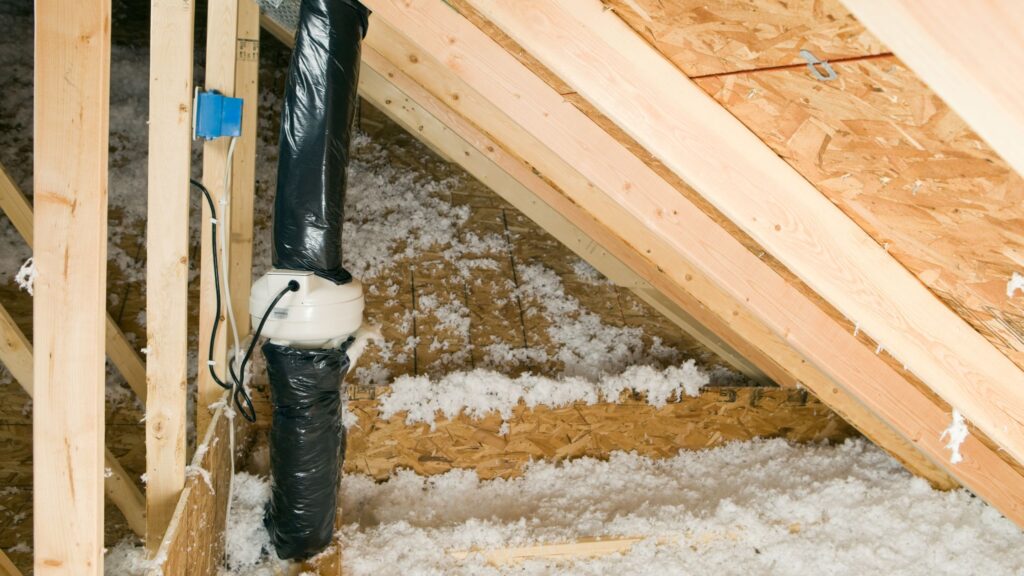
If your existing radon fan is located in an awkward or hard-to-reach area, such as an attic or basement with limited space, the installation will be more labor-intensive. Additionally, if the ducting needs to be rerouted or repaired, this will increase both the time and cost associated with the installation.
4. Electrical Work or Permits
In some cases, replacing a radon fan might require additional electrical work, such as installing a dedicated circuit or upgrading existing wiring to meet code requirements. Similarly, local building codes may require permits before you can proceed with the installation.
5. Location and Labor Rates
The cost of labor and materials can vary greatly depending on where you live. Areas with a higher cost of living or increased demand for radon mitigation services will naturally have higher service prices. Additionally, some regions may require more time-consuming procedures, further influencing the cost.
Average Cost of Radon Fan Replacement
On average, homeowners may expect a radon fan replacement cost in the hundreds to over a thousand dollars. For a standard home with an accessible system, a moderate‑quality fan plus installation might fall into the lower end of that range. In more complex scenarios—such as a large basement, hard‑to‐reach attic, or extensive ducting—the cost moves upward. To keep things simple, you can think of three cost components: the fan unit, labor, and any additional system restoration or permit fees. When you compare quotes, ensure each contractor explicitly separates those items.
Cost-Saving Strategies for Radon Fan Replacement
You don’t have to accept the first number you get. Here are ways to control the cost while still ensuring quality:
a) Obtain multiple bids – Request at least three detailed quotes from certified professionals so you can compare fan models, labor, and warranties.
b) Keep the system layout unchanged – If your existing piping is functional and properly installed, ask the contractor to reuse it rather than reroute or replace it.
c) Choose the correct fan size – Oversized fans cost more and may waste energy; undersized fans may not mitigate effectively. A professional should size your system appropriately.
d) Schedule preventative maintenance – Regular inspections and minor repairs prevent major failures that lead to full fan replacement.
e) Avoid DIY unless certified – Installing a fan without proper expertise may lead to code violations, poor performance, and higher long‑term costs.
By following these strategies, you can ensure a cost-effective radon fan replacement without compromising on quality or safety.
Conclusion
Understanding radon fan replacement cost means recognizing the factors that influence price, comparing quality bids, and choosing a professional service provider. When you take these steps, you protect both your home’s air quality and your budget. For trusted service and clear pricing, contact DSM Radon today – your partner in safe, efficient radon mitigation solutions.
FAQ
1: How long does a radon fan last?
Most radon mitigation fans operate reliably for about 5 to 10 years. However, if you notice increased noise, elevated radon readings, or frequent cycling, you should inspect the system and possibly replace the fan sooner.
2: Can I replace the radon fan myself to reduce the cost?
It’s strongly advised to hire a certified professional. Improper installation may reduce system performance, void warranties, fail to meet code, or even compromise safety—leading to higher long‑term expenses.
3: How do I tell if my radon fan is working properly after replacement?
A functioning system typically shows a consistent low radon reading, the fan operates smoothly without unusual noise, and the system pressure indicator (if present) stays within the acceptable range.
4: What happens if I don’t replace a failing radon fan?
If a radon fan fails, your mitigation system may stop reducing radon levels effectively. As a result, indoor air quality can degrade, exposure risk increases, and you may face expensive repairs or remediation down the line.