
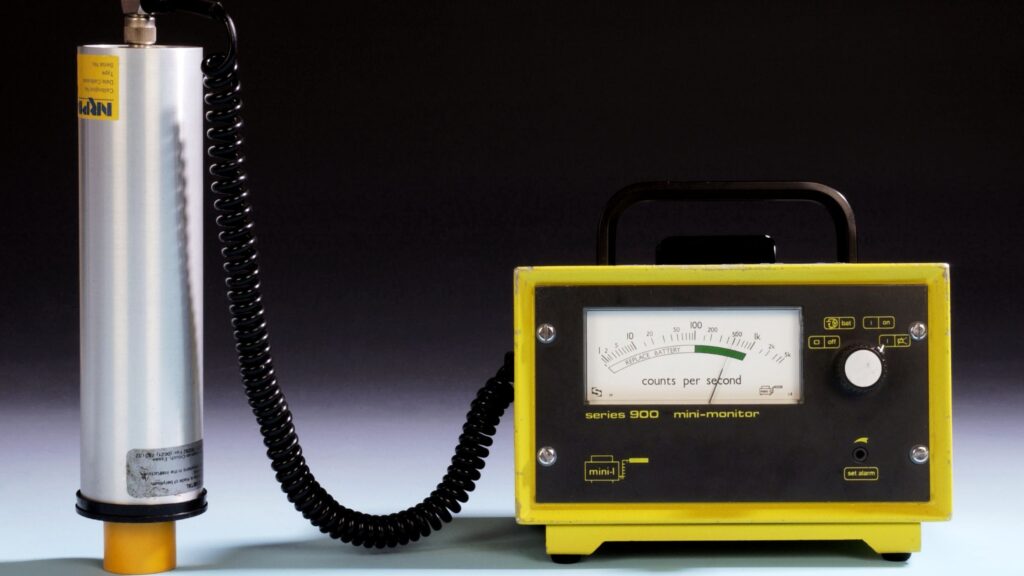
Once the heavy rain has ceased and the basement becomes quiet, you might notice an unusual sound—a strange gurgling near your radon vent pipe or sump pit. Many property owners observe radon system gurgling after rain and become concerned about a system fault or a spike in radon concentrations. Your concern is warranted. These noises frequently signal changes in water saturation, airflow patterns, and subterranean pressure around your foundation, which can directly affect how radon gas enters your living space.
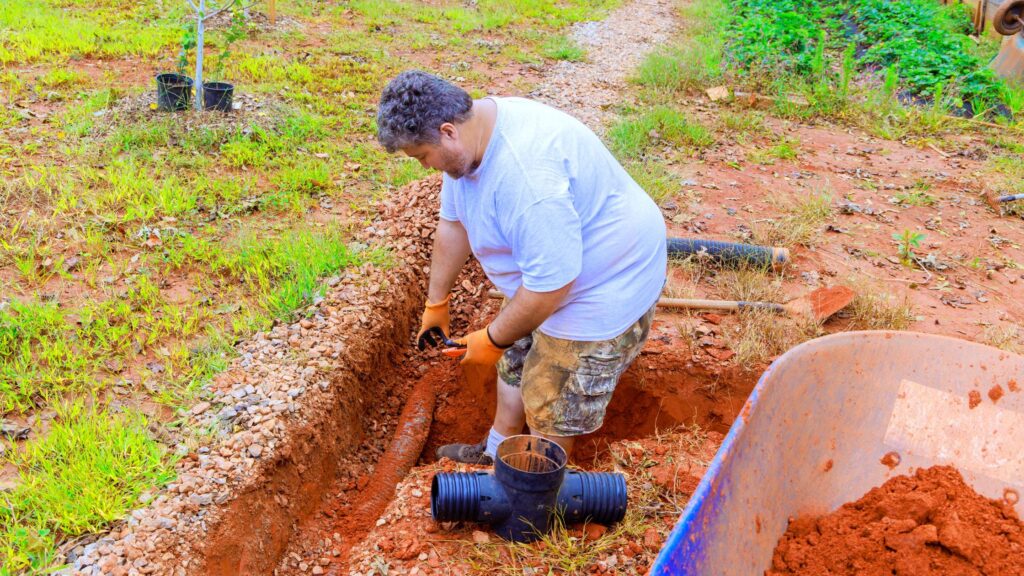
Why Precipitation Triggers Gurgling in Radon Systems
Following substantial rainfall, the ground surrounding your structure absorbs water, becoming heavier and more compressed. Consequently, the natural pathways used by air and soil gases shift. When a radon mitigation system or sump basin is positioned amid this environmental change, you may detect:
- Water bubbling or trickling within the sump pit.
- A gurgling noise emanates from the radon vent stack.
- Air is forcing its way through the standing water in the perimeter drain lines.
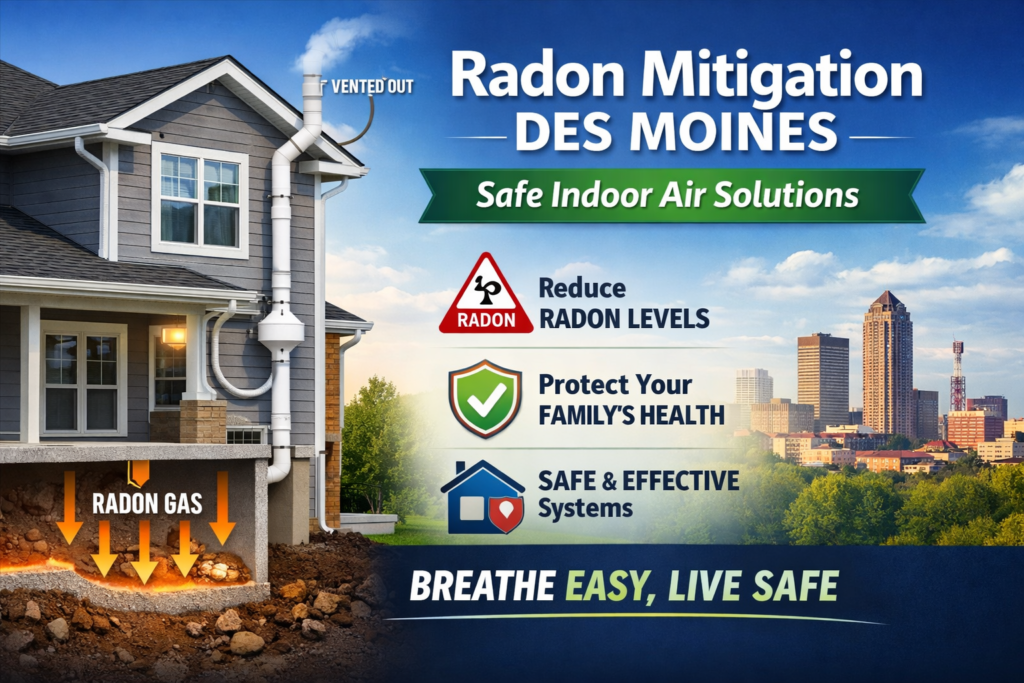
Since radon depressurization systems depend on a consistent vacuum and airflow beneath the slab, excess water disrupts this flow, generating a gurgle as air pushes past trapped moisture. These sounds should never be disregarded, particularly if they are new, notably louder, or occur routinely after wet weather.
How Rainfall Impacts Indoor Radon Concentrations
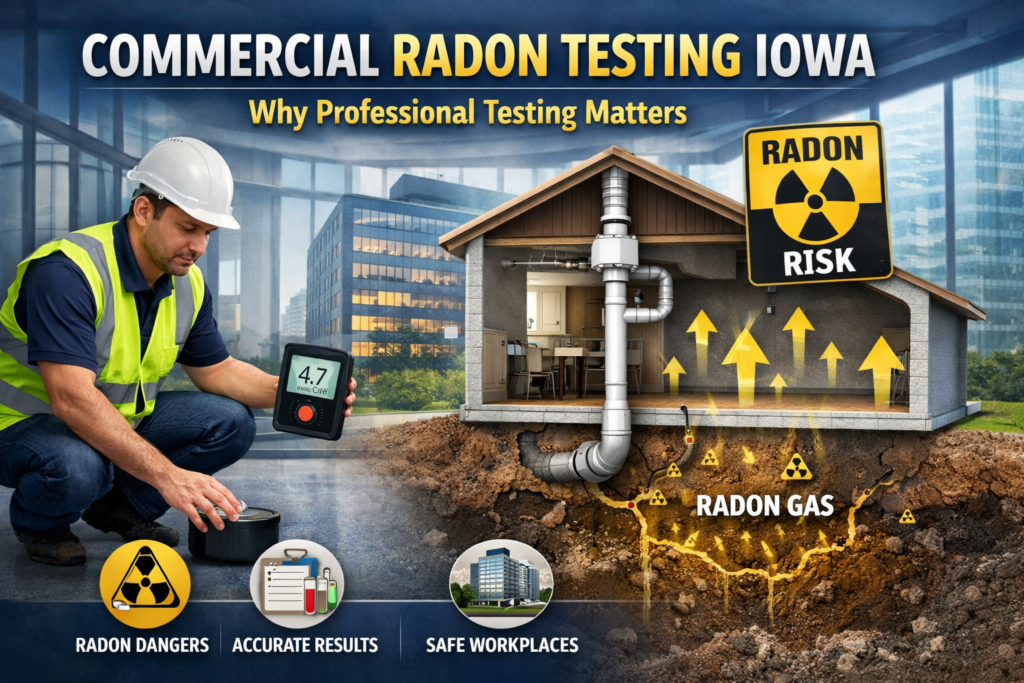
Radon originates from decaying uranium in the soil and permeates homes through various foundation openings, including cracks, joints, pipe penetrations, and sump pits. When major storms arrive, several conditions change simultaneously:
- Soil Saturation: Rain fills the pores in the soil, leading radon to search for the path of least resistance, which often becomes the area directly beneath your foundation.
- Barometric Pressure Fluctuations: Storms typically cause a drop in outside pressure. The resulting higher indoor pressure can more effectively draw radon gas from the soil.
- Ventilation Practices: During chilly or rainy periods, closed doors and windows trap indoor air, facilitating the easier accumulation of radon.
Given that many residences incorporate basements and crawl spaces, weather changes can fundamentally alter radon dynamics. Consequently, radon gurgling after rain often indicates moisture and pressure variations that may be influencing your home’s radon levels. Learn more about How Weather Changes Impact Radon Levels in Your Home.
Primary Sources of System Gurgling
While only a certified professional can definitively diagnose your specific situation, several common issues frequently cause gurgling or bubbling sounds:
- Water in the Vent Pipe: Water collects in low spots of the vent pipe; the fan forces air through this trapped water, causing the gurgling.
- Elevated Sump Pit Water: Heavy rain raises sump pit water; air moving through the system creates bubbling or gurgling sounds as it passes the high water.
- Partially Blocked Drain Line: Clogs (sediment/debris) restrict flow, squeezing air through small gaps and resulting in gurgling.
- Incorrect Pipe Pitch: A poorly sloped vent pipe traps water in low spots, causing consistent gurgling after rain.
These conditions do not always signify a complete system failure, but they do require attention and, ideally, a professional evaluation.
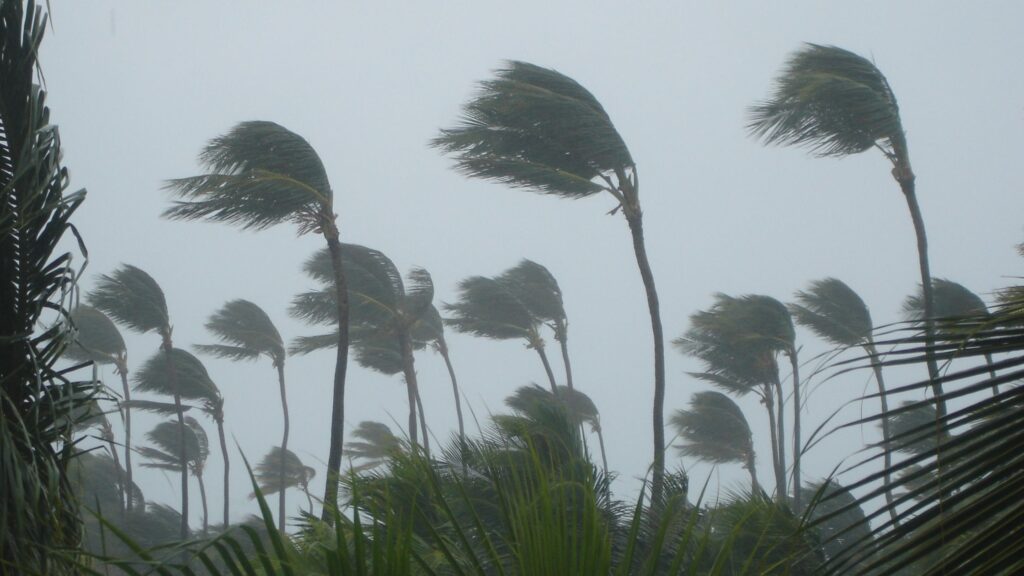
Is Gurgling a Sign of Elevated Radon Levels?
Not necessarily—but it is a definite risk. A gurgling noise primarily alerts you that air and water are meeting in parts of the system where only air is expected. When this impedance occurs repeatedly, the system might:
- Extract less air volume from beneath the slab.
- Struggle to maintain the required consistent suction.
- Permit easier entry of radon through foundational gaps or the sump area.
Since radon concentrations naturally vary with weather, season, and how the home is used, you should treat gurgling as a clear prompt to:
- Review your most recent radon test outcomes.
- Consider prompt retesting if the last test was conducted a long time ago.
- Contact a certified specialist to assess both the noise and the system’s operational efficiency.
By taking these steps, you convert a worrying noise into an actionable warning that aids in securing your home’s air quality.
Steps to Take When You Hear Post-Rain Gurgling
If you notice a radon system gurgling after rain, follow a structured, simple procedure rather than attempting to guess the problem.
- Track the Noise: Note exactly when (during/after rain) and where (sump, pipe, vent) the gurgling occurs.
- Check Visibly (No Alterations): Inspect the system (cover, pipes, floor) for water or stains. Do not modify or open sealed parts.
- Review Past Tests: Check your latest radon results. If the last test is old or pre-dates the noise, plan to retest.
- Call a Professional: Contact a certified specialist. Share your observations so they can check suction, water traps, slope, and system performance.
By implementing these steps, you handle radon gurgling after rain as a valuable prompt for action, ensuring your home remains safe through informed response.
How DSM Radon Assists Property Owners
DSM Radon specializes in commercial and residential radon testing and mitigation services. Their experienced team:
- Custom-designs mitigation systems based on the unique foundation and water management layout of each property.
- Installs high-quality fans, vent piping, and sump connections, focusing on both performance and appearance.
- Provides certified radon testing services for residential properties, schools, and commercial sites.
- Offers homeowner education to improve understanding of radon movement and the necessity of ongoing monitoring.
When you report gurgling noises following storms, DSM Radon can:
- Inspect your current mitigation installation.
- Check for system defects like water traps or inadequate pipe slope.
- Confirm that your indoor radon levels are consistently maintained below recommended action levels.
This combination of localized experience and certified expertise provides practical solutions over mere speculation.
Conclusion
Unusual noises near your radon system after a storm can be unsettling, but understanding the cause of radon gurgling after rain allows for a composed and effective reaction. By being attentive to new sounds, maintaining a regular retesting schedule, and partnering with certified professionals, you ensure your family’s safety and the ongoing effectiveness of your mitigation equipment.
For property owners seeking a more comfortable and secure home environment, DSM Radon provides reliable radon testing and mitigation design. They continue to support, offering clear information and professional assistance as needed.