

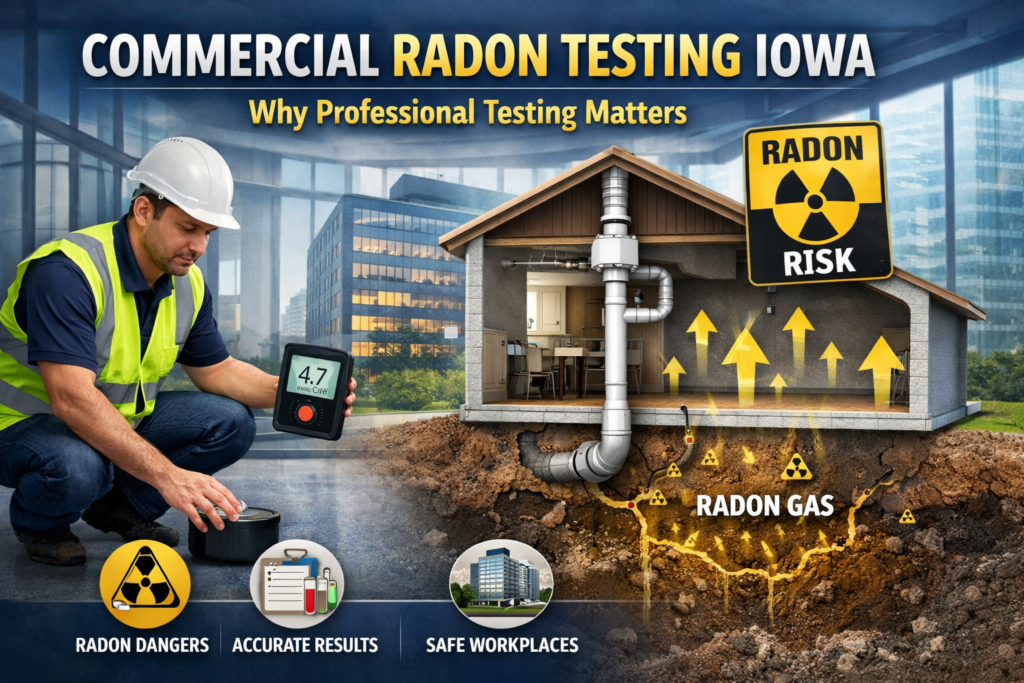

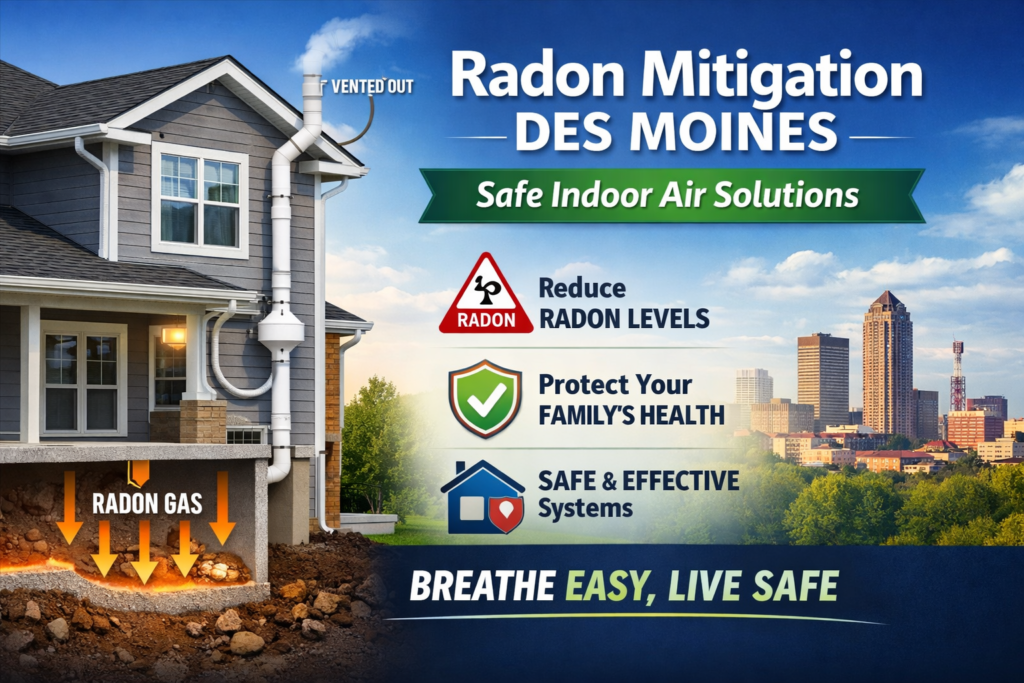
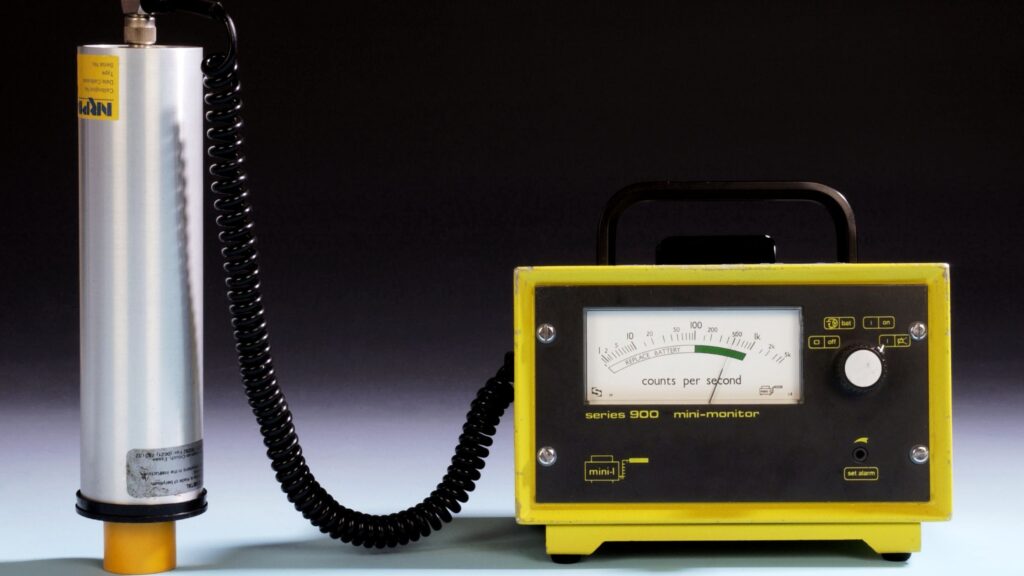
Schools should feel safe every day. However, indoor air risks can go unnoticed without regular testing. Radon is one of those risks because it forms naturally, stays invisible, and can build up indoors. Therefore, Iowa set clear rules for testing, documenting, and taking action. This guide explains radon in schools Iowa testing law in simple terms, so districts stay compliant with a calm, organized process. Radon management is ongoing, not one-time. As a result, districts with a clear system avoid last-minute stress and compliance gaps.
Why Iowa Regulates Radon Testing in Schools
Radon forms when uranium in the soil breaks down and releases a radioactive gas. As pressure changes, that gas can slip into school buildings through cracks, floor joints, and openings around pipes or wiring. Because students and staff spend long hours indoors, exposure can build up over time. Therefore, Iowa focuses on schools where long-term indoor air safety matters.
Radon levels also vary by room, floor, season, and building layout. As a result, fast or inconsistent testing can miss the real risk. That is why radon in schools, Iowa testing law requires a structured testing process instead of informal spot checks.
Radon Testing Rules for Iowa Schools
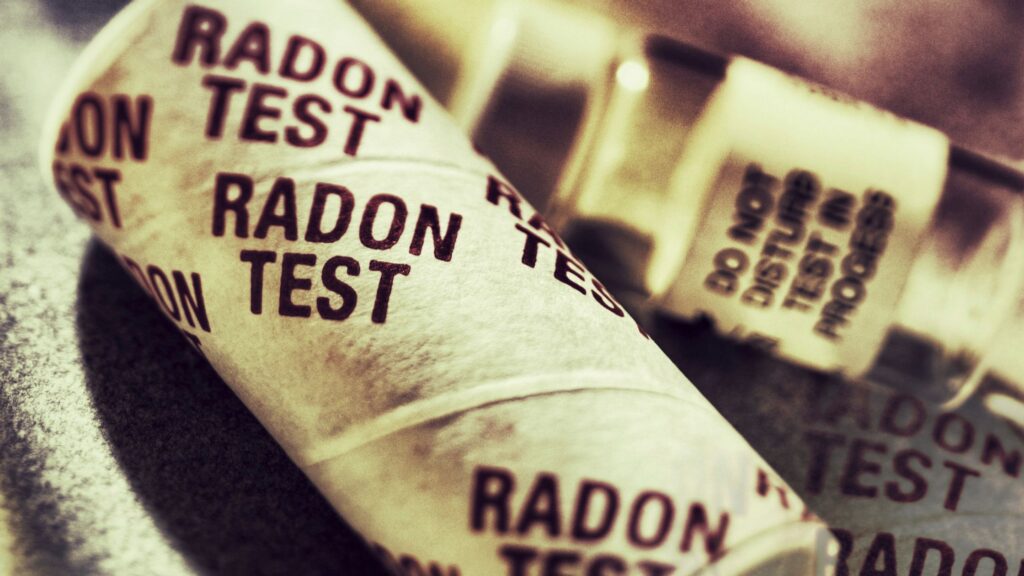
District boards are responsible for radon compliance. Each district must follow a written plan that sets testing dates, keeps records, and posts results publicly. Districts must test all attendance centers by the statewide deadline and repeat testing on the required schedule.
Only certified radon professionals or trained school staff can run tests, so districts must use qualified support or approved training. Most importantly, radon in schools, Iowa testing law requires follow-up testing for high results, mitigation planning when needed, and verification testing after mitigation.
Step 1: District Radon Plan Setup
A good radon plan should feel simple to follow, yet it must still work smoothly in real school settings. Therefore, districts should avoid complex wording and focus on clear steps that staff can complete without confusion.
A strong plan should include:
- Facility list: Record every attendance center, portable classroom, and regularly used space so nothing gets missed during the testing cycle.
- Room selection rules: Choose the lowest occupied rooms and high-use areas because radon rises from the ground, and correct placement improves accuracy.
- Clear responsibilities: Name a radon coordinator, build contacts, and assign one person to manage documentation, so the process stays organized and on time.
- Testing and posting timelines: Set exact testing dates and website posting dates to meet the transparency requirements in the Iowa school testing law.
As a result, the district can run testing confidently, respond faster to elevated results, and stay compliant year after year without last-minute stress.
Step 2: Conduct Testing Using Consistent Protocols
Good radon results come from doing the basics the right way every time. Therefore, districts should standardize the process before anyone places testing devices.
I. Pre-test preparation
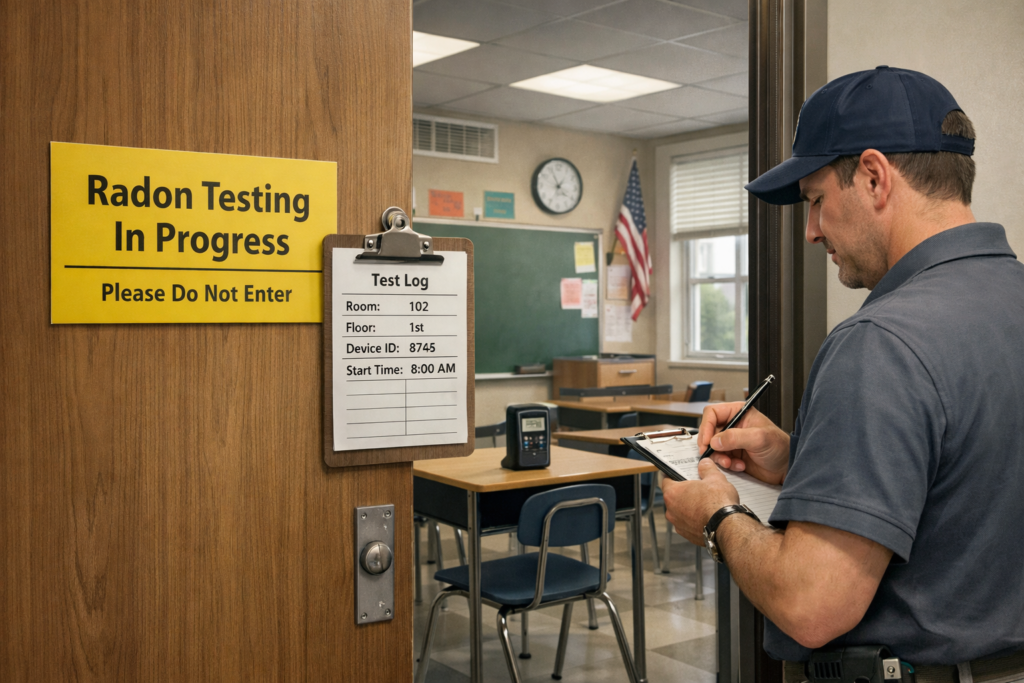
Staff should inform teachers and building teams, limit room access during testing, and keep normal building conditions in place. This step helps prevent tampering, movement, or accidental disruption.
II. Device placement and tracking
Technicians should log the room name, floor level, device ID, placement height, and start time. Clear records protect accuracy and also make public reporting easier.
III. Retrieval and submission
Teams should pick up devices on schedule and send them for analysis right away. Delays can affect results and create compliance problems.
When districts follow the same steps each cycle, radon in schools in Iowa testing law feels organized and predictable instead of rushed and stressful. Learn more about Radon Implications for Public Infrastructure Projects.
Step 3: Respond Correctly to Elevated Radon Results
High radon readings do not mean the district did something wrong. Instead, they start the next required steps in a clear response process.
A. Follow-up testing
If a short-term test reads high, the district must run a second short-term test in the same space within the required window. Then the district averages both results to choose the next action.
B. Mitigation planning
If the average still stays high, the district must bring in qualified mitigation professionals. The plan should focus on the affected areas while keeping school routines steady.
C. Verification testing
After mitigation, the district must test again to confirm the improvement. This final test proves radon levels dropped in a measurable way.
By following this workflow, districts protect occupants and stay compliant with radon in schools’ Iowa testing law.
Step 4: Publish Results and Communicate Clearly
Transparency builds trust when districts share information clearly. Therefore, schools should publish radon results with simple context, not just raw numbers.
Districts should post:
- Results by building
- Testing dates and room types (such as classrooms, offices, or lower-level spaces)
- Follow-up steps or mitigation updates, when needed
Additionally, districts should brief principals, administrators, and key staff before results go live. This step keeps messaging consistent and helps staff answer questions calmly.
Step 5: Address Radon During Construction and Renovation
Iowa expects new school buildings to include radon-resistant features. Therefore, districts should include radon planning during design reviews and add it to commissioning checklists before the building opens.
Renovations matter too. Changes to airflow, foundation work, or pressure zones can shift how radon moves through a building. Consequently, districts should schedule radon testing again after major updates to stay compliant and keep indoor air safety consistent.

Choosing the Right School Partner
School projects are not like residential jobs. They require controlled access, tight academic schedules, strict safety rules, and clear public reporting. Therefore, districts should work with providers who have experience handling school-based radon testing and mitigation without disrupting daily learning.
Teams that understand radon in schools, Iowa testing law can also keep documentation organized, help districts meet deadlines, and support mitigation planning in a smooth, well-coordinated way.
Conclusion
Managing radon in schools iowa testing law takes structured testing, clean documentation, and a clear plan for follow-up steps. Districts that want school-ready testing, verified mitigation support, and compliance-focused workflows can work with DSM Radon to handle testing and mitigation responsibly.