
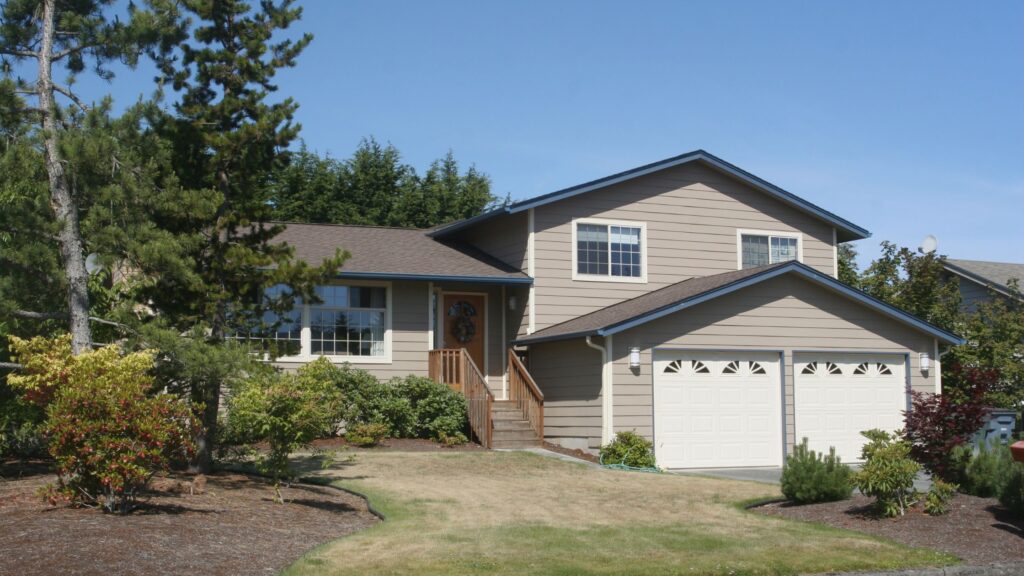

Split-level homes offer visual separation and efficient use of space. However, this design also influences how air moves through the structure. Because radon travels through pressure differences and foundation openings, split-level layouts often experience uneven radon distribution. Therefore, homeowners must understand how this architectural style affects indoor air quality and long-term safety. Radon remains invisible and odorless, yet it poses serious health risks over time. Consequently, homeowners cannot rely on comfort or appearance to judge safety. Instead, they must evaluate how structural features interact with soil gases and airflow. Understanding radon in split-level homes allows homeowners to identify risks early and respond with clarity.

How Split-Level Home Design Influences Radon Flow
Split-level homes feature multiple floor heights and foundation types, which directly affect indoor airflow. Because radon moves through pressure differences and structural openings, these homes often experience uneven radon distribution.
- Multiple Foundation Types: Radon enters more easily where basements, crawl spaces, and slabs meet, allowing gases to move upward through cracks.
- Air Pressure Differences: Warm air rising creates suction, pulling radon into lower, partially underground levels.
- Uneven Ventilation: Inconsistent airflow causes radon to linger and concentrate in certain areas.
- Unreliable Levels: Upper floors may seem safe, but testing multiple areas is essential to accurately identify hidden risks.
Split-level layouts create airflow and pressure conditions that allow radon to accumulate unevenly. Therefore, recognizing these structural influences supports more accurate evaluation and safer long-term living conditions.
Home Design Factors That Influence Radon Levels
Split-level homes feature structural variations that directly affect airflow and soil gas movement. Because these design elements interact with indoor pressure, they play a critical role in how radon enters and accumulates throughout the home.
1. Multiple Foundation Types
Split-level homes often rest on mixed foundations. Therefore, more soil-contact points allow radon entry. Cracks and joints increase exposure risk. This structural complexity creates additional pathways for radon to move indoors.
2. Pressure Differences Between Levels
Air pressure changes develop easily between staggered floors. As a result, radon moves upward and accumulates unevenly. Warm air rising intensifies suction at lower levels throughout the home.
3. Lower-Level Living Spaces
Many split-level homes include bedrooms or family rooms below grade. Consequently, occupants spend time where radon levels may peak. Extended use of these spaces increases long-term exposure risk.
4. Hidden Entry Pathways
Utility penetrations, sump pits, and expansion joints often remain unnoticed. However, these openings allow radon to enter continuously. Small gaps can contribute significantly to overall radon concentration.
5. Limited Natural Ventilation
Split layouts restrict airflow between sections. Therefore, radon disperses less efficiently without mechanical intervention. Poor air circulation allows radon to remain trapped in certain zones. Additionally, doors, walls, and level changes interrupt natural air exchange.
Structural features such as mixed foundations, pressure differences, and limited ventilation increase radon variability in split-level homes. Therefore, recognizing these design-related factors helps homeowners evaluate risk more accurately and plan effective testing strategies.
Critical Areas to Evaluate for Radon Presence
Radon levels often vary within a home due to airflow patterns and structural features.
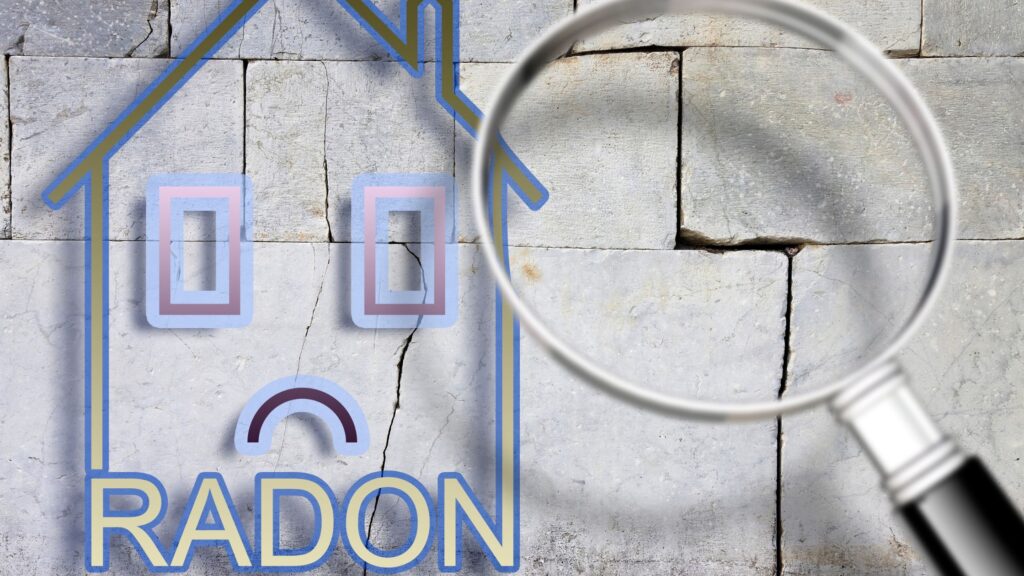
a) Foundation Seams: Small cracks allow soil gases to enter living spaces and expand gradually as structures settle over time.
b) Lowest Livable Level: Radon typically concentrates where people spend time closest to the ground, increasing potential exposure duration.
c) Stairwells and Transition Zones: Airflow changes frequently occur between split levels, which can redirect radon into occupied areas.
d) Mechanical Rooms: Furnaces and ductwork can influence pressure movement, unintentionally drawing radon through nearby openings.
e) Basement Floors and Walls: Concrete surfaces often contain microscopic openings that allow steady radon seepage from the soil.
By paying attention to these critical zones, homeowners gain clearer insight into how radon enters and moves through their living spaces. Learn more about How Foundation Types in Iowa Affect Radon Levels in Homes.
Long-Term Implications of Ignoring Radon Variability
Radon exposure increases lung cancer risk gradually and silently over time. Therefore, delayed action allows prolonged exposure that can significantly affect long-term health outcomes. Because radon remains undetectable without testing, homeowners may unknowingly breathe elevated levels for years. Additionally, unaddressed radon concerns influence property value and buyer confidence. Home inspections often reveal radon issues late in the selling process, which can lead to renegotiations or delayed transactions.
Moreover, uneven radon levels create a false sense of security within split-level homes. When homeowners test only upper living areas, lower-level spaces may continue to contain elevated radon concentrations. Consequently, families may spend extended periods in high-risk areas without awareness. Children’s playrooms, home offices, or bedrooms located below grade increase exposure further. Understanding radon in split-level homes allows homeowners to recognize these hidden risks and make informed decisions that protect both health and long-term investment stability.
Conclusion
Split-level homes require careful radon evaluation because design complexity influences airflow and soil gas movement. Therefore, homeowners benefit from understanding how structure, pressure, and foundation depth interact. When homeowners address radon in split-level homes proactively, they reduce health risks and improve long-term livability. For organizations seeking structured insight, risk communication clarity, and trust-focused strategy development, DSM Radon supports informed decision-making that aligns safety with confidence.
FAQs
1. Why does radon behave differently in split-level homes?
Split-level designs create pressure differences and multiple soil-contact entry points, which cause uneven radon movement across different levels of the home.
2. Where should radon testing occur in a split-level home?
Testing should occur at the lowest livable level and, in many cases, across multiple zones to capture accurate radon variations.
3. Can radon levels change over time in split-level homes?
Yes, seasonal pressure shifts, weather changes, and gradual structural settling can alter radon concentration patterns over time.
4. Does addressing radon improve home resale outcomes?
Yes, documented testing and mitigation increase buyer trust, reduce negotiation delays, and support smoother real estate transactions.