

Radon is a natural radioactive gas that comes from the ground as uranium in soil and rock breaks down. You can’t see it, smell it, or taste it, so it can build up in a house without anyone noticing. Even brand-new properties can have high radon levels in newly built homes because radon can slip in through small cracks, joints, and openings in the foundation. In fact, many new homes are built very tightly to save energy, and that can trap radon inside and let it collect over time. That’s why homeowners and builders should understand how radon enters a home and take the right steps to monitor and control it for safer indoor air.
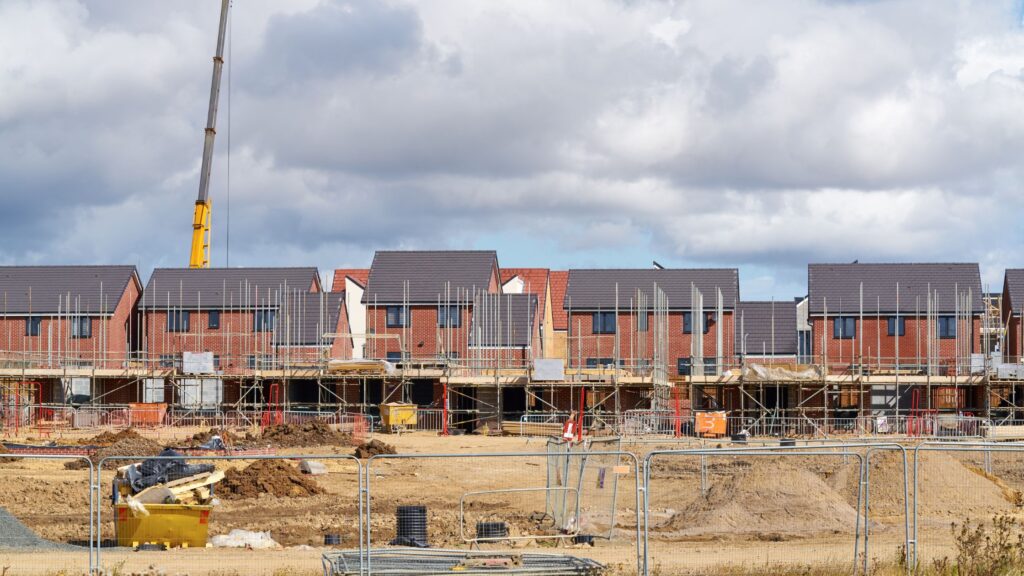
Why Radon is a Concern in Newly Built Homes
Radon is a top cause of lung cancer in non-smokers, and long-term exposure to high levels can increase that risk. Even in new properties, radon levels in newly built homes can rise because energy-efficient construction seals homes tightly, which can trap radon indoors. Here’s why radon can still be a serious concern in new homes:
- Radon is undetectable without testing: You need a radon test to know the level.
- Airtight homes reduce ventilation: Less airflow can allow radon to build up.
- Foundation entry points still exist: Small cracks, gaps, and openings can let radon enter from the soil.
That’s why you should test radon levels in newly built homes after construction—because “new” does not mean radon-free.
How Radon Affects Health
Radon exposure is strongly connected to lung cancer, especially when someone breathes in high radon for a long time. In the U.S., radon is considered the second leading cause of lung cancer after smoking. Radon becomes harmful when you inhale it because its radioactive particles can slowly damage lung cells over time. If a person already has breathing issues—like asthma or COPD—radon exposure can be even more risky because it adds extra stress to the lungs. Long-term exposure to elevated radon levels significantly increases the risk of developing lung cancer, even among non-smokers. It’s essential to regularly test your home for radon to minimize these health risks.
What Contributes to Elevated Radon Levels in New Homes?
Although new homes often use high-efficiency construction methods, certain factors can still lead to elevated radon levels:
- Foundation cracks and gaps: Even a newly built foundation can have tiny flaws that let radon seep inside.
- Local geology: Homes built in areas with higher uranium in the soil face a greater risk of radon.
- Improper ventilation: Modern homes are often airtight, which reduces natural airflow and can trap radon indoors.
In areas with high radon potential, these factors raise the chances that radon levels in newly built homes will be higher unless builders include preventive measures during construction.
Radon-Resistant Construction Techniques
These strategies focus on blocking radon entry and maintaining long-term indoor safety:
- Gas-Permeable Layer: Add a gas-permeable layer (like gravel) under the slab so radon can move beneath the home instead of entering it.
- Polyethylene Sheeting: Lay a continuous polyethylene sheet over the gravel to create a barrier that helps stop radon from coming through the slab.
- Vent Pipe System: Install a vent pipe that routes radon from under the foundation to the outside, reducing indoor buildup.
- Sealing Foundation Cracks: Seal foundation cracks, joints, and openings carefully to limit radon entry points.
By using these methods, builders can greatly reduce the chance of high radon levels in newly constructed homes.
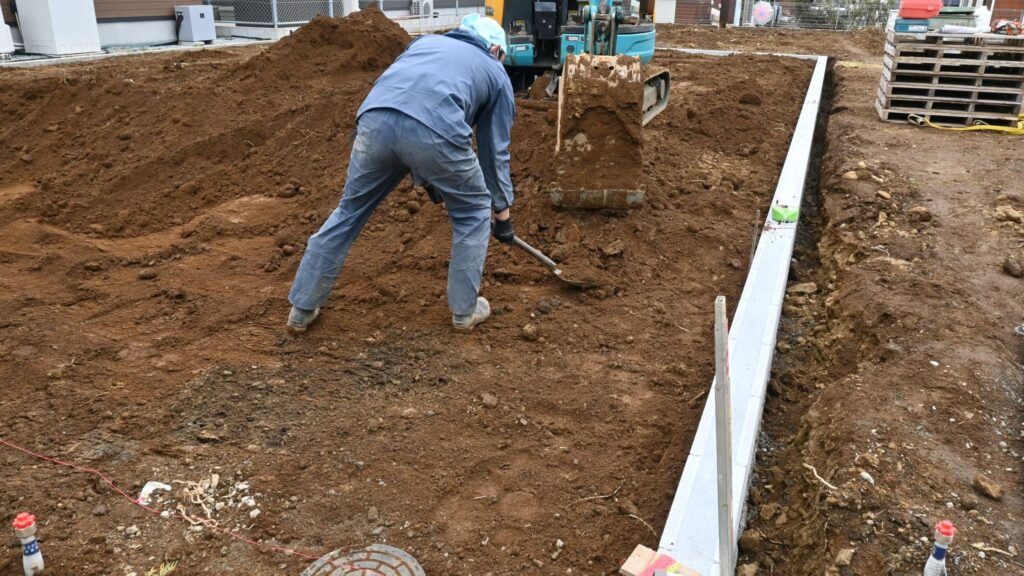
Testing for Radon: A Critical Step
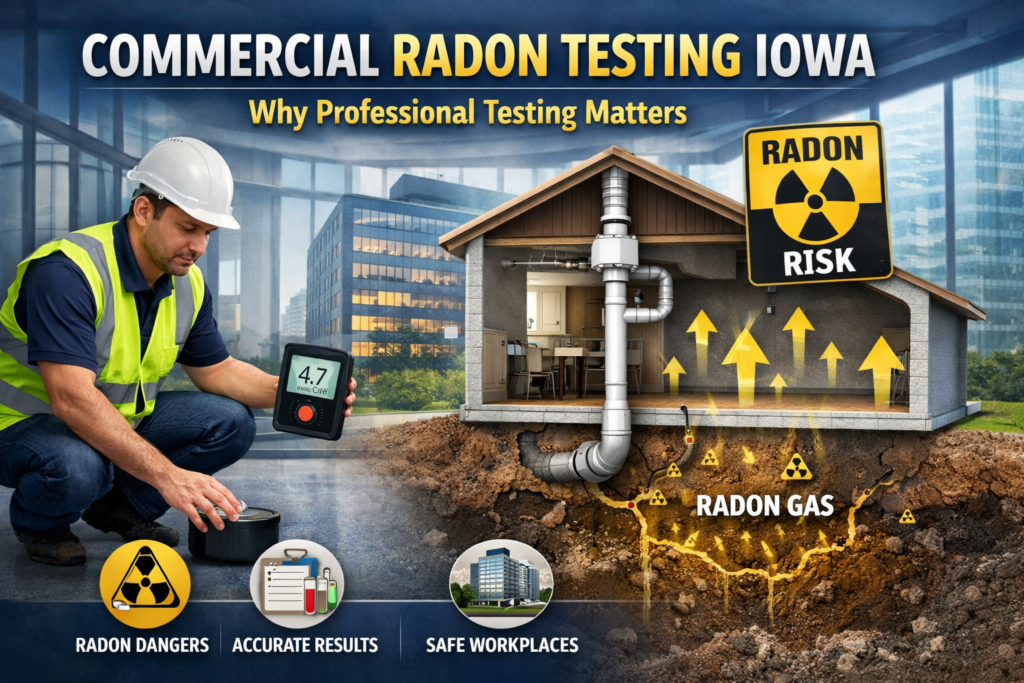
Even with radon-resistant construction, the only way to confirm safe radon levels in newly built homes is through radon testing. Here’s why testing is essential:
- Accurate Results: Certified radon test devices measure the exact indoor radon level, so you get clear and dependable readings.
- Post-Construction Testing: Test once the home is fully finished—ideally before move-in—to confirm the indoor air is safe.
- Periodic Retesting: Retest occasionally, especially after renovations, foundation work, or major seasonal and weather changes that can affect radon entry.
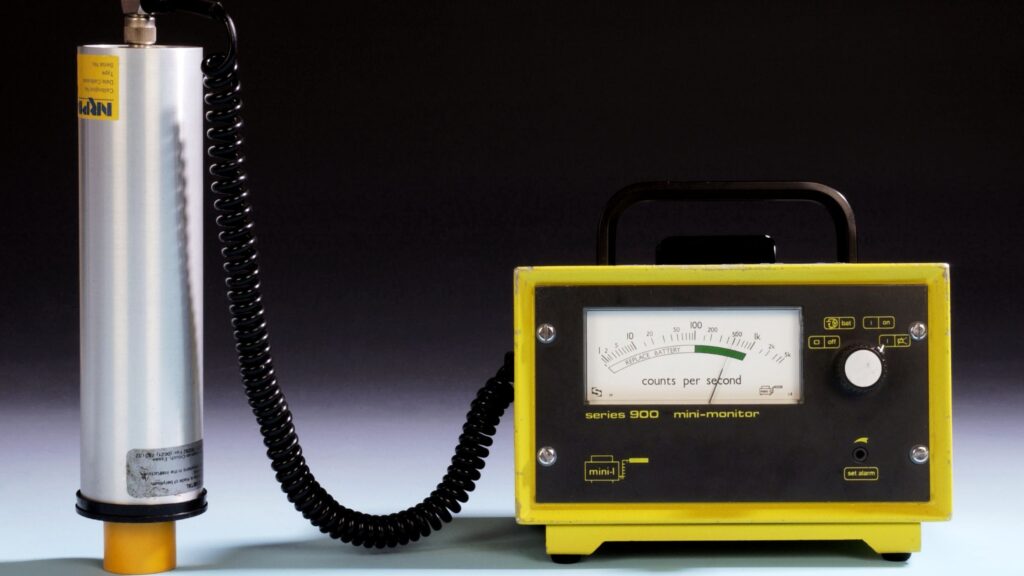
You can use short-term or long-term radon detectors, and the results help you decide if radon mitigation is needed.
Effective Radon Mitigation Systems
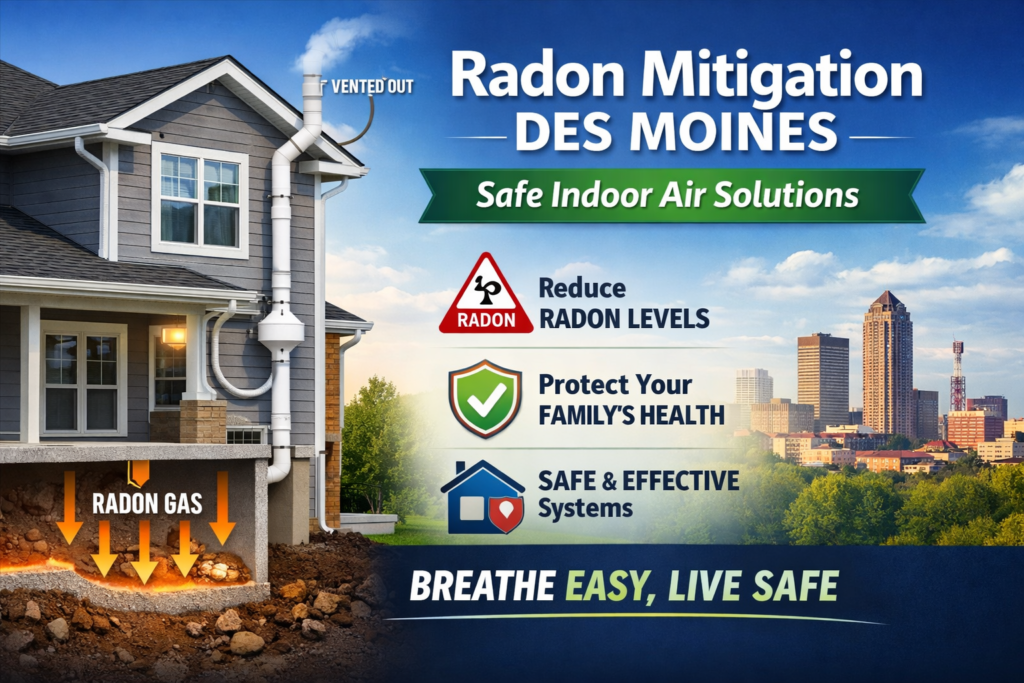
If testing reveals high radon levels in newly built homes, installing a radon mitigation system is the most effective solution. These systems actively move radon gas out of the home, which can greatly reduce exposure. Key components of a radon mitigation system include:
- Sub-Slab Depressurization: A fan-based system that pulls radon from beneath the foundation and vents it safely outside.
- Sealing Cracks: Sealing cracks and openings in the foundation, walls, and floors to reduce radon entry points.
- Continuous Monitoring: Using a radon detector to track levels over time and confirm the system keeps working properly.
Hiring a certified radon mitigation specialist is essential because proper installation helps the system work efficiently and deliver long-term results. Learn more about Post-Mitigation Radon Testing.
Protecting Your Health: Take Action Against Radon Exposure
To protect your home and family from the harmful effects of radon, take the following steps:
i. Incorporate Radon-Resistant Construction: Work with builders who understand radon risks and include radon-resistant features during construction.
ii. Test Your Home for Radon: Make sure radon testing is part of the home inspection so you know the actual indoor levels.
iii. Install a Radon Mitigation System: If testing shows high radon levels in newly built homes, install a mitigation system to reduce radon safely.
iv. Regularly Monitor Radon Levels: Even after mitigation, keep checking radon levels regularly to confirm the system continues to work properly.
By following these guidelines, you can reduce radon exposure risks and create a safer, healthier indoor environment for your family.
Conclusion
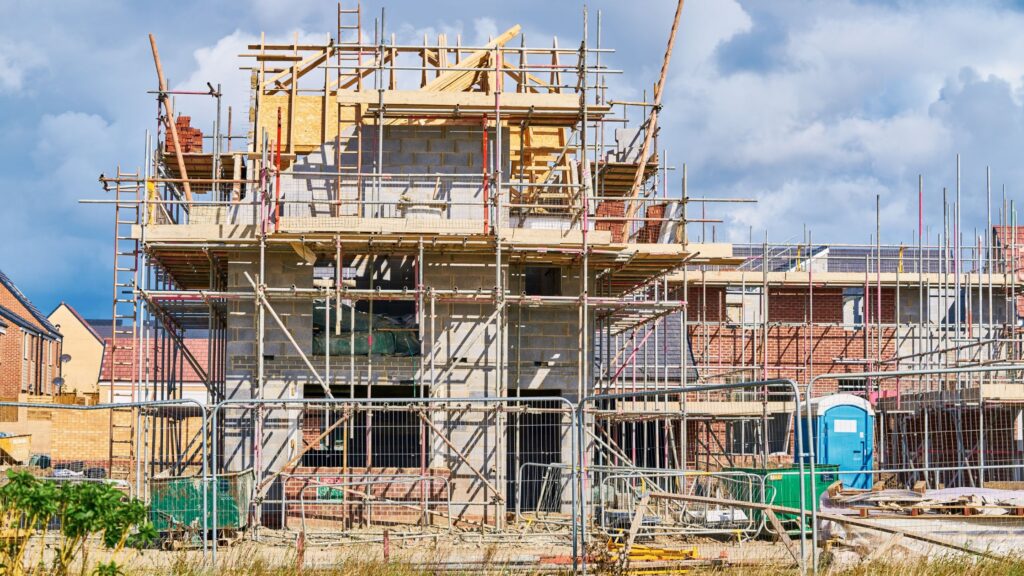
Understanding radon levels in newly built homes is important if you want a safe and healthy place to live. When you take early steps—like using radon-resistant construction methods, scheduling regular radon testing, and installing a dependable mitigation system when needed—you can greatly reduce the chance of radon building up indoors. For professional support with radon testing and mitigation, trust DSM Radon.