
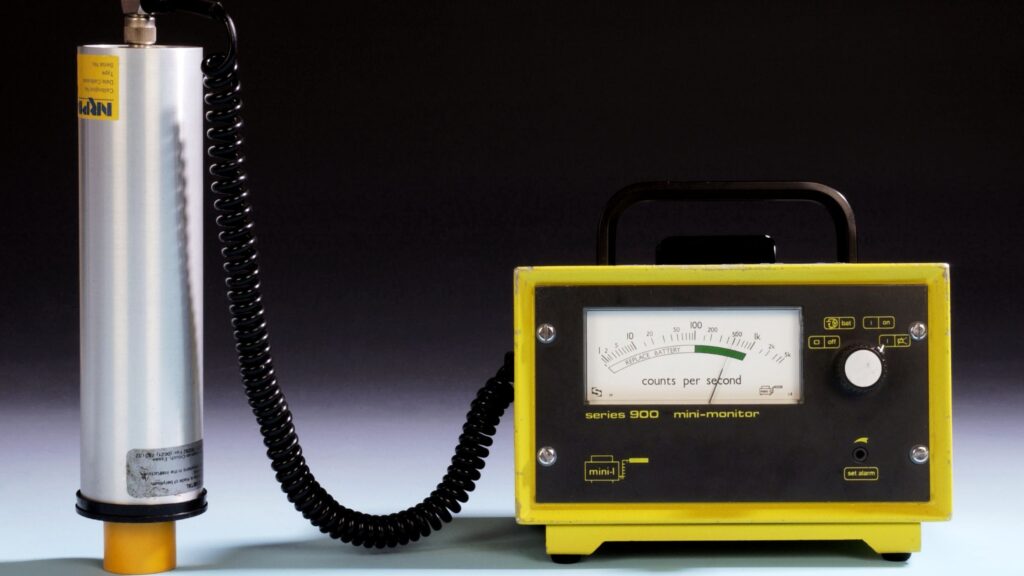
With the arrival of colder months, families instinctively focus on maintaining a cozy and warm indoor environment. You likely seal your windows and inspect your insulation to keep the cold outside. However, while you work to keep heat inside, you inadvertently create an environment that traps a dangerous, invisible gas. Health experts and environmental scientists consistently warn that radon levels spike during winter. Therefore, understanding why this happens remains the most effective way to protect your loved ones from potential harm. Failing to account for this seasonal shift could expose your family to significantly higher amounts of radiation without your awareness.
Primary Factors Driving Winter Radon Increases
As the cold weather settles in, the dynamics of your home environment shift dramatically, often leading to invisible dangers. Understanding these specific changes helps you see why vigilance is necessary during this season.
A) The Stack Effect
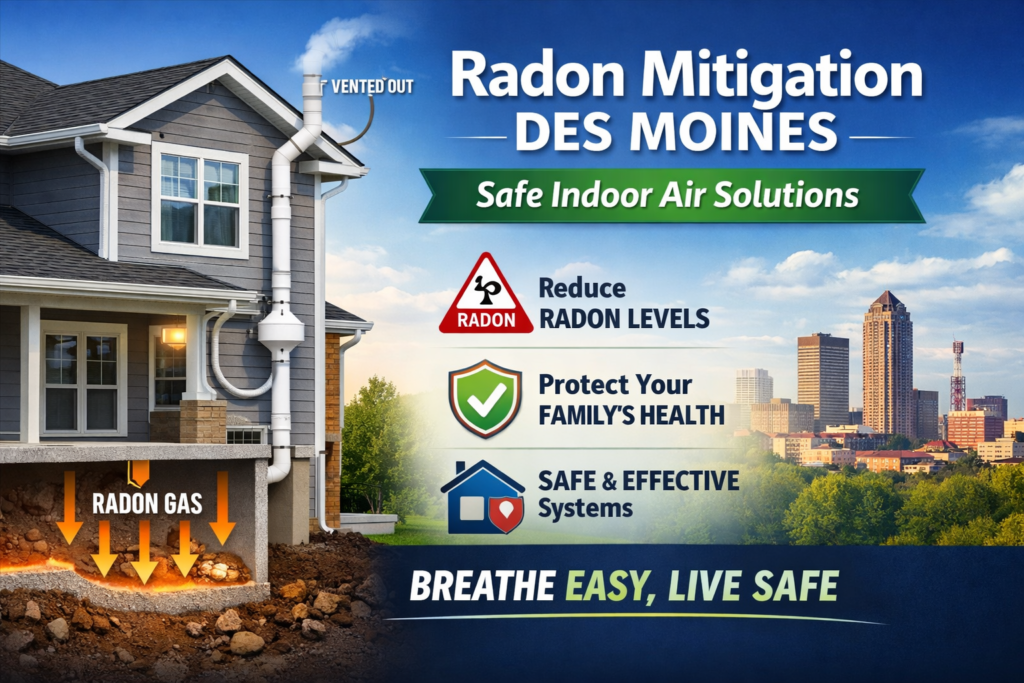
Heating systems cause warm air to rise and escape through the roof. This creates a strong vacuum at the lowest level of the house. Consequently, the home sucks up soil gas to replace the lost air. This constant upward airflow acts like a giant straw, drawing dangerous contaminants directly into your living space.
B) Frozen Ground Seal
Snow and ice create an impermeable barrier over the yard’s soil. This blocks the radioactive gas from escaping naturally into the open air. Therefore, it is forced sideways and enters your home through the foundation.
C) Poor Ventilation Habits
Homeowners keep windows tightly sealed to preserve warmth and save energy. This prevents fresh outdoor air from circulating and diluting indoor pollutants. As a result, toxic gases accumulate inside the living space much more rapidly.
D) Pressure Differentials
The temperature difference creates a pressure imbalance between the house and the soil. This force actively pulls ground gases through cracks in the concrete slab. Thus, the rate of entry increases significantly compared to the summer months.
E) Seasonal Spike Reality
Measurements taken now often reflect the highest readings of the year. Testing during this specific time provides a critical baseline for a worst-case scenario. In fact, radon levels spike during winter, necessitating immediate action for safety.
These five distinct factors combine to create a hazardous environment within your home during the colder months. By recognizing these risks, you can take decisive steps to test your property and protect your family effectively.
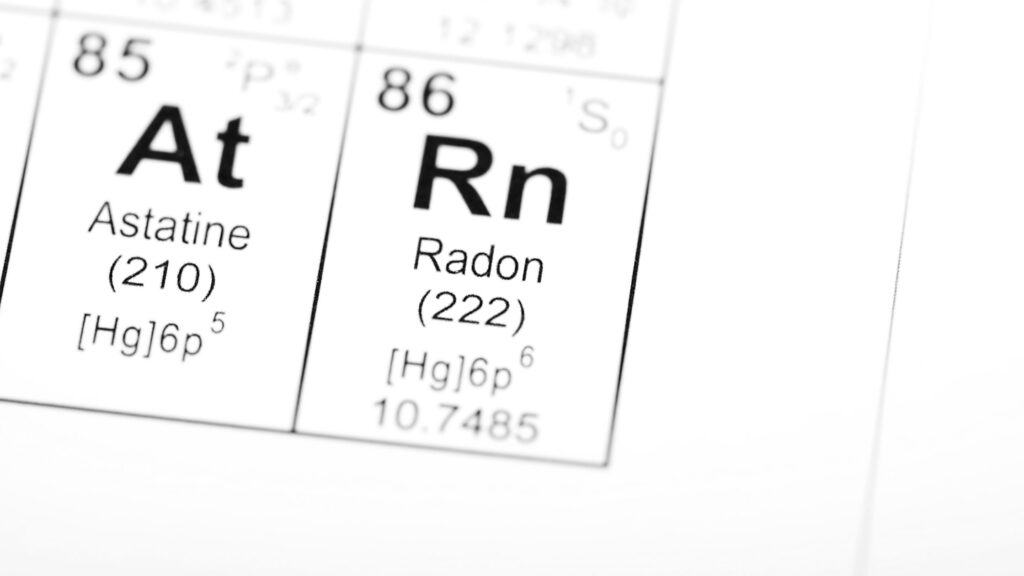
Why Testing Now Ensures Maximum Safety
Procrastinating on this issue can lead to severe long-term health consequences for everyone in your household. Because radon levels spike during winter, delaying a professional test leaves your family exposed to the highest annual concentrations of this radioactive gas without your knowledge. Unfortunately, many homeowners mistakenly rely on results from tests performed during the summer months. However, open windows and better airflow during those warmer seasons often dilute the gas, producing a falsely low reading that creates a dangerous illusion of safety.
In contrast, testing during the freezing months accurately captures the worst-case scenario for your indoor air quality. By identifying the peak radiation levels now, you effectively ensure that any mitigation system you install can handle the maximum load. Consequently, a system designed to work under these extreme winter conditions will easily protect you during the milder seasons as well. Therefore, immediate testing provides the comprehensive data you need to make informed, life-saving decisions before prolonged exposure causes irreversible damage. Learn more about Radon Levels in Winter.
Effective Mitigation for Safe Homes
If your test results confirm danger, professional mitigation works immediately to dramatically lower your risk exposure.
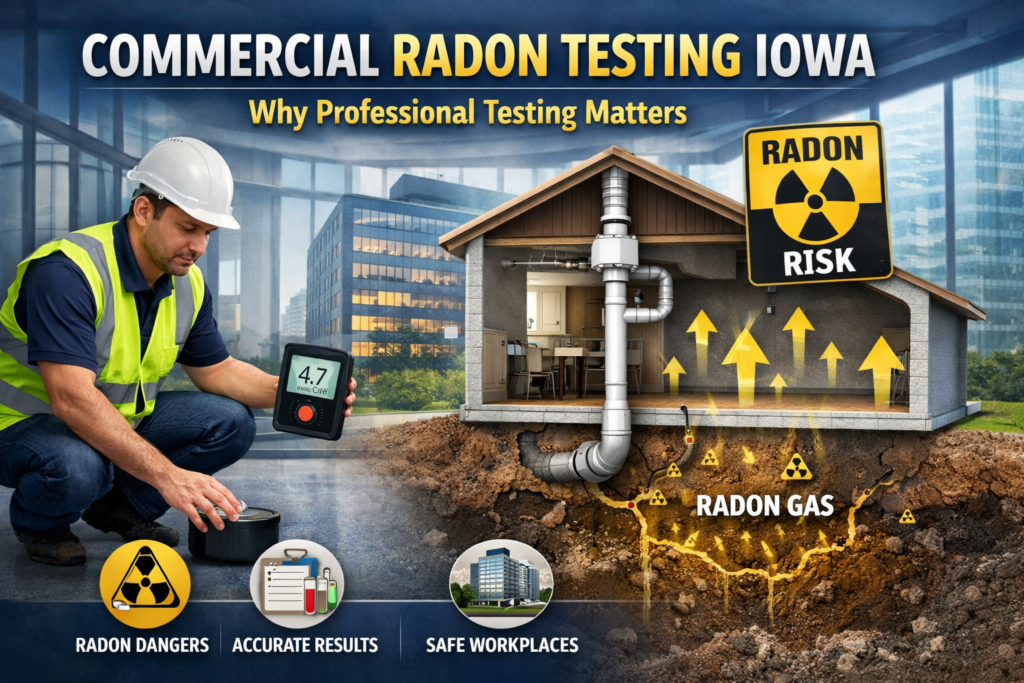
1. Suction Points: Technicians drill precise suction pits to actively pull dangerous gas from beneath your concrete slab.
2. Venting Pipes: They route durable PVC pipes to exhaust the hazardous fumes safely above your home’s roofline.
3. Sealing Cracks: Experts seal foundation cracks to effectively block the primary entry routes for soil gas.
4. Fan Systems: We install specialized fans to maintain constant negative pressure that prevents gas from entering.
5. System Monitor: You can check the manometer gauge daily to ensure the mitigation system functions correctly.
These proven methods quickly reduce radiation levels to protect your health and home permanently.
Conclusion
In summary, the combination of the stack effect, frozen soil barriers, and sealed homes creates a uniquely hazardous environment during the cold season. Therefore, acknowledging that radon levels spike during winter remains the vital first step toward protecting your family. You must take proactive measures to monitor your indoor air quality now rather than waiting for warmer weather. Testing during this specific time provides the most accurate “worst-case” reading, effectively ensuring your safety year-round. If you discover elevated readings, you need a trusted local expert to resolve the issue immediately. DSM Radon possesses the specific expertise to handle these seasonal challenges, providing reliable testing and mitigation services to ensure your home remains a haven for your loved ones.
FAQs
1. Why do radon levels rise specifically in the winter?
Radon levels rise because the stack effect creates a vacuum that pulls soil gas into the home. Additionally, frozen ground outside traps the gas, forcing it toward your foundation, while closed windows prevent fresh air from diluting it.
2. Is it safe to test for radon during a snowstorm?
Yes, you can test during winter weather. In fact, testing during this season is often better because it reveals the highest potential levels your family faces, allowing you to install a mitigation system that works under the worst conditions.
3. How does the “stack effect” actually work?
The stack effect occurs when warm indoor air rises and escapes through the roof. This movement creates negative pressure in the basement, which actively sucks radon-rich air out of the soil and into your living space.
4. What should I do if my winter radon test is high?
If your results show elevated levels, you should contact a professional mitigation specialist immediately. They will install a ventilation system, usually involving a fan and PVC pipe, to redirect the gas from beneath your foundation to the outside air safely.