
Radon gas is a significant threat to indoor air quality, impacting both residential and commercial properties. For Iowa businesses, mitigating radon is essential to protect the health and safety of employees, customers, and visitors. Prolonged radon exposure can cause serious health issues, including lung cancer, making it crucial for business owners to take preventive measures. Early detection and professional mitigation can reduce health risks and ensure a safer environment.
This article explores the importance of radon mitigation for Iowa businesses and how implementing a professional radon mitigation system can protect your workplace. By addressing radon exposure early, businesses can safeguard their reputation, comply with safety regulations, and ensure a healthier environment for all.
What Is Radon, and Why Is It a Concern for Iowa Businesses?
Radon is an odorless, colorless radioactive gas from the breakdown of uranium in the ground. It seeps into buildings through cracks in foundations or gaps around pipes, leading to dangerous accumulation levels. In Iowa, radon is particularly concerning due to the state’s geological makeup, which can lead to higher concentrations of this harmful gas. Prolonged radon exposure significantly increases the risk of lung cancer, especially in non-smokers, making mitigation crucial for businesses to maintain a safe environment. Regular testing and mitigation help prevent health hazards and protect both employees and customers.
Additionally, radon levels can vary widely from one building to another, even on the same street, so you should never assume a property is safe without a proper test. Therefore, businesses should treat radon testing as a routine safety step and confirm post-mitigation results to ensure indoor levels stay consistently low.
How Mitigation for Businesses Works
When radon levels are found to be elevated, businesses need to take immediate action. Radon mitigation for Iowa businesses is a multi-step process that involves detecting, reducing, and preventing further exposure to the gas, like –
A) Professional Radon Testing
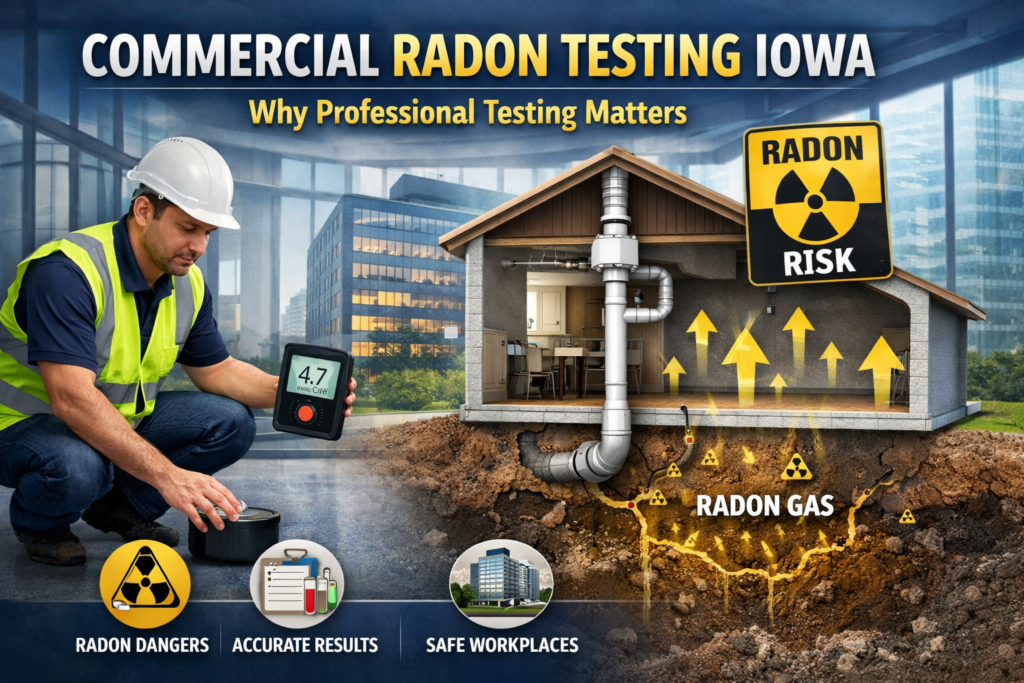
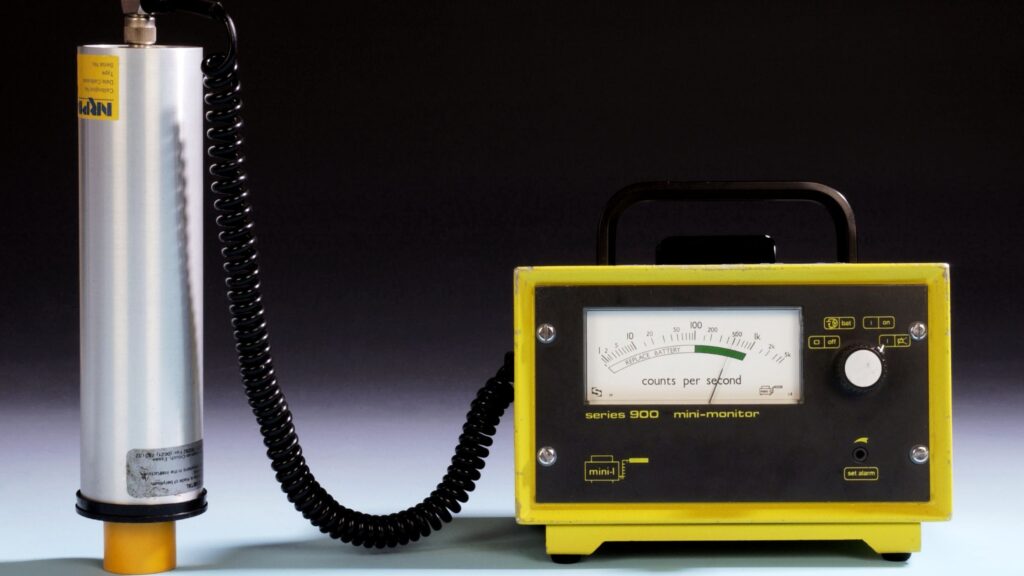
Radon testing is the first step in mitigation, identifying gas concentrations in buildings. Technicians place detectors in key areas to measure levels over time. Regular testing ensures businesses stay ahead of fluctuating radon levels, keeping them below the 4 pCi/L threshold.
B) Designing a Custom Mitigation Plan
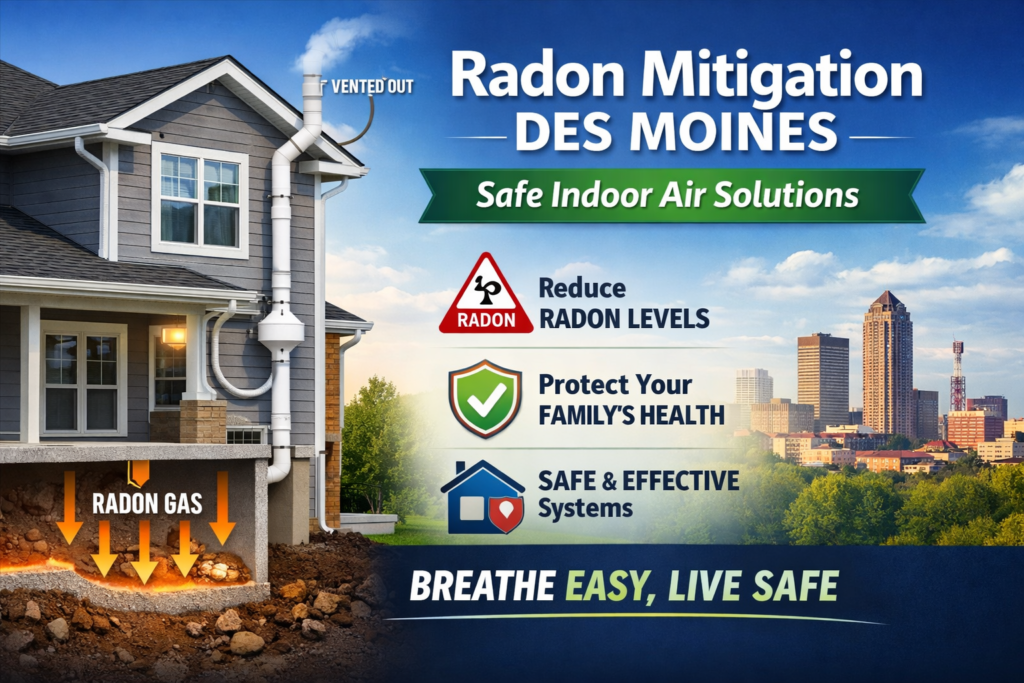
Once radon levels exceed safe limits, the next step is creating a tailored mitigation plan. Depending on the business structure, systems are designed to suit the building’s needs, such as soil depressurization, venting, or sealing cracks, directing radon away to ensure safe air.
C) Installation and Maintenance
After designing the system, radon mitigation teams install vent pipes and fans to expel the gas outside. Installation typically takes a day or two, depending on the property’s size. Ongoing maintenance ensures the system functions correctly and radon levels stay safe.
D) Post-Installation Monitoring and Support
After installation, businesses can benefit from periodic monitoring and support to ensure the mitigation system continues to perform effectively. Regular checks can detect any potential issues early, maintaining safe air quality and compliance over time.
By following these steps—testing, designing a custom plan, and installing effective mitigation systems—Iowa businesses can ensure a safe, radon-free environment for their employees and customers.
Why Businesses Should Prioritize Radon Mitigation
Failure to address radon exposure can have serious consequences for businesses. Here are a few reasons why radon mitigation should be a top priority for business owners:
- Health Protection: Radon can raise lung-cancer risk, even for non-smokers—so protecting staff and visitors matters.
- Legal Compliance: State rules (including Iowa) may require testing/mitigation—compliance helps avoid penalties.
- Better Workplace: Taking action signals you care, which can boost morale and productivity.
- Higher Property Value: A mitigated building feels safer and often holds stronger long-term value.
Prioritizing radon mitigation protects health, ensures compliance, boosts productivity, and increases property value, benefiting both employees and the business. Learn more about Why Iowa Geology Produces High Radon.
The Cost-Effectiveness of Radon Mitigation for Iowa Businesses
Investing in radon mitigation ensures a safer environment, avoiding health costs, legal fines, and property damage while protecting your workforce and boosting your bottom line.
- Prevent health issues and costly medical treatments early.
- Ensure compliance with regulations and avoid fines for radon exposure.
- Radon mitigation boosts property value by ensuring a safe environment.
- A safer workplace boosts morale, productivity, and reduces absenteeism.
Radon mitigation is a smart investment, safeguarding health, reducing costs, and enhancing both business operations and property value.
Benefits of Radon Mitigation for Iowa Businesses
Radon mitigation provides essential protection for businesses, ensuring both health and financial benefits. Here are key advantages:
- Improved Air Quality: Radon mitigation ensures that your business has healthy, breathable air.
- Long-Term Health Protection: Proactive mitigation protects both employees and customers from the risks of radon-related health issues.
- Enhanced Business Reputation: A company that addresses environmental hazards demonstrates responsibility and care for the health of everyone involved.
- Compliance with Safety Standards: Radon mitigation ensures compliance with state and local safety regulations.
- Increased Property Value: A building with a radon mitigation system is valued higher, as it is safer and more appealing to potential buyers or tenants.
- Cost Savings in the Long Run: Early radon mitigation can prevent expensive repairs and legal issues, ultimately saving money in the future.
Investing in radon mitigation not only improves health and compliance but also protects property value and business success.

Conclusion
For Iowa businesses, radon mitigation is not just a precaution but a necessity. By ensuring that your workplace is free from hazardous levels of radon, you can protect the health of your employees and customers while safeguarding your business’s reputation. Professional radon mitigation services, like those provided by DSM Radon, offer tailored solutions that reduce exposure, improve air quality, and comply with health regulations. These systems also enhance property value and provide long-term cost savings by preventing future health issues and legal risks. Investing in radon mitigation for Iowa businesses ensures a safer and healthier environment for all.