
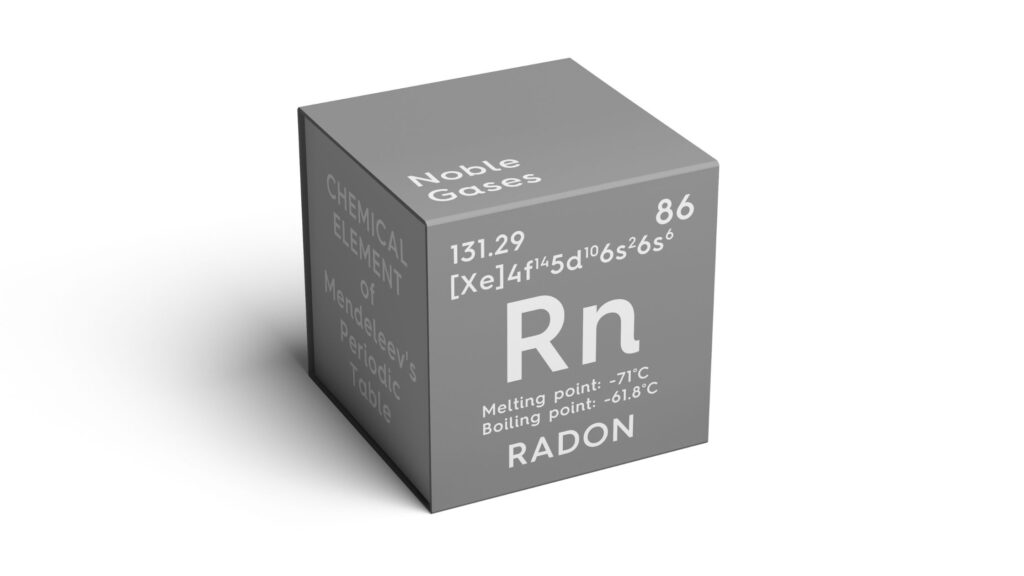
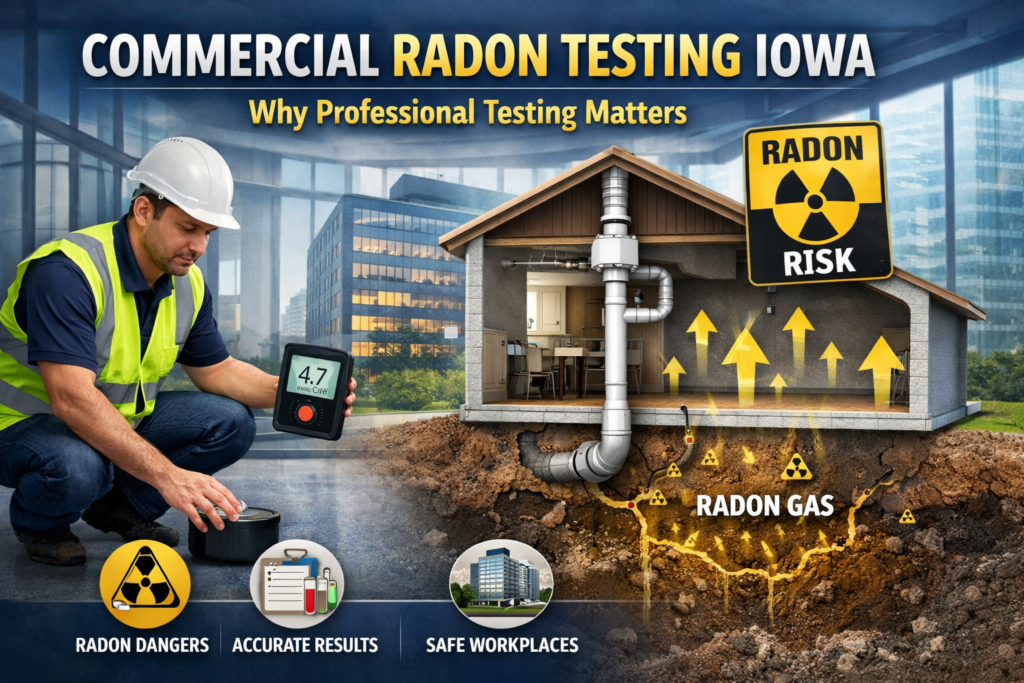
Radon is an invisible and odorless radioactive gas that enters buildings through tiny cracks in foundations and soil gaps. Although you cannot detect it with your senses, prolonged exposure to elevated radon levels significantly increases health risks, including lung cancer. Because of this, radon mitigation installation remains the most reliable way to reduce indoor radon concentrations and protect your family’s health.
In this guide, you will learn what radon mitigation installation involves, why it matters, how professionals approach it, and how effective mitigation safeguards indoor air quality.
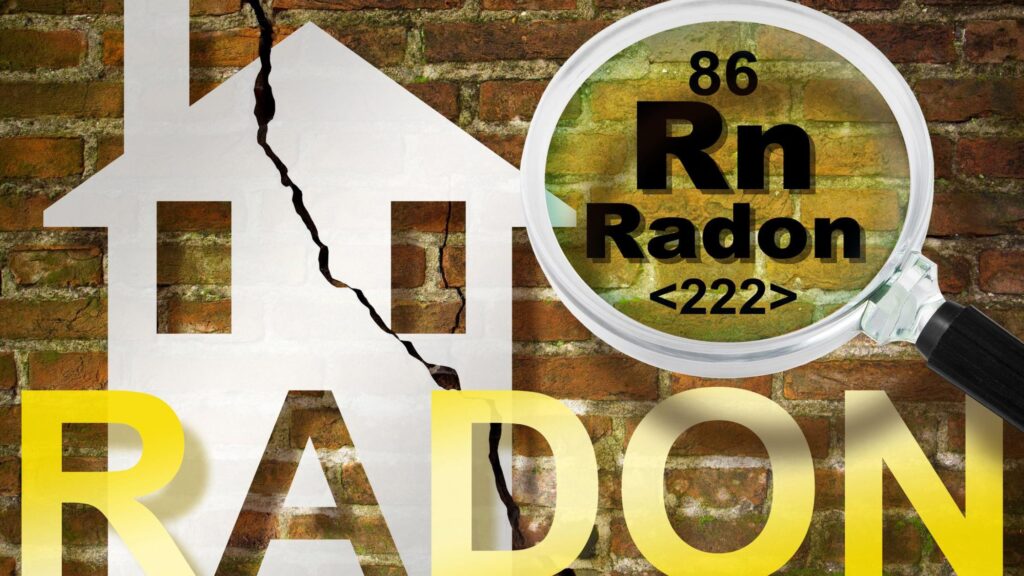
Understanding Radon and Its Risks
Before we delve into radon mitigation installation, it helps to understand radon itself. Radon gas originates from the natural breakdown of uranium in soil and rock. It can seep into homes, schools, and commercial spaces through gaps in basements, crawl spaces, or concrete slabs. Although low levels are common, unsafe concentrations can accumulate over time if not addressed.
The Environmental Protection Agency (EPA) recommends action when radon levels exceed certain thresholds, as these levels increase long-term health risks. Mitigation systems are designed to lower indoor radon to acceptable standards.
What Radon Mitigation Installation Entails
At its core, radon mitigation installation involves deploying a system that intercepts and vents radon from beneath a structure before it enters the indoor living space. A qualified technician designs a custom solution based on a property’s layout and radon test results.
Here’s a breakdown of the typical steps in the installation process:
1. Initial Testing and Evaluation
Certified professionals begin with radon testing to determine whether mitigation is necessary. They may use short-term or long-term test equipment in the lowest occupied level of the home or building. These measurements help identify whether radon concentrations exceed recommended safety levels.
2. System Design and Planning
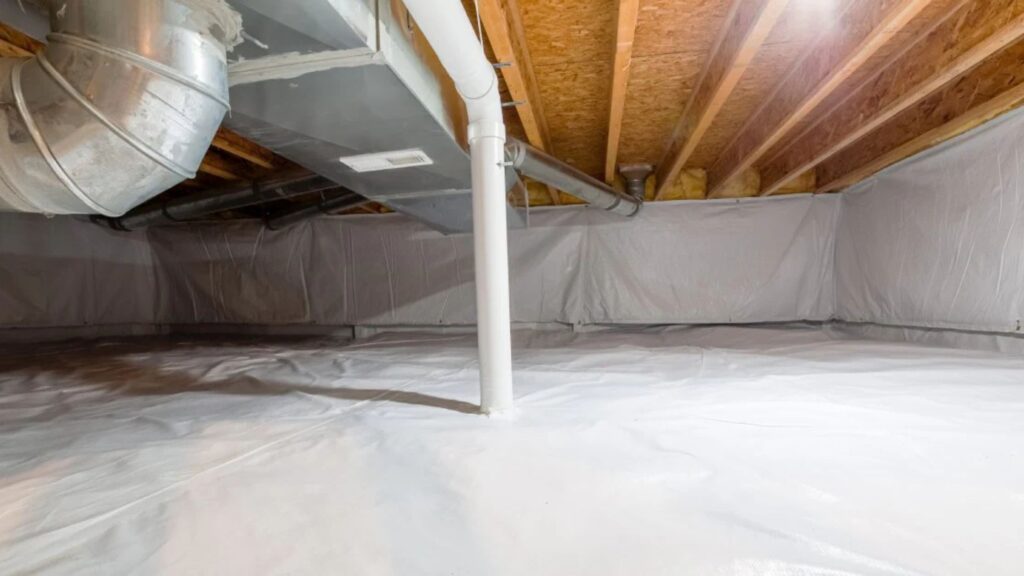
For effective radon mitigation installation, technicians evaluate foundation type, soil conditions, and structural details. Based on this assessment, they design a system—often using an active soil depressurization (ASD) approach—that efficiently draws radon from below the slab or crawlspace and expels it outside above the roofline.
3. Fan and Vent Pipe Installation
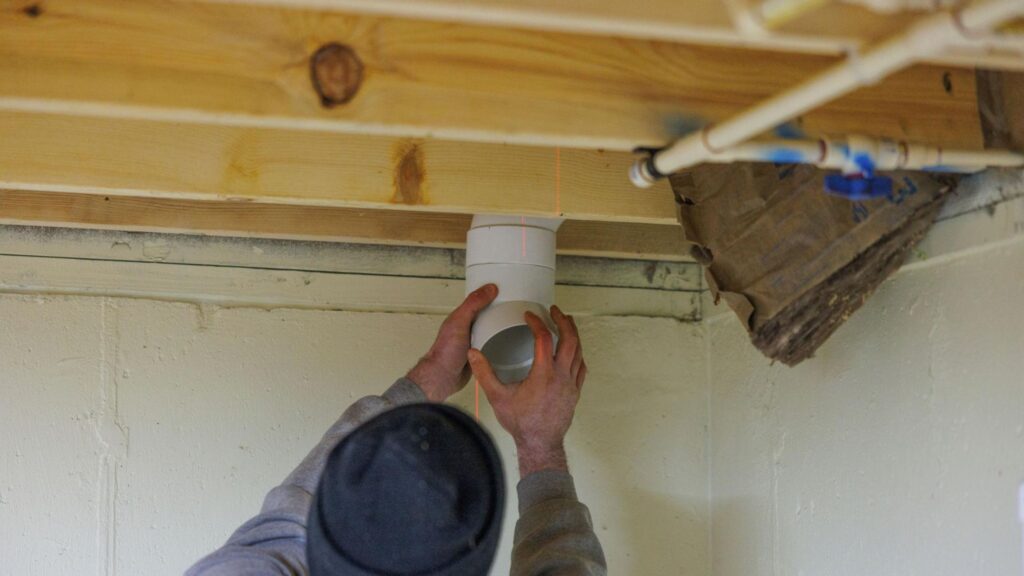
The heart of the system is a high-quality fan connected to a vent pipe that runs from beneath the foundation to above the roof. The fan continuously pulls soil gas, including radon, into the pipe and releases it outdoors, preventing it from entering the indoor space.
4. Sealing Foundation Entry Points
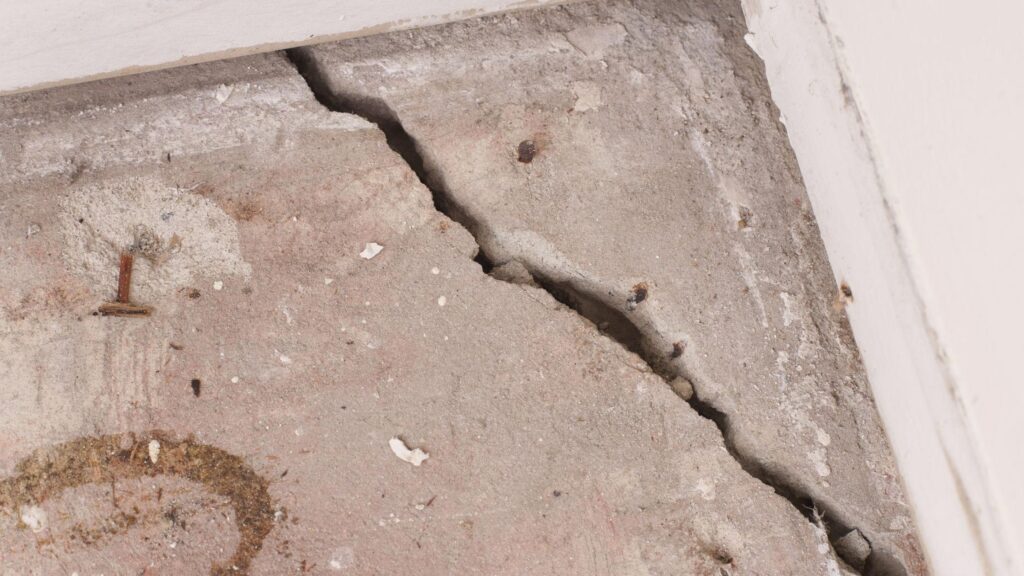
While the active system removes gas from beneath the home, sealing cracks, gaps, and openings in floors and walls enhances performance. This step ensures radon cannot re-enter once removed, making the system more effective and reliable.
5. Final Verification and Monitoring
After the installation, another radon test confirms that indoor air levels have dropped into the safe range. This crucial step verifies the system’s effectiveness and provides peace of mind to homeowners.
Overall, this process removes radon before it becomes an indoor problem, then confirms the results with real testing.
Why Professional Installation Matters
Radon mitigation installation requires technical expertise and a strong understanding of how air pressure, airflow, and foundation design work together inside a building. Because radon enters structures differently depending on soil conditions, foundation type, and construction materials, professionals tailor each system to the property instead of using a one-size-fits-all approach. Unlike DIY fixes that often miss key entry routes, professionally installed systems follow recognized industry methods, use the right fan and piping layout, and deliver more consistent, predictable reduction.
Additionally, certified technicians support you after installation with guidance on system operation, periodic performance checks, and practical maintenance advice. As a result, your system continues to run efficiently, and you stay confident that radon levels remain controlled over time. Learn more about Radon Mitigation System Cost to Install.
Long-Term Performance and Maintenance
Reliable radon mitigation installation does not end at installation. The system’s fan, piping, and seals must remain in good condition for continued protection. Over time, fans may wear out, or foundational shifts may create new entry points for radon. Annual inspections and routine maintenance help catch these issues early, ensuring the system keeps performing optimally year after year.
A well-maintained mitigation system offers persistent defense against rising radon levels, safeguarding health and indoor air quality.
Benefits of Radon Mitigation Installation
Investing in professional radon mitigation installation pays off through improved indoor air quality and peace of mind. Here are some key benefits:
- Enhanced Safety: Most importantly, mitigation drastically lowers indoor radon, reducing potential health risks.
- Customized Solutions: Tailored systems match a home’s design and foundation type for maximum efficiency.
- Long-Term Protection: Continuous venting and periodic monitoring keep radon levels under control.
- Support from Certified Experts: Ongoing service and verification ensure system longevity and performance.
Each of these benefits underscores why qualified professionals are essential for radon mitigation installation.
Choosing the Right Mitigation Provider
When selecting a provider for radon mitigation installation, choose certified professionals who bring proven experience, strong local reviews, and a clear commitment to end-to-end service. You should also check certifications, workmanship standards, and follow-up support, because long-term performance matters as much as the install itself.
That’s exactly where DSM Radon stands out. Their team guides you through the full process—from accurate radon testing and a custom system plan to clean installation and post-install verification—so you don’t feel confused or rushed. Moreover, DSM Radon focuses on clear communication and reliable results, which help you feel confident that your indoor air stays safer over time.
Conclusion
Radon mitigation installation gives you a proven way to remove a hidden indoor air threat before it affects your daily life. Because the right result depends on precision, the best outcomes come from accurate testing, a custom system design, clean professional installation, and ongoing performance checks. If you want a team that handles the full process with clear communication, certified expertise, and a focus on long-term safety, choose DSM Radon for testing, mitigation, and ongoing support.
With the right specialists in place, radon mitigation installation becomes a smart, lasting upgrade for healthier indoor air in both homes and commercial spaces.