
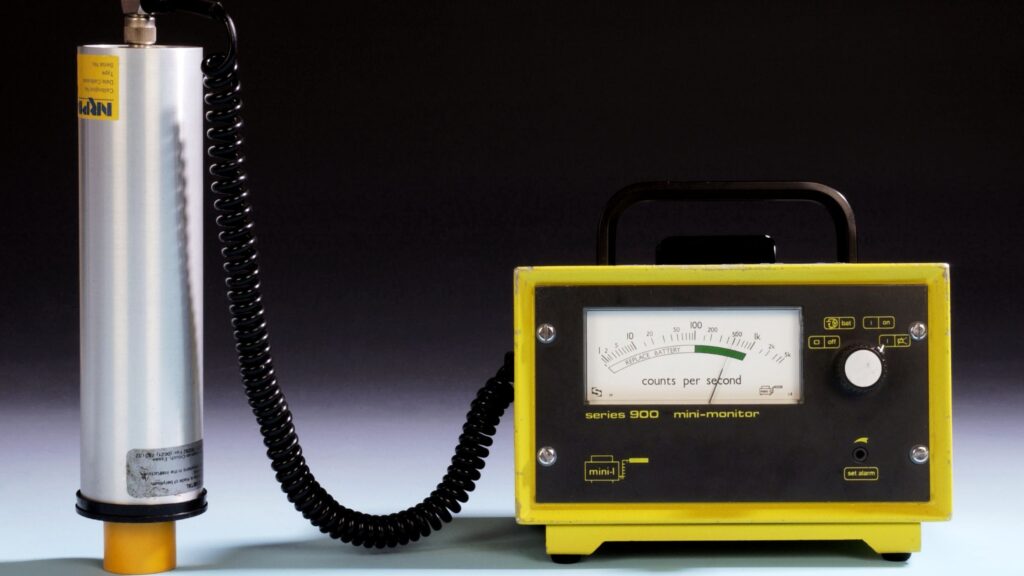
Radon is a hidden threat, and while installing a mitigation system is a crucial first step, it’s not enough on its own. To ensure your indoor air remains safe, you need ongoing maintenance. That’s where a Radon Mitigation System Annual Check-up comes in. This article explains why the check-up is essential, what it includes, and how to make it a part of your regular home maintenance, while also highlighting the services provided by DSM Radon.
What a Radon Mitigation System Annual Check‑up Involves
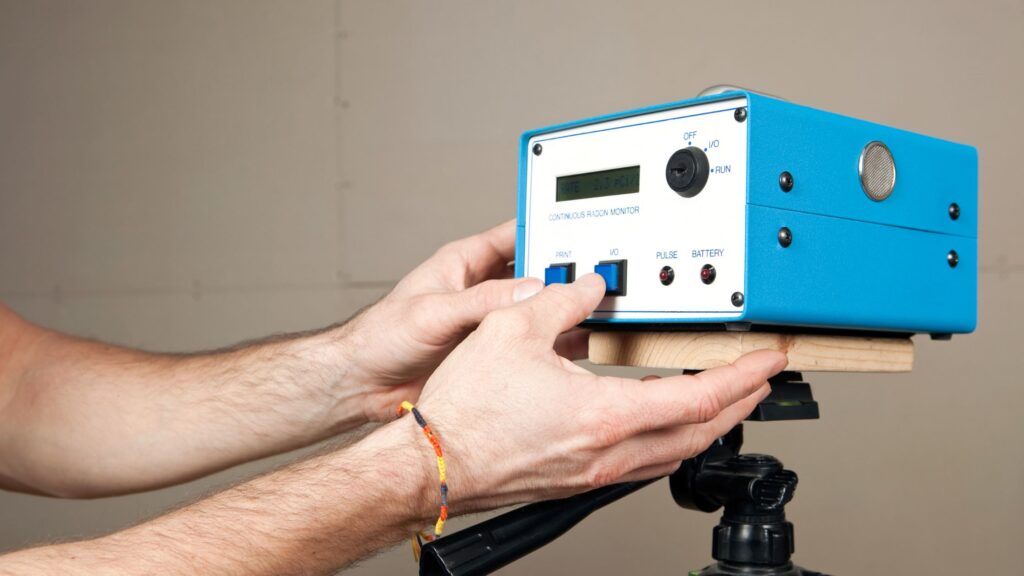
A radon mitigation system annual check-up is a thorough inspection that ensures your system is working properly and keeping radon levels in check. Certified technicians first evaluate the system’s performance, then check key components like the fan, vent pipes, seals, and sensors for any issues. They also review monitoring logs to make sure radon levels haven’t increased or triggered any alarms. Finally, they provide a report outlining any necessary maintenance, adjustments, or replacements. By scheduling this check-up every year, you help ensure your system remains reliable, preventing unexpected issues and continuing to protect your home and family.
Why an Annual Check‑up Matters
Regular maintenance of your radon mitigation system is essential for several reasons:
- Ongoing protection: Soil shifts, foundation settling, and fan wear can affect system performance. Annual check-ups ensure your system stays effective.
- Early issue detection: Fans, vent pipes, and radon entry points can develop problems over time. Annual checks catch issues before they escalate.
- Best practices: Periodic evaluations ensure your system remains compliant with industry guidelines and continues to perform optimally.
- Preserving air quality and home value: A working system maintains safe radon levels, protecting your home’s value. Skipping check-ups could lead to increased radon levels and decreased system efficiency.
- Peace of mind: Regular inspections confirm your system is operating properly, keeping your family safe.
For these reasons, a radon mitigation system annual check-up should be a routine part of your home’s safety plan, ensuring long-term protection and peace of mind. Learn more about Radon Mitigation System Cost to Install.
Key Components to Inspect During the Check‑up
When scheduling your radon mitigation system annual check-up, make sure the following components are thoroughly inspected:
I. Radon Levels and System Performance
Start with a short-term radon test or monitor reading to ensure indoor radon levels remain low. Compare these readings to previous records to detect any increases. If levels rise above recommended guidelines, schedule a follow-up test and contact a professional immediately.
II. Fan and Motor Condition
The fan is the heart of the system. Check its operation, noise level, vibrations, and mounting. If necessary, DSM Radon offers professional fan replacement services. Any change in sound or performance is an early warning sign that the fan may be failing.
III. Vent Pipe Integrity and Routing
Inspect the vent piping for cracks, corrosion, blockages, or disconnections. Ensure the vent terminates above the roofline and is free of obstructions. A compromised vent line can reduce system efficiency and allow radon to re-enter the home.
IV. Suction and Seal Points
Verify that suction points beneath slabs or crawlspaces are still properly sealed. Check for any new cracks or gaps. Resealing may be required during the check-up. Tight seals help maintain strong suction so the system can pull radon from the soil instead of your living space.
V. Airflow and Pressure Testing
Measure the airflow and pressure difference to ensure the system is effectively drawing soil gas away from the living space. Consistent readings from year to year indicate that the system is performing as designed.
VI. Monitoring Devices and Alarms
Test the functionality of any airflow indicators or alarms. Replace batteries if needed and confirm that signals can be heard or seen. These devices act as your early alert if the system stops working between annual check-ups.
VII. Documentation and Logs
Make sure you have all system labels, installation documentation, previous test results, and scheduling information for the next check-up. Clear records make it easier to spot trends, plan maintenance, and provide proof of system performance if needed.
By inspecting key components during your annual radon mitigation system check-up, you’ll ensure its effectiveness and protect your home.
How to Schedule and Track Your Annual Check‑up
Implementing a routine for your annual check‑up is simple yet effective:
- Pick a regular date: Choose the same month each year (e.g., every spring or fall) for your Radon Mitigation System Annual Check-up.
- Set reminders: Add it to your digital calendar or home maintenance plan with alerts.
- Document the visit: Save the report, test results, repair notes, and next due date.
- Plan the budget: Allow for possible fan replacement, seal repairs, or small upgrades.
- Track trends: Compare yearly radon readings and act quickly if levels rise.
- Use a trusted pro: Hire a certified provider who understands local codes and foundations.
By following these steps, you transform the annual check‑up from an afterthought into a proactive safeguard for your home.
Partnering with DSM Radon for Your Annual Check‑up
Choosing DSM Radon for maintenance and inspection means accessing a team experienced in residential and commercial radon mitigation and testing in Des Moines. They offer annual radon check-ups.
- Certified technicians who inspect all system components and replace fans when needed.
- Thorough documentation and follow-up reports to help you track your system’s performance over time.
- Convenient integration of both testing and mitigation services, allowing them to quickly take corrective action if elevated radon levels are detected.
- Expertise in both commercial and residential properties, ensuring they understand different foundation types, vent routing, and system layouts.
In short, DSM Radon makes your annual check-up straightforward, reliable, and effective, providing you with peace of mind year after year.
Conclusion
A Radon Mitigation System Annual Check-up isn’t optional—it’s essential. Your system was installed to protect your home and family from the hidden dangers of radon gas. However, without regular verification, factors like wear and tear, environmental changes, or home renovations can reduce the system’s effectiveness. By scheduling an annual check, you ensure your indoor air remains safe, protect your property’s value, and gain long-term peace of mind. For reliable, professional support with your annual inspection, testing, and system maintenance, visit the experts at DSM Radon to ensure your system keeps working at its best.