
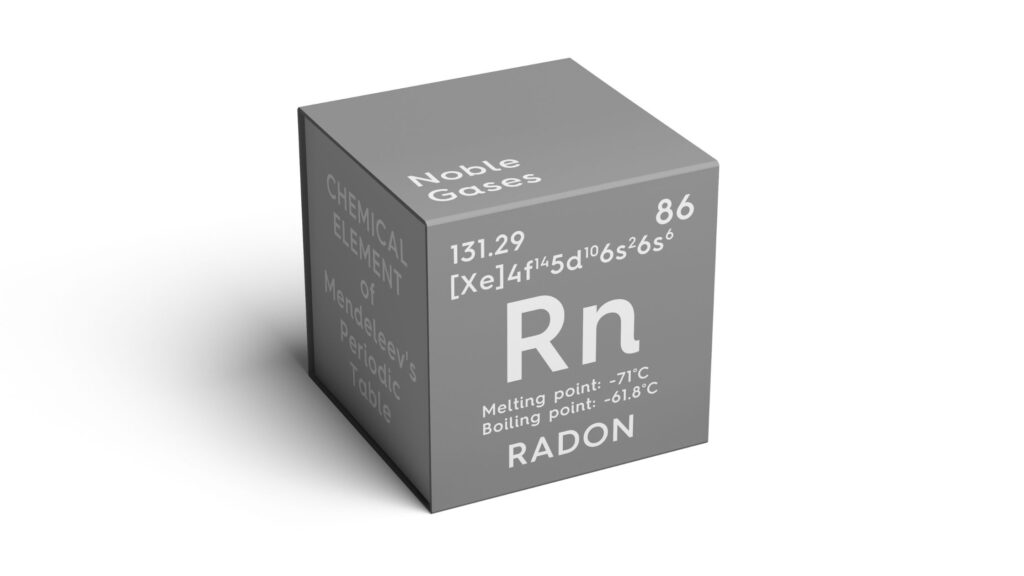
Radon is a naturally occurring radioactive gas that forms from the breakdown of uranium in soil, rock, and water. While many homeowners focus on radon entering through soil, well water can also introduce radon into indoor air inside the home. When you use water for showering, cooking, or washing, radon gas can be released into the air, increasing exposure risks.
Therefore, installing a radon mitigation system for well water becomes essential for protecting both your indoor air and overall health. This article explains how these systems work, why they matter, and how they ensure long-term safety for your family and home.
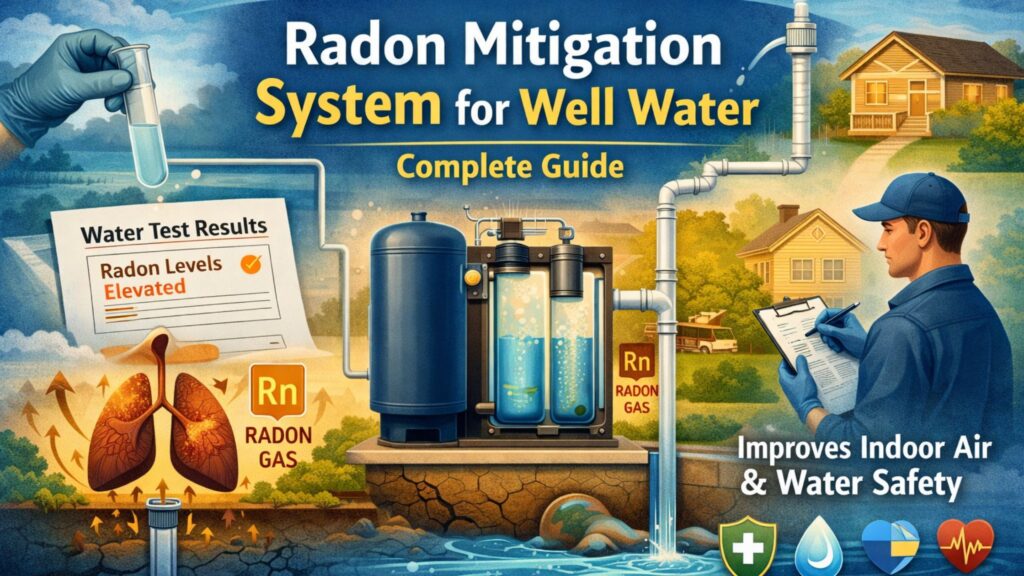
Understanding Radon in Well Water
Radon can dissolve into groundwater and enter homes through private wells. Unlike public water systems, private wells are not always regulated, which increases the importance of testing.
Moreover, radon in water becomes more dangerous when it transfers into the air during everyday activities. For example, showering and washing dishes can release radon gas into indoor spaces.
Consequently, homeowners must address both airborne and waterborne radon to ensure complete protection.
What Is a Radon Mitigation System for Well Water?
A radon mitigation system for well water removes radon at entry, uses filtration or aeration, and helps protect indoor air quality and household water safety.
- Early Radon Removal: It removes radon before water releases gas into indoor air.
- Entry-Point Treatment: It treats well water at the main household entry point.
- Effective Filtration Method: It uses aeration or filtration for effective radon reduction.
- Health and Safety Support: It supports safer water use and healthier indoor air quality.
Together, these features make it a reliable, efficient, and long-term solution for safer water use and healthier indoor living.
How the System Works Step by Step
Understanding how the system functions helps homeowners make informed decisions about safety and performance.
1. Water Testing and Analysis
Professionals test your well water to determine radon levels and identify the most suitable treatment method. This first step helps ensure accurate system planning, better performance, and safer long-term indoor air quality.
2. Choosing the Right System
Experts select either aeration or carbon filtration systems based on radon concentration and water usage. This careful selection ensures the system matches your household’s needs and delivers effective radon reduction results.
3. Aeration Process
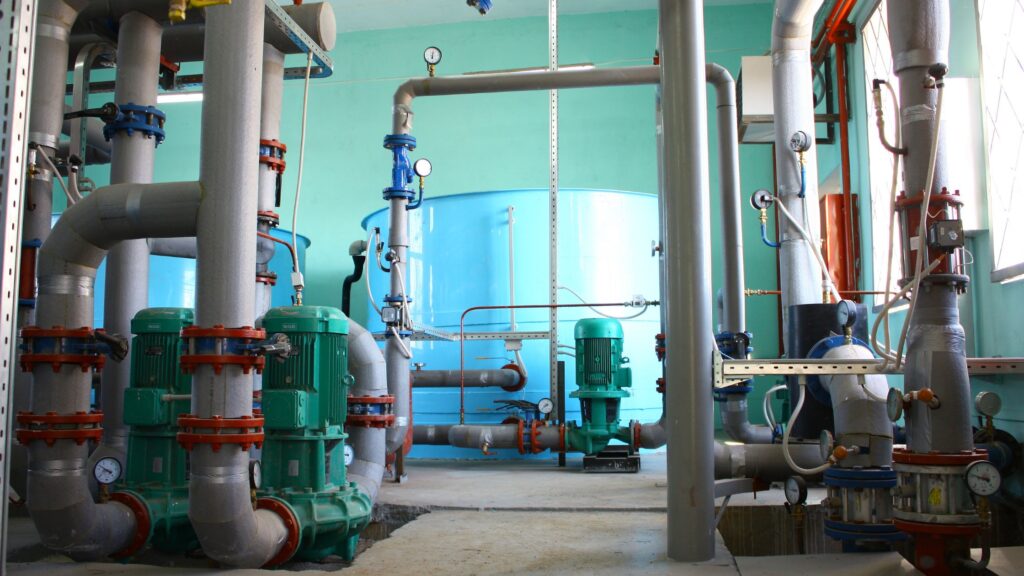
Aeration systems bubble air through water, releasing radon gas before venting it safely outside. This process removes radon efficiently and helps prevent harmful gas from entering indoor living spaces.
4. Carbon Filtration Method
Granular activated carbon (GAC) systems trap radon particles inside specialized filters for effective removal. This method works well for certain radon levels and supports cleaner, safer household water use.
5. Safe Venting and Disposal
The system ensures radon gas exits the home safely without re-entering indoor spaces. Proper venting protects indoor air quality and improves the overall effectiveness of the water treatment system.
Therefore, each step works together to provide reliable and consistent radon reduction, better indoor safety, improved system performance, and long-term protection for homeowners.
Why These Systems Are Highly Effective
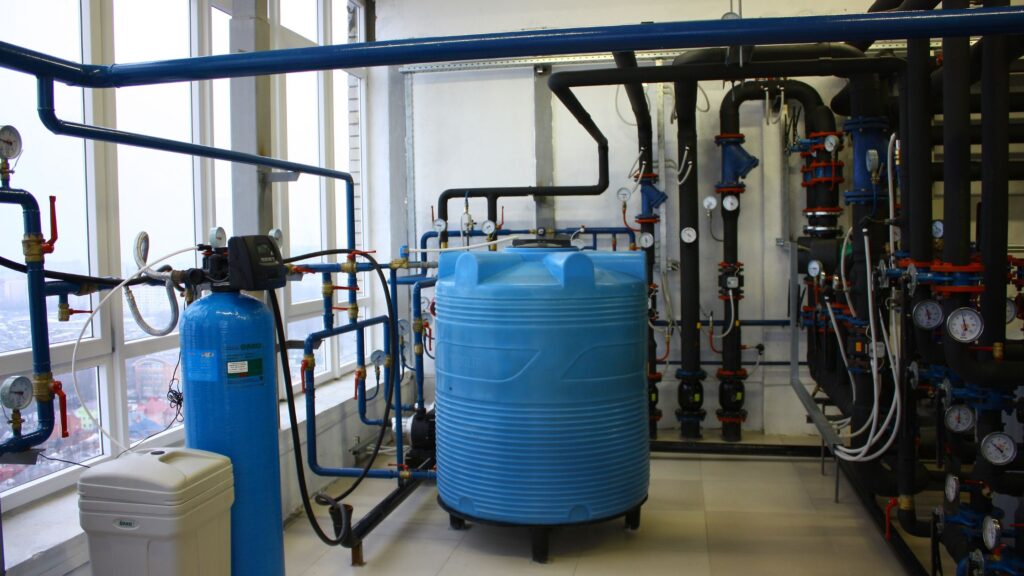
Radon mitigation systems for well water target the problem at its source—your water supply.
First, they prevent radon from entering indoor air during water usage. Second, they provide continuous treatment with minimal effort. Third, they adapt to different radon levels and household needs.
Additionally, properly installed systems can significantly reduce radon exposure and improve indoor air quality. As a result, homeowners benefit from safer living conditions and long-term protection.
Key Advantages of a Radon Mitigation System for Well Water
Installing this system offers multiple advantages beyond basic radon reduction, ensuring improved safety and better environmental conditions inside your home.
- Health Protection: It reduces exposure to harmful radon released during water usage activities.
- Improved Indoor Air Quality: It prevents radon gas from transferring into indoor air during daily use.
- Safe Water Supply: It ensures your household water remains cleaner and safer for everyday use.
- Continuous Protection: The system operates automatically, providing round-the-clock safety and efficiency.
- Long-Term Reliability: Professionally installed systems deliver consistent performance with proper maintenance.
Therefore, investing in this system enhances both health safety and home value while improving indoor air quality, water protection, and long-term peace of mind.
When Do You Need This System?
You should consider installing a radon mitigation system for well water when:
- Your home uses private well water.
- Water testing shows elevated radon levels.
- You notice poor indoor air quality.
- You live in a high-radon region.
Additionally, combining water treatment with air mitigation systems ensures complete protection against radon exposure. Learn more about Radon Testing Cost.
Installation Process and Professional Approach
Professional installation ensures safe, efficient performance through careful evaluation, customized design, seamless integration, minimal disruption, and post-installation testing, delivering better results than generic radon treatment systems.
- Professionals assess water quality and radon levels carefully.
- Experts review plumbing layout before planning installation.
- Technicians integrate the system with minimal disruption.
- Post-installation testing confirms safe and effective performance.
- Tailored solutions work better than generic treatment systems.
Together, these steps ensure dependable system performance, safer water treatment, and long-term confidence in your home’s radon protection.
Maintenance and Long-Term Performance
Although the system requires minimal upkeep, regular monitoring ensures optimal performance and long-term efficiency.
Experts recommend periodic inspections and timely filter replacements for carbon systems to maintain strong treatment results over time. Additionally, aeration units require cleaning and performance checks to maintain reliability, airflow efficiency, and safe radon removal from the water supply.
By maintaining the system properly, homeowners ensure continuous protection, better water quality, improved indoor air safety, and lasting peace of mind for their families.
Conclusion
A radon mitigation system for well water provides an essential solution for reducing radon exposure from your water supply. It improves indoor air quality, protects your health, and ensures safer everyday living.
By combining proper testing, professional installation, and regular maintenance, homeowners can effectively manage radon risks from both air and water sources. For reliable testing and customized solutions, DSM Radon offers expert radon mitigation services designed to deliver safe, efficient, and long-lasting protection for your home.