

Radon is a dangerous, invisible gas that can infiltrate homes and buildings, posing serious health risks. Fortunately, radon mitigation systems provide a solution by reducing radon levels to safer concentrations. However, the real key to ensuring long-term protection lies in Radon Mitigation System Optimization. In this article, we’ll explore how optimizing your radon mitigation system can provide maximum protection and enhance the overall efficiency of your home’s safety measures.
What is Radon and Why It’s a Silent Threat
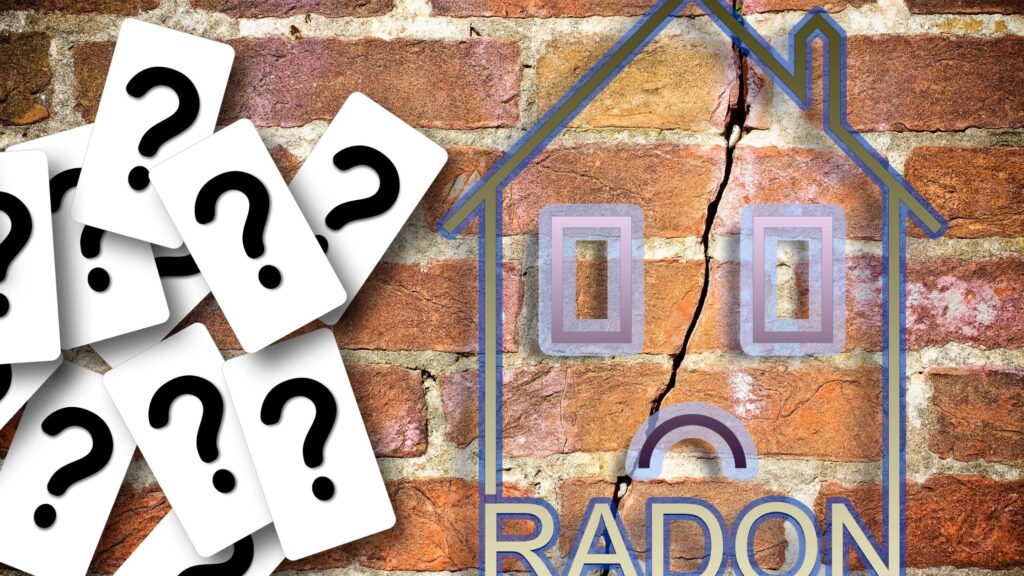
Radon is a radioactive gas that naturally forms from the decay of uranium in the soil, rock, and water beneath our homes. It is colorless, odorless, and tasteless, making it virtually undetectable without testing. The gas can seep into buildings through cracks in the foundation, gaps around pipes, and even through well-sealed windows. Prolonged exposure to high levels of radon can significantly increase the risk of lung cancer, making it crucial to address radon issues immediately.
Radon is the second leading cause of lung cancer in the United States, after smoking. According to the Environmental Protection Agency, radon is responsible for about 21,000 lung cancer deaths annually. The risk is even higher for non-smokers, making it especially important for homeowners to test for and address elevated radon levels.
What is Radon Mitigation System Optimization?
Radon Mitigation System Optimization refers to the process of refining, adjusting, and fine-tuning a radon mitigation system to ensure it operates at its maximum efficiency. Radon mitigation systems are designed to reduce radon levels in a home, but simply installing a system is not always enough. Over time, without optimization, these systems can become less effective due to factors like wear and tear, changes in the home’s structure, or shifts in environmental conditions. Optimization ensures that the system runs at its peak performance by adjusting fan speeds, enhancing airflow, and ensuring proper sealing of all radon entry points.
Key Stages for Optimizing Your Radon Mitigation System
Radon is a harmful gas that can accumulate in homes, presenting significant health risks. Therefore, optimizing your radon mitigation system is essential to ensure it operates efficiently and provides long-term protection. By focusing on system optimization, you can enhance its effectiveness in reducing radon levels. Below are the key stages involved in this crucial process, each of which contributes to maintaining a safe living environment for you and your family.
1. Initial Radon Testing and Assessment
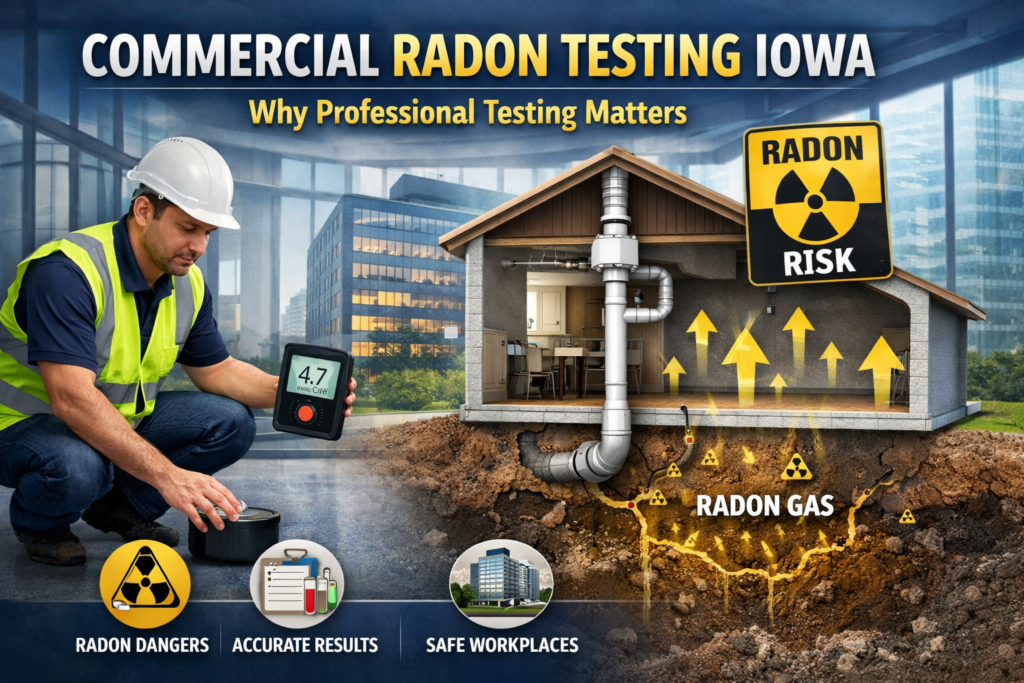
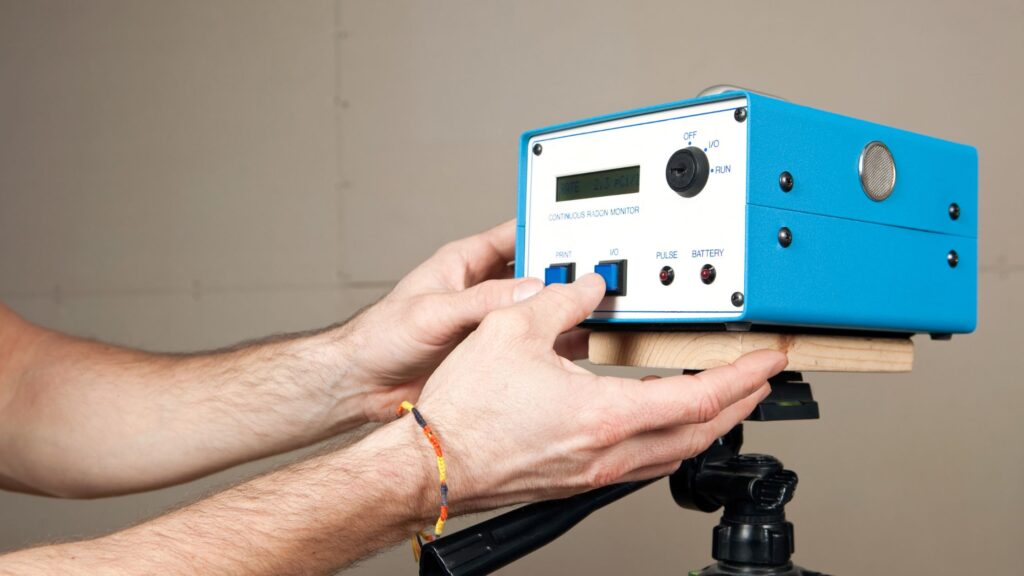
The first crucial step in optimizing your Radon Mitigation System is to conduct an initial radon test. This test serves as a key indicator, helping to measure the radon levels in your home. By doing so, it not only provides insight into the severity of the problem but also plays a pivotal role in shaping the design of an effective mitigation system. Consequently, it ensures that the system will be tailored to address the specific needs of your home.
2. System Design and Installation
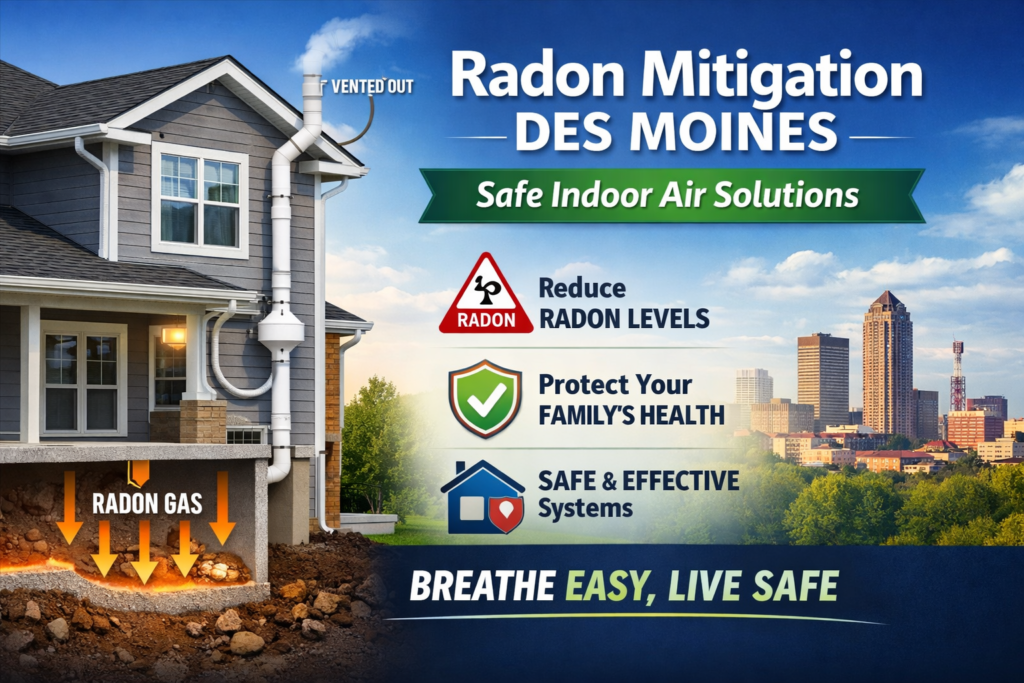
After completing the assessment, a professional radon mitigation company will design a customized system suited to your home’s layout and foundation. This system typically includes components such as a fan, piping, and a vent to safely expel radon outside.
3. Optimization and Fine-Tuning
Once the system is installed, it must undergo optimization to ensure peak performance and efficiency. This phase involves adjusting fan speeds, checking suction points, and optimizing pipe placement to maximize radon removal.
4. Regular Maintenance and Monitoring
Once the system is optimized, ongoing routine maintenance and monitoring become crucial to ensure it continues to function at peak efficiency. Homeowners should, therefore, schedule regular annual inspections to evaluate the system’s performance. This proactive approach not only helps maintain its effectiveness but also ensures that radon levels stay consistently low, providing continuous protection over time. Learn more about Radon Mitigation System Cost to Install.
5. Post-Installation Testing and Verification
After the system is installed and optimized, post-installation testing is conducted to verify its effectiveness in reducing radon levels. This test ensures that the mitigation system is performing as expected and radon concentrations have dropped to safe levels.
Proper optimization of your radon mitigation system is key to maintaining a safe and healthy home. By following these steps, you ensure long-term, efficient protection against radon.
The Value of a Well-Optimized Radon Mitigation System
Optimizing your radon mitigation system ensures safety, efficiency, and long-term protection for your home.
a) Enhanced Safety: Optimizing your radon system keeps radon levels low, ensuring better air quality and a safer home. This reduces the risk of health issues for your family.
b) Improved System Efficiency: An optimized system runs more efficiently, using less energy and requiring fewer repairs. This saves on energy bills and maintenance costs.
c) Long-Term Protection: Regular optimization ensures your system adapts to changes in the home, offering consistent protection over time. It keeps radon levels controlled for years.
d) Increased Property Value: Homes with optimized systems are more attractive to buyers. A proven radon mitigation system can increase your property’s market value.
A well-optimized radon mitigation system enhances safety, cuts costs, and boosts your home’s value. It’s a smart investment for long-term peace of mind.
Conclusion
Radon Mitigation System Optimization is essential for ensuring long-term protection and maximum safety from radon gas. While installing a radon mitigation system is important, optimizing that system ensures it works efficiently and effectively, keeping your home and loved ones safe. At Des Moines Radon, we specialize in both radon mitigation system installation and optimization, providing our customers with peace of mind and protection that lasts. For professional radon testing, mitigation, and system optimization, contact DSM Radon today. We’re committed to providing high-quality, reliable radon mitigation solutions that you can trust.
FAQs
1: What is the purpose of radon mitigation system optimization?
Radon mitigation system optimization ensures that the system operates at its maximum efficiency, effectively reducing radon levels and maintaining safety over time.
2: How often should I test for radon after installing a mitigation system?
It’s recommended to test for radon every 2‑5 years, or if major changes are made to your home, such as foundation repairs or remodeling.
3: Can a radon mitigation system fail without optimization?
Yes, without proper optimization, a radon mitigation system can lose efficiency over time, allowing radon levels to rise again. Regular monitoring and adjustments are crucial.
4: How long does it take to optimize a radon mitigation system?
Optimization can typically be completed in a few hours to a day, depending on the complexity of the system and the required adjustments.