
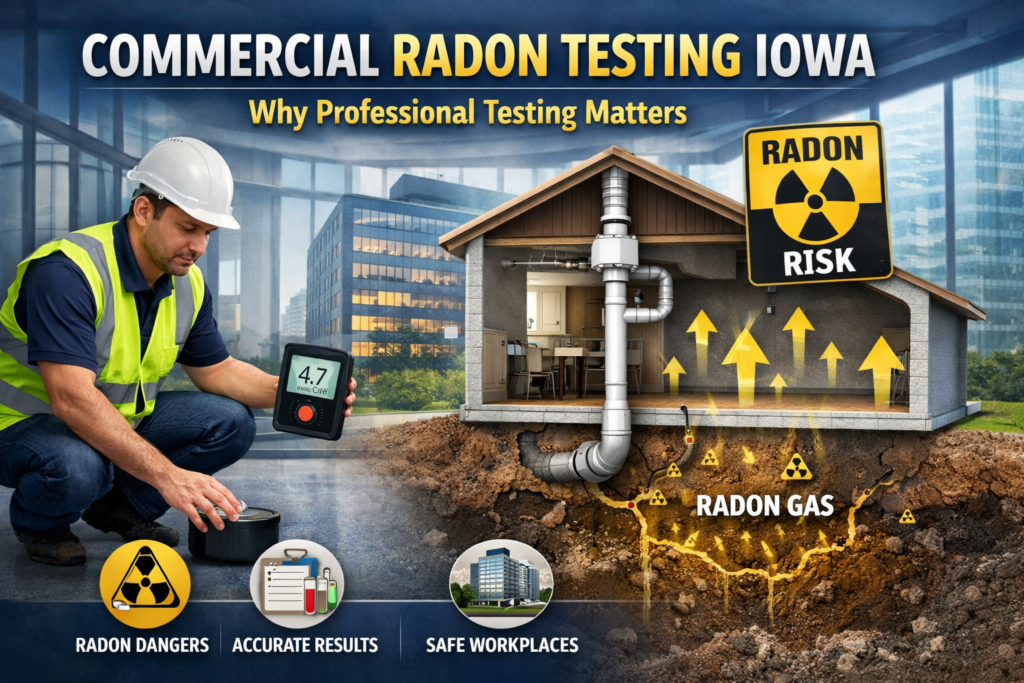
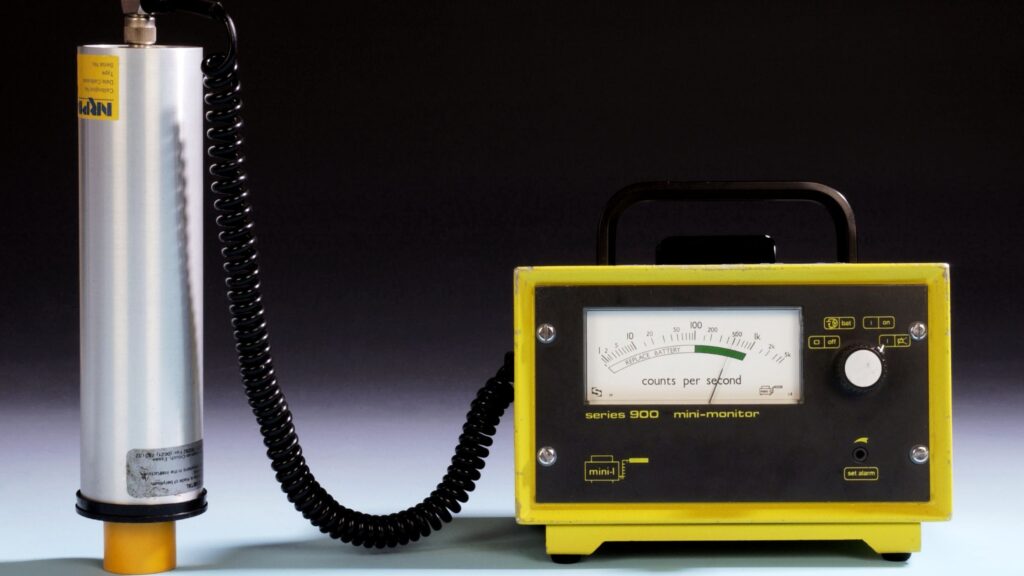
Radon is a naturally occurring radioactive gas that is the second leading cause of lung cancer, according to the U.S. Environmental Protection Agency (EPA). It’s colorless, odorless, and tasteless, making it difficult to detect without the proper equipment. Because of this, radon-resistant new construction is becoming increasingly important for homeowners looking to minimize their exposure to this dangerous gas. In this blog, we will explain what radon-resistant new construction is, why it’s essential for your home’s health, and how it can protect you and your family from the harmful effects of radon exposure.
What is Radon-Resistant New Construction?
Radon-resistant new construction involves building homes with specific features designed to reduce the entry of radon gas into the living space. These homes feature systems designed to actively prevent radon from accumulating indoors. Since radon typically appears in basements and lower levels of homes, these systems focus on fortifying the foundation and ground-level barriers. This construction method proves most effective in areas where the EPA or local environmental health agencies have identified high radon levels.
Builders use a combination of passive and active radon mitigation techniques to ensure that radon levels inside the home remain low and safe. By incorporating these techniques, homeowners can have peace of mind knowing their home is protected from this hazardous gas. Radon-resistant construction is an investment in long-term health, safety, and property value.
Why Radon-Resistant New Construction is Important
Radon-resistant construction not only protects your family’s health but also boosts property value and ensures safety. Here’s why it’s essential:
1. Health Protection
The primary benefit of radon-resistant construction is protecting your family’s health. Long-term exposure to radon gas increases the risk of lung cancer, especially for smokers. By implementing radon-resistant features, homeowners can dramatically reduce their exposure to radon, which can help prevent serious health issues in the future.
2. Compliance with Local Regulations
In areas known for high radon levels, local building codes may require radon-resistant construction for new homes. Even if it’s not required, adding these features can boost your property’s value and show that you built your home with safety in mind.
3. Peace of Mind
Knowing that your home has been built with radon-resistant features provides peace of mind for you and your family. Radon-resistant construction can significantly reduce the likelihood of having to install an expensive radon mitigation system later on. It’s a proactive step that ensures the safety of the home from the start.
Investing in radon-resistant construction is a proactive step that protects your health, complies with regulations, and gives peace of mind knowing your home is safe.
How Does Radon-Resistant New Construction Work?
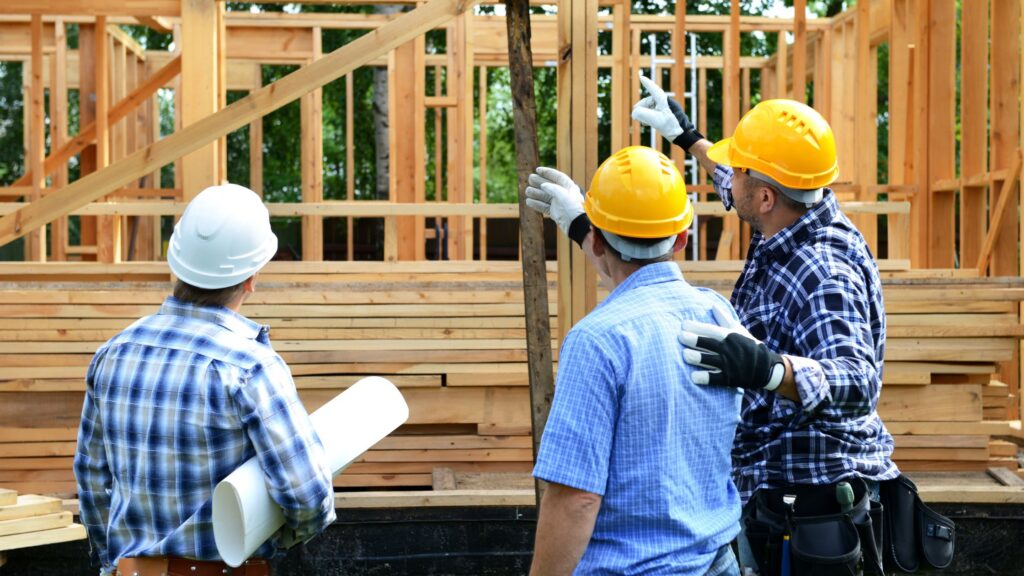
Several key elements go into creating a radon-resistant home. Builders typically integrate these elements into the home’s foundation during construction.
A. Sealing Gaps and Cracks
Radon gas can enter your home through small cracks and gaps in the foundation, floor, and walls. One of the first steps in radon-resistant construction is to seal these openings using caulk or other materials. This prevents radon from easily entering the living spaces through the foundation.
B. Installing a Vapor Barrier
A vapor barrier is placed over the soil beneath the foundation of the home. This barrier helps block the flow of radon gas from the ground into the living areas. The barrier is typically made from plastic or a similar material that can effectively block the gas.
C. Active Soil Depressurization System (ASD)
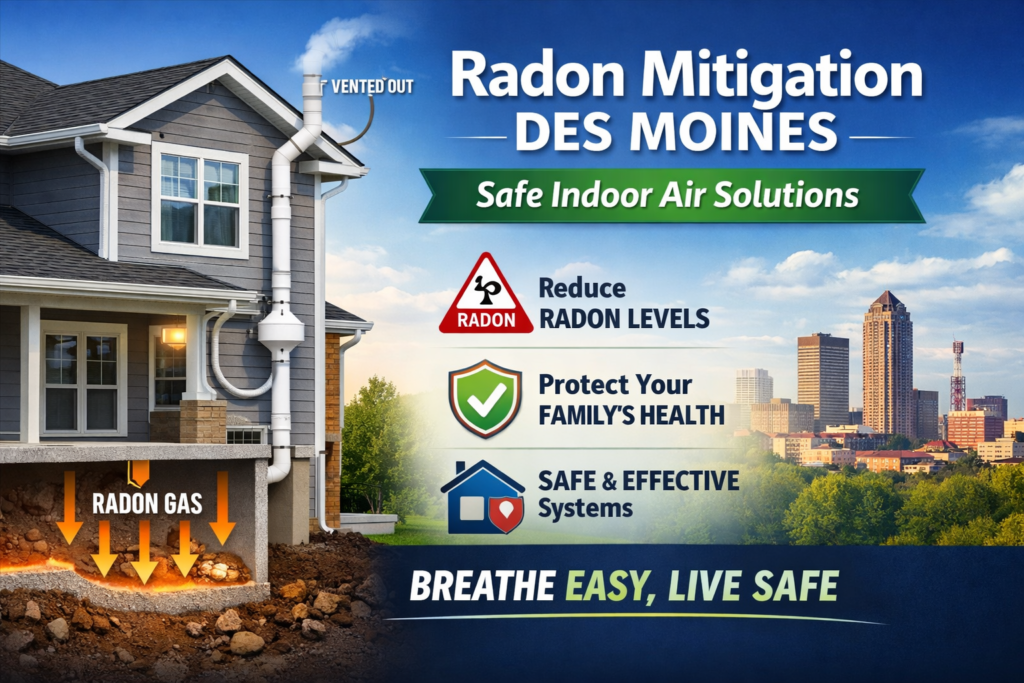
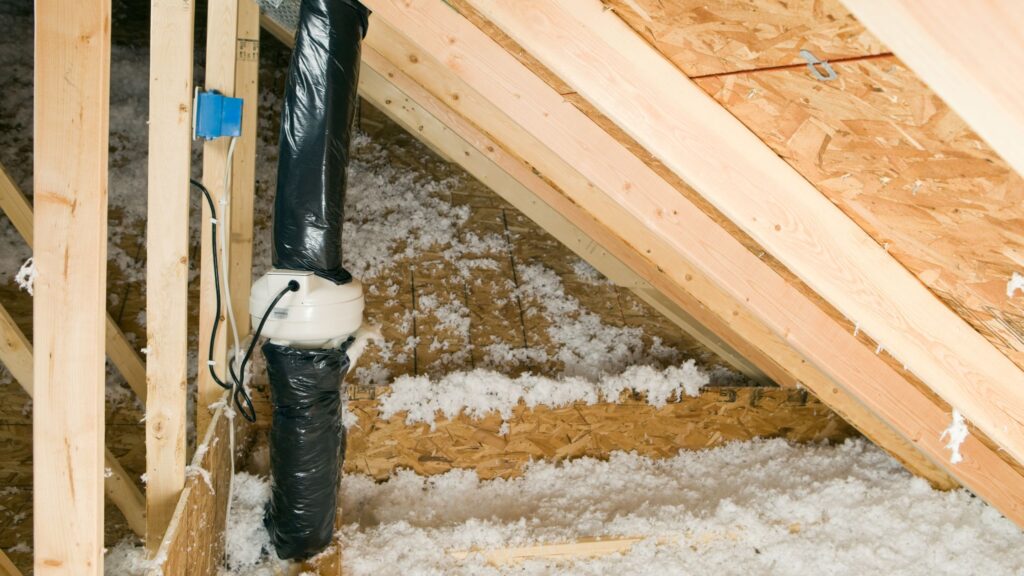
The most effective radon-resistant construction feature is the installation of an active soil depressurization system (ASD). This system consists of a vent pipe and fan system that is installed beneath the foundation. The fan pulls radon gas from beneath the home and vents it safely outside, preventing it from accumulating indoors.
D. Ventilation and Airflow Systems
Homes with radon-resistant construction also have proper ventilation and airflow systems to ensure that any radon that may enter the home is quickly vented out. This helps maintain healthy indoor air quality and prevents the gas from building up over time.
Radon-resistant features like sealing gaps, vapor barriers, and an active depressurization system prevent radon buildup, ensuring a safe and healthy home. Learn more about Radon Mitigation System Cost to Install.
Key Benefits of Radon-Resistant New Construction
Radon-resistant construction offers long-term protection, increased property value, and cost savings. Here are the key benefits:
- Prevents Future Radon Issues: It stops radon problems before they start, ensuring long-term protection.
- Increases Property Value: Radon-resistant homes are more desirable, boosting value.
- Cost-Effective in the Long Run: Upfront costs are lower than dealing with radon issues later.
- Easy to Maintain: These features require minimal maintenance, providing a hassle-free solution.
Radon-resistant construction protects your home, increases value, and saves on future costs, making it a smart investment for the long run.
Conclusion
Radon-resistant new construction is an essential part of creating a safe and healthy home. With radon being a silent, invisible threat, it’s vital to take steps during the building process to prevent this harmful gas from entering your living spaces. By implementing features like sealing gaps, installing vapor barriers, and using active soil depressurization systems, you can significantly reduce the risk of radon exposure and protect your family’s health.
If you’re planning to build a new home or are concerned about radon in your current living space, consider speaking with a professional about radon-resistant construction. Taking these steps can help prevent long-term health risks and ensure your home remains safe for years to come. For more information on radon detection and mitigation, visit DSM Radon and take proactive steps to ensure your home is safe.