
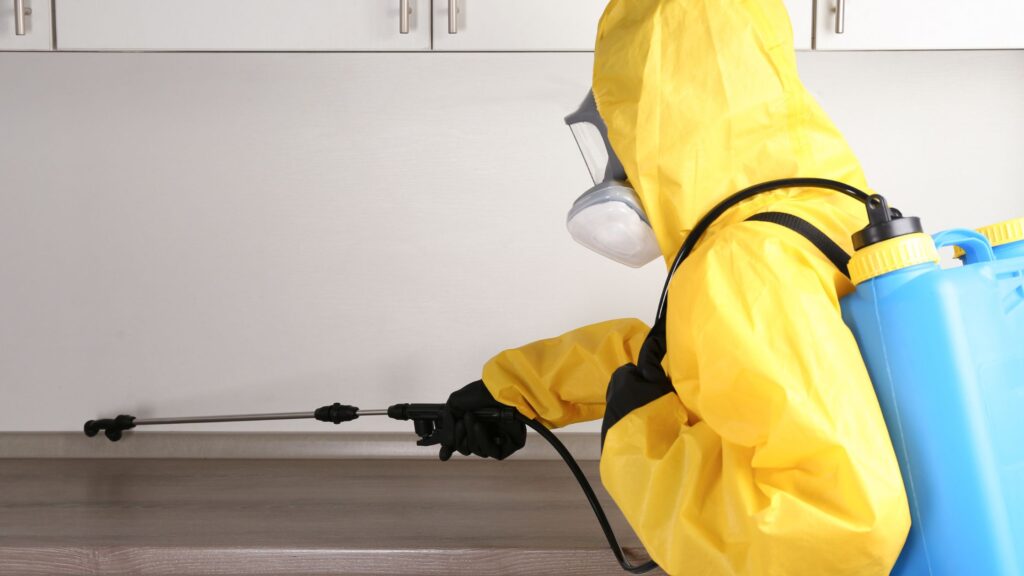

Pest control keeps your home safer, but it can also change how air flows inside. Since radon slips in through small foundation gaps and moves with pressure changes, even minor shifts in sealing, ventilation, or the soil around your home can change indoor levels. That’s why radon risk after pest control should be treated as a simple “test and confirm” step—not something to fear. Radon has no smell, color, or warning signs, so you can’t spot it by symptoms or odor. Instead, you stay confident by testing your home and using trusted mitigation methods if the results show higher readings.
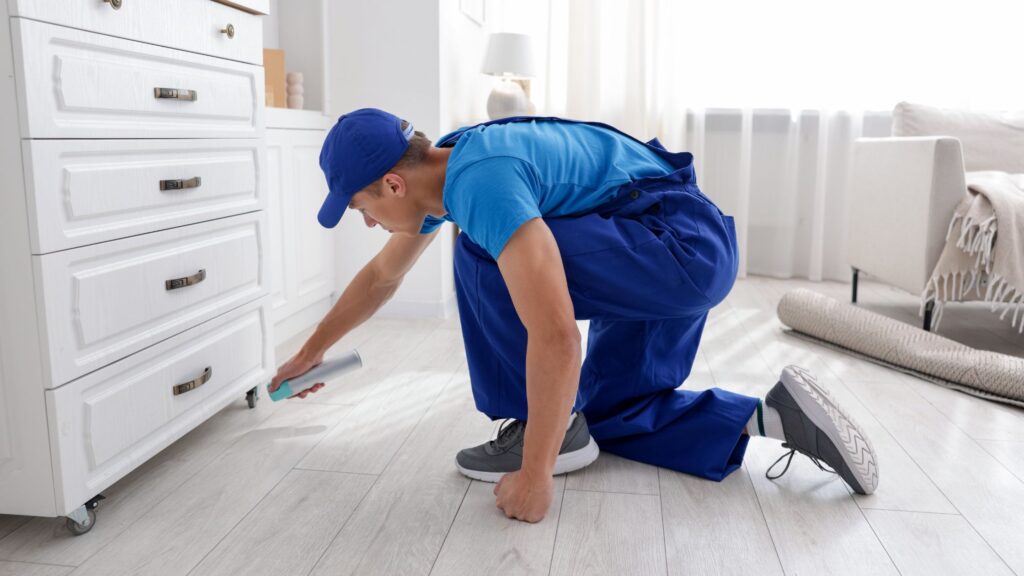
Pest Control & Radon: What Changes
Radon usually comes from the soil under and around your foundation. Your home can sometimes act like a vacuum, pulling soil gases indoors through tiny cracks and openings—especially when the air pressure inside is lower than the pressure in the soil. After many pest-control services, a few things can change:
- Sealing gaps can reduce fresh-air exchange and shift airflow.
- Crawlspace changes can alter how soil gases build and move.
- Soil disturbance near the foundation can open new air paths under the slab.
- Ventilation habit changes can shift pressure and reduce radon dilution.
Because of these airflow changes, radon risk after pest control can go up or down depending on how your home “breathes” after the work is done.
Pest Services That Can Affect Radon
Not every pest-control service affects radon, but you should stay alert after any work is done in the lowest parts of your home.
A) Crawlspace Sealing, Moisture Control, Or Encapsulation
Encapsulation can block drafts and make the space feel more comfortable. However, it can also reduce natural airflow, so radon may build up if you don’t plan for proper radon control. Therefore, you should retest radon after the work and add ventilation or a mitigation plan if needed.
B) Foundation Gap Sealing And Entry-Point Work
Sealing cracks and gaps can help limit where radon slips in. Still, sealing alone rarely fixes the problem if your radon level is already high. As a result, treat sealing as a support step, not a full solution, and verify results with follow-up testing.
C) Termite/Ant Treatments Around The Foundation
When technicians drill, trench, or treat soil around the perimeter, they can disturb the ground and change how soil gases move toward your home. In addition, new openings can form near the slab edge, so schedule a retest soon after treatment.
So, if pest control changes your crawlspace, foundation edges, or makes your home feel more “sealed,” treat radon risk after pest control as a clear reason to schedule a radon test.
Next Steps After Pest Control
Use this quick checklist right after the service—especially if you’re thinking about radon risk after pest control:
- Ask what changed: Get a simple update from the technician: “Did you seal any gaps, open anything, cover soil, or drill near the foundation?”
- Return the home to normal use: If you kept doors open or ran fans nonstop during the work, go back to your usual routine before you test.
- Don’t rely on “airing out”: Fresh air may lower radon temporarily, but it doesn’t confirm your true long-term level.
- Plan the right radon test: Radon levels shift with weather, ventilation, and daily habits, so choose a test that matches what you want to confirm.
Small habit changes can affect readings, so test under normal living conditions—not during unusual airflow.
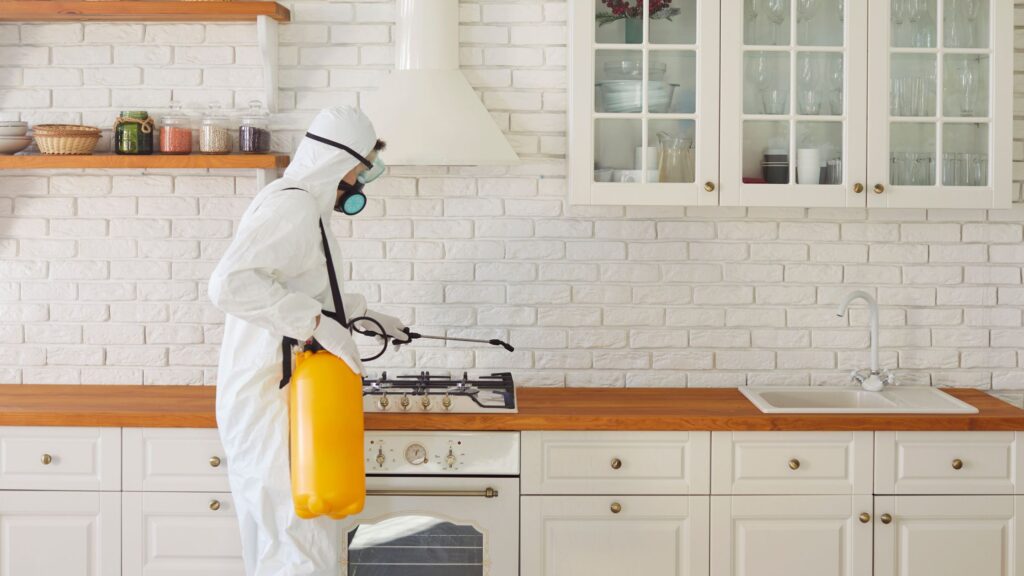
Radon Testing After Pest Control
If you suspect radon risk after pest control, testing gives you quick, clear answers.
i. Short-term testing (quick signal): A short-term radon test usually runs 2–7 days and gives you a fast snapshot. However, weather and ventilation can still make the number go up or down.
ii. Long-term testing (best confirmation): A long-term test runs 90+ days and shows a more reliable year-round average, so you get a clearer picture of true exposure.
iii. Where to test: Place the test on the lowest livable level of your home (like a basement you use), because that area often shows the highest potential for radon entry.
So, short-term testing helps you spot a possible issue fast, while long-term testing confirms the real average—so you can act with confidence. Learn more about Radon in Split-Level Homes.
Radon Mitigation: Next Steps
When a radon test comes back high, you should choose proven mitigation instead of short-term fixes like opening windows. The most common solution is Active Soil Depressurization (ASD), which uses a fan and vent piping to pull radon from beneath the home and release it safely above the roofline. A strong mitigation plan usually includes:
- Seal key openings (support step): Seal cracks and gaps to limit entry points and boost system performance.
- Customize the ASD system to your foundation: Match suction points, pipe routing, and sealing details to your home’s foundation type.
- Use crawlspace solutions when needed: Add a sub-membrane setup to control soil gas in crawlspaces before it rises indoors.
- Verify after installation: Retest after mitigation to confirm levels dropped, then retest periodically for ongoing confidence.
Mitigation works best when professionals tailor the setup to your home and confirm results with follow-up testing.
Retest After Home Changes
Home updates can change airflow again, so you should retest for radon after:
- Crawlspace changes or new sealing work.
- Basement finishing or major renovations.
- HVAC or ventilation upgrades.
- Large foundation repairs.
Even if you already have a mitigation system, you should keep up with regular maintenance because soil can shift, the home can settle, and parts can wear out over time. You stay safest when you treat radon like a long-term home health check—especially after any project that changes airflow, sealing, or the foundation.

Conclusion
If you suspect radon risk after pest control, you don’t need to panic—you need clear proof. Test your home under normal living conditions, follow the results with proven mitigation if needed, and keep a simple retesting habit after future home updates. For professional radon testing, mitigation, and long-term support for both residential and commercial properties, contact DSM Radon.